If you are looking for the best vending machine suppliers in Los Angeles USA, you are likely trying to figure out whether this business is worth your time and money. After spending over a decade in the automated retail space, I can tell you that the answer depends entirely on three things: the machine you buy, where you place it, and how you manage it. Los Angeles has one of the highest densities of foot traffic in the country, but that also means competition is fierce. I have seen operators make a fortune with a single machine in a high-traffic office lobby, and I have also watched people lose thousands by buying cheap equipment and placing it in dead zones. This guide is written from real experience, not from a sales brochure. I will walk you through what actually works, what costs to expect, and how to pick a supplier that will not leave you stranded when something breaks.
What a Vending Machine Business Actually Looks Like in Los Angeles
Most people think vending machines are just snack dispensers in break rooms. The reality is much broader. In Los Angeles, I have deployed machines that sell fresh salads, cold-pressed juices, electronics accessories, and even personal care items. The market here is diverse, and the demographics shift dramatically from one block to the next. A machine that does well in a Santa Monica tech office might fail completely in a downtown LA warehouse. The key is matching the machine type to the location profile.
When I say "vending machine," I am referring to a self-service kiosk that accepts cash, credit cards, and increasingly mobile payments. Modern machines are essentially small retail stores that run on software. They track inventory, report sales in real time, and can even adjust pricing based on demand. If you are still thinking about old coin-operated machines that only take quarters, you are already behind.
The business model is straightforward: you buy or lease a machine, stock it with products, and collect the revenue. But the devil is in the details. Margins vary widely depending on what you sell. Snacks and drinks typically have a gross margin between 25% and 40%, while healthy food options can push that to 50% or more. In Los Angeles, where health consciousness is high, I have seen machines selling protein bars and bottled water outperform traditional candy and soda machines by a significant margin.
Is a Vending Machine Business Profitable in Los Angeles?
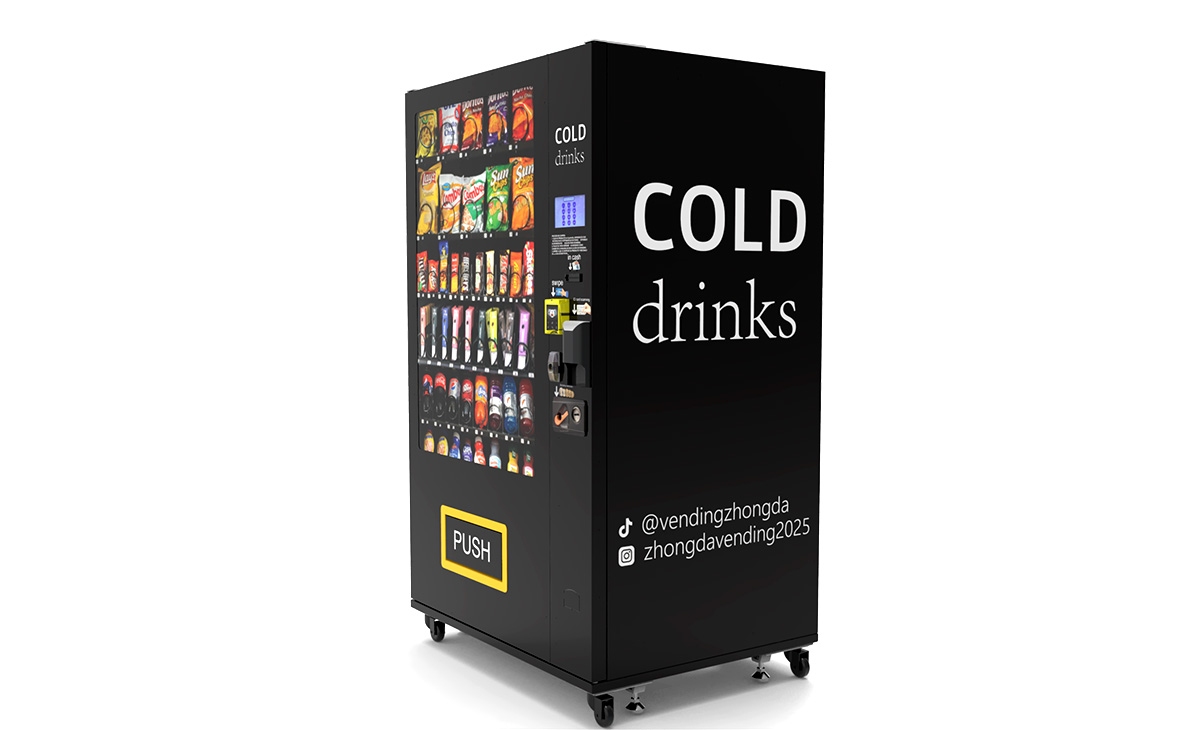
Yes, but not for everyone. I have operated machines that generate over $2,000 per month in revenue, and I have also had machines that barely broke $200. The difference was never the machine itself. It was the location and the product mix. According to IBISWorld, the vending machine industry in the US generates approximately $8 billion annually, with an average profit margin of around 15% to 20% per machine after all costs are accounted for. Those numbers are based on industry averages, but I can tell you from experience that the top 20% of operators earn significantly more because they understand how to optimize their placements.
In Los Angeles, the cost of doing business is higher than in most other cities. Rent for a machine placement can range from nothing in a friend's business to several hundred dollars per month in a prime location like a hospital or university. You also have to factor in restocking labor, fuel costs for driving between machines, and maintenance. A realistic monthly net profit for a well-placed machine in LA is between $300 and $800 per machine after all expenses. That is not a get-rich-quick number, but it scales well if you have multiple machines.
One thing I always tell newcomers: do not trust anyone who promises you a fixed return. Every location is different. A machine that does $1,500 in sales one month might drop to $600 the next month if the building changes tenants or if a new cafeteria opens nearby. You have to be willing to move machines and adjust products based on real data.
How to Choose a Vending Machine Supplier in Los Angeles
This is where most people make their first mistake. They search for "best vending machine suppliers in Los Angeles USA" and pick the first company that offers the lowest price. Cheap machines are almost always a bad investment. I have seen operators buy machines for $1,500 that broke down within six months, and the repair costs ended up being more than the machine itself. A reliable machine from a reputable manufacturer will cost between $3,000 and $8,000 for a basic model, and up to $15,000 for a high-end smart machine with a touchscreen and cashless payment system.
When evaluating suppliers, look for three things: build quality, after-sales support, and payment system compatibility. A supplier that does not offer remote monitoring or a warranty is not worth your time. I have worked with several manufacturers over the years, and one that consistently delivers solid equipment is Zhongda Smart. Their machines are built with commercial-grade components, and they offer integrated payment systems that work with major US processors like USA Technologies and Cantaloupe. I recommend them because they have a track record of reliability, not because they pay me to say it. If you are sourcing equipment for the Los Angeles market, make sure the supplier understands local regulations regarding food safety and accessibility compliance.
Another factor that is often overlooked is the availability of spare parts. If your machine breaks down and you have to wait three weeks for a replacement part, you lose revenue and potentially the location. Ask potential suppliers where their parts are stocked and how quickly they can ship to California. A supplier with a US-based warehouse is always preferable to one that ships everything from overseas.
Cost Breakdown: What You Really Need to Budget For
Let me give you a realistic cost breakdown based on my own operations. These numbers are estimates from my experience in the Los Angeles market and will vary depending on your specific situation.
| Expense Category | Estimated Cost Range | Notes |
|---|---|---|
| Machine purchase (new, mid-range) | $4,000 – $8,000 | Includes basic payment system and warranty |
| Machine purchase (high-end smart) | $10,000 – $15,000 | Touchscreen, remote monitoring, cashless |
| Initial inventory stock | $500 – $1,500 | Depends on machine capacity and product type |
| Location commission or rent | $0 – $500 per month | Varies widely; some locations are free, others charge a percentage |
| Restocking labor | $10 – $20 per hour | Average 2–4 hours per machine per week |
| Maintenance and repairs | $200 – $600 per year | Higher for older machines or high-traffic locations |
| Payment processing fees | 2.5% – 4% of sales | Standard for credit card transactions |
One hidden cost that many new operators miss is the cost of cash. If your machine takes bills and coins, you need to have a change fund and pay a cash collection service or do it yourself. Cashless machines reduce this headache but come with higher upfront costs. In Los Angeles, where card usage is extremely high, I always recommend cashless payment systems. According to a 2023 report from Statista, over 80% of vending machine transactions in the US are now cashless, and that number is only growing.
Best Locations for Vending Machines in Los Angeles
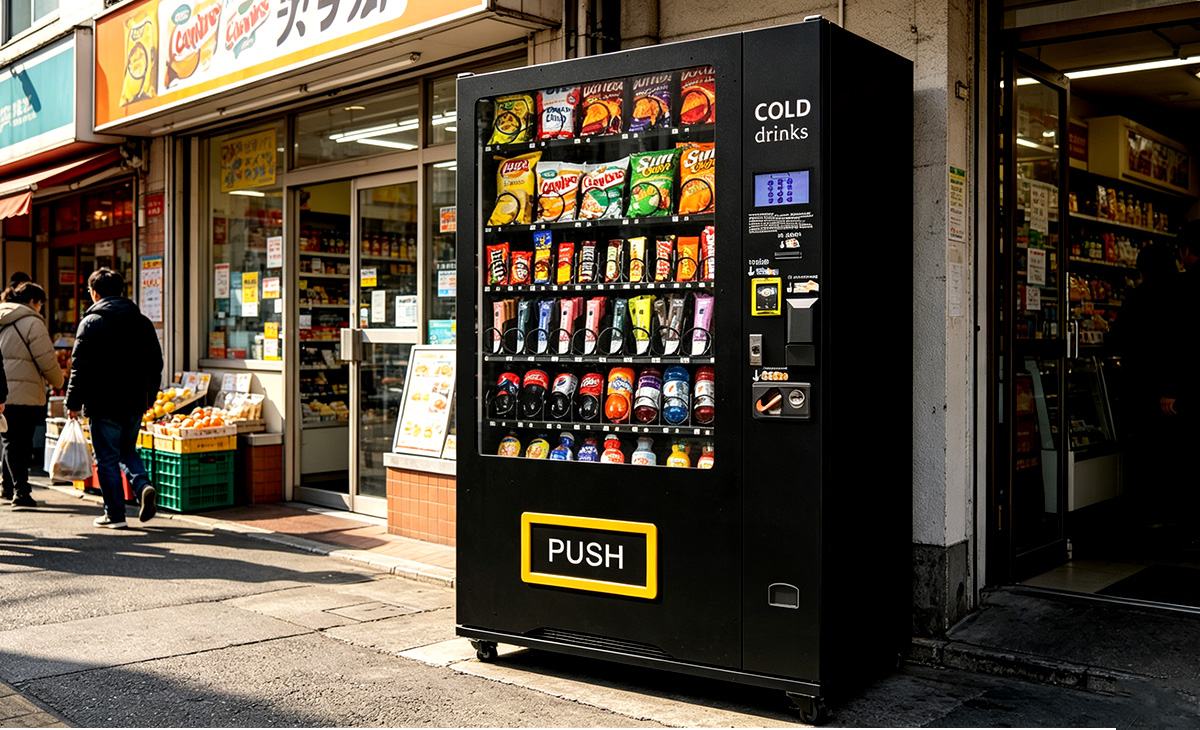
Location is everything. I have tested machines in over 50 different types of locations in the LA area, and I can tell you which ones work and which ones do not. The best locations are places where people are captive and have limited options for buying food or drinks. Think hospitals, schools, office buildings, manufacturing facilities, and gyms. These locations consistently generate the highest revenue per square foot.
Hospitals are particularly good because they operate 24/7 and have a constant flow of staff, patients, and visitors. I have a machine in a large hospital in downtown LA that averages $1,800 per month in sales. The downside is that hospitals often require a formal contract and may ask for a commission of 10% to 20% of sales. Still, the volume makes it worth it.
Office buildings can be hit or miss. A building with 500 employees and no cafeteria is a goldmine. A building with 100 employees and a subsidized cafeteria is a waste of time. Always visit the location in person and observe foot traffic during lunch and break times. Do not rely on the building manager's description. I once placed a machine in a building that was "always busy," only to find out that most employees worked from home three days a week.
Gyms and fitness centers are another strong category. People want cold water, protein shakes, and healthy snacks after a workout. I have seen machines in LA fitness centers generate over $1,000 per month with high margins because the products are premium-priced. Just make sure your machine can handle the humidity and temperature variations if it is placed near a pool or outdoor area.
Public spaces like transit stations and parks can also work, but they come with higher risks of vandalism and theft. If you go this route, invest in a heavy-duty machine with a steel frame and a tamper-proof payment system. I have had machines broken into in less secure areas, and the loss was significant.
Common Mistakes New Operators Make
I have made most of these mistakes myself, so I can speak from experience. The first mistake is buying a used machine without inspecting it thoroughly. Used machines can be a good deal, but many are sold as-is and have hidden problems like corroded wiring, failing compressors, or outdated payment systems that are no longer supported. I bought a used machine once that looked fine but had a refrigerant leak. The repair cost was $700, and I had to wait two weeks for a technician.
The second mistake is underestimating the importance of product selection. You cannot just fill a machine with whatever is on sale at the warehouse. You need to study the demographics of the location. A machine in a high school should have different products than a machine in a medical office. I have seen machines fail simply because the operator stocked them with items that did not match the audience. Use your sales data to adjust your product mix every month. If something is not selling after two weeks, replace it.
The third mistake is ignoring maintenance. A machine that is dirty, has a broken button, or displays an error message will lose customer trust quickly. In Los Angeles, where people have many alternatives, a bad experience with your machine means they will never use it again. I schedule a weekly cleaning and inspection for every machine I operate. It takes time, but it pays off in customer retention.
Another common error is not having a backup plan for machine breakdowns. If your only machine goes down and you cannot fix it quickly, you lose revenue and potentially the location. I always keep a spare machine or have a relationship with a local vending machine repair service that can respond within 24 hours. In Los Angeles, there are several independent repair companies, but they can be expensive. Building a relationship with one before you need them is smart.
How to Evaluate a Vending Machine Investment
Before you buy any machine, you should calculate the potential return on investment. I use a simple formula: take the estimated monthly sales, subtract the cost of goods sold, subtract location commission, subtract labor and maintenance, and then divide by the initial investment. A healthy ROI for a vending machine is between 20% and 40% annually. If the numbers do not add up to at least 20%, I pass on the deal.
For example, a machine that costs $6,000 and generates $1,200 per month in sales with a 35% gross margin will give you about $420 per month in gross profit. After commission and labor, you might net $300 per month. That is $3,600 per year, which is a 60% annual return on the machine cost. That is excellent. But if the same machine only does $600 per month in sales, your net profit drops to around $100 per month, and the ROI falls to 20% or less. The difference is entirely about location and product fit.
I always recommend starting with one or two machines and proving the concept before scaling. Do not buy ten machines at once. Learn the operational side first. Understand how to restock efficiently, how to handle cash, and how to deal with location managers. Once you have a system that works, then you can scale up.
Vending Machine Repair and Maintenance in Los Angeles
Finding a reliable vending machine repair service in Los Angeles is critical. I have used several over the years, and the quality varies a lot. Some technicians are excellent and can diagnose a problem in minutes. Others will charge you for a service call and then tell you they need to order a part that takes two weeks to arrive. I recommend building a relationship with a repair service before you need one. Ask other operators in the area for recommendations. The Los Angeles Vending Association is a good resource for finding vetted technicians.
Preventive maintenance is cheaper than emergency repairs. I replace belts, clean coin mechanisms, and check refrigeration units every six months. This costs about $100 to $200 per visit but can prevent a $500 breakdown later. If you are not comfortable doing this yourself, budget for a professional maintenance contract. Some suppliers, including Zhongda Smart, offer maintenance packages for their machines, which can save you money in the long run.
One thing I have learned is that the payment system is the most common point of failure. Card readers get dirty, connections loosen, and software updates can cause glitches. I always carry a spare card reader in my truck. It costs about $200, but it saves me from losing a full day of sales if the primary one fails.
FAQs About Vending Machines in Los Angeles
Is a vending machine business profitable in Los Angeles?
Yes, it can be profitable if you choose the right location and manage your costs carefully. Based on my experience, a well-placed machine in Los Angeles can generate between $300 and $800 per month in net profit. Your mileage will vary depending on foot traffic, product margins, and location commission.
How much does a vending machine cost?
A new, reliable vending machine costs between $3,000 and $15,000 depending on features. Basic machines with cashless payment systems start around $4,000. High-end smart machines with touchscreens and remote monitoring cost more. Used machines can be found for $1,500 to $3,000, but they often require repairs.
How long does it take to recoup the investment?
Typical payback periods range from 12 to 24 months for a well-performing machine. If your machine generates $400 per month in net profit, a $6,000 machine pays for itself in 15 months. Faster payback is possible in high-traffic locations.
Should a beginner buy or lease a vending machine?
I recommend buying if you have the capital. Leasing often comes with high monthly payments and restrictions. If you are unsure, start with one used machine from a reputable source and learn the business before committing to more.
Where should I place my vending machine in Los Angeles?
Hospitals, office buildings with 200+ employees, gyms, and manufacturing facilities are the best options. Avoid low-traffic areas and locations with existing food service. Always visit the site during peak hours before signing a contract.
What permits do I need in Los Angeles?
You need a business license from the City of Los Angeles. If you sell food or beverages, you may also need a health permit from the Los Angeles County Department of Public Health. Check with the local authorities before installing any machine.
How do I choose a vending machine supplier?
Look for suppliers with a track record of reliability, good after-sales support, and machines that accept modern payment systems. Zhongda Smart is one manufacturer I have worked with that offers solid equipment and US-based support. Always check warranty terms and parts availability.
What happens if my machine breaks down?
You need a plan for repairs. Either learn basic troubleshooting yourself or have a contract with a local vending machine repair service. In Los Angeles, response times vary, so having a spare card reader and common parts on hand can save you days of lost revenue.
How can I reduce restocking and maintenance costs?
Use machines with remote monitoring so you only restock when necessary. Group your machines geographically to reduce travel time. Buy machines with durable components to minimize breakdowns. Regular preventive maintenance is cheaper than emergency repairs.
Final Thoughts on Starting a Vending Machine Business in Los Angeles
Running a vending machine business in Los Angeles is not a passive income scheme. It requires real work, attention to detail, and a willingness to adapt. But if you are willing to put in the effort, it can be a solid source of income that grows over time. I have seen operators build small fleets of 20 or 30 machines that generate a full-time income. I have also seen people give up after six months because they underestimated the operational demands.
My advice is to start small, choose your locations carefully, and invest in quality equipment from a reputable supplier. If you are looking for the best vending machine suppliers in Los Angeles USA, do your homework, ask for references, and visit their facilities if possible. A good supplier will help you succeed because your success is their best marketing. Zhongda Smart is one example of a manufacturer that offers reliable machines and good support, but there are others as well. The key is to find a partner that stands behind their product.
Remember that the vending machine industry is evolving. Smart machines with telemetry, dynamic pricing, and remote inventory management are becoming the norm. If you buy outdated equipment, you will struggle to compete. Invest in technology that gives you data and control. That is the difference between a hobby and a real business.
Finally, be patient. The first few months will be a learning curve. You will make mistakes. I certainly did. But if you keep your costs low, listen to your customers, and move machines that are underperforming, you will build a profitable operation over time.
Disclaimer: The information provided in this article is based on my personal experience as a vending machine operator in the Los Angeles market. Financial figures are estimates and may vary significantly based on location, product selection, and operational efficiency. Always conduct your own due diligence before making any investment decisions.