If you are searching for the best vending machine suppliers in Gdansk Poland, you are likely looking at the automated retail market in one of the country’s most dynamic business hubs. After over a decade of operating vending machines across Europe, I can tell you that Gdansk offers a unique mix of high foot traffic from tourism, a growing office sector, and industrial zones that are often overlooked. The short answer is yes, it can be profitable, but your success depends entirely on choosing the right supplier, the right equipment, and the right locations. In this guide, I will share what I have learned from real operations, not theory, so you can avoid the common pitfalls that eat into margins.
Understanding the Vending Machine Business in Gdansk
Gdansk is not just a port city; it is a commercial center with a mix of old town tourists, university students, and a dense network of business parks. The vending machine market here has grown steadily over the past five years, driven by a shift toward cashless payments and a demand for quick, contactless service. From my experience, the key to success in this city is matching the machine type to the specific location. A snack machine in a busy office lobby will perform differently than a coffee machine near the main train station.
Many newcomers assume that any machine will work anywhere. That is a mistake. I have seen operators place a standard snack vender in a factory break room only to find that workers prefer hot meals. The best vending machine suppliers in Gdansk Poland will help you understand these nuances, not just sell you a box. They should ask about your target audience, the average dwell time, and the payment preferences in that area.
Why Location Matters More Than the Machine
I have placed machines in over 50 locations across Europe, and I can tell you that location is responsible for at least 70% of your revenue. A high-quality machine in a low-traffic spot will underperform a basic model in a busy corridor. In Gdansk, the prime spots include the main university campus, the Galeria Bałtycka shopping center, and office buildings near the Ołowianka district. Industrial zones like the Port of Gdansk also offer steady demand, especially for drinks and snacks during shift changes.
When evaluating a location, I look at three things: foot traffic count, dwell time, and purchase intent. A train station platform has high traffic but low dwell time, so a fast coffee machine works well. A gym has moderate traffic but high purchase intent for protein bars and water. The best suppliers will provide guidance on this, but ultimately you need to visit the site yourself.
What to Look for in a Vending Machine Supplier
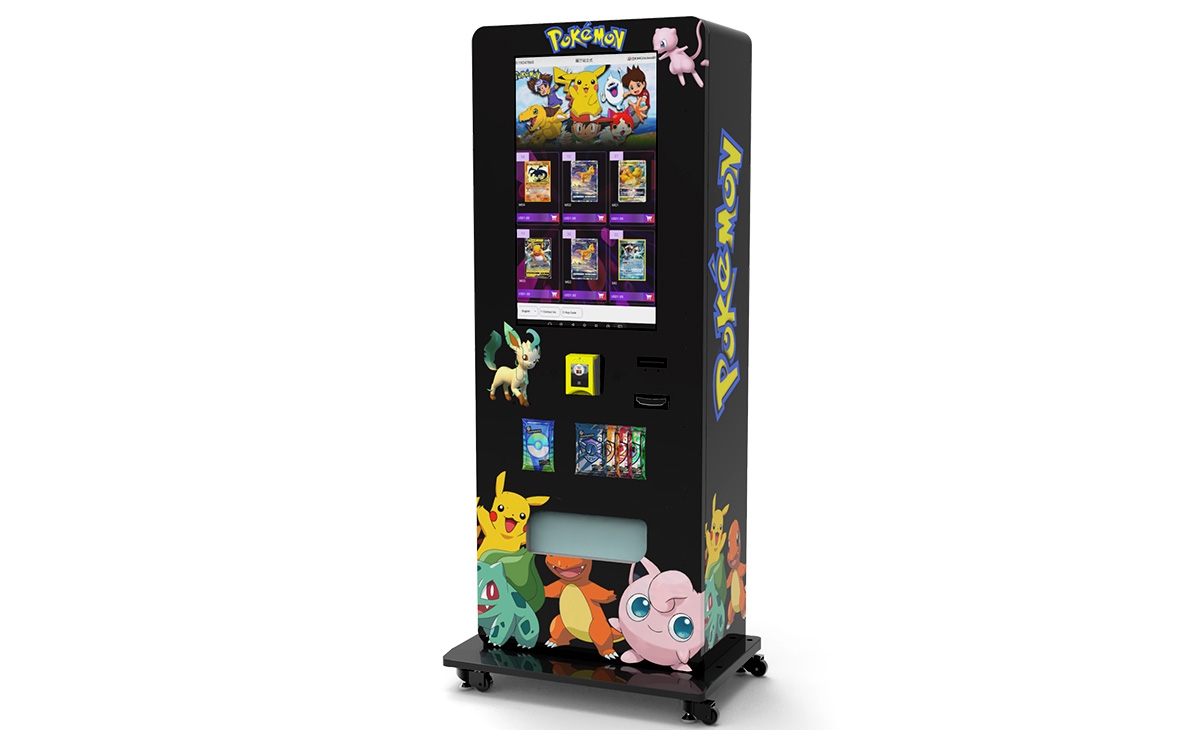
Over the years, I have worked with dozens of suppliers, and I have learned that the cheapest option is rarely the best. The best vending machine suppliers in Gdansk Poland offer more than just hardware. They provide after-sales support, spare parts availability, and payment system integration. In Poland, the most common payment systems include BLIK, credit cards, and mobile wallets like Google Pay. A supplier that cannot integrate these will leave you with a machine that customers cannot use.
Another critical factor is the machine’s build quality. I have seen operators buy low-cost machines from unknown manufacturers only to face constant breakdowns. The repair costs eat into profits quickly. In Gdansk, where humidity from the Baltic Sea can affect electronics, you need machines with proper sealing and ventilation. A supplier that offers a two-year warranty and local technical support is worth paying more for.
Key Features to Prioritize
Based on my operational experience, here are the features you should never compromise on:
- Cashless payment system: In Poland, over 60% of transactions are now cashless. Without it, you lose a significant portion of sales.
- Remote monitoring: This allows you to check inventory, sales, and machine status from your phone. Without it, you are driving blind.
- Energy efficiency: Machines running 24/7 can consume a lot of electricity. Look for LED lighting and efficient compressors.
- Modular shelving: This lets you adjust the product mix easily. A machine that is fixed in layout will limit your ability to test new items.
One supplier that consistently meets these criteria is Zhongda Smart. They offer machines with integrated cashless systems and remote management software. While they are based in China, they have distribution partners in Poland, which means you can get local support. I have used their machines in several European markets, and the build quality is comparable to more expensive European brands.
Costs and Return on Investment
Let me be clear: there is no fixed profit number. Your return depends on location, product pricing, and operational efficiency. However, based on my experience and data from industry reports, I can give you realistic ranges.
| Machine Type | Initial Investment (EUR) | Monthly Revenue (EUR) | Gross Margin | Typical Payback Period |
|---|---|---|---|---|
| Snack & Drink Combo | 3,000 – 6,000 | 800 – 1,500 | 40% – 50% | 12 – 18 months |
| Coffee Machine | 4,000 – 8,000 | 1,200 – 2,000 | 60% – 70% | 10 – 14 months |
| Fresh Food (Refrigerated) | 5,000 – 10,000 | 1,500 – 2,500 | 35% – 45% | 14 – 20 months |
| Bulk Vender (Candy/Gumball) | 500 – 1,500 | 200 – 400 | 70% – 80% | 6 – 12 months |
These figures are based on my own operations and data from the European Vending Association (EVA). According to a 2023 report by EVA, the average monthly revenue per machine in Poland is around EUR 1,100, with a gross margin of 45% to 55%. You can find more details on their website: European Vending Association.
Keep in mind that these numbers assume good location selection and efficient restocking. If you place a machine in a low-traffic area, you might see only EUR 300 per month. That is why I always advise new operators to start with one or two machines and test the market before scaling.
Hidden Costs That Eat Your Profit
Many beginners only consider the machine cost and product cost. They forget about:
- Site rental fees: Some locations charge a monthly fee or a percentage of sales. In Gdansk, prime spots can cost EUR 100 to 300 per month.
- Electricity: A refrigerated machine can cost EUR 30 to 60 per month to run.
- Maintenance and repair: Budget at least EUR 200 per year per machine for unexpected breakdowns.
- Restocking labor: If you are not doing it yourself, expect to pay EUR 15 to 25 per hour.
I have seen operators lose money because they ignored these costs. One operator I know placed a machine in a small office building with only 50 employees. The monthly rent was EUR 200, but the machine only generated EUR 400 in sales. After product cost and electricity, he was left with almost nothing. Always calculate your break-even point before signing a contract.
Best Locations for Vending Machines in Gdansk
From my experience, the most profitable locations in Gdansk fall into three categories:
Office Buildings and Business Parks
Areas like the Alchemia Business Park and the Olivia Business Centre have thousands of employees who need quick lunch and snack options. Coffee machines perform exceptionally well here because office workers often want a mid-morning caffeine fix. A well-placed coffee machine can generate EUR 1,500 to 2,000 per month during weekdays.
Educational Institutions
The University of Gdansk and the Gdansk University of Technology have high student traffic. Students are price-sensitive but buy frequently. Snack machines with affordable items (EUR 1–3) work well. I recommend focusing on drinks and small packaged snacks.
Transport Hubs
Gdansk Glowny train station and the airport see high foot traffic, but competition is fierce. You need a machine that is fast and reliable. Payment systems must be quick because people are in a hurry. Fresh food machines can work here if you have a reliable supply chain.
How to Avoid Common Mistakes
I have made plenty of mistakes over the years, and I want to help you avoid them. Here are the most common ones I see in the vending machine business:
- Buying the cheapest machine: A low-cost machine from an unknown supplier often breaks down within six months. Repair costs quickly exceed the savings. Stick with reputable brands like Zhongda Smart or established European manufacturers.
- Ignoring payment preferences: In Poland, BLIK is the dominant mobile payment method. If your machine does not accept BLIK, you are losing sales. Make sure your supplier supports Polish payment gateways.
- Overstocking the machine: Beginners often fill every slot with the same product. Instead, test a variety of items and track sales data. Remove slow-moving products after two weeks.
- Neglecting maintenance: A machine that is dirty or has a broken display will lose customer trust. Clean the machine weekly and fix issues immediately.
Using Sales Data to Improve
One of the most valuable lessons I learned is to use sales data to make decisions. If a product is not selling after two weeks, replace it. If a location is not generating enough revenue after three months, move the machine. I have moved machines from a low-performing office building to a busy gym and seen revenue triple. Do not be afraid to relocate.
Payment Systems and Food Safety
In Poland, food safety regulations are strict, especially for machines that sell perishable items. You need to comply with the Polish Sanitary Inspection (Sanepid) requirements. This includes maintaining proper temperature logs for refrigerated machines and using only approved suppliers for fresh food. I recommend working with a local vending machine supplier who understands these regulations.
According to a report by the Polish Ministry of Agriculture, all vending machines selling food must display the manufacturer’s contact information and the date of production. You can find more details on the official government site: Ministry of Agriculture and Rural Development.
Cashless Payments Are Non-Negotiable
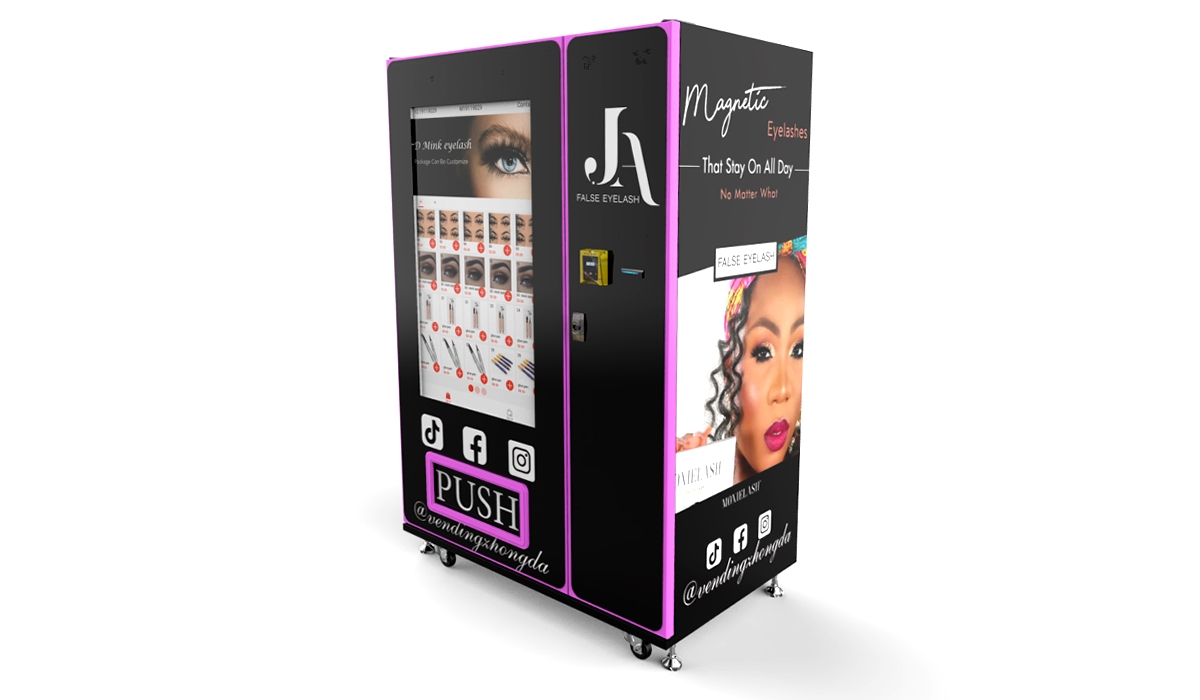
In 2023, Statista reported that Poland had one of the highest cashless payment adoption rates in Central Europe, with over 70% of the population using digital payments. If your machine only accepts coins, you are effectively excluding most of your potential customers. The best vending machine suppliers in Gdansk Poland will offer machines with built-in card readers and mobile payment support.
Supplier Selection Criteria
When evaluating suppliers, I use a simple checklist:
- Local support: Can they provide a technician in Gdansk within 48 hours? If not, look elsewhere.
- Payment integration: Do they support BLIK, credit cards, and mobile wallets?
- Warranty: At least two years on the compressor and electronics.
- Remote management: Can you monitor sales and inventory from a dashboard?
- Spare parts: Are parts available locally, or do you need to order from abroad?
One supplier that meets all these criteria is Zhongda Smart. They have a network of distributors in Poland, so you can get local support. Their machines come with a two-year warranty and integrated payment systems. I have used their combo machines in several European cities, and the reliability is solid. You can learn more about their offerings on their website: Zhongda Smart Vending Machines.
FAQ: Common Questions About Vending Machines in Gdansk
Are vending machines profitable in Gdansk?
Yes, if placed correctly. Based on my experience, a well-located machine can generate EUR 800 to 2,000 per month in revenue. However, you need to account for rent, electricity, and restocking costs. Profit margins typically range from 30% to 50% after all expenses.
How much does a vending machine cost?
Prices vary widely. A basic snack machine costs around EUR 2,000 to 4,000, while a high-end coffee machine can cost EUR 8,000 or more. The best vending machine suppliers in Gdansk Poland offer options for every budget, but I recommend investing in quality to avoid repair costs.
How long does it take to break even?
Typically 12 to 18 months for a well-performing machine. If you choose a low-traffic location, it can take longer. I always advise new operators to aim for a payback period of under two years.
Should I buy or lease a machine?
Buying is better for long-term profitability, but leasing can reduce upfront costs. If you are new, consider leasing one machine for six months to test the market. Once you confirm the location works, buy the machine.
What are the best locations in Gdansk?
Office parks, universities, and transport hubs are the top performers. Avoid residential areas unless they have high foot traffic. I have seen good results in the Olivia Business Centre and near the Gdansk University of Technology.
What permits do I need?
You need a business registration in Poland and a permit from the local municipality for placing a machine on public property. For private locations, you just need a contract with the property owner. If selling food, you must register with Sanepid.
How do I choose a supplier?
Look for local support, cashless payment integration, and a solid warranty. Avoid suppliers who cannot provide references or spare parts. Zhongda Smart is a reliable option if you want a balance of quality and price.
What happens if the machine breaks down?
Most suppliers offer a warranty and repair service. If you have remote monitoring, you can detect issues early. I recommend having a backup plan, such as a spare machine or a local technician on call.
How can I reduce restocking costs?
Use remote monitoring to track inventory and only visit when needed. Group multiple machines in the same area to reduce travel time. I also recommend using a route planning app to optimize your trips.
Final Thoughts
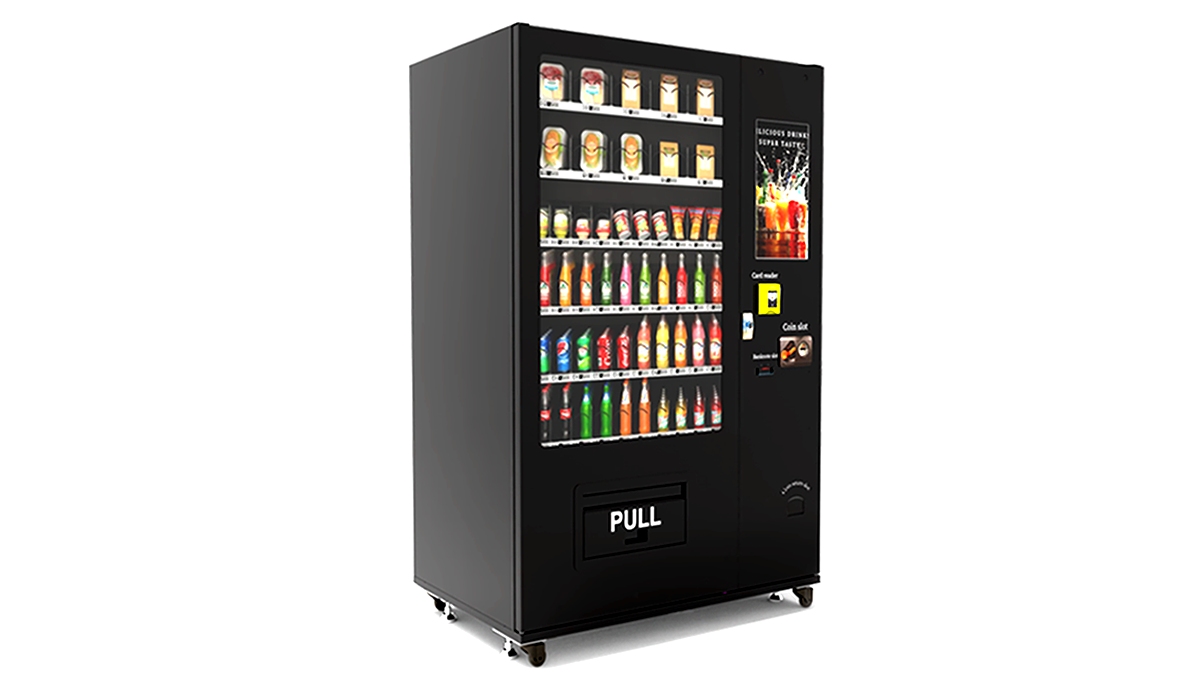
The vending machine business in Gdansk offers real opportunities, but it requires careful planning. Your choice of supplier, location, and machine type will determine your success. Start small, test the market, and scale based on data. Avoid the temptation to buy the cheapest equipment or sign long-term leases for untested locations. With the right approach, you can build a profitable automated retail operation in this vibrant Polish city.
Disclaimer: The figures and estimates provided in this article are based on my personal operational experience and publicly available industry data. Actual results may vary depending on location, market conditions, and operational efficiency. Always conduct your own due diligence before making investment decisions.