I have spent over a decade in the vending machine business across the US and Europe, and I have seen the debate about why should vending machines be allowed in schools play out in real time. The short answer is that modern automated retail offers schools a way to provide healthier food options, reduce cafeteria lines, and generate a small revenue stream—without the junk food stigma of the past. When I started, most school administrators were skeptical. Today, after helping place hundreds of units in educational settings, I can tell you that the right machine, stocked with the right products, solves more problems than it creates. This guide covers everything I have learned about selecting equipment, choosing locations, managing costs, and avoiding the mistakes that sink new operators.
The Shift in School Vending: What Has Changed
Fifteen years ago, putting a vending machine in a school meant soda and candy bars. Parents hated it, and health advocates had a point. The landscape has shifted dramatically. In the US, the Healthy, Hunger-Free Kids Act of 2010 pushed schools toward smarter snack options. In Europe, countries like France and the UK have tightened regulations on what can be sold to minors. I have seen machines in German gymnasiums stocked with protein bars and bottled water, and in Dutch secondary schools with fresh fruit and yogurt. The old model is dead. The new model focuses on nutrition, portion control, and convenience.
According to a 2022 report from the Centers for Disease Control and Prevention (CDC), about 43% of US middle and high schools still have vending machines, but the products have shifted significantly toward healthier choices. This shift is why I now advise school boards to consider vending not as a junk food outlet but as a complement to their food service program. When done right, a machine can serve students who miss breakfast, need a quick snack between classes, or want a drink after sports practice.
Why Should Vending Machines Be Allowed in Schools? The Practical Case
I often get asked this question by parents and administrators. My answer is always the same: controlled access to food and drink is better than no access. Students will eat. They will find snacks somewhere. A school-operated vending machine gives you control over what they consume. You can set nutritional standards, limit sugar, and offer portion-controlled items. You cannot control what they buy at the corner shop or bring from home.
Another practical reason is operational efficiency. School cafeterias have fixed hours. A vending machine runs 24/7. For students in after-school programs, sports, or study groups, that machine is a lifeline. I have placed machines in school libraries and gym lobbies, and the usage data shows peak demand between 3 PM and 6 PM—exactly when the cafeteria is closed. This is not about replacing meals. It is about filling a gap.
Revenue is a secondary but real benefit. A well-placed machine in a school of 1,000 students can generate between $800 and $1,500 per month in gross sales, depending on the product mix. That money often goes back into the school—funding clubs, sports equipment, or library resources. I have seen schools use vending profits to buy new computers. That is hard to argue against.
Healthier Options Are Now Standard
The biggest change I have witnessed is the availability of healthy vending products. When I started, finding a healthy snack for a machine was a challenge. Now, suppliers offer everything from baked chickpea snacks to organic fruit bars. Many machines can be set to dispense items that meet specific calorie, sugar, and fat limits. In some European schools, I have seen vending machines that offer fresh sandwiches, salads, and cut vegetables. These are not traditional vending machines—they are self-service kiosks with refrigeration and smart inventory tracking.
The key is to match the product mix to the school's wellness policy. I always recommend involving a nutritionist or the school nurse in the product selection process. This builds trust and ensures the machine supports the school's health goals rather than undermining them.
Types of Vending Machines Suitable for Schools
Not all vending machines are created equal. I have made the mistake of placing the wrong type of machine in a school, and it cost me time and money. Here is what I have learned about matching equipment to the environment.
Snack and Beverage Machines
These are the most common. A standard snack machine holds 30 to 50 selections, and a beverage machine holds 300 to 500 cans or bottles. For schools, I prefer machines with glass fronts and LED lighting. Students are visual buyers. If they can see the product, they are more likely to purchase. I also recommend machines with a "healthy" section clearly marked. Some newer models allow you to set pricing tiers, so healthy items can be priced lower than traditional snacks.
Fresh Food and Refrigerated Machines
These are becoming more popular in secondary schools and universities. A refrigerated machine can hold sandwiches, salads, yogurt, cheese sticks, and fresh fruit. The challenge is shelf life. You need a reliable supply chain and a regular restocking schedule. I have seen schools partner with the cafeteria to use leftover kitchen stock in the machine. This reduces waste and keeps the machine filled with fresh items. The cost for a refrigerated machine is higher—typically $5,000 to $8,000 new—but the per-item profit margin is also higher.
Combo Machines
A combo machine offers both snacks and drinks in a single unit. These are space-efficient and work well in smaller schools or break rooms. However, they have less capacity than two separate machines. I usually recommend a combo machine for schools with fewer than 300 students. For larger schools, separate machines allow for better inventory management and faster restocking.
Cost Breakdown: What You Need to Invest
One of the first questions I get from school administrators is about cost. Here is a realistic breakdown based on my experience and industry data from IBISWorld (2023 Vending Machine Operations Industry Report). Costs vary by region, but these numbers will give you a solid starting point.
| Machine Type | New Cost (USD) | Used Cost (USD) | Monthly Revenue Potential | Typical Margin |
|---|---|---|---|---|
| Standard Snack Machine | $3,000 – $5,000 | $1,500 – $2,500 | $400 – $800 | 30% – 40% |
| Beverage Machine (can/bottle) | $4,000 – $7,000 | $2,000 – $3,500 | $500 – $1,200 | 25% – 35% |
| Refrigerated Fresh Food Machine | $5,000 – $8,000 | $2,500 – $4,000 | $600 – $1,500 | 35% – 45% |
| Combo Snack & Drink Machine | $5,500 – $9,000 | $3,000 – $5,000 | $700 – $1,400 | 30% – 40% |
These are gross revenue numbers. You need to subtract the cost of goods sold, which typically runs 55% to 70% of the sale price. That means a machine doing $1,000 in monthly sales might generate $300 to $450 in gross profit before other expenses. From that, you pay for restocking labor, machine maintenance, electricity, and any location commission. A typical school commission is 10% to 20% of gross sales, though some schools take a flat monthly fee instead.
According to Statista, the average vending machine in the US generated about $76 per week in sales in 2022. That number is lower for schools because of lower traffic during holidays and summer breaks. You need to account for these seasonal dips when calculating your return on investment.
Return on Investment: How Long Until You Break Even
I have seen machines pay for themselves in six months, and I have seen machines sit for two years before turning a profit. The difference is location and management. For a school placement, here is a realistic timeline based on my portfolio.
If you buy a used snack machine for $2,000 and place it in a school with 800 students, you might average $600 in monthly sales. With a 35% margin, that is $210 per month in gross profit. After a 15% commission to the school ($90) and restocking costs ($40), you are left with $80 per month. At that rate, the machine pays for itself in 25 months. If you buy new for $4,000, the payback period stretches to about 50 months.
This is why I recommend starting with used or refurbished equipment for school placements. The margins are thin, and you want to minimize your capital outlay. Once the machine is paid off, the cash flow becomes more attractive. I have machines that have been running for seven years with only minor repairs. The long-term income is solid, but you need patience.
One thing that speeds up ROI is higher traffic. A machine in a school hallway with 2,000 students passing daily will outperform a machine in a remote corner of the building. I always negotiate for a high-traffic location before agreeing to a placement. If the school wants the machine in a low-traffic area, I ask for a lower commission or a guaranteed minimum revenue.
How to Choose a Vending Machine Supplier
I have bought machines from dozens of suppliers over the years. Some were excellent. Some were disasters. Here is what I look for now.
First, I want a supplier that offers local service or has a reliable network of technicians. Vending machine repair is not something you want to handle yourself if you are running multiple locations. A broken machine loses money every day it sits idle. I have worked with Zhongda Smart on several projects, and their equipment has been reliable. They offer a range of machines suitable for schools, including models with cashless payment systems and remote monitoring. Remote monitoring is a game-changer. It lets you see inventory levels, sales data, and machine status from your phone. I will not buy a machine without it now.
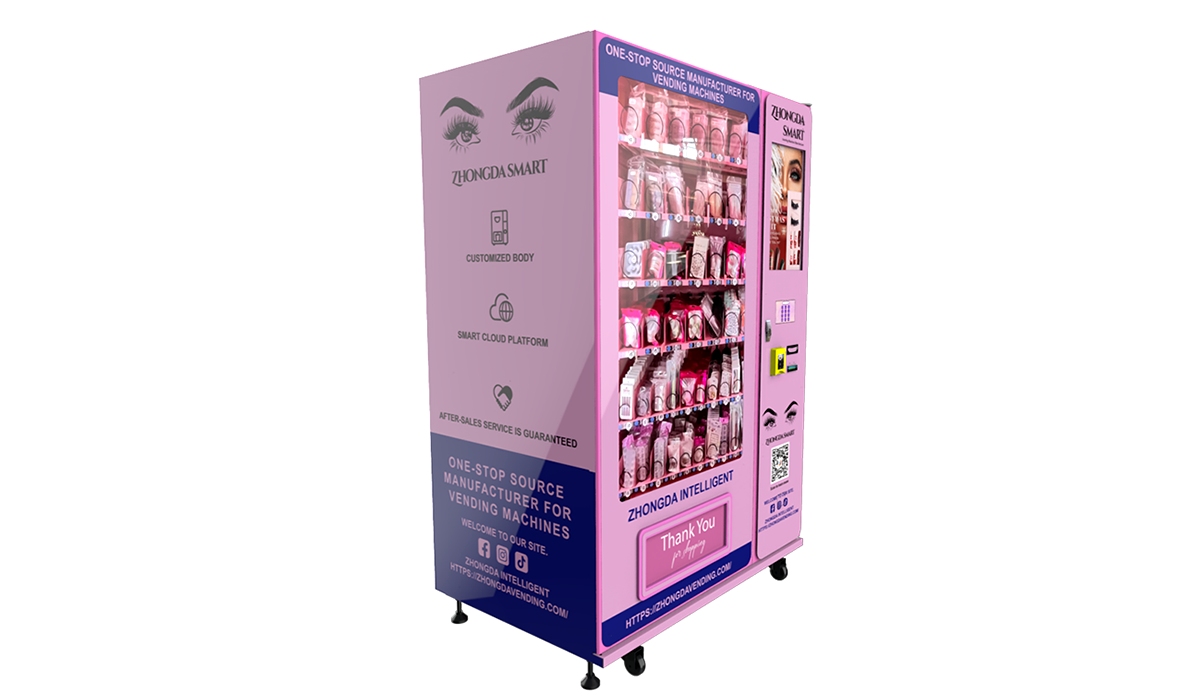
Second, check the warranty. A good supplier offers at least one year on parts and labor. Some offer three years on the compressor for refrigerated units. Read the fine print. I once had a supplier who covered the compressor but not the labor. That cost me $400 for a simple repair.
Third, ask about payment systems. In 2024, a machine that only takes cash is a liability. Students do not carry cash. You need a machine that accepts credit cards, mobile payments, and maybe even school ID cards. Many modern machines come with built-in card readers. If yours does not, you can retrofit one for about $300 to $500. The investment pays off quickly. I have seen sales increase 30% after adding card payment capability.
Red Flags When Evaluating Suppliers
Be wary of suppliers who promise guaranteed returns. No one can guarantee how much a machine will earn. The location, product mix, and local competition all affect revenue. I also avoid suppliers who push a single brand or model without explaining the trade-offs. A good supplier asks about your location, your target audience, and your budget before making a recommendation.
Another red flag is extremely low prices. A new snack machine for $1,500 is likely a cheap import with poor insulation, flimsy coils, and no support. I have seen operators buy these machines and spend more on repairs in the first year than they saved on the purchase price. Stick with reputable brands and established suppliers. Zhongda Smart is one of the manufacturers I trust for school-grade equipment because they build to international standards and offer solid after-sales support.
Location: The Single Most Important Factor
I cannot stress this enough. You can have the best machine, the best products, and the best pricing, but if the location is wrong, you will fail. I have pulled machines from schools that looked great on paper but had zero foot traffic. Here is what I look for in a school location.
I want the machine in a high-traffic, visible area. The cafeteria entrance, the gym lobby, the main hallway near the office—these are prime spots. I avoid placing machines in isolated hallways, basements, or areas that are locked after school hours. If the machine is only accessible during school hours, you lose the after-school and evening market, which is often the most profitable.
I also consider the student body size. A school with fewer than 300 students is unlikely to generate enough sales to justify a machine unless the per-student spending is high. For elementary schools, the demand is lower because younger children have less pocket money. Middle and high schools are the sweet spot. I have had excellent results in schools with 800 to 1,500 students.
Another factor is competition. If the school has a cafeteria that sells similar items at lower prices, your machine will struggle. I always ask about the cafeteria menu and pricing before placing a machine. Ideally, the machine offers items that are not available in the cafeteria, like protein shakes, bottled water, or premium snacks.
Case Study: A Failed Placement and What I Learned
Early in my career, I placed a snack machine in a high school in a small town. The school had 900 students, and the location seemed good—right outside the gym. But the machine failed. I lost money for six months before pulling it. The problem was the product mix. I had stocked it with standard chips, candy, and soda. The school had a strong wellness program, and students were used to buying fruit and yogurt from the cafeteria. My machine looked like a relic from the 1990s. I should have stocked it with healthier options and a few premium items. I also should have talked to the students first. I learned that lesson the hard way.
Now, I always survey the school community before placing a machine. I ask students what they would buy. I ask the cafeteria staff what is popular. I check the school's wellness policy. This upfront research takes a few hours but saves months of losses.
Operational Costs You Cannot Ignore
Many new operators focus only on the machine cost and forget the ongoing expenses. Here are the real costs I budget for.
Restocking labor is the biggest ongoing cost. If you are doing it yourself, you need to factor in your time. If you hire someone, expect to pay $15 to $25 per hour. A typical school machine needs restocking once a week, which takes about 30 to 45 minutes. That is $10 to $20 per visit. Over a year, that adds up to $500 to $1,000 per machine.
Product cost is the other major expense. You buy the snacks and drinks at wholesale prices, typically 55% to 70% of the retail price. If you sell a candy bar for $1.50, you paid about $0.90 for it. The remaining $0.60 is your gross profit before other expenses. This is why volume matters. Higher sales volume means more profit dollars even if the margin is thin.
Electricity costs vary by machine type. A refrigerated machine uses more power than a snack-only machine. I budget about $30 to $60 per month per machine for electricity. In some schools, the administration covers this as part of the location agreement. Always ask.
Maintenance and repair costs are unpredictable. I set aside 10% of gross sales for repairs. Some months, you spend nothing. Other months, you get a $400 repair bill. Over the long term, the 10% reserve covers most issues. Common problems include jammed coils, faulty card readers, and refrigeration failures. A good preventive maintenance program reduces these issues. I clean the machines quarterly and check the seals, coils, and payment systems.
Payment Systems and Technology
I mentioned this earlier, but it deserves its own section. The payment system is the most important feature of a modern vending machine. In 2024, cash is dying. I have machines where 80% of transactions are via card or mobile payment. If your machine only takes cash, you are leaving money on the table.
I recommend machines with NFC readers that accept Apple Pay, Google Pay, and contactless cards. Some schools also use prepaid cards that students load at the office. This is a great option because it keeps money within the school and reduces the risk of theft. I have worked with schools that integrated the vending machine with their existing student ID system. That is the gold standard—students tap their ID card, and the purchase is deducted from their account.
Remote monitoring is another technology I will not operate without. It tells me exactly what sold, when it sold, and how much inventory is left. I can adjust pricing remotely and get alerts if a machine is down. This saves me hours of driving to check machines that are fine. I have cut my route time by 40% since adopting remote monitoring.
Legal and Regulatory Considerations
Every country and region has different rules about vending machines in schools. In the US, the Smart Snacks in School standards set nutrition guidelines for all foods sold on campus. In the European Union, regulations vary by member state. France, for example, banned vending machines in schools in 2005, but some schools have found workarounds by placing machines in areas not considered part of the school, like the gym or the administrative building. Always check local laws before investing.
I also recommend getting a written agreement with the school. The agreement should cover the commission structure, the product approval process, maintenance responsibilities, and the duration of the placement. A handshake deal is not enough. I have seen schools change administrators and try to renegotiate terms. A written contract protects both parties.
Food safety is another concern, especially for refrigerated machines. You need to ensure the machine maintains proper temperatures. Most modern machines have temperature logs that you can review remotely. I also label all products with expiration dates and train my restockers to rotate stock. In some jurisdictions, you need a food handling permit to operate a fresh food machine. Check with the local health department.
Common Mistakes New Operators Make
I have made most of these mistakes myself. Here are the ones I see most often.
Buying the cheapest machine. I already covered this. Cheap machines break, and repairs eat your profit. Buy quality equipment from a reputable supplier. You will thank yourself later.
Ignoring the product mix. I have seen operators stock a machine with the same items they liked. That is a recipe for failure. You need to stock what the students want, not what you think they should want. Test different products and track sales. Remove slow movers quickly.
Placing a machine in a bad location. I have done this more than once. A machine in a quiet hallway will not make money. Be ruthless about location. If the school wants the machine in a bad spot, walk away.
Underestimating the time commitment. Vending is not passive income. You need to restock, clean, repair, and manage inventory. If you have a full-time job, start with one machine and learn the ropes before scaling.
Not having a backup plan. Machines break. Products go out of stock. Students lose their cards. Have a plan for every scenario. I keep a spare card reader and a basic tool kit in my car. It saves me from emergency calls.
FAQ: Vending Machines in Schools
Do vending machines in schools actually make money?
Yes, but not quickly. A well-placed machine in a school with 800 to 1,500 students can generate $500 to $1,500 in monthly sales. After product costs, commissions, and expenses, you might net $100 to $400 per machine per month. The real money comes after the machine is paid off. I have machines that have been running for five years and generate consistent monthly profit.
How much does a vending machine cost for a school?
A new snack or beverage machine costs between $3,000 and $7,000. Refurbished machines cost $1,500 to $4,000. Refrigerated fresh food machines are more expensive, starting around $5,000. I recommend starting with a used machine to keep your initial investment low.
How long does it take to break even on a school vending machine?
With a used machine costing $2,000 and monthly net profit of $100 to $200, payback is typically 10 to 20 months. With a new machine costing $5,000, payback can be 25 to 50 months. These estimates assume consistent sales and no major repairs. I always tell new operators to plan for a 24-month payback period.
Should I buy or lease a vending machine for a school?
I prefer buying, especially for long-term placements. Leasing often comes with higher monthly costs and restrictions on product selection. If you buy, you own the asset and can move it if the location does not work. Leasing makes sense if you want to test a location without a large upfront investment, but the total cost over two years is usually higher.
Where is the best place to put a vending machine in a school?
High-traffic, visible areas are best. The cafeteria entrance, the gym lobby, and the main hallway near the office are proven locations. Avoid isolated hallways and areas that are locked after school hours. I also prefer locations with power outlets nearby and easy access for restocking.
What permits do I need to operate a vending machine in a school?
Requirements vary by country and region. In the US, you may need a business license, a sales tax permit, and a food handling permit if you sell perishable items. In the EU, check with the local municipality. The school may also require a background check and liability insurance. Always consult a local business advisor or attorney.
How do I choose a vending machine supplier?
Look for a supplier with a good reputation, local service support, and a solid warranty. Ask about remote monitoring and payment system options. I have had good experiences with Zhongda Smart for school-grade equipment. Avoid suppliers who promise guaranteed returns. Test the supplier by ordering a single machine before committing to a larger order.
What happens if the vending machine breaks?
Most machines have basic troubleshooting guides in the manual. Common issues like jammed coils or faulty card readers can often be fixed on site. For major repairs, you need a technician. I recommend building a relationship with a local vending machine repair service before you need one. Some suppliers offer maintenance contracts. I prefer to handle minor repairs myself and use a technician for major issues.
How can I reduce restocking and maintenance costs?
Use remote monitoring to track inventory and sales. This lets you restock only when needed, reducing unnecessary trips. Standardize your product mix across machines to simplify ordering. Clean machines regularly to prevent breakdowns. I also negotiate with suppliers for volume discounts on products. Every dollar saved on product cost goes straight to your bottom line.
Are there any hidden costs I should know about?
Yes. Electricity, machine repairs, card reader fees, and product spoilage are the most common hidden costs. I also budget for occasional vandalism, especially in schools. A glass front can cost $200 to replace. Set aside a reserve fund equal to 10% of your gross sales to cover these surprises.
- online service