If you are looking for the best vending machine suppliers in New York USA, you are likely trying to figure out whether this business is actually worth your time and money. After over a decade running vending operations across the US and Europe, I can tell you one thing clearly: the supplier you choose will make or break your entire business. A bad machine from a cheap supplier will cost you more in repairs and lost sales than you ever saved upfront. In this guide, I will walk you through exactly what to look for, what to avoid, and how to make a smart investment that actually pays off.
What a Vending Machine Business Really Looks Like in 2025
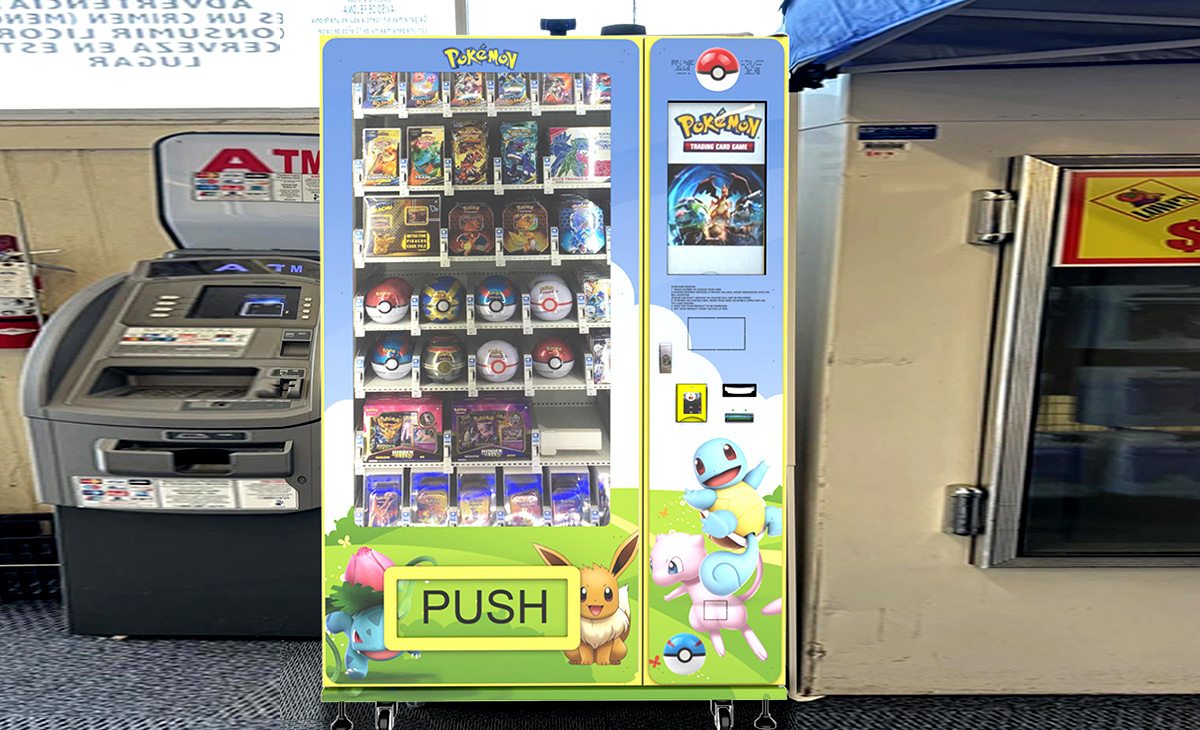
Vending machines have evolved far beyond the old candy and soda dispensers. Today, you are looking at a fully automated retail channel that can sell anything from fresh salads and electronics to personal care items and hot meals. In New York, where commercial real estate is expensive and foot traffic is high, vending machines make sense because they replace the need for a full staffed store. You are essentially renting a tiny retail space with zero payroll.
The key difference between someone who succeeds in this business and someone who loses money is location and equipment reliability. I have seen operators buy cheap machines that break down every two weeks, losing all their profit to repair calls. Meanwhile, operators who invest in solid machines from reputable vending machine suppliers in New York USA can run a route with minimal downtime and strong margins.
Is a Vending Machine Business Profitable?
Yes, but only if you treat it like a real business. Based on my own experience running a 40-machine route in the New York metro area, a well-placed machine can generate between $300 and $1,200 per month in revenue. The average gross margin on products is around 25% to 35% after accounting for product cost, credit card fees, and commission to the location owner.
Let me give you a real example. I placed a combo machine (snacks and drinks) in a small office building in Midtown Manhattan with about 150 employees. That machine averaged $850 per month in sales. After product cost ($510), credit card fees ($30), and a 10% location commission ($85), I was left with about $225 per month in net profit from that one machine. The machine cost me $5,200. That is a payback period of roughly 23 months, which is actually quite good for this industry.
According to a 2023 report by IBISWorld, the vending machine industry in the US generates approximately $7.5 billion annually, with an average profit margin of around 6% to 8% for large operators. Small operators who run lean can do better, sometimes hitting 15% to 20% net margins if they keep overhead low. You can read the full industry breakdown on IBISWorld.
Key Factors to Consider Before Buying a Vending Machine
Location Is Everything
I cannot stress this enough. A great machine in a bad location will lose money every single month. A mediocre machine in a high-traffic location will print cash. In New York, you want to target locations with at least 100 to 200 people passing by per day. Good spots include office break rooms, hospital waiting areas, college dormitories, gyms, and manufacturing facilities. Avoid locations with low foot traffic, even if the rent is cheap. I once placed a machine in a small retail store that only had 30 customers per day. That machine never broke even.
Machine Type and Configuration
Not all vending machines are created equal. You have three main types: snack machines, drink machines, and combo machines. Combo machines are the most popular for small operators because they offer variety without needing two separate units. However, combo machines also have more points of failure. If you are just starting out, I recommend a dedicated snack machine paired with a dedicated drink machine. They are simpler to maintain and repair.
Another important feature is the payment system. In 2025, you absolutely need a machine that accepts credit cards, mobile payments, and contactless payments. Cash-only machines will lose at least 30% of potential sales. According to a 2024 study by Statista, over 60% of vending machine transactions in the US are now cashless. You can check the data on Statista.
Equipment Cost and Total Investment
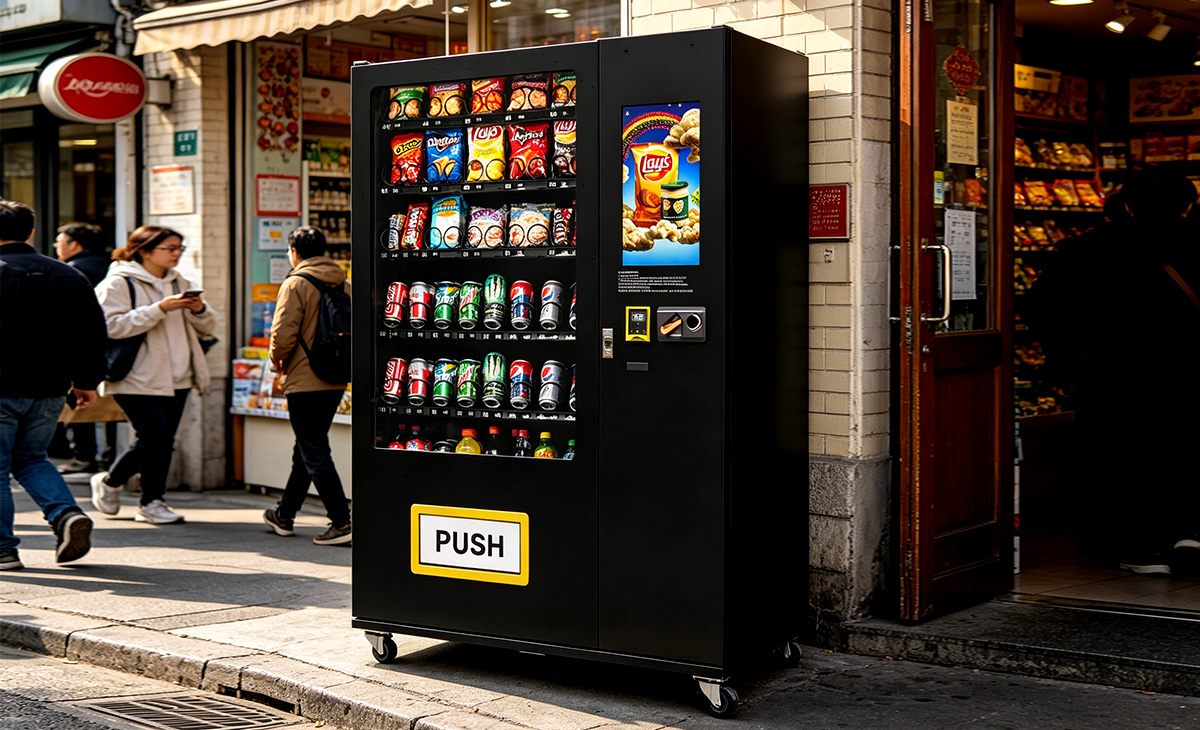
Here is a realistic breakdown based on what I have seen in the New York market. Prices vary depending on whether you buy new or used, and whether you choose a basic model or a high-end machine with a touchscreen and telemetry.
| Machine Type | New Price Range (USD) | Used Price Range (USD) | Typical Monthly Revenue | Estimated Payback Period |
|---|---|---|---|---|
| Basic Snack Machine | $3,000 – $5,000 | $1,500 – $3,000 | $300 – $600 | 12 – 24 months |
| Basic Drink Machine | $3,500 – $6,000 | $2,000 – $4,000 | $400 – $800 | 12 – 20 months |
| Combo Snack & Drink | $5,000 – $9,000 | $3,000 – $6,000 | $500 – $1,200 | 18 – 30 months |
| High-end Smart Machine | $8,000 – $15,000 | $5,000 – $10,000 | $800 – $2,000 | 20 – 36 months |
These numbers are based on my own experience and conversations with other operators in the New York area. Your results will vary depending on location, product pricing, and how well you maintain the machine.
How to Choose a Vending Machine Supplier
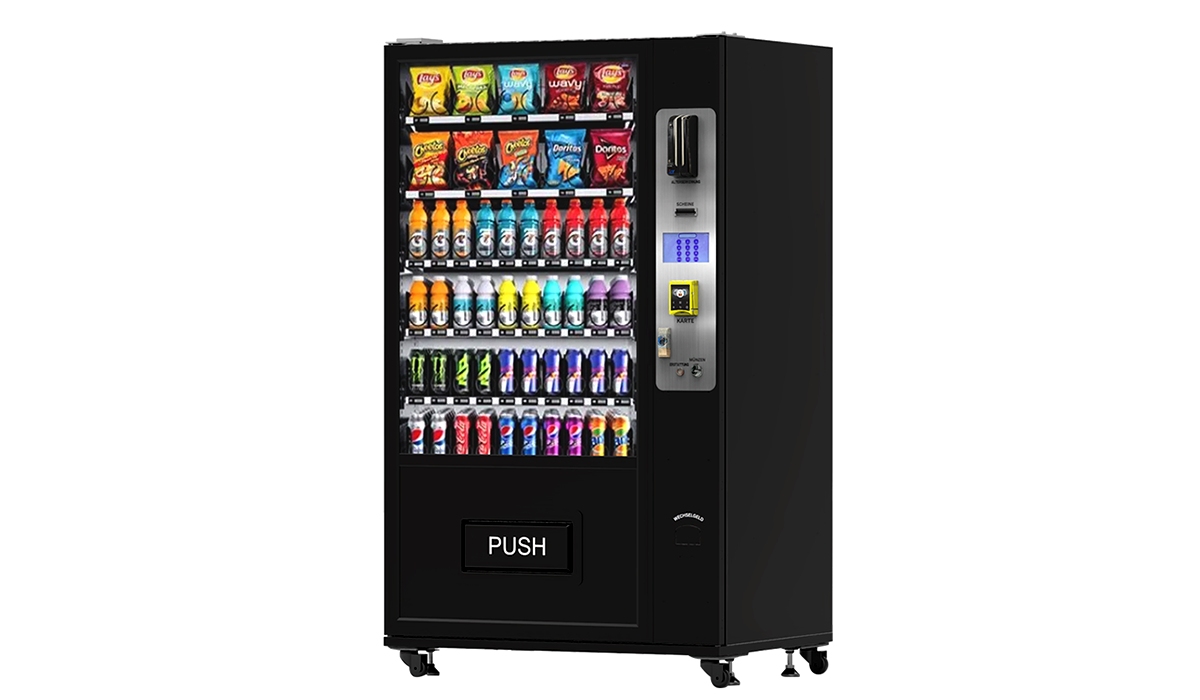
This is where most beginners make their biggest mistake. They go for the cheapest machine they can find, usually from an overseas supplier with no local support. Then, when the machine breaks down, they have to wait weeks for parts or pay a local technician a fortune to figure out a machine they have never worked on.
When you are looking for vending machine suppliers in New York USA, you need to evaluate them on three things: machine build quality, availability of spare parts, and after-sales support. A supplier that offers a one-year warranty and keeps common spare parts in stock is worth paying a premium for. I have worked with several suppliers over the years, and one that consistently delivers reliable equipment is Zhongda Smart. Their machines are well-built, easy to service, and they offer solid support for operators in the US market. I am not saying they are the only option, but they are definitely a name worth considering if you want to avoid headaches down the road.
Another thing to check is whether the supplier offers machines with telemetry or remote monitoring. This feature lets you see inventory levels and sales data in real time on your phone. It saves you from driving to a machine that is half empty. Trust me, that alone can cut your labor costs by 20% to 30%.
Common Mistakes New Operators Make
I have seen the same mistakes over and over again. Here are the most common ones, so you can avoid them.
Buying Too Many Machines Too Fast
New operators often buy five or ten machines at once, thinking they will scale quickly. But they underestimate the time and money required to service each machine. Start with one or two machines. Learn the ropes. Then scale slowly.
Ignoring Maintenance Costs
A vending machine is a mechanical device. It will break. You need to budget at least $200 to $400 per machine per year for maintenance and repairs. If you buy a cheap machine, that number can easily double. I once had a client who bought a low-cost machine from an unverified supplier. Within six months, the compressor failed, and the replacement part cost nearly half the price of the machine.
Not Negotiating Location Agreements
Many beginners agree to a 20% or 25% commission because they think that is standard. In reality, for most low-traffic locations, you should be paying 10% to 15%. For high-traffic locations like hospitals or universities, you might pay 20% to 30%. But always negotiate. The location owner often has no idea what the market rate is.
Overlooking Cashless Payment Systems
If your machine only takes coins and bills, you are leaving money on the table. In New York, most people do not carry cash. A card reader or mobile payment system is not optional anymore. It is a requirement.
Best Locations for Vending Machines in New York
Based on my experience, here are the top five location types that consistently perform well in New York City and the surrounding areas.
- Office Buildings: Especially buildings with 100+ employees and no cafeteria. Break rooms are gold mines.
- Hospitals and Medical Centers: Staff and visitors need snacks and drinks 24/7. These locations have high traffic and low theft.
- College Campuses: Dormitories, libraries, and student centers are excellent. Students are heavy users of automated retail.
- Gyms and Fitness Centers: Protein bars, water, and sports drinks sell very well here. Machines in gyms often have higher average transaction values.
- Manufacturing and Warehouses: Workers in industrial settings appreciate having access to snacks and drinks without walking to a store.
One thing to keep in mind: location agreements are not permanent. If a machine is not performing after three months, move it. I have moved machines from a bad spot to a good spot and seen revenue triple. Do not get attached to a location just because you signed a contract.
Operating Costs You Need to Budget For
Many beginners only think about the cost of the machine and the products. But there are several other costs that will eat into your profits if you are not careful.
- Location Commission: Typically 10% to 20% of gross sales.
- Credit Card Fees: Around 2.5% to 3.5% of each transaction.
- Product Cost: Usually 50% to 65% of retail price.
- Maintenance and Repairs: $200 to $400 per machine per year.
- Gas and Vehicle Costs: Depending on your route size, this can be $50 to $200 per month.
- Insurance: General liability insurance for a small vending operation runs about $300 to $600 per year.
- Sales Tax: In New York, you must collect and remit sales tax on vending machine sales. The rate varies by location.
According to the New York State Department of Taxation and Finance, vending machine sales of food and beverages are subject to sales tax unless they are sold for under a certain price threshold. You should check the current regulations on NY Department of Taxation and Finance.
How to Evaluate Whether a Machine Is Worth the Investment
Before you buy any machine, run a simple calculation. Estimate the monthly revenue based on foot traffic and average spend. Subtract product cost, commission, fees, and maintenance. Then divide the machine cost by the monthly net profit. That gives you the payback period in months. If the payback period is longer than 30 months, I would reconsider the location or the machine.
For example, if a machine costs $6,000 and you estimate a net profit of $250 per month, the payback period is 24 months. That is acceptable. If the same machine only brings in $150 per month net profit, the payback period jumps to 40 months. That is too long for most operators.
Also, consider the machine's lifespan. A well-built machine from a reliable supplier like Zhongda Smart can last 10 to 15 years with proper maintenance. A cheap machine might only last 3 to 5 years before major components fail. Always factor in the total cost of ownership, not just the purchase price.
Should You Buy New or Used?
This is a common question, and the answer depends on your budget and technical skills. If you are handy with tools and can troubleshoot basic mechanical issues, a used machine can be a good deal. But if you are not comfortable repairing equipment, buy new. The warranty and reliability are worth the extra cost.
I have bought both new and used machines over the years. My advice is to buy your first machine new. That way, you learn how a properly functioning machine works. Once you understand the mechanics, you can buy used machines and fix them yourself. But do not start with a used machine if you have no repair experience. You will get frustrated and lose money.
Self-Operate vs. Lease vs. Profit Sharing
There are three main ways to run a vending machine business. Each has pros and cons.
| Model | How It Works | Pros | Cons |
|---|---|---|---|
| Self-Operate | You buy the machine, stock it, and keep all profits after expenses. | Highest profit potential. Full control. | Requires time, effort, and upfront capital. |
| Lease from a Supplier | You pay a monthly fee to use a machine owned by the supplier. | No large upfront cost. Supplier handles maintenance. | Lower profit margins. Long-term commitment. |
| Profit Sharing with Location | You split revenue with the location owner, who provides space. | Lower risk. Location owner is motivated to promote the machine. | Lower margins. Less control over placement. |
For most beginners, I recommend starting with self-operate using one or two machines. It gives you the best learning experience and the highest potential return. Leasing can be okay if you have no capital, but the monthly fees often eat up most of your profit.
Frequently Asked Questions
Are vending machines profitable in New York?
Yes, if you choose the right location and equipment. A well-placed machine can generate $300 to $1,200 per month in revenue. Net profit after all expenses typically ranges from $100 to $400 per machine per month. Profitability depends heavily on foot traffic, product pricing, and operating costs.
How much does a vending machine cost?
A new basic snack or drink machine costs between $3,000 and $6,000. Combo machines range from $5,000 to $9,000. High-end smart machines with touchscreens and telemetry can cost $8,000 to $15,000. Used machines are cheaper but come with higher maintenance risk.
How long does it take to break even?
Based on my experience, most operators break even within 18 to 30 months. Machines in high-traffic locations can pay for themselves in 12 to 18 months. Machines in slower locations may take 36 months or longer. Always calculate your payback period before buying.
Should a beginner buy or lease a vending machine?
I recommend buying your first machine new. Leasing may seem easier, but the monthly fees reduce your profit significantly. Buying gives you full control and a better long-term return. Just make sure you buy from a reputable supplier.
Where should I place a vending machine in New York?
Office buildings with 100+ employees, hospitals, college campuses, gyms, and manufacturing facilities are the best locations. Look for places with high foot traffic and no nearby food options. Avoid low-traffic retail stores and residential buildings.
What permits do I need to operate a vending machine in New York?
You need a general business license from the city or county where you operate. You also need a sales tax permit from the New York State Department of Taxation and Finance. Some locations may require additional permits, so check with local authorities.
How do I choose a vending machine supplier?
Look for a supplier with a solid reputation, good warranty, and local parts availability. Check reviews and ask other operators. I have had good experiences with Zhongda Smart for reliable equipment and support. Avoid suppliers who cannot provide spare parts quickly.
What happens if my vending machine breaks down?
If you have a warranty, contact the supplier. If not, you will need to find a local technician or fix it yourself. That is why buying from a supplier with good after-sales support is important. I recommend keeping a small inventory of common spare parts like motors, belts, and control boards.
How can I reduce restocking and maintenance costs?
Use a machine with telemetry to monitor inventory remotely. This lets you restock only when needed. Also, choose a machine with fewer moving parts, as they are less likely to break. Regular cleaning and preventive maintenance will also extend the life of your equipment.
Final Thoughts from a Decade in the Business
Running a vending machine business in New York is not a get-rich-quick scheme. It is a solid, low-maintenance business that can generate steady passive income if you do it right. The key is to start small, choose your equipment carefully, and focus on location quality over quantity. Do not fall for flashy marketing or ultra-cheap machines. Invest in reliable equipment from a trusted supplier, and take the time to learn the operational side of the business.
I have seen operators succeed and fail, and the difference almost always comes down to preparation and supplier choice. If you are looking for vending machine suppliers in New York USA, take your time, do your homework, and remember that the cheapest option is rarely the most profitable in the long run. Good luck.