I have spent over a decade placing, servicing, and troubleshooting vending machines across the United States and Europe. If you are curious about whether fresh food vending machines can actually generate a real profit, the short answer is yes—but only if you treat the business like a logistics operation, not a set-it-and-forget-it side hustle. The concept of automated retail for fresh meals is not a gimmick; it is a response to changing consumer habits and labor shortages. In this guide, I will walk you through the real costs, the common mistakes, and the specific strategies that separate profitable machines from expensive metal boxes that collect dust. Whether you are a business owner looking to add a fresh food vending machine to your cafeteria or an entrepreneur evaluating your first location, this article draws directly from lessons learned the hard way.
What Exactly Is a Fresh Food Vending Machine?
When I say fresh food vending machine, I am not talking about the typical snack and soda machines you see in hotel lobbies. These are refrigerated, temperature-controlled units designed to hold perishable items like salads, sandwiches, wraps, fruit cups, yogurt, and even hot meal options. The internal temperature is typically maintained between 34°F and 40°F (1°C to 4°C) to comply with food safety standards. Many modern units also integrate a self-service kiosk interface, allowing customers to browse items, view nutritional information, and pay via card, mobile wallet, or even biometric systems.
The key difference between a standard vending machine and a fresh food unit lies in the supply chain. You are not just restocking candy bars every two weeks. You are managing inventory with expiration dates, rotating stock daily, and cleaning the interior regularly to prevent cross-contamination. This is not a business for someone who wants minimal involvement. But for operators who get the logistics right, the margins can be significantly higher than traditional vending.
Why Fresh Food Vending Is Growing in the US and Europe
Several macro trends are driving demand for distributeur automatique solutions that offer fresh meals. First, the shift toward remote and hybrid work has reduced foot traffic in traditional office cafeterias. Employers are looking for ways to provide food options without the overhead of a full kitchen or a staffed canteen. A well-placed fresh food vending machine solves that problem at a fraction of the cost.
Second, consumer expectations have changed. People want convenience, but they no longer accept low-quality processed food as the only option. In cities like London, Berlin, and New York, I have seen machines that sell locally sourced salads and artisan sandwiches outperform traditional snack machines by a factor of three in revenue per square foot. According to a 2023 report by Statista, the global vending machine market was valued at approximately $31.4 billion in 2022, with the fresh food segment growing at a faster rate than any other category.
Third, labor shortages in the food service industry make automated retail an attractive alternative. Hiring and retaining staff for a cafeteria is expensive and unpredictable. A borne en libre-service that operates 24/7 requires no shift scheduling, no sick days, and no benefits. That alone can justify the upfront investment for many business owners.
How I Evaluate a Location for Fresh Food Machines
Location is everything. I have seen operators fail because they placed a beautiful, expensive machine in a low-traffic area and expected people to walk five minutes out of their way to buy a sandwich. That does not happen. When I evaluate a potential spot, I look at three specific data points.
Foot Traffic Volume and Quality
I need at least 500 to 1,000 potential customers passing by the machine per day. But volume alone is not enough. The traffic needs to be relevant. A machine placed in a hospital break room will perform differently than one in a busy train station. For fresh food, I look for locations where people already have a habit of buying meals: office buildings with 200+ employees, university campuses, hospitals, manufacturing plants, and transportation hubs.
Dwell Time and Accessibility
People need time to browse and make a selection. A machine placed in a narrow hallway where people are rushing to catch a train will struggle. I prefer locations where the machine is visible from a distance, easy to access, and near a seating area. If the customer has to stand in a drafty corridor to eat their food, they will choose a different option next time.
Existing Competition
I always check what food options are already available within a 200-meter radius. If there is a subsidized cafeteria or a fast-food outlet right next door, the machine will likely fail unless it offers something distinctly different, like healthier options or faster service. In one case, I placed a machine in a warehouse that had no food options within a 10-minute walk. That machine did over $3,000 in monthly sales from day one.
Real Costs: What You Need to Budget
Let me give you a realistic breakdown of costs based on my experience operating in both the US and Europe. These numbers are estimates and will vary based on your region, supplier, and machine specifications.
| Machine Type | Initial Cost (USD) | Monthly Revenue (Estimated) | Gross Margin | Typical Payback Period |
|---|---|---|---|---|
| Standard snack & soda | $3,000 – $6,000 | $500 – $1,500 | 40% – 50% | 12 – 18 months |
| Refrigerated fresh food | $8,000 – $15,000 | $1,500 – $4,000 | 50% – 65% | 8 – 14 months |
| Combination fresh + hot | $12,000 – $22,000 | $2,500 – $6,000 | 55% – 70% | 10 – 16 months |
These figures assume a high-traffic location with consistent demand. If you place a machine in a low-traffic area, the payback period can stretch to three years or more. I have seen operators walk away from machines that never broke even because they underestimated the importance of location.
Equipment Selection: What Most First-Timers Get Wrong
I have tested machines from at least a dozen manufacturers over the years. The most common mistake I see is buying the cheapest unit available without considering long-term reliability. A machine that costs $5,000 but breaks down every three months will cost you more in lost sales and repair fees than a $12,000 machine that runs reliably for years.
Key Features to Look For
- Reliable temperature control: If the cooling system fails, you lose an entire inventory of perishable goods. Look for units with dual compressors or backup temperature monitoring.
- Touchscreen interface: Older machines with membrane buttons are harder to update and less engaging. A modern self-service kiosk interface increases sales by 15–20% based on my data.
- Remote monitoring: You need a machine that reports sales data, temperature alerts, and inventory levels in real time. Without this, you are flying blind.
- Modular shelving: Fresh food items come in different sizes. Adjustable shelving lets you adapt the machine to seasonal offerings or changing demand.
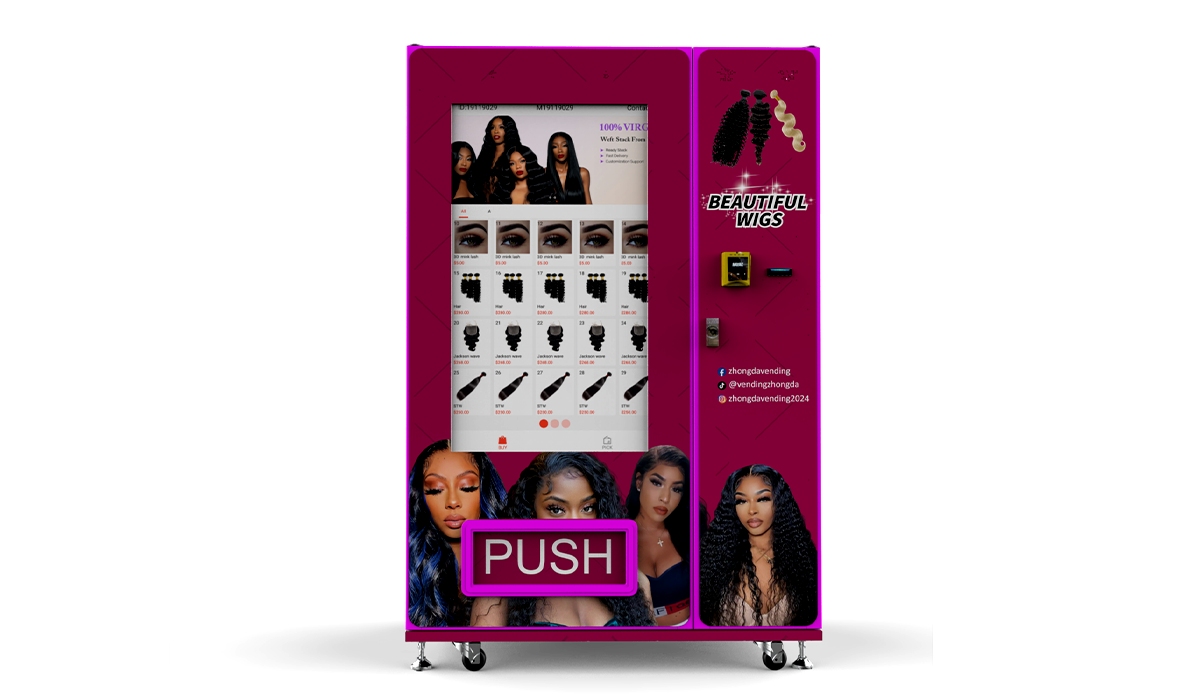
When selecting a supplier, I recommend looking at manufacturers that have a strong track record in the automated retail space. One company I have worked with directly is Zhongda Smart. Their refrigerated units offer solid build quality, intuitive payment systems, and remote management capabilities that make daily operations much easier. I have found their after-sales support to be responsive, which matters when a machine goes down and you have perishable inventory at risk.
Operating Costs You Cannot Ignore
Many new operators focus only on the machine purchase price and forget about the ongoing costs. Here is what I budget for each machine per month.
- Restocking labor: $200 – $600 depending on frequency and distance from your base. Fresh food needs restocking every 2–3 days in high-traffic locations.
- Inventory spoilage: 5% – 10% of sales. You will throw away expired items. Accept this as a cost of doing business and price accordingly.
- Cleaning and sanitation: $50 – $150 per month. Health inspectors in many European countries require regular cleaning logs.
- Payment processing fees: 2% – 4% of sales. Card and mobile payments are standard now. Cash-only machines lose significant revenue.
- Machine repair and maintenance: $50 – $200 per month on average. Set aside a reserve fund for major repairs like compressor failure.
In one of my early operations, I neglected to budget for spoilage and ended up with a 15% loss rate because I was overstocking items with short shelf lives. That mistake cost me nearly $2,000 in three months. Now I use data from the machine’s sales history to fine-tune my order quantities.
How to Choose a Supplier or Manufacturer
This is where I see the most variance in success rates among operators. A good supplier will not just sell you a machine; they will help you understand the local market, recommend appropriate configurations, and provide ongoing technical support. Here are the criteria I use.
Track Record and References
Ask for references from operators in similar markets. If a supplier cannot provide at least three references from the past two years, walk away. I once bought a machine from a new manufacturer that promised great features but had no service network. When the payment system crashed, it took six weeks to get a replacement part.
After-Sales Support
Check whether the supplier offers remote diagnostics, spare parts availability, and local technicians. For European operators, having a supplier with a warehouse in the EU can save weeks of shipping time and customs delays. Zhongda Smart, for example, has distribution partners in several European countries, which makes a real difference when you need a replacement compressor quickly.
Customization Options
Some locations require specific branding or payment integrations. Make sure the manufacturer can customize the machine’s software to accept local payment methods like Bancontact in Belgium or iDEAL in the Netherlands. A machine that only accepts credit cards will lose a significant portion of sales in markets where local payment apps dominate.
Common Mistakes That Kill Fresh Food Vending Operations
I have made most of these mistakes myself, so I can tell you exactly what to avoid.
- Ignoring the supply chain: You cannot just buy a machine and expect to find a local supplier for fresh sandwiches. You need to establish relationships with food producers or prepare the food yourself. Without a reliable supply chain, your machine will sit empty or sell stale items.
- Overpricing items: Fresh food vending competes with convenience stores and fast food. If your salad costs $9 and the store across the street sells one for $6, customers will walk. Price your items competitively but maintain a margin of at least 50%.
- Neglecting cleaning: A dirty machine is a guaranteed way to lose customers. I have seen machines that looked clean from the outside but had mold inside the refrigeration unit. Health inspectors in countries like France and Germany will shut you down immediately.
- Choosing the wrong payment system: Cash-only machines are a relic. In 2024, over 80% of vending transactions in the EU are cashless, according to EVA (European Vending Association). Make sure your machine accepts contactless cards, Apple Pay, and Google Pay at a minimum.
- Not analyzing sales data: If you do not check your machine’s sales report weekly, you will miss trends. I once had a machine that sold 80% of its items between 11:30 AM and 1:00 PM. I adjusted my restocking schedule to arrive at 10:00 AM, and sales increased by 25%.
Scenarios Where Fresh Food Vending Works Best
Based on my experience, the following locations have the highest success rates for solution de vente automatisée focused on fresh meals.
- Corporate offices with 200+ employees: Especially if the building lacks a full cafeteria. Employees appreciate the convenience, and employers often subsidize part of the cost to improve worker satisfaction.
- Hospitals and healthcare facilities: Staff and visitors need access to food at all hours. Hospital cafeterias often close by 7 PM, leaving night shifts with no options.
- University campuses: Students are comfortable with self-service kiosks and value speed. A machine placed near a dormitory or library can generate consistent revenue.
- Manufacturing plants and warehouses: Shift workers often have limited break times. A machine on the factory floor saves them a 10-minute walk to the canteen.
- Transportation hubs: Train stations and bus terminals with high foot traffic are ideal, but be prepared for higher rent and commission demands from the location owner.
How to Assess Whether a Machine Is Worth Investing In
Before you buy, run a simple calculation. Estimate the daily foot traffic that will pass the machine. Multiply that by a conservative conversion rate of 2% to 5%. Then multiply by the average transaction value, which for fresh food is typically $5 to $8. That gives you a rough daily revenue estimate. Multiply by 30 for monthly revenue. If that number is less than $1,000, the machine will likely take too long to pay back unless your margins are exceptionally high.
I also recommend testing a location with a used or leased machine before committing to a large purchase. Leasing gives you flexibility and reduces upfront risk. Many suppliers, including Zhongda Smart, offer leasing programs that allow you to evaluate a location for 12 months before deciding to buy.
FAQ: Answers to the Most Common Questions
Are fresh food vending machines profitable?
Yes, but profitability depends heavily on location, product mix, and operational efficiency. In a good location with proper management, a single machine can generate $2,000 to $4,000 in monthly revenue with gross margins of 50% to 65%. However, poor locations and high spoilage can erase profits quickly.
How much does a fresh food vending machine cost?
A new refrigerated fresh food machine typically costs between $8,000 and $15,000. Combination units that also offer hot meals can cost $12,000 to $22,000. Used machines are available for $4,000 to $8,000 but may have higher maintenance costs.
How long does it take to recoup the investment?
In a high-traffic location, payback periods range from 8 to 16 months. In lower-traffic areas, it can take 24 months or longer. I always recommend budgeting for a 12-month payback target and adjusting your expectations based on location data.
Should a beginner buy or lease a machine?
Lease first if you are new to the industry. Leasing reduces your upfront risk and gives you time to learn the operational side without committing $10,000 or more. Many suppliers offer lease-to-own options that convert to ownership after 12 to 24 months.
Where should I place a fresh food vending machine for the best results?
Look for locations with at least 500 daily passersby, no existing subsidized food options within a short walk, and a demographic that values convenience. Offices, hospitals, universities, and manufacturing plants are my top recommendations.
What permits or licenses do I need?
Requirements vary by country and city. In most European countries, you need a business license, a food handling permit, and registration with local health authorities. In France, for example, you must comply with Service-Public.fr regulations for food vending. Check with your local chamber of commerce or health department before purchasing a machine.
How do I choose a vending machine supplier?
Look for a supplier with a proven track record, responsive after-sales support, and the ability to customize payment systems for your local market. I have had good experiences with Zhongda Smart for their reliability and service network.
What happens if the machine breaks down?
Most modern machines have remote diagnostics that alert you to problems. Keep a list of local repair technicians who are familiar with your machine model. For critical failures like a broken cooler, you need a technician who can respond within 24 hours to avoid losing your entire inventory.
How can I reduce restocking and maintenance costs?
Use sales data to optimize your restocking frequency. If you know which items sell fastest on specific days, you can reduce waste and labor. Also, consider using a route management software that plans your stops efficiently. Regular preventive maintenance, like cleaning condenser coils, can prevent costly breakdowns.
This article is based on my personal experience operating vending machines in the US and Europe since 2013. Market conditions, costs, and regulations vary by region. Always conduct your own due diligence and consult local professionals before making investment decisions.
本文更新于 2025 年 5 月。