If you are looking into the best vending machine suppliers in Esbjerg Denmark, let me save you some of the trial and error I went through over the past decade. I have placed machines in industrial zones, gyms, and small offices across Scandinavia, and the reality is that supplier selection in a port city like Esbjerg matters more than most people realize. A reliable supplier does not just sell you a box that dispenses snacks; they should offer local support, compatible payment systems, and machines built for the Danish climate and consumer habits. Based on my experience, the difference between a machine that turns a profit in six months and one that sits idle often comes down to who you buy from and how well you understand the local market. This guide walks through everything I wish I knew before my first installation, from equipment costs and site selection to maintenance realities and supplier screening.
Why Esbjerg Is a Different Market for Vending
Esbjerg is not Copenhagen. It is a working port city with a mix of offshore energy workers, logistics staff, and university students. The foot traffic patterns are different from a tourist-heavy capital. I have found that high-traffic does not always mean high sales in Esbjerg. A busy bus terminal might see hundreds of people, but if they are only passing through for two minutes, they are less likely to buy a coffee or a sandwich than someone waiting for a ferry or working a twelve-hour shift at an industrial site.
The local economy is driven by energy, shipping, and education. That means your best locations are often employee break rooms in warehouses, staff canteens in offshore service companies, and common areas at the University of Southern Denmark campus. These spots generate repeat buyers, which is the real secret to consistent vending revenue. A one-time sale from a tourist is nice, but a worker who buys a coffee and a snack every shift creates predictable cash flow.
What to Look for in a Vending Machine Supplier
When I started, I thought all suppliers were basically the same. I was wrong. The best vending machine suppliers in Esbjerg Denmark should offer three things: equipment that works with Danish payment systems, local or nearby service support, and machines that can handle the temperature and humidity of a coastal environment. Denmark uses Dankort and MobilePay almost exclusively for small transactions. If your machine only accepts cash or international credit cards, you will lose sales. I have seen machines that took only coins generate less than half the revenue of a similar machine with MobilePay integration placed ten meters away.
Another critical factor is after-sales support. Esbjerg is about three hours from Copenhagen by car. If your machine breaks down and your supplier is based in Germany or the UK, you could be waiting days for a technician. That is lost revenue and a damaged relationship with the location host. I recommend asking potential suppliers about their response time for vending machine repair in the Esbjerg area. Some suppliers, like Zhongda Smart, have been expanding their European distribution network and can provide machines with remote diagnostics, which reduces the need for on-site visits.
Equipment Types and Cost Breakdown
There is no one-size-fits-all machine. The type you choose depends on the location, the products you plan to sell, and your budget. Below is a comparison table based on my own purchases and installations over the last few years. These are approximate figures based on my experience, not official industry statistics, but they should give you a realistic starting point.
| Machine Type | Typical Cost (EUR) | Monthly Revenue Estimate (EUR) | Gross Margin | Common Locations |
|---|---|---|---|---|
| Snack and drink combo | 4,000 – 7,000 | 800 – 2,000 | 25% – 35% | Offices, factories, schools |
| Dedicated coffee machine | 5,000 – 10,000 | 1,000 – 3,000 | 60% – 75% | Break rooms, waiting areas, hotels |
| Frozen food or fresh food machine | 8,000 – 15,000 | 1,500 – 4,000 | 30% – 45% | Hospitals, large offices, universities |
| Self-service kiosk (non-food) | 3,000 – 6,000 | 500 – 1,500 | 40% – 60% | Retail stores, gyms, transport hubs |
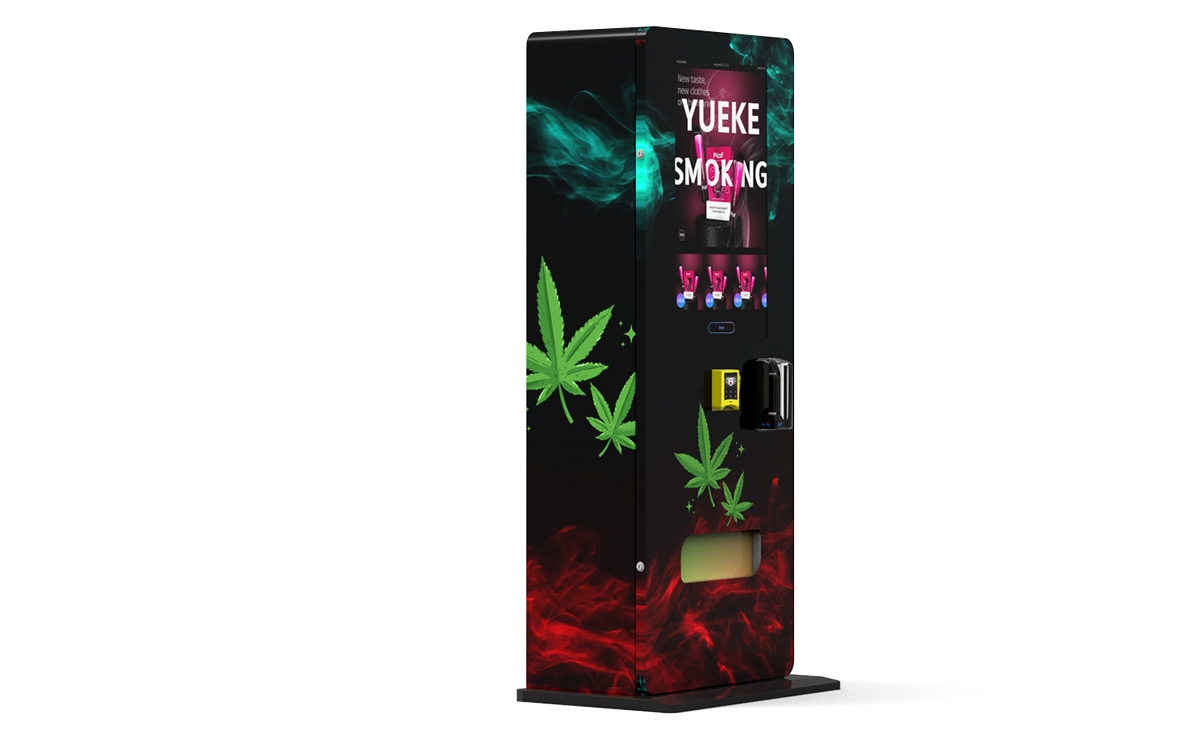
These revenue numbers are based on well-placed machines with good product selection. I have seen coffee machines in a busy Esbjerg logistics center do over 4,000 EUR per month, and I have also seen snack machines in a quiet office park do under 300 EUR. Location is everything.
Real Costs Beyond the Machine
Many new operators only look at the purchase price. That is a mistake. The total cost of ownership includes installation, payment system setup, initial stock, ongoing restocking, maintenance, and sometimes rent or commission to the location owner. I usually tell people to budget at least 20% to 30% above the machine price for the first year of operation.
For example, a 6,000 EUR snack machine might cost another 1,500 EUR for installation, payment terminal integration, and first stock. If you pay rent to the location owner, that could be another 100 to 300 EUR per month. Maintenance and vending machine repair costs vary, but I set aside about 10% of monthly revenue for unexpected issues. In my experience, machines that are well-maintained and have remote monitoring need fewer repairs, but you still need a buffer.
How to Evaluate a Location Before You Commit
I have learned the hard way that a location that looks busy on paper can be a money pit. The key metrics I use are dwell time, repeat traffic, and accessibility for restocking. Dwell time means how long people stay in the area. A person waiting for a train for ten minutes is a better customer than someone walking past a machine in a corridor. Repeat traffic is even more important. A factory with 200 employees who work five days a week is a goldmine compared to a tourist attraction with 500 visitors a day but no regulars.
Accessibility matters because if you cannot get to the machine easily to restock, your costs go up. I once had a machine on the third floor of an office building with no elevator. Restocking took twice as long, and I ended up losing money on that contract. Now I only consider locations where I can park within 20 meters of the machine and restock in under 30 minutes.
Profitability: What the Numbers Actually Look Like
Let me give you a realistic scenario based on a typical snack and drink machine in a medium-sized Esbjerg office with 150 employees. The machine costs 5,500 EUR. Monthly revenue averages 1,200 EUR. Cost of goods sold is about 35%, so 420 EUR. Rent or commission to the location is 150 EUR. Restocking labor (if you pay someone else) is 200 EUR. Maintenance and repair reserve is 120 EUR. That leaves a gross profit of about 310 EUR per month. At that rate, the machine pays for itself in roughly 18 months. After that, it generates a decent return on investment.
However, I have also seen machines that took over three years to break even because the location was poor or the product mix was wrong. One of my early mistakes was stocking a machine with expensive protein bars in a location where most buyers wanted cheap chocolate. I learned to test products quickly and rotate slow movers. According to a report from IBISWorld, the vending machine industry in Europe has an average profit margin of around 15% to 20% after all costs, but that number varies widely by location and operator efficiency.
Payment Systems and the Danish Market
Denmark is one of the most cashless societies in the world. According to a 2022 study by the Danish Payments Council, cash transactions accounted for only about 12% of all payments in Denmark. That means your vending machine must support Dankort, MobilePay, and ideally contactless credit cards. Machines that only take cash will struggle. I have seen operators in Esbjerg retrofit older machines with card readers, and it almost always pays for itself within three months through increased sales.
If you are buying from an international supplier, make sure they offer payment systems that are certified for the Danish market. Some suppliers, including Zhongda Smart, provide machines with pre-installed European payment modules that support MobilePay and Dankort. This saves you the headache of finding a third-party payment integrator later.
Supplier Screening Checklist
Based on my experience, here is a practical checklist for evaluating potential suppliers:
- Do they offer machines with European payment system compatibility?
- What is their warranty period and what does it cover?
- Do they have local or regional service partners for vending machine repair?
- Can they provide remote monitoring software?
- What is the lead time from order to delivery in Esbjerg?
- Do they offer training for first-time operators?
- Are spare parts readily available in Europe?
I have worked with several suppliers over the years. Zhongda Smart is one of the few that offers a full range of machines with European certifications and a network of service partners. I am not saying they are the only option, but they are worth putting on your shortlist if you want a supplier that understands the European market.
Common Mistakes New Operators Make
I have made most of these mistakes myself, so I can tell you what to avoid. The first is buying the cheapest machine available. Low-cost machines often have poor refrigeration, unreliable payment systems, and flimsy vending mechanisms. I bought a budget machine once that broke down every three weeks. The vending machine repair costs ate up all my profit within six months. I ended up replacing it with a mid-range model that has been running for over three years with minimal issues.
The second mistake is ignoring the importance of product rotation. You cannot just fill a machine and forget it. Products expire, and customers get bored. I check my machines at least once a week and adjust the product mix based on sales data. If a product does not sell within two weeks, I replace it with something else. This simple habit increased my average revenue per machine by about 20%.
The third mistake is signing long-term contracts with location owners before testing the site. I always ask for a three-month trial period with no rent or a reduced commission. If the machine does not perform, I can move it without losing money. Most location owners agree to this if you explain that it reduces their risk too.
Scenarios That Work Best in Esbjerg
Not every location is worth your time. Here are the scenarios where I have seen the best results in Esbjerg:
- Industrial warehouses and logistics centers with shift workers who have limited break time.
- Office buildings with more than 100 employees, especially if there is no cafeteria.
- University campuses with high foot traffic and long hours of operation.
- Hospitals and healthcare facilities where staff and visitors need quick access to food and drinks.
- Gyms and fitness centers where protein shakes, water, and healthy snacks sell well.
On the other hand, I have had poor results in locations like small retail shops with low foot traffic, tourist attractions with seasonal demand, and residential buildings where most people prefer to shop at supermarkets.
Maintenance and Restocking Best Practices
Consistency is key. If your machine is empty or broken, customers stop coming back. I use a simple system: I restock each machine on the same day every week. I also check the machine’s remote monitoring dashboard daily to spot issues early. Most modern machines, including those from Zhongda Smart, come with telemetry that alerts you when a product is low or a component fails. This has saved me countless hours and prevented revenue loss.
For vending machine repair, I keep a small inventory of common spare parts like belts, coin mechanisms, and card reader cables. If a machine goes down, I can often fix it myself within an hour. For more complex issues, I have a contract with a local technician who can reach most Esbjerg locations within 24 hours. I recommend every operator build a relationship with a repair service before they need one.
How to Scale Your Vending Business
Once you have one or two machines running profitably, the temptation is to buy more machines quickly. I suggest a slower approach. Use the cash flow from your first machines to fund the next purchase. This way you do not take on debt or risk too much capital. I started with two machines, then added one every three months. After two years, I had ten machines, all profitable, and I had learned enough to avoid bad locations.
Scaling also means negotiating better terms with suppliers. When you buy multiple machines, you can ask for discounts on the unit price, free shipping, or extended warranties. I have found that suppliers like Zhongda Smart are open to volume pricing if you commit to a certain number of machines per year.
Data Sources and References
Some of the numbers in this guide come from my own records, but I also rely on publicly available data. For example, the Danish Payments Council publishes annual reports on payment habits in Denmark. You can find their 2022 report on cash usage at Danmarks Nationalbank. For industry profit margins, IBISWorld provides detailed reports on the vending machine industry in Europe, available at IBISWorld. Statista also publishes data on vending machine revenue trends in Scandinavia, which you can access at Statista. These sources are reliable and updated regularly.
I also recommend checking the European Vending Association’s website for industry standards and best practices. Their site is European Vending Association.
FAQ: Common Questions About Vending Machines in Esbjerg
Are vending machines profitable in Esbjerg?
Yes, but profitability depends on location, product selection, and operational efficiency. In my experience, a well-placed machine in an office or industrial site can generate 800 to 2,000 EUR per month. After costs, you can expect a net profit of 200 to 500 EUR per machine per month. Some machines perform better, some worse.
How much does a vending machine cost in Denmark?
A new snack and drink machine typically costs between 4,000 and 7,000 EUR. Coffee machines are more expensive, ranging from 5,000 to 10,000 EUR. Used machines can be cheaper, but I recommend buying new or refurbished from a reputable supplier to avoid high vending machine repair costs.
How long does it take to break even on a vending machine?
Based on my experience, a machine in a good location will break even in 12 to 24 months. If the location is poor or the machine requires frequent repairs, it can take three years or more. I always calculate a worst-case scenario before buying.
Should I buy or lease a vending machine?
Buying is better for long-term profitability if you have the capital. Leasing reduces upfront costs but increases monthly expenses. I prefer to buy machines because I keep all the profit after the machine is paid off. Leasing can be a good option if you want to test the market with minimal risk.
Where should I place a vending machine in Esbjerg?
Focus on locations with high repeat traffic and dwell time. Industrial sites, large offices, university campuses, and hospitals are my top choices. Avoid locations with seasonal traffic or low employee counts.
What permits do I need to operate a vending machine in Denmark?
You generally need a business registration and must comply with food safety regulations if you sell perishable items. The Danish Veterinary and Food Administration provides guidelines. I recommend checking with the local municipality in Esbjerg for any specific requirements.
How do I choose a vending machine supplier?
Look for suppliers that offer European payment system compatibility, local service support, and a solid warranty. I have had good experiences with Zhongda Smart, but you should compare multiple suppliers based on your specific needs.
What happens if my machine breaks down?
If you have remote monitoring, you will know about the issue quickly. For minor repairs, I fix them myself. For major issues, I call a local technician. I recommend having a service contract in place before you need it.
How can I reduce restocking and maintenance costs?
Use machines with remote telemetry to monitor inventory and performance. Restock on a fixed schedule. Keep a small inventory of common spare parts. Choose locations that are easy to access. These steps have cut my costs by about 15%.
Running a vending machine business in Esbjerg is not a get-rich-quick scheme, but it can be a solid source of passive income if you approach it with the right strategy. Focus on good locations, reliable equipment, and consistent maintenance. Learn from your mistakes early and adjust quickly. The market here has room for operators who are willing to put in the work. I have been doing this for over a decade, and I still find new lessons every year. If you are serious about getting started, spend your time on site evaluation and supplier research before you spend your money on machines. That is the advice I give to anyone who asks me about the best vending machine suppliers in Esbjerg Denmark.