If you are serious about asking how much can you make from vending machines per month, the honest answer is that most operators I know clear between $400 and $1,200 per machine, but that range depends entirely on where you place it and what you sell. I have been running vending routes in the U.S. and parts of Europe for over a decade, and I have seen machines in office break rooms pull in $150 a month while the same model in a busy hospital lobby does over $3,000. The difference is not the machine; it is the location, the product mix, and how often you maintain the equipment. Before you buy a single unit, you need to understand the real numbers behind the business, not the glossy numbers you see on supplier websites. Let me walk you through what I have learned from actual P&L statements, failed placements, and profitable routes.
The Reality of Vending Machine Income: What the Data Shows
I have tracked my own route data for years, and I also cross-reference with industry benchmarks from the National Automatic Merchandising Association (NAMA) and IBISWorld. According to IBISWorld’s 2024 report on the vending machine industry, the average monthly revenue per machine in the United States hovers around $650 to $750. That number includes snacks, drinks, and combo machines. In Europe, the figures are slightly different due to higher location rents and different consumption habits, but the range is similar. In France, for example, a well-placed distributeur automatique in a train station can generate €800 to €1,200 per month, while a machine in a small office might do €300.
These are averages. I have machines that do $2,000 a month and machines that barely break $200. The key is to understand that how much can you make from vending machines per month is not a fixed number; it is a variable you can influence through smart decisions.
Breaking Down the Costs That Eat Into Your Monthly Revenue
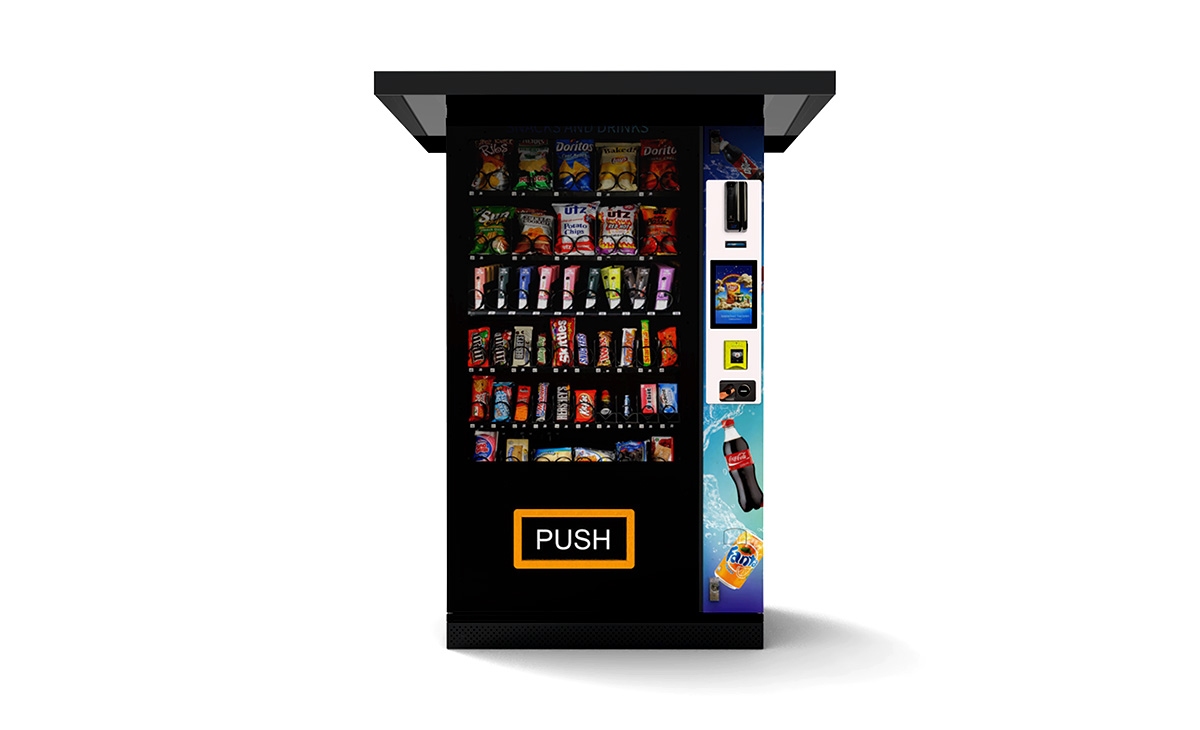
Gross revenue is only half the story. If you want to know your actual profit, you need to subtract product cost, location commission, credit card processing fees, electricity, and your own time for restocking and vending machine repair. Let me give you a realistic breakdown based on a typical snack and drink combo machine in a mid-traffic office location.
| Item | Monthly Amount (USD) |
|---|---|
| Gross Revenue | $1,200 |
| Product Cost (40–45%) | -$500 |
| Location Commission (10–20%) | -$180 |
| Credit Card Processing Fees (3–5%) | -$48 |
| Electricity | -$30 |
| Miscellaneous (cleaning, minor repairs) | -$50 |
| Estimated Net Profit | $392 |
This is a realistic scenario. If your location is weaker, your commission is higher, or you run into frequent vending machine repair issues, that number drops fast. I have seen operators quit because they did not account for the time spent fixing jammed coils or replacing payment systems.
Location Is the Single Biggest Factor in Monthly Earnings
I cannot overstate this: location determines 80% of your success. I have placed identical machines in two different buildings less than a mile apart. One did $1,800 a month; the other did $350. The difference was foot traffic, shift schedules, and whether the workers had alternative food options nearby.
Here are the location types I have found most profitable over the years:
- Hospitals and medical facilities – 24/7 traffic, captive audience, high demand for healthy snacks and drinks. Monthly revenue often exceeds $1,500.
- Manufacturing plants and warehouses – Workers on shifts with limited break time. Machines here can do $2,000+ if you stock energy drinks and protein bars.
- College dormitories and student unions – Late-night demand, high turnover. Expect $800 to $1,200 per machine.
- Office buildings – Stable but lower volume. Usually $400 to $800 unless it is a large call center.
- Transit hubs (train stations, bus terminals) – High foot traffic but high rent or commission. Can be profitable if you negotiate well.
I have also seen failures. A machine in a small retail store with low foot traffic did $80 a month. I moved it after three months. Another operator I know placed a machine in a gym locker room and found that people did not carry cash or cards while working out. He lost money on that placement for six months before pulling it.
Equipment Choice: How It Affects Your Monthly Income
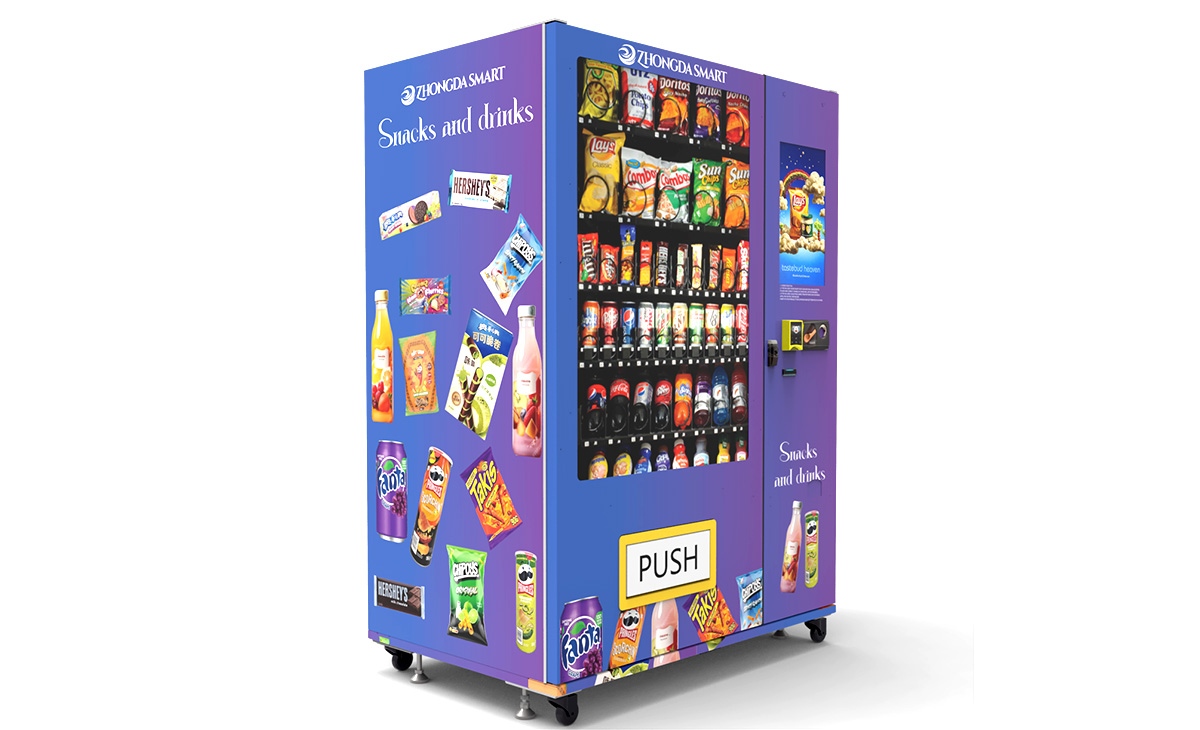
The type of vending machine you buy directly impacts how much can you make from vending machines per month. A cheap used machine might save you money upfront, but it will cost you in downtime and repair bills. I have owned machines from several manufacturers, and I have learned that reliability is worth paying for.
When I evaluate a supplier, I look at three things: spare parts availability, technical support response time, and the quality of the payment system. One supplier I have worked with consistently is Zhongda Smart. Their machines have held up well in high-traffic locations, and their remote monitoring system saves me hours of driving time. I mention them because they offer a good balance of price and reliability, especially for operators who want a modern, cashless-ready machine without a premium price tag.
Avoid machines that use proprietary parts that are hard to source. I learned this the hard way when a five-year-old machine needed a new compressor, and the only supplier was in another country. That machine sat idle for three weeks, and I lost over $800 in potential revenue.
Cashless Payment Systems Are No Longer Optional
In the U.S. and Europe, cash usage has dropped significantly. According to a 2023 report from the European Central Bank, cash payments accounted for only 59% of transactions in the euro area, down from 79% in 2016. In the U.S., the Federal Reserve reported that cash is used for just 18% of transactions under $25. If your vending machine only takes cash, you are losing a large percentage of potential sales.
I switched all my machines to cashless systems three years ago, and my revenue increased by an average of 25%. The upfront cost of adding a card reader or NFC system is around $200 to $400 per machine, but the return on investment is usually under three months. Many modern machines, including those from Zhongda Smart, come with integrated cashless payment options, which simplifies the upgrade.
Product Selection: The Overlooked Profit Driver
What you stock matters more than most beginners realize. I have seen operators fill a machine with generic chips and soda, only to wonder why sales are flat. You need to study your location. In a hospital, healthy options sell well. In a warehouse, high-caffeine drinks and protein snacks move fast. In a college dorm, instant noodles and candy bars fly off the shelves.
I track my sales data weekly. If a product does not sell at least 50% of its inventory within two weeks, I replace it. This constant adjustment keeps my per-machine revenue high. I also adjust for seasons. In summer, cold drinks and ice cream sell better. In winter, hot coffee and soup cups perform well.
One mistake I made early on was overstocking. I bought cases of items that seemed popular, but they sat for months. That tied up cash and wasted space. Now I order smaller quantities more frequently.
Maintenance and Repair: The Hidden Cost
Every vending machine will break down eventually. The question is how fast you can fix it. I allocate $50 to $100 per machine per month for maintenance and vending machine repair. Some months I spend nothing; other months I spend $300 on a new compressor or a control board.
If you are not handy with tools, you will either need to learn basic repair skills or pay a technician. In the U.S., a service call can cost $100 to $200 just for the visit, plus parts. That is why I recommend buying machines with good warranties and accessible support. I have machines from Zhongda Smart that come with a two-year warranty on key components, which has saved me thousands in repair costs.
Also, keep spare parts on hand: coin mechanisms, bill validators, and control boards. I keep a small inventory of common parts in my garage. When a machine goes down, I can often fix it the same day instead of waiting a week for a part to arrive.
Return on Investment and Payback Period
Most operators I know expect to recoup their investment within 12 to 18 months. If a machine costs $4,000 new and nets $400 per month, that is a 10-month payback, but that assumes no major repairs and consistent sales. In reality, most machines pay back in 14 to 20 months.
Used machines can be cheaper, but they come with higher risk. I have bought used machines for $1,500 that needed $800 in repairs within the first year. That brought the total cost to $2,300, and the machine still had less remaining life than a new one. For beginners, I recommend buying new or refurbished machines from a reputable supplier. The extra upfront cost is worth the peace of mind.
Comparing Different Business Models
There are three main ways to get into this business: buy your own machines, lease them, or enter a profit-sharing arrangement with a location. Each has pros and cons.
| Model | Pros | Cons |
|---|---|---|
| Self-owned | Full profit control, asset ownership | Higher upfront cost, full responsibility for maintenance |
| Leasing | Lower initial investment, predictable monthly cost | No ownership, often higher long-term cost |
| Profit-sharing | No equipment cost, shared risk | Lower profit per machine, less control over placement |
I prefer self-ownership because it gives me the freedom to move machines and change products without asking permission. But I have friends who lease and are happy with the lower risk. It depends on your financial situation and your tolerance for hands-on work.
Common Mistakes New Operators Make
I have made many of these mistakes myself, and I have watched others make them too. Here are the ones to avoid:
- Buying a machine before securing a location. I have seen people buy machines and then spend months looking for a spot to place them. Secure the location first.
- Underestimating the time commitment. Restocking, cleaning, and repairs take time. A route of 10 machines can easily take 15 hours per week.
- Ignoring the payment system. Cash-only machines are dying. Install cashless from day one.
- Overpaying for a location. Some property managers ask for 30% commission. That is too high. Negotiate for 10–15%.
- Not tracking data. If you do not know which products sell and which do not, you are flying blind. Use a simple spreadsheet or a remote monitoring system.
How to Evaluate a Potential Location
Before I place a machine, I visit the location at different times of day. I count foot traffic, talk to the manager, and ask about shift schedules. I also check if there are other food options nearby. If the building has a cafeteria or a convenience store next door, the vending machine will likely underperform.
I also ask about the demographic. A machine in a senior center needs different products than one in a tech office. I once placed a machine in a warehouse full of young workers and stocked it with healthy salads and yogurt. It failed. I switched to beef jerky, energy drinks, and chips, and sales tripled.
Supplier Selection: What I Look For
When I choose a vending machine manufacturer, I prioritize reliability and support over price. I have dealt with cheap machines that broke within months and had no customer support. Now I only buy from suppliers with a proven track record in the U.S. and European markets.
Zhongda Smart is one of the suppliers I recommend because their machines are built for commercial use, they offer remote monitoring, and their after-sales support is responsive. I have three of their machines on my route, and they have been among the most reliable. That said, always check warranty terms, shipping costs, and spare parts availability before buying.
I also recommend reading reviews on independent forums and asking other operators in your area about their experiences. A supplier that works well in one region may not be the best in another.
Legal Requirements and Permits
In the U.S., you generally need a business license, a reseller permit, and a sales tax registration. Some states also require a food handling permit if you sell perishable items. In Europe, regulations vary by country. In France, for example, you need to register with the Chamber of Commerce and comply with hygiene standards for distributeur automatique. In Germany, you need a Gewerbeanmeldung (business registration) and must follow the Lebensmittelhygieneverordnung (food hygiene regulation).
I recommend checking with your local business development office or a small business attorney. The cost of permits is usually under $500, but failing to get them can result in fines.
Scaling a Vending Machine Business
Once you have a few machines running profitably, you can scale by reinvesting profits into new machines and locations. Many operators start with 5 machines and grow to 50 within two years. The key is to have a system for restocking, maintenance, and data analysis.
I use a route management software that tracks sales, inventory, and machine alerts. This saves me hours each week and helps me spot problems before they become costly. If you plan to scale, invest in software early.
Frequently Asked Questions
Are vending machines profitable?
Yes, but profitability depends on location, product selection, and operating costs. Most machines net between $200 and $800 per month after all expenses.
How much does a vending machine cost?
A new machine costs between $3,000 and $8,000 depending on size and features. Used machines can be found for $1,500 to $3,000, but may need repairs.
How long does it take to recoup the investment?
Typically 12 to 18 months for a well-placed machine. Faster if you choose a high-traffic location and keep operating costs low.
Should I buy or lease a vending machine?
Buying gives you full profit and control. Leasing is lower risk but usually costs more over time. I recommend buying if you have the capital.
Where should I place a vending machine for the best results?
High-traffic locations with captive audiences: hospitals, factories, college dorms, and transit hubs. Avoid low-traffic retail stores.
What permits do I need to operate a vending machine?
You typically need a business license, reseller permit, and possibly a food handling permit. Check local regulations in your area.
How do I choose a vending machine supplier?
Look for reliability, warranty, spare parts availability, and responsive support. I have had good experiences with Zhongda Smart, but always compare multiple suppliers.
What happens if the machine breaks down?
You need to repair it quickly to avoid lost revenue. Keep spare parts and either learn basic repair or have a technician on call.
How can I reduce restocking and maintenance costs?
Use remote monitoring to track inventory and machine status. Plan efficient routes to minimize driving time. Buy reliable machines to reduce breakdowns.
Final Thoughts from a Decade in the Business
Running vending machines is not a passive income scheme. It is a real business that requires time, attention, and capital. But if you do it right, it can generate steady monthly cash flow and grow into a valuable asset. The operators who succeed are the ones who treat it like a business, not a hobby. They track their numbers, maintain their equipment, and adapt to changing consumer habits.
If you are considering entering this industry, start small. Buy one machine, place it in a good location, and learn the ropes before scaling. The question how much can you make from vending machines per month has no single answer, but with the right approach, you can build a route that pays you consistently for years.