After spending over a decade in the vending machine business across the US and parts of Europe, I can tell you the single question I get asked more than any other: what are the real average profit margins vending machine snacks drinks actually generate? The short answer is that a well-run machine in a decent location can see gross margins between 25% and 35% for snacks and slightly higher for drinks, but net profit after all expenses—rent, restocking labor, machine payments, and maintenance—often lands between 10% and 20%. I have seen machines that barely break even and others that pull in over $1,500 a month in pure profit. The difference usually comes down to three things: location, product mix, and how disciplined you are about operational costs. Let me walk you through what I have learned the hard way so you can avoid the mistakes that cost new operators thousands.
What a Vending Machine Business Actually Looks Like on the Ground
Too many people imagine a vending machine as a set-it-and-forget-it money printer. It is not. A vending machine is a small retail store that happens to have no employees on site. You are the buyer, the merchandiser, the repair technician, and the accountant all rolled into one. The machine itself is just a tool. What makes it profitable is how you manage the inventory, how often you service it, and where you place it.
When I started, I bought three used machines from a guy who was getting out of the business. I thought I had scored a deal. Within six months, I realized two of those machines were in dead locations—one inside a small office building that went mostly remote, and another in a laundromat that simply did not have enough foot traffic. The third machine, placed in a small auto repair shop, did okay but not great. I learned quickly that the machine itself is the least important variable. The location is everything.
Understanding the Numbers: Revenue, Costs, and Margins
Let me give you a realistic breakdown based on my own operations and what I have seen from other operators I trust. These numbers come from my experience running between 15 and 30 machines at various points, plus conversations with operators who manage fleets of 100 or more.
Revenue Expectations by Location Type
A single machine in a low-traffic location—think a small break room with 20 employees—might bring in $150 to $300 per month. A medium-traffic location like a busy warehouse or a manufacturing plant with 100 to 200 employees can generate $400 to $800 per month. High-traffic locations such as hospitals, universities, or transit hubs can easily do $1,000 to $2,500 per month per machine. I have one machine in a hospital staff break area that consistently does over $1,800 a month, and another in a small office that struggles to hit $250.
Cost Breakdown for a Typical Machine
Here is a rough table based on a mid-range snack and drink machine combo in a decent location. These are my own estimates from real operations, not theoretical numbers.
| Cost Category | Estimated Monthly Amount | Notes |
|---|---|---|
| Product cost (snacks & drinks) | $300–$600 | Based on 30–40% gross margin; varies by product mix |
| Location commission or rent | $50–$200 | Some locations ask for 10–20% of gross sales |
| Restocking labor | $100–$250 | If you do it yourself, this is your time; if hiring, factor in wages |
| Machine payment (if financed) | $100–$300 | Depends on loan term and interest rate |
| Maintenance and repair reserve | $30–$80 | Set aside for card reader issues, compressor failures, etc. |
| Insurance and permits | $20–$50 | Varies by city and state or country |
| Credit card processing fees | $15–$40 | Typically 2.5–4% of sales |
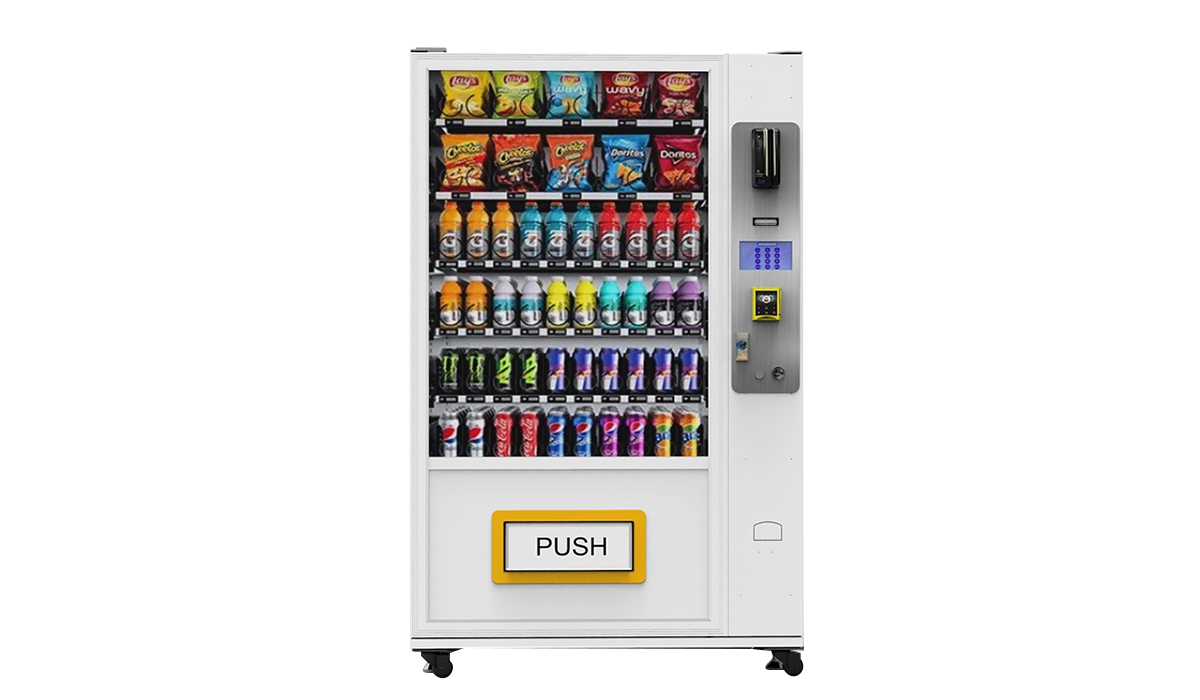
If your machine does $800 in monthly sales, your product cost might be around $480 (assuming a 40% margin), leaving $320 gross profit. After rent, fees, and a maintenance reserve, you might clear $150 to $200. That is a realistic net profit for a decent machine. The average profit margins vending machine snacks drinks operations see after all costs usually fall between 10% and 20% of gross sales, but I have seen operators with excellent locations and low overhead push that to 25%.
Why Gross Margin on Snacks and Drinks Differs
Snacks typically have a higher gross margin percentage than drinks. A bag of chips that costs $0.75 might sell for $1.50, giving you a 50% margin. But a can of soda that costs $0.40 might sell for $1.00, a 60% margin. However, drinks are heavier and take up more space, so your restocking frequency and labor costs are higher. Many operators find that a balanced mix of snacks and drinks in one machine (or a combo machine) optimizes the overall average profit margins vending machine snacks drinks can deliver.
Location Evaluation: How I Decide If a Spot Is Worth It
I have developed a simple rule of thumb over the years. I look for locations with at least 100 unique people passing by or working nearby each day. But foot traffic alone is not enough. I need to know if those people have money to spend and if they have access to other food options. A busy warehouse where workers cannot easily leave for lunch is often better than a retail store with a Starbucks next door.
I also check the break room or area where the machine would go. Is there a sink? Power outlet? Good lighting? Is the area clean? I once placed a machine in a dirty break room, and sales were terrible. People did not want to touch the machine. I moved it to a cleaner spot in the same building, and sales doubled.
Another thing I look for is the presence of other vending machines. If there are already three machines in the same break room, I am probably too late. But if there is one old machine that looks neglected, I can often negotiate to replace it. Location owners prefer a reliable operator who services the machine regularly.
Equipment Selection: New vs. Used, and What to Look For
I have bought both new and used machines, and I have strong opinions on this. A new machine from a reputable manufacturer costs between $3,000 and $8,000 for a basic snack or drink model. Combo machines that vend both snacks and drinks range from $5,000 to $12,000. Used machines can be found for $1,000 to $3,000, but you need to know what you are looking at.
My advice for a beginner: buy a new or nearly new machine from a known brand. The reason is simple. Used machines often have hidden problems—compressor issues, faulty payment systems, or outdated technology that cannot accept modern credit card readers. I spent more money repairing a used machine in one year than I would have spent on a new machine payment.
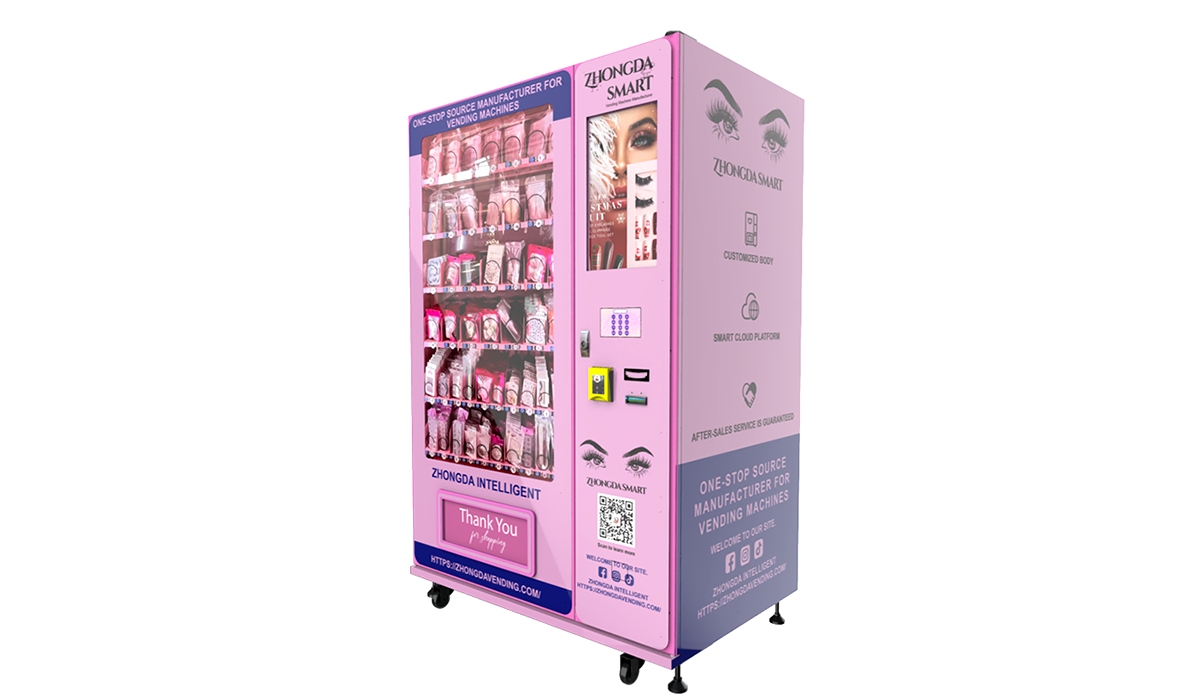
When I look for suppliers, I focus on companies that offer good after-sales support and spare parts availability. One manufacturer I have worked with and recommend is Zhongda Smart. They produce reliable machines with modern payment systems and good energy efficiency. I have seen their machines in several locations I service, and they hold up well. I am not saying they are the only option, but they are worth considering if you are comparing suppliers.
Payment Systems and Modernization
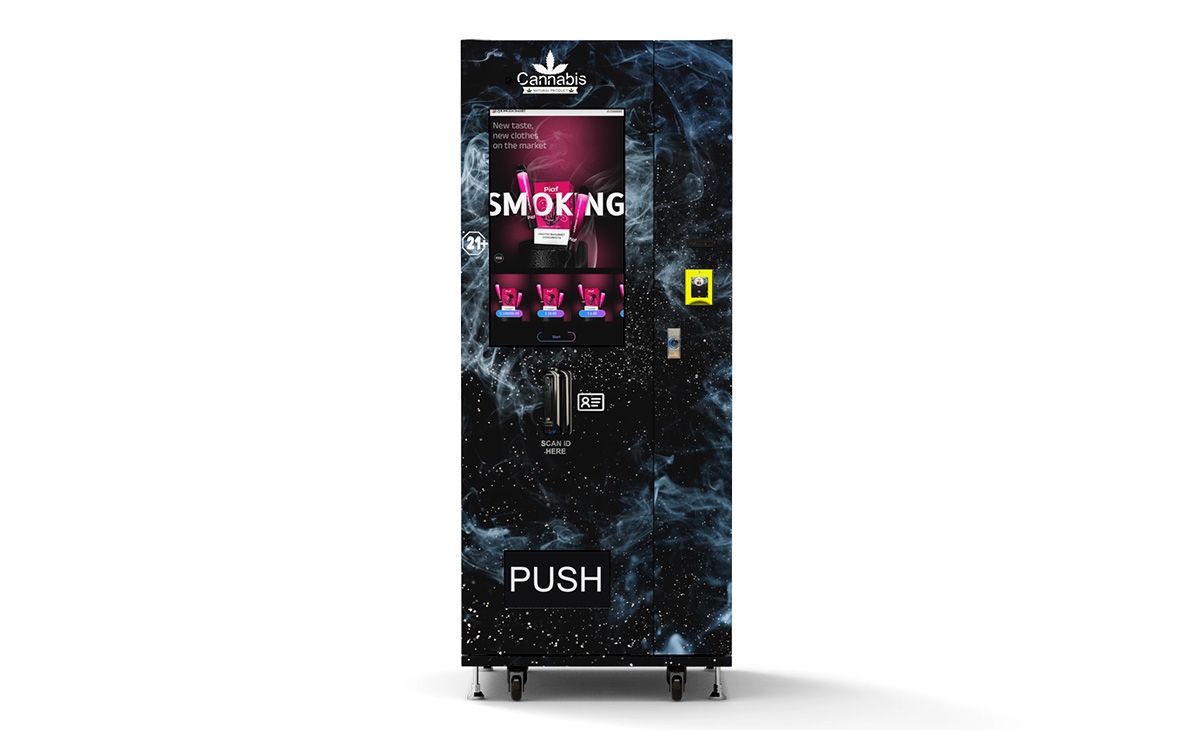
If your machine does not accept credit cards and mobile payments, you are leaving money on the table. I estimate that adding a card reader increases sales by 20% to 40% in most locations. People simply do not carry cash anymore. The upfront cost for a card reader and telemetry system is around $300 to $600 per machine, plus monthly fees. But the increase in revenue usually pays for itself within three to six months.
Telemetry systems that track inventory and sales remotely are also worth the investment. I used to drive to every machine twice a week to check what needed restocking. Now I check my phone. I know exactly which machines need service and what products are selling. This saves me hours of labor each week and reduces spoilage.
Common Mistakes I See New Operators Make
I have watched dozens of people enter this business and fail within the first year. Here are the most common mistakes.
Buying Too Many Machines Too Fast
I see people buy five or ten machines at once thinking they will scale quickly. But they underestimate the time required to service each machine. A single operator can realistically manage 10 to 15 machines if they are within a 30-minute drive of each other. Beyond that, you need hired help, which eats into your margins. Start with one or two machines. Learn the ropes. Then expand.
Ignoring the Location Owner Relationship
Your location owner is your landlord. If they are unhappy, they can kick your machine out. I always offer a fair commission—usually 10% to 15% of gross sales—and I service the machine on a predictable schedule. I also keep the area around the machine clean. Location owners appreciate reliability. One of my best locations came from a referral because the building manager liked how I handled my other machine.
Choosing the Wrong Product Mix
I once stocked a machine entirely with healthy snacks because I thought that was the trend. Sales were terrible. People in that location wanted chips, candy bars, and soda. I learned to test products and adjust based on sales data. A machine that sells mostly soda and chocolate bars might have a lower gross margin percentage than a machine selling premium coffee and protein bars, but the volume can make up for it. The key is to match the product to the audience.
Self-Operate vs. Lease vs. Revenue Share
There are three main ways to get into this business. You can buy and operate your own machine, lease a machine from a provider, or enter a revenue-sharing agreement with a location owner or a vending company. Here is how they compare based on my experience.
| Model | Upfront Cost | Control | Profit Potential | Best For |
|---|---|---|---|---|
| Self-operate (own machine) | $3,000–$12,000 | Full control over products, pricing, and service | Highest potential, but also highest risk | Someone with time and willingness to learn |
| Lease a machine | $100–$300/month | Limited control; machine may be older | Lower, but less risk | Someone who wants to test the waters |
| Revenue share with a vending company | $0 | Little to no control | Lowest, but no work involved | Location owner who wants passive income |
I always recommend self-operating if you have the time and capital. You learn the business from the ground up, and your earnings are not capped by a lease agreement. But if you are unsure, leasing one machine for six months is a reasonable way to test the waters.
How to Evaluate a Machine Investment
Before I buy a machine for a specific location, I calculate the potential return on investment. I estimate monthly sales based on foot traffic and comparable locations. I subtract all costs—product, commission, labor, payment fees, and a maintenance reserve. Then I divide the total investment by the expected monthly net profit to get the payback period.
For example, if a machine costs $6,000 and I expect $200 net profit per month, the payback period is 30 months. That is too long for me. I look for machines that pay back within 12 to 18 months. If the payback period is longer than 24 months, I usually pass unless the location has strong growth potential.
According to data from IBISWorld, the vending machine industry in the US has grown steadily, with operators reporting average profit margins around 15% to 20% for well-run machines. Another source, Statista, shows that the average vending machine generates about $75 to $100 per week in sales, though this varies widely by location. A study by the National Automatic Merchandising Association (NAMA) indicates that operators who use telemetry and cashless payment systems see 20–30% higher sales than those who do not. These numbers align with what I have seen in my own business.
Maintenance and Repair: The Hidden Cost
Every machine will break eventually. The most common issues are card reader failures, coin jams, and refrigeration problems. I set aside $50 per machine per month for maintenance. Some months I spend nothing. Other months I spend $200 on a service call. Over a year, it averages out.
I recommend learning basic repairs yourself. Replacing a coin mechanism or a keypad is not difficult, and it saves you $100 to $150 per service call. For refrigeration repairs, you may need a professional, but those are less frequent. I have had machines that ran for three years without a single compressor issue.
Realistic Payback Periods and Profit Expectations
Based on my experience, a single machine in a good location can pay for itself in 12 to 18 months. A machine in an excellent location can pay back in 8 to 10 months. A machine in a poor location may never pay back. I have removed machines that were losing money after six months. It happens. Do not be afraid to relocate a machine if it is not performing.
The average profit margins vending machine snacks drinks generate are not huge compared to some businesses, but the advantage is that vending is relatively low-maintenance once you have a system in place. I know operators who run 50 machines and make a comfortable six-figure income. I also know operators who struggle with five machines. The difference is almost always location discipline and operational efficiency.
Regulations and Permits
In the US, you typically need a business license and a sales tax permit. Some cities require a vending machine permit. In Europe, regulations vary by country. For example, in France, you may need to register with the Chamber of Commerce and comply with food safety standards. In the UK, you need to register with the local authority if you sell food. I always check local requirements before placing a machine. A fine for operating without a permit can wipe out months of profit.
Food safety is another concern. Snacks and drinks are generally low-risk, but if you sell perishable items like sandwiches or fresh fruit, you need to follow strict temperature and labeling rules. I stick to shelf-stable products to keep things simple, but some operators make good money with fresh food machines in high-traffic locations.
Supplier Selection: What I Look For
When I choose a vending machine supplier, I look for three things: build quality, spare parts availability, and customer support. I have bought machines from several manufacturers over the years. Some were great. Some were headaches. I prefer suppliers that have been in business for at least five years and have a network of technicians who can service their machines.
One supplier that meets these criteria is Zhongda Smart. Their machines are well-built, energy-efficient, and compatible with modern payment systems. I have used them in several locations and have had few issues. That said, I always recommend comparing at least three suppliers before making a decision. Look at reviews, ask for references, and if possible, visit a showroom or talk to other operators who use their equipment.
FAQ: Common Questions About Vending Machine Profitability
Are vending machines profitable?
Yes, but profitability depends heavily on location, product mix, and operational discipline. A well-placed machine can generate $200 to $500 in net profit per month. A poorly placed machine can lose money.
How much does a vending machine cost?
A new snack or drink machine costs between $3,000 and $8,000. Combo machines cost $5,000 to $12,000. Used machines can be found for $1,000 to $3,000, but may require repairs.
How long does it take to recoup the investment?
In a good location, 12 to 18 months is realistic. In an excellent location, 8 to 10 months is possible. In a bad location, you may never recoup your investment.
Should a beginner buy or lease a machine?
If you have the capital and time, buying is better in the long run. If you want to test the business with minimal risk, leasing for six months is a reasonable option.
Where should I place a vending machine for the best results?
Look for locations with at least 100 people per day, limited food options nearby, and a clean, accessible space. Warehouses, hospitals, schools, and manufacturing plants are often good.
What permits or licenses do I need?
In most US states, you need a business license and a sales tax permit. Some cities require a vending machine permit. In Europe, requirements vary by country. Always check local regulations before placing a machine.
How do I choose a vending machine supplier?
Look for build quality, spare parts availability, and good customer support. Compare at least three suppliers. Zhongda Smart is one option worth considering, but do your own research.
What happens if the machine breaks down?
Common issues include card reader failures, coin jams, and refrigeration problems. Set aside $50 per month per machine for maintenance. Learn basic repairs yourself to save money.
How can I reduce restocking and maintenance costs?
Use telemetry to monitor inventory remotely. Service machines on a fixed schedule. Group machines geographically to reduce travel time. Learn to do basic repairs yourself.
Final Thoughts from Someone Who Has Been There
The vending machine business is not a get-rich-quick scheme. It is a real business that requires attention to detail, a willingness to learn from mistakes, and a lot of driving. But it can be a solid source of income if you approach it with realistic expectations. I have made money, lost money, and learned more than I ever expected. If you start small, choose your locations carefully, and stay disciplined about costs, you can build a profitable operation.
Remember that the average profit margins vending machine snacks drinks deliver are not fixed. They depend on your decisions. The best operators I know treat every machine like a small business. They track every dollar, adjust their product mix based on data, and never stop looking for better locations. That is the mindset that turns a vending machine into a real asset.
If you are serious about getting started, I recommend spending a few months researching locations and talking to other operators before buying your first machine. Join online forums, read industry reports, and visit vending machine trade shows if you can. The more you learn upfront, the fewer expensive mistakes you will make.
Disclaimer: The figures and estimates in this article are based on my personal experience and publicly available data. Actual results will vary based on location, market conditions, operational efficiency, and other factors. This content is for informational purposes only and does not constitute financial or investment advice.