If you are searching for the best vending machine suppliers in Hamburg Germany, you are likely looking at a city with a dense business district, high foot traffic from commuters, and a growing demand for 24/7 convenience. Based on over a decade of operating vending machines across European markets, I can tell you that Hamburg offers a unique mix of industrial zones, office parks, and transit hubs that can generate solid returns—if you choose the right equipment and supplier. The key is not just finding a vendor who sells machines, but a partner who understands local logistics, payment compliance, and the specific product preferences of German consumers. Let me walk you through what actually matters when you are sourcing machines in this market.
What Makes Hamburg a Strong Market for Vending Machines
Hamburg is Germany’s second-largest city and a major port hub. The local economy is driven by logistics, media, aviation, and maritime industries. This means a high concentration of shift workers, office employees, and transit passengers who need quick access to snacks, drinks, and even fresh food outside of regular retail hours. In my experience, the best performing locations in Hamburg are not always the obvious tourist spots. Instead, look at industrial parks in districts like Wilhelmsburg or Billbrook, where workers often have limited break time and few nearby food options. The key metric is not just foot traffic, but dwell time and urgency of need.
According to data from Statista, the German vending machine market generated approximately €4.2 billion in revenue in 2023, with a steady annual growth rate of around 2.5% (Statista, 2023). Hamburg, as a major metropolitan area, accounts for a significant share of that revenue, particularly in the snack and beverage segment. The city also has a relatively high density of automated retail solutions compared to other German cities, which means customers are already familiar with self-service kiosks. That familiarity reduces the learning curve and increases the likelihood of repeat usage.
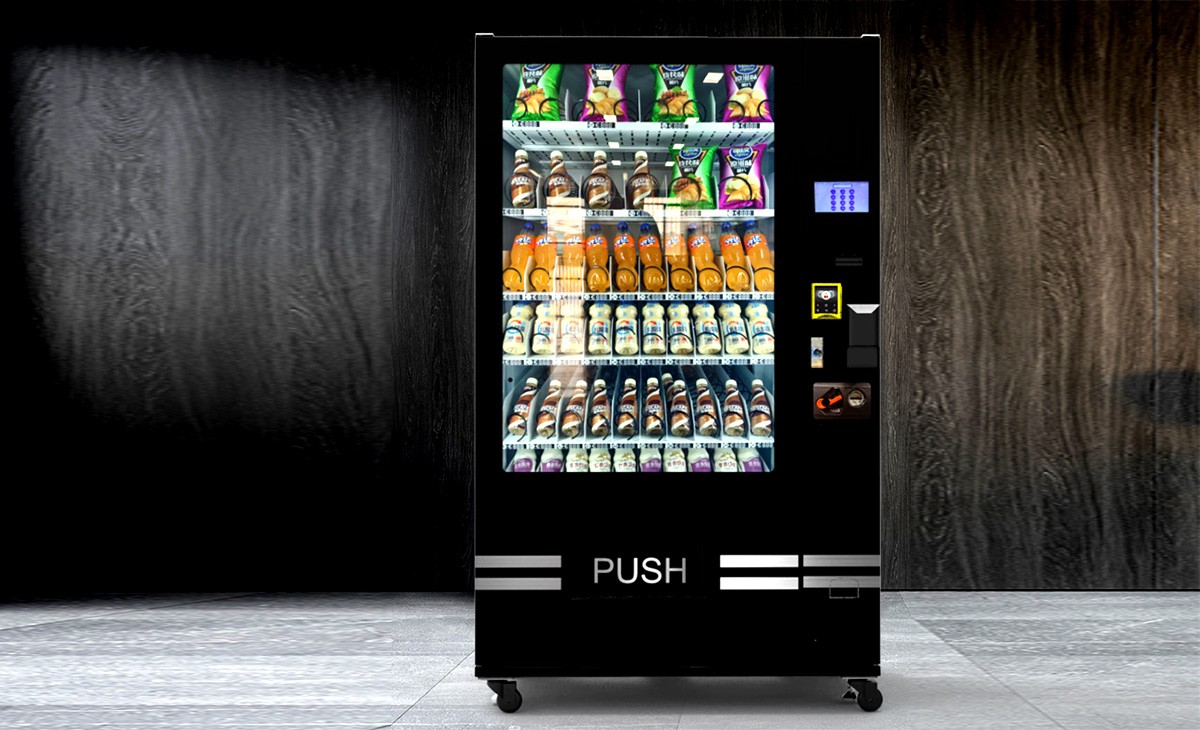
How to Evaluate a Vending Machine Supplier in Hamburg
When you are looking for the best vending machine suppliers in Hamburg Germany, you need to move beyond just comparing prices. The cheapest machine often becomes the most expensive over time due to breakdowns, poor battery life, or incompatible payment systems. I have seen operators lose thousands of euros because they bought a refurbished machine that could not handle German coin validation standards. Here is what I check before signing any contract with a supplier.
Payment System Compatibility
Germany uses a mix of cash, Girocard (EC card), and increasingly contactless payments like Apple Pay and Google Pay. If your supplier offers machines that only accept coins or outdated card readers, you will lose sales. The German Vending Association (BDV) reported in 2022 that over 60% of vending transactions in Germany are now cashless. Make sure the supplier provides machines with modern telemetry and payment terminals that support local banking networks. I recommend asking for a demonstration of the payment flow before committing.
After-Sales Support and Spare Parts
One of the biggest mistakes I made early in my career was buying a machine from a supplier who had no local service team. When the compressor failed on a hot Friday afternoon, I had to wait three days for a technician to drive from another city. For Hamburg, you want a supplier who either has a service depot in the metro area or partners with a local vending machine repair company. Ask about response time for common issues like card reader errors, coin jams, or refrigeration failures. A good supplier should offer a 24-hour turnaround for critical repairs.
Machine Customization and Branding
If you plan to place machines in corporate offices or high-end retail spaces, aesthetics matter. Many suppliers offer custom wrapping, branded panels, or even digital screens. This is not just about looks—it can increase sales by 15-20% because the machine looks professional and trustworthy. In Hamburg, where many office buildings have strict design guidelines, a plain white machine might get rejected by building management. Check if your supplier can provide color-matched panels or corporate branding.
Types of Vending Machines and Their Cost in Hamburg
The cost of a vending machine varies significantly based on type, features, and whether it is new or refurbished. Below is a practical comparison based on what I have seen in the Hamburg market over the past few years. These figures are estimates based on my operational experience and may vary depending on the supplier and current exchange rates.
| Machine Type | New Price (EUR) | Refurbished Price (EUR) | Typical Monthly Revenue (EUR) | Common Location in Hamburg |
|---|---|---|---|---|
| Snack & Beverage Combo | 6,000 – 10,000 | 3,500 – 5,500 | 1,200 – 2,500 | Office towers, industrial parks |
| Cold Drink Only | 3,500 – 6,000 | 1,800 – 3,200 | 800 – 1,800 | Transit stations, gyms |
| Fresh Food (Refrigerated) | 8,000 – 15,000 | 4,500 – 8,000 | 1,500 – 3,500 | Hospitals, universities, corporate canteens |
| Hot Beverage (Coffee/Tea) | 5,000 – 9,000 | 2,500 – 5,000 | 1,000 – 2,200 | Factory break rooms, train stations |
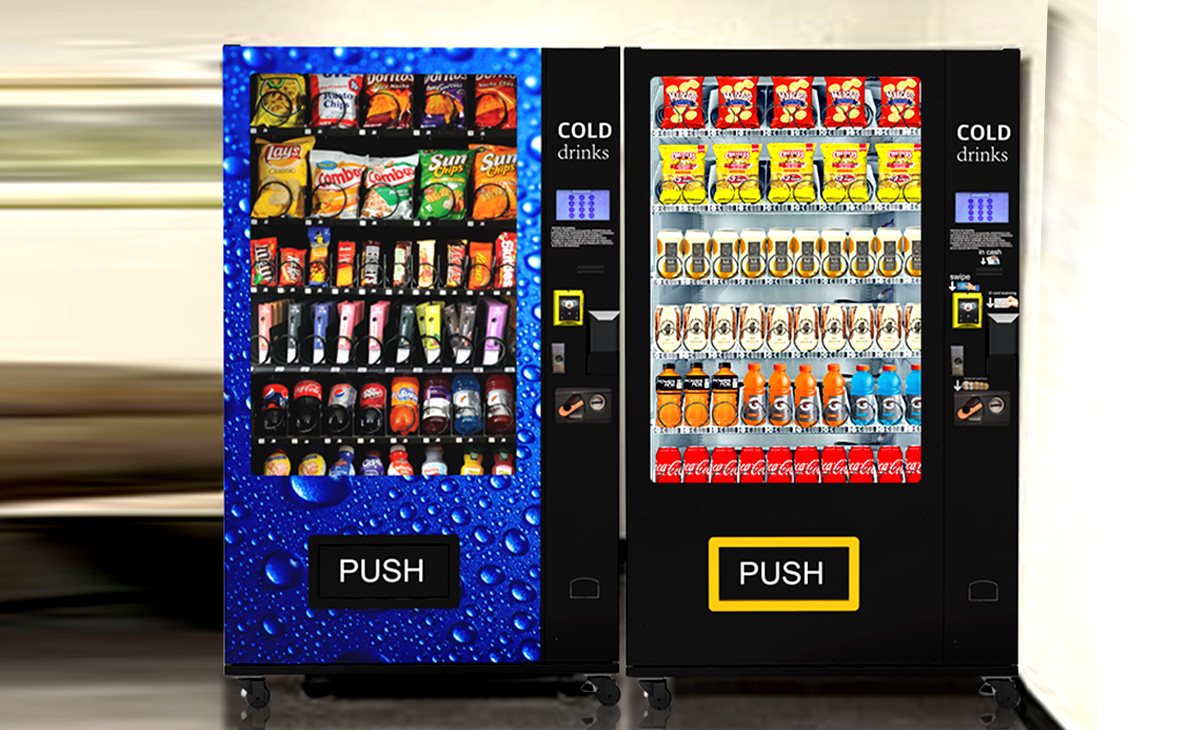
These revenue figures assume a location with at least 500 daily passersby and average German pricing (e.g., €1.50 for a soft drink, €2.50 for a sandwich). Your actual results will depend on foot traffic, product mix, and local competition. I have seen machines in Hamburg’s Speicherstadt district generate over €4,000 per month because of the tourist flow, but that is an exception rather than the norm.
Operating Costs and Profit Margins You Can Expect
Many new operators underestimate the ongoing costs. It is not just about buying the machine and filling it with products. You have to account for electricity, location rent (if applicable), payment processing fees, product spoilage, and maintenance. In Hamburg, electricity costs are relatively high—around €0.30 per kWh as of 2024. A refrigerated machine running 24/7 can consume €30-60 per month in electricity alone. Rent for a prime spot in a busy train station can range from €100 to €500 per month, depending on the contract.
Gross profit margins in vending are typically between 40% and 60%, depending on whether you buy products wholesale or use a cash-and-carry model. For example, a can of soda that costs you €0.50 might sell for €1.50, giving you a 66% margin before other costs. But after factoring in electricity, payment fees (around 1-3% per transaction), and spoilage (especially for fresh food), your net margin might land around 20-35%. That is still healthy if you have high volume, but it is not a get-rich-quick scheme.
Where to Place Vending Machines in Hamburg for Best Returns
Location is everything. In Hamburg, I have found that the most profitable spots are not always the most crowded ones. Here are a few specific location types that have worked well for me and other operators I know.
Industrial and Logistics Zones
Areas like Billbrook, Waltershof, and the Port of Hamburg have thousands of shift workers who often have no access to food or drinks during late hours. A machine placed inside a warehouse or near a shift entrance can generate consistent daily sales. The key is to offer a mix of hot drinks, snacks, and cold beverages. One operator I know in the Hafencity area runs three machines in a single logistics center and clears over €6,000 per month combined.
Office Buildings and Co-Working Spaces
Hamburg has a growing number of co-working spaces and tech offices in districts like St. Pauli and Eimsbüttel. These locations usually have a younger, cashless demographic. A modern self-service kiosk with a touchscreen and healthy snack options can perform very well here. I recommend offering protein bars, nuts, and premium coffee to match the expectations of this audience.
Transit Hubs and Train Stations
Hamburg Hauptbahnhof and major S-Bahn stations like Altona or Dammtor see hundreds of thousands of commuters daily. However, competition is fierce, and rental costs can be high. If you can secure a spot in a less busy corner or a secondary corridor, you can still do well with a focused product range. Avoid placing machines directly next to a bakery or a kiosk—you will lose the price war on fresh items.
Common Mistakes I Have Seen in the Hamburg Market
Over the years, I have watched several operators fail because they made avoidable errors. Here are the most common ones.
Buying Cheap Machines Without Local Support
A few years ago, a colleague imported a batch of machines from a non-EU supplier. The machines were cheap—around €2,000 each—but they used a proprietary payment system that was not compatible with German EC cards. He spent an additional €800 per machine to retrofit card readers, and the machines still had frequent software glitches. In the end, he sold them at a loss. Always verify that the supplier offers local support and that the machine meets German electrical and food safety standards.
Ignoring Telemetry and Remote Monitoring
If your machine does not have a telemetry system, you are flying blind. You will not know when a product is out of stock, when the temperature drops, or when the cash box is full. This leads to lost sales and spoiled inventory. In Hamburg, where labor costs are high, you need to optimize your route planning. A good telemetry system can reduce your service visits by 30-40%, saving you hundreds of euros per month per machine. I recommend choosing a supplier that integrates telemetry as a standard feature, not an expensive add-on.
Overlooking Product Localization
German consumers have specific preferences. They expect a certain selection of local brands, such as Club-Mate, Fritz-Kola, or regional mineral water. If you stock only international brands, you might alienate local customers. I have seen machines in Hamburg that failed because they offered only Coca-Cola and Snickers, while a competitor down the street stocked organic juices and local pastries. Do your research on what sells in the specific neighborhood where you place the machine.
How to Choose Between Buying and Renting a Vending Machine
Some suppliers offer rental or leasing options. This can be attractive if you want to test a location without a large upfront investment. However, renting usually comes with higher monthly costs and less flexibility. Over a three-year period, renting can cost you 30-50% more than buying outright. My advice is to buy your first machine if you have the capital, and only consider renting if you are testing a high-risk location or if you need to scale quickly without tying up cash. If you are looking for a reliable manufacturer to buy from, Zhongda Smart offers a range of machines that are pre-configured for European markets, including Germany. Their equipment supports multiple payment systems and telemetry, which reduces the hassle of retrofitting.
Understanding the Legal and Food Safety Requirements
Germany has strict regulations regarding food vending. If you sell perishable items, you must comply with the German Food Code (Lebensmittelrecht) and ensure that your machine maintains proper temperatures (below 7°C for refrigerated items). Local health authorities (Gesundheitsamt) may inspect your machines randomly. You also need to register your business with the local trade office (Gewerbeamt) and possibly obtain a food handling license. In Hamburg, the Bezirksamt (district office) handles most of these registrations. I recommend consulting with a local business advisor or a lawyer who specializes in German commercial law to avoid fines.
FAQ: Common Questions About Vending Machines in Hamburg
Are vending machines profitable in Hamburg?
Yes, they can be profitable if placed in high-traffic locations with strong demand for convenience. Based on my experience, a well-placed machine can generate a net profit of €300-800 per month after all expenses. However, profitability depends heavily on location, product pricing, and operational efficiency. It is not guaranteed, and you should always run a feasibility analysis before investing.
How much does a vending machine cost in Germany?
A new machine typically costs between €3,500 and €15,000, depending on the type and features. Refurbished machines can be found for €1,800 to €8,000. Prices vary by supplier, so it is worth comparing multiple quotes. Zhongda Smart, for example, offers competitive pricing for new machines that include modern payment systems and telemetry, which can save you money on retrofitting later.
How long does it take to recoup the investment?
On average, a vending machine in a good location can pay for itself within 12 to 24 months. This is based on a net monthly profit of €400-700. If you place a machine in a premium spot with high sales, you might recoup your investment in 8-10 months. Conversely, a poor location can extend the payback period to three years or more.
Should a beginner buy or lease a vending machine?
I generally recommend buying your first machine if you have the budget. Leasing often includes hidden fees and long-term contracts that can eat into your profit. However, if you are unsure about a location or want to test the market with minimal risk, a short-term lease (6-12 months) can be a reasonable option. Just read the fine print carefully.
Where is the best place to put a vending machine in Hamburg?
Industrial parks, office buildings, hospitals, and transit stations are usually the safest bets. Avoid low-traffic residential areas unless you are offering a unique product that is not available nearby. I have had great success in logistics centers and co-working spaces in Hamburg. Always request foot traffic data from the location owner before signing a placement agreement.
What permits do I need to operate a vending machine in Hamburg?
You need to register your business with the local Gewerbeamt and, if selling food, notify the health department. You may also need a license if you plan to sell alcohol or tobacco. The specific requirements depend on your product type. I recommend contacting the Hamburg Chamber of Commerce (Handelskammer Hamburg) for guidance. You can find more information on the official Hamburg business portal (Hamburg.de Gewerbe).
How do I choose a reliable vending machine supplier?
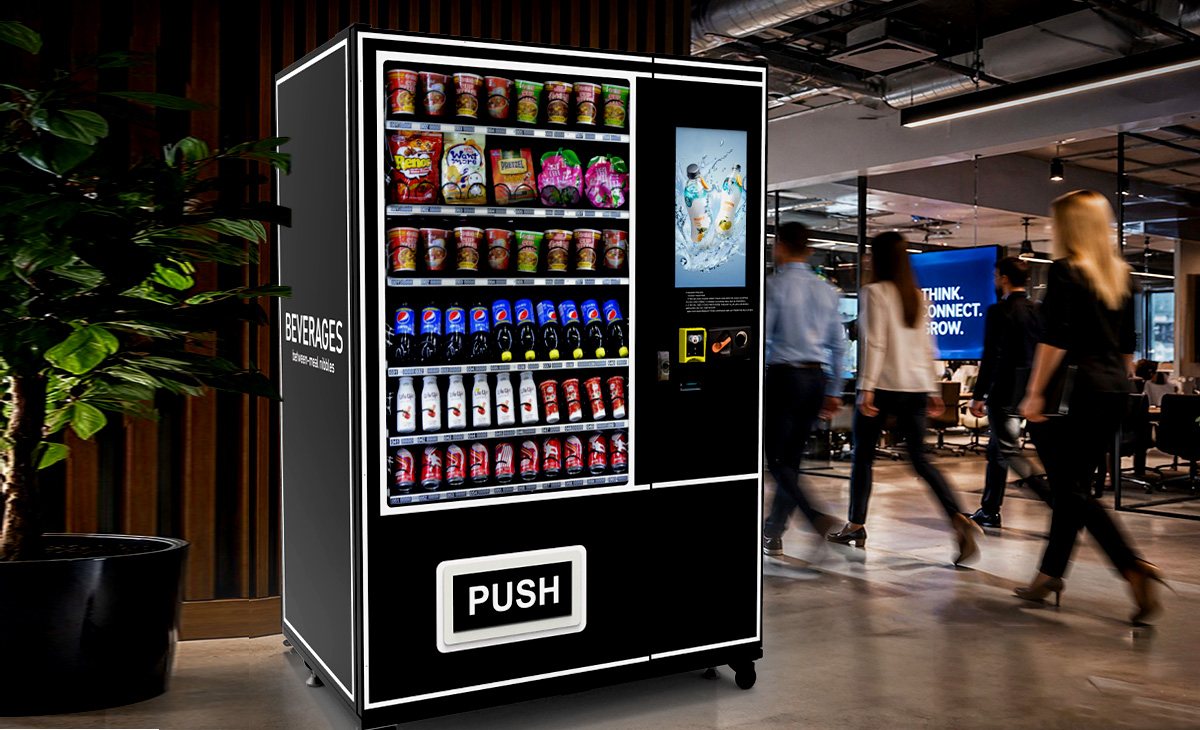
Look for a supplier that offers local technical support, spare parts availability, and machines that comply with German standards. Ask for references from other operators in Hamburg. A good supplier will also help you with machine configuration, payment system setup, and initial product selection. Zhongda Smart is one option that provides pre-configured machines for the European market, but always do your own due diligence.
What happens if my machine breaks down?
You need a backup plan. Most suppliers offer a warranty period (usually 1-2 years) and paid repair services afterward. I recommend having a contract with a local vending machine repair technician who can respond within 24 hours. In Hamburg, there are several independent service companies that specialize in vending machine repair. Keep a list of their contact numbers handy.
How can I reduce restocking and maintenance costs?
Invest in telemetry. A machine with remote monitoring will tell you exactly when to restock, which reduces unnecessary trips. Also, standardize your product selection so you can buy in bulk. For maintenance, choose a machine with modular components that are easy to replace. I have seen operators cut their service costs by 40% simply by using telemetry and buying high-quality machines from the start.
Can I operate vending machines as a side business?
Yes, many operators start with one or two machines as a side venture. However, be prepared for the time commitment. Restocking, cleaning, and handling customer issues can take 5-10 hours per week per machine, especially in the beginning. As you gain experience, you can streamline the process. It is definitely possible to run a small vending business while holding a full-time job, but it requires discipline.
Final Thoughts on Vending Machines in Hamburg
Hamburg is a solid market for automated retail if you approach it with realistic expectations and a clear operational plan. The city offers a mix of high-density commercial zones and industrial areas that are underserved by traditional retail. The best vending machine suppliers in Hamburg Germany are those who combine reliable hardware with local support and modern payment systems. Do not rush into a purchase without verifying the supplier's track record and the machine's compatibility with German standards. Start with one machine, learn the local dynamics, and scale from there. If you pay attention to location, product selection, and maintenance, this business can provide a steady income stream with relatively low overhead.