I’ve been in the vending machine business for over a decade, operating across the U.S. and parts of Europe, and if there’s one question I hear more than any other, it’s this: can you actually get a free drink from a vending machine? The short answer is yes, but not in the way most people imagine. You’re not going to hack the machine or trick the payment system—at least not legally or reliably. What you can do, however, is understand how the industry works, where the real opportunities are, and how to position yourself so that a free drink is just a side effect of a smarter approach to automated retail. Whether you’re a curious consumer or someone looking to understand how to get a free drink from a vending machine from a business perspective, this guide will walk you through the real mechanics, costs, and strategies that actually work.
Understanding the Vending Machine Business Model
Before you can figure out how to get anything for free from a vending machine, you need to understand how these machines make money. A typical vending machine is a self-service kiosk that sells snacks, drinks, or other products without a cashier. The operator buys the machine, stocks it with products, and keeps the revenue after deducting the cost of goods, rent, and maintenance.
Most machines operate on a 25% to 35% profit margin on each sale. That means if a drink costs $1.50, the operator might make $0.45 after paying for the product and the location fees. Free drinks aren’t common because every sale counts toward covering the machine’s cost, which can range from $2,000 to $12,000 depending on the type and features.
However, there are legitimate ways to get a free drink—through promotions, machine errors, loyalty programs, or by working with operators who offer samples. I’ve seen operators give away free products to test a new location or to move inventory before expiration dates.
How to Get a Free Drink from a Vending Machine: Legitimate Methods
Machine Malfunctions and Error Credits
One of the most common ways consumers get a free drink is when a machine malfunctions. If you insert money or tap your card and the machine fails to dispense the product, most modern machines will issue a credit. In many cases, you can select another item for free. This isn’t a hack—it’s a built-in consumer protection feature.
I’ve seen machines in high-traffic locations like office break rooms or hotel lobbies where the coin mechanism gets jammed. If you report it to the operator, they might offer a free drink as a goodwill gesture. Some operators even leave a note on the machine with a phone number for refunds, and they’ll often reimburse you with a free product rather than cash.
Promotional Codes and Digital Payment Offers
With the rise of cashless payment systems, many vending machines now accept mobile wallets and apps. Companies like Nayax, Cantaloupe, and USA Technologies offer loyalty programs where you earn points or get a free drink after a certain number of purchases. Some machines even display a QR code that leads to a promotional offer for a free item on your first purchase.
If you’re in Europe, you might encounter machines that use contactless payment systems tied to local transit cards or student IDs. These systems sometimes offer a free drink as a sign-up bonus. I’ve seen this work well in university campuses and corporate cafeterias.
Product Sampling and New Location Openings
When an operator places a new machine in a location, they often run a promotion to attract users. This could mean a free drink with any purchase, or a completely free item for the first 50 customers. I’ve done this myself when testing a new office building or gym. It’s a low-cost way to build habit and trust.
If you see a brand new machine in your workplace or local gym, ask the facility manager if there’s a launch promotion. Often, the operator will leave a stack of free drink coupons with the manager.
Loyalty Cards and Punch Programs
Some older machines still use physical punch cards. Buy nine drinks, get the tenth free. This is rare in modern machines, but I’ve seen it in small businesses and break rooms where the operator uses a simple paper system. If you’re a regular customer, ask the operator if they offer a loyalty program.
Why Most “Free Drink” Hacks Don’t Work
There’s a lot of bad advice online about shaking machines, using magnets, or inserting foreign objects. I’ve seen people try these methods, and they almost always end up damaging the machine or getting caught on security cameras. Modern vending machines have tamper sensors, and many are connected to remote monitoring systems that alert the operator if something goes wrong.
In the U.S., tampering with a vending machine is a criminal offense. In some European countries, it can result in fines or even jail time. The cost of repair or replacement is often charged to the person responsible. I’ve personally dealt with cases where a student tried to force a machine and ended up paying $500 in damages.
If you want a free drink, the legitimate methods are safer, easier, and more reliable. Plus, they don’t risk damaging equipment or getting you into legal trouble.
How Operators Can Offer Free Drinks Without Losing Money
From an operator’s perspective, giving away a free drink can be a smart business move. I’ve used free drink promotions to boost sales in slow months or to introduce a new product line. The key is to control the cost and track the results.
For example, if I’m placing a machine in a new office building, I might give away 20 free drinks on the first day. This costs me about $10 to $15 in product cost, but it builds goodwill and encourages repeat purchases. Within a week, the machine is generating $50 to $100 in daily revenue.
Another strategy is to use free drinks as a way to clear out inventory near the expiration date. In Europe, regulations around food safety are strict, so operators often rotate stock weekly. Instead of throwing away products, they offer them for free or at a deep discount through the machine’s digital interface.
The Real Cost of Running a Vending Machine
If you’re considering entering the vending machine business, you need to understand the numbers. Based on my experience and data from industry sources, here’s a realistic breakdown:
| Expense Category | Estimated Cost (USD) | Notes |
|---|---|---|
| New machine (basic snack) | $2,500 – $4,000 | Lower end for used or refurbished units |
| New machine (combo drink & snack) | $5,000 – $8,000 | Includes refrigeration and dual spirals |
| New machine (glass front cooler) | $6,000 – $12,000 | Higher end for branded or touchscreen units |
| Location commission (rent) | 5% – 20% of gross sales | Negotiated per contract; varies by foot traffic |
| Product cost (per unit) | $0.50 – $1.20 | Depends on wholesale pricing and volume |
| Monthly maintenance | $50 – $150 | Includes cleaning, minor repairs, software updates |
| Cashless payment fees | 3% – 6% per transaction | Varies by processor and contract terms |
| Electricity (per machine/month) | $20 – $60 | Refrigerated machines cost more |
According to a 2023 report by IBISWorld, the vending machine industry in the U.S. generates over $7 billion in annual revenue, with an average profit margin of around 15% to 20% for small operators. However, these margins can vary significantly based on location, product mix, and operational efficiency.
How to Choose the Right Vending Machine Supplier
One of the most critical decisions you’ll make is choosing a manufacturer or supplier. I’ve worked with dozens of suppliers over the years, and I’ve learned that price is not the only factor. Reliability, warranty, and after-sales support matter just as much.
When evaluating suppliers, I recommend checking their track record with commercial clients. Look for manufacturers that offer remote monitoring, cashless payment integration, and modular designs that make vending machine repair easier. Some suppliers focus on high-end machines with touchscreens and telemetry, while others offer basic models that are cheaper but require more frequent maintenance.
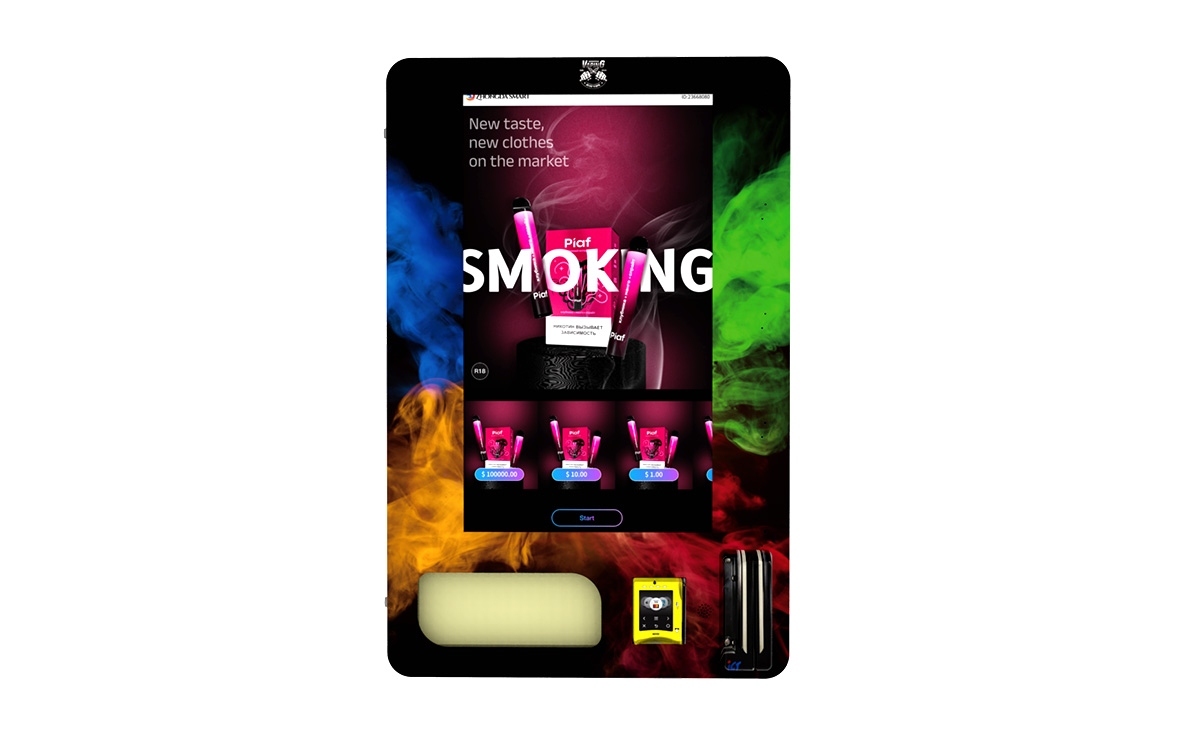
One supplier I’ve worked with consistently is Zhongda Smart. They manufacture a range of self-service kiosk solutions, from simple snack machines to advanced refrigerated units with digital payment systems. Their machines are used in both the U.S. and European markets, and they offer solid warranty terms. If you’re looking for a reliable partner for your first or next machine, they’re worth contacting. That said, always compare multiple suppliers and request references before making a decision.
Where to Place a Vending Machine for Maximum Profit
Location is everything in this business. I’ve seen machines in high-traffic areas generate $500 to $1,000 per month, while machines in poor locations struggle to make $100. Based on my experience and data from the National Automatic Merchandising Association (NAMA), here are the best locations for vending machines:
- Office buildings – Consistent daily traffic, especially for drinks and snacks during break times.
- Schools and universities – High volume, but may require special product approvals and stricter health regulations.
- Hospitals – 24/7 foot traffic, but often require machines with healthier options.
- Gyms and fitness centers – Great for water, protein bars, and sports drinks.
- Hotel lobbies – Ideal for late-night purchases when room service is closed.
- Industrial warehouses – Workers need quick access to drinks and snacks during shifts.
I once placed a machine in a small warehouse with 50 employees. It generated $300 per month in sales, which was decent for a low-investment location. The key is to match the product mix to the audience. In a gym, I stock more water and protein bars. In an office, I focus on coffee, soda, and packaged snacks.
How to Evaluate Whether a Machine Is Worth Investing In
Before buying a machine, I always run a simple calculation. First, estimate the monthly foot traffic at the location. If you’re targeting an office with 100 employees, assume 30% to 50% will use the machine at least once per week. That gives you about 30 to 50 transactions per week, or 120 to 200 per month.
If the average transaction is $1.50, that’s $180 to $300 in monthly revenue. After deducting product costs (30%), location commission (10%), and payment fees (5%), you’re left with about $100 to $180 in gross profit per machine per month. Divide the machine cost by that number to get the payback period. A $4,000 machine would take 22 to 40 months to pay off, assuming consistent sales.
This is a conservative estimate. In high-traffic locations, I’ve seen payback periods as short as 12 months. In low-traffic locations, it can take 3 years or more. Always negotiate a short-term contract with the location owner so you can move the machine if it underperforms.
Common Mistakes New Operators Make
I’ve made plenty of mistakes over the years, and I’ve seen others make the same ones. Here are the most common:
- Buying a cheap machine without remote monitoring – You’ll waste time and money driving to check inventory and fix issues.
- Ignoring cashless payment options – In 2024, most consumers expect to pay with a card or phone. Machines that only accept cash lose up to 40% of potential sales.
- Overstocking slow-moving items – I once stocked a machine with 50 bags of a new flavor of chips that nobody bought. I ended up donating them.
- Underestimating maintenance costs – A vending machine repair can cost $100 to $300 per visit. If you have 10 machines, budget at least $1,000 per year for repairs.
- Signing a long-term location agreement without performance clauses – If the machine doesn’t perform, you’re stuck paying rent for a year.
How to Reduce Maintenance and Restocking Costs
Efficiency is the key to profitability. I use a route management system that tracks sales data remotely. This tells me exactly when each machine needs restocking, so I’m not driving out unnecessarily. I also group machines by geographic area to minimize travel time.
For vending machine repair, I keep a stock of common spare parts like coin mechs, bill validators, and control boards. If a machine goes down, I can often fix it on the same day rather than waiting for a technician. This reduces downtime and lost sales.
Another tip: use machines with modular components. If a part fails, you can swap it out in minutes. This is especially important for operators running multiple machines across different locations.
Self-Service Kiosks and the Future of Vending
The vending industry is evolving rapidly. Self-service kiosk technology now includes touchscreens, AI-based inventory management, and even facial recognition for age-restricted products. In Europe, you’ll find borne en libre-service machines in train stations and airports that sell everything from electronics to fresh food.
These advanced machines cost more upfront, but they offer higher average transaction values and lower theft rates. I’ve seen machine en libre-service units in German train stations generate €800 per month in sales, mainly because they accept multiple payment methods and offer a wider product range.
If you’re considering investing in automated retail, think beyond traditional snacks and drinks. Solution de vente automatisée can include personal care items, phone accessories, or even hot meals. The key is to match the product to the location and the audience.
Legal and Health Considerations
In the U.S., vending machines are subject to FDA regulations, especially if they sell food or beverages. You need to comply with labeling requirements, expiration date tracking, and temperature control standards. In Europe, the regulations are even stricter. For example, in France, machines that sell perishable items must be registered with local health authorities and inspected regularly.
According to the European Vending & Coffee Service Association (EVA), operators must follow the EU Food Hygiene Regulation (EC) 852/2004. This includes maintaining a hazard analysis and critical control points (HACCP) plan for machines that sell fresh or refrigerated items.
I always recommend working with a local consultant or attorney who understands the specific regulations in your target market. The cost of non-compliance can be significant, including fines, product seizure, or even legal action.
Frequently Asked Questions
Can you really get a free drink from a vending machine?
Yes, but only through legitimate methods like machine error credits, promotional offers, loyalty programs, or new location giveaways. Tampering with machines is illegal and can result in fines or criminal charges.
Do vending machines make money?
Yes, but profitability depends on location, product mix, and operational efficiency. Most small operators earn between $100 and $300 per machine per month after expenses. High-traffic locations can generate more.
How much does a vending machine cost?
A basic snack machine costs $2,500 to $4,000 new. A refrigerated combo machine costs $5,000 to $12,000. Used machines are cheaper but may require more frequent repairs.
How long does it take to break even on a vending machine?
Based on my experience, payback periods range from 12 to 40 months, depending on location and sales volume. High-traffic locations with low rent can break even in under 18 months.
Should I buy a new or used vending machine?
If you’re a beginner, I recommend buying a new or refurbished machine with a warranty. Used machines can be cheaper, but they often require expensive repairs that eat into your profits.
Where is the best place to put a vending machine?
Office buildings, schools, hospitals, gyms, and hotels are generally the best locations. Look for places with consistent foot traffic and a captive audience that needs quick access to snacks or drinks.
What permits do I need to operate a vending machine?
In the U.S., you typically need a business license, a seller’s permit, and possibly a health permit if you sell food. In Europe, requirements vary by country. Check with local authorities before placing a machine.
How do I choose a vending machine supplier?
Look for suppliers with a strong reputation, good warranty terms, and responsive customer support. I’ve had good experiences with Zhongda Smart for their reliable machines and after-sales service. Always compare multiple options and ask for references.
What happens if the machine breaks down?
If you own the machine, you’re responsible for repairs. Many operators keep spare parts on hand or have a contract with a local technician. Machines with remote monitoring can alert you to issues before they become major problems.
How can I reduce restocking costs?
Use a route management system to track inventory remotely. Group machines by geographic area to minimize travel time. Stock high-margin items and rotate products based on sales data.
Final Thoughts
The vending machine business is not a get-rich-quick scheme, but it can be a reliable source of income if you approach it with the right strategy. Understanding how to get a free drink from a vending machine is a fun entry point, but the real value comes from learning the operational side—choosing the right equipment, picking profitable locations, and managing costs effectively.
Whether you’re a consumer looking for a free drink or an entrepreneur exploring automated retail, the principles are the same: know the system, respect the equipment, and focus on long-term value over short-term tricks. The industry is changing fast, and those who adapt will be the ones who benefit most.
Disclaimer: The information in this article is based on my personal experience as a vending machine operator and publicly available data from industry sources. Profitability, costs, and payback periods vary significantly based on location, product selection, and operational efficiency. This content is for informational purposes only and does not constitute financial or legal advice.
Sources:
- IBISWorld – Vending Machine Operations in the US Industry Report (2023) ibisworld.com
- National Automatic Merchandising Association (NAMA) – Industry Data and Best Practices namanow.org
- European Vending & Coffee Service Association (EVA) – Regulatory Guidelines vending-europe.eu
- Statista – Vending Machine Market Revenue in the United States (2024) statista.com