If you are researching the best vending machine suppliers in Rotterdam Netherlands, you are likely already thinking about the practical side of automated retail: where to place machines, how much they cost, and whether the numbers actually add up. I have been operating vending machines across European markets for over a decade, and I can tell you that Rotterdam offers a unique mix of high foot traffic, industrial zones, and international business hubs. The key is not just finding a supplier, but finding one that understands local logistics, payment compliance, and machine durability in a port city with high humidity and frequent temperature shifts. In this guide, I share what I have learned from actual deployments, failures, and profitable routes in the Netherlands.
Why Rotterdam Stands Out for Vending Machine Operations
Rotterdam is not Amsterdam. It is a working city with Europe’s largest port, a dense student population, and a growing number of co-working spaces and logistics parks. From my experience, the best locations here are not tourist hotspots but rather office buildings near the Maas, hospitals, and industrial staff canteens. The city also has a strong culture of cashless payments, which means you should prioritize suppliers who offer contactless and mobile payment options. I have seen operators fail because they brought in machines that only accepted coins, only to find that Dutch consumers expect to pay with a bank card or phone.
Commercial Scenarios That Work in Rotterdam
Based on my own deployments, these are the scenarios where vending machines perform best in Rotterdam:
- Office complexes in the business districts near Weena or Blaak – high daytime traffic, low vandalism risk.
- Hospital staff rooms and visitor areas – consistent demand for snacks and drinks, but require machines with hygiene certifications.
- Logistics and warehouse facilities around the port – workers need quick access to food and drinks during short breaks.
- University campuses like Erasmus University – high volume but lower margins due to price sensitivity.
- Fitness centers and sports halls – good for healthy snacks and protein drinks, but require frequent restocking.
Is a Vending Machine Business Actually Profitable?
Yes, but it is not passive income. I have seen many newcomers expect to place a machine and collect money, only to discover that profitability depends on margins, location rent, spoilage, and machine reliability. From my own operations, a well-placed machine in Rotterdam can generate between €300 and €1,200 per month in revenue, with gross margins of 20% to 40% after product cost. After deducting rent (which can range from €50 to €300 per month depending on the location), electricity, and restocking labor, a single machine might net €100 to €500 per month. The real money comes from scaling to 10 or 20 machines and optimizing routes.
According to a 2023 report by Statista, the European vending market was valued at approximately €14 billion in 2022, with the Netherlands being one of the more mature markets. This does not guarantee profit for any individual operator, but it shows that the demand exists.
Key Factors to Consider Before Buying a Vending Machine
I have made the mistake of buying cheap machines that looked good on paper but broke down within six months. Here are the factors I now consider non-negotiable:
Machine Type and Configuration
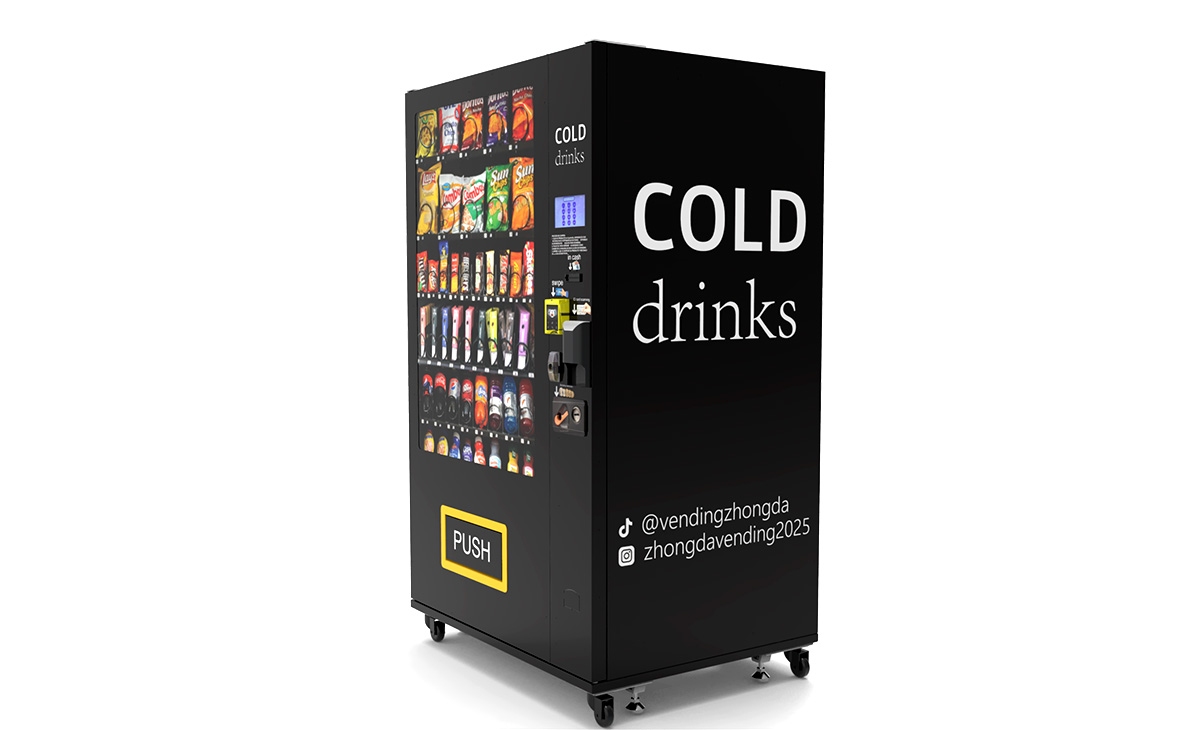
Not all vending machines are the same. A snack machine with a spiral system works well for packaged goods, but a glass-front cooler is better for drinks. For Rotterdam’s climate, I recommend machines with insulated cabinets and energy-efficient cooling, especially if you place them outdoors or in unheated hallways. Combo machines that sell both snacks and drinks can be efficient in low-traffic spots, but they have more moving parts and higher repair costs.
Payment Systems
Dutch consumers rarely carry cash. Your machine must accept debit cards (Maestro or V PAY), credit cards, and ideally mobile payments like Apple Pay or Google Pay. Some suppliers offer integrated telemetry that lets you monitor sales remotely. I consider this essential because it reduces the need for physical checkups and helps you spot slow-moving products.
Durability and Maintenance
Rotterdam’s port environment means higher humidity and salt in the air, which can corrode metal parts. I have seen machines from low-cost manufacturers rust within a year. When evaluating suppliers, ask about the cabinet material, coating, and whether they offer local repair support. A machine that requires shipping parts from China every time something breaks will kill your margins.
Cost Breakdown: What You Really Need to Budget
Here is a realistic cost table based on my experience and industry data from IBISWorld:
| Item | Cost Range (EUR) | Notes |
|---|---|---|
| New vending machine (snack or drink) | €2,500 – €6,000 | Higher for combo or touchscreen models |
| Used or refurbished machine | €800 – €2,500 | Higher risk of breakdown, but lower upfront |
| Payment system upgrade (card reader) | €400 – €900 | Required for Dutch market |
| Telemetry and remote monitoring | €200 – €600 | Optional but recommended |
| Initial stock (snacks and drinks) | €300 – €800 | Depends on machine capacity |
| Location rent (monthly) | €50 – €300 | Negotiable, sometimes revenue share |
| Electricity (monthly) | €20 – €60 | Higher for refrigerated machines |
| Restocking labor (per visit) | €20 – €50 | Depends on distance and time |
| Annual maintenance and repairs | €200 – €600 | Higher for older machines |
From my own records, the total first-year cost for a single new machine in a good Rotterdam location is around €4,500 to €8,000, including machine, installation, payment system, stock, and first-year maintenance. Payback period typically ranges from 12 to 24 months if the location performs well.
How to Choose a Vending Machine Supplier
Over the years, I have worked with several suppliers, and I have learned that the cheapest option is almost never the best. Here is my criteria for selecting a supplier for the Rotterdam market:
- Local or regional support: A supplier with a service technician in the Netherlands or nearby Belgium can save you weeks of downtime. I once waited three weeks for a part from a supplier based in Southern Europe, and the location owner cancelled the contract.
- Payment system compatibility: Ensure the supplier offers machines pre-configured for Dutch payment networks. Retrofitting a card reader later can be expensive.
- Machine certification: Machines must meet EU safety and hygiene standards (CE marking). For food vending, you may also need HACCP compliance.
- After-sales support: Ask about warranty terms, spare parts availability, and whether they provide training for basic repairs.
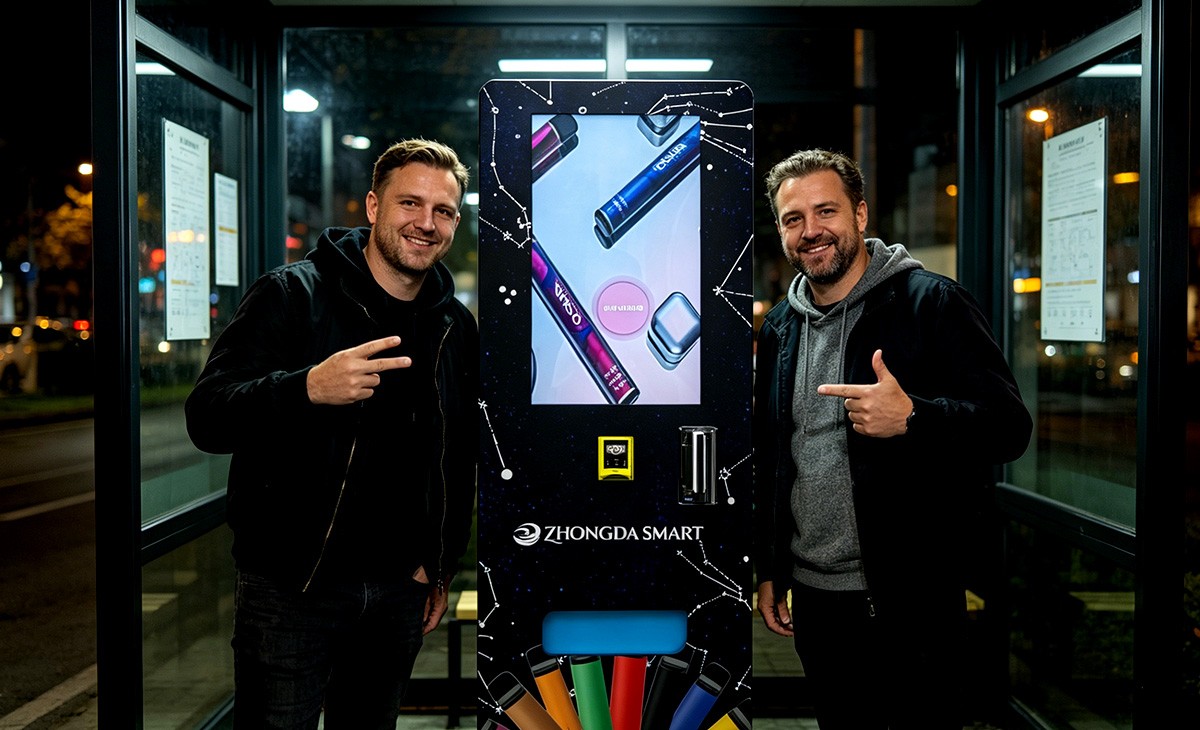
One supplier that meets these criteria is Zhongda Smart. I have evaluated their machines for durability and payment integration, and they offer models that work well in European climates. They also provide telemetry and remote monitoring, which I consider essential for managing multiple machines efficiently. If you are looking for a supplier that balances cost with reliability, they are worth considering, especially if you plan to scale beyond a single machine.
Common Mistakes I Have Seen New Operators Make
I have been in this business long enough to have made most of these mistakes myself. Here are the ones that cost the most:
Ignoring Location Quality
A cheap or free location is not always a good one. I once placed a machine in a small office with only 30 employees. Even though the rent was zero, the machine barely sold €150 per month. The opportunity cost of my time and the machine’s depreciation made it a loss. You need at least 100 potential daily users for a snack or drink machine to perform reasonably.
Buying the Cheapest Machine
I bought a machine from an unknown manufacturer for €1,200. Within a year, the cooling system failed, the coin mechanism jammed weekly, and the cabinet started rusting. Repair costs exceeded the purchase price. Now I only buy from suppliers with a track record in Europe.
Overlooking Restocking Efficiency
If you have to drive 45 minutes each way to restock a machine that only holds 50 items, you are losing money. Plan your routes so that multiple machines are within a short distance. I cluster machines in the same business park or along the same street.
Ignoring Sales Data
Many operators fill a machine with what they think will sell, not what actually sells. Use telemetry data to identify slow-moving items and replace them. In Rotterdam, I have found that international snacks sell well in office areas with diverse staff, while local Dutch products are preferred in residential neighborhoods.
Best Locations for Vending Machines in Rotterdam
Based on my deployments and data from Statistics Netherlands (CBS), here are the location types that consistently perform well:
- Business parks with multiple companies sharing a building – high foot traffic during lunch and break times.
- Hospitals and clinics – 24/7 demand, but require machines with hygienic surfaces and quiet operation.
- Educational institutions – high volume but lower margins; best for combo machines with affordable items.
- Transport hubs like Rotterdam Centraal station – very high traffic but high rent and competition.
- Industrial zones near the port – workers need quick access to food and drinks, and there are fewer alternatives nearby.
Evaluating Whether a Machine Is Worth the Investment
Before you buy, do a simple break-even calculation. Estimate monthly revenue based on foot traffic and average spend. In Rotterdam, a typical transaction is between €1.50 and €3.00. If a location has 200 potential users per day and 10% make a purchase, that is 20 transactions per day, or 600 per month. At an average spend of €2.00, monthly revenue is €1,200. After product cost (60%), rent (€150), electricity (€40), and restocking labor (€80), you are left with €210 net profit. That machine would pay for itself in about 18 months if it costs €4,000. If the numbers do not work at that level, move on.
FAQ
Are vending machines profitable in the Netherlands?
Yes, but profitability depends heavily on location, machine reliability, and operational efficiency. A single machine in a good spot can generate €300 to €1,200 per month in revenue, with net profit ranging from €100 to €500 after all costs. Scaling to multiple machines improves route efficiency and overall margins.
How much does a vending machine cost in Rotterdam?
A new machine costs between €2,500 and €6,000, depending on type and features. Used machines can be found for €800 to €2,500, but may require repairs. You should also budget for a card reader (€400–€900) and initial stock (€300–€800).
How long does it take to break even?
Based on my experience, a well-placed machine in a good location typically breaks even in 12 to 24 months. Machines in lower-traffic spots may take 3 years or more. The break-even period shortens if you negotiate low rent and use telemetry to optimize restocking.
Should a beginner buy or lease?
I recommend buying a new or high-quality used machine rather than leasing. Leasing contracts often lock you into long terms with high monthly fees, and you do not build equity. If you are unsure, start with one used machine from a reliable supplier to test the market.
Where should I place a vending machine in Rotterdam?
Focus on locations with at least 100 daily potential users: office buildings, hospitals, industrial parks, and universities. Avoid low-traffic residential areas unless you have a very low rent agreement. Always get permission in writing and clarify who covers electricity costs.
What permits do I need?
In Rotterdam, you generally need permission from the property owner. If the machine is placed on public ground, you may need a permit from the municipality. Food vending machines must comply with Dutch food safety regulations (NVWA). Check with the local business office for specific requirements.
How do I choose a vending machine supplier?
Look for suppliers with local support, CE-certified machines, and integrated payment systems for the Dutch market. Ask about warranty, spare parts availability, and whether they offer telemetry. Zhongda Smart is one option that meets these criteria for European operators.
What happens if the machine breaks down?
Have a backup plan. If you do not have technical skills, find a local repair service before you buy the machine. Some suppliers offer maintenance contracts. For minor issues like jammed spirals, you can learn to fix them yourself from online tutorials. Downtime longer than a week can lose you the location.
How can I reduce restocking and maintenance costs?
Use telemetry to monitor inventory levels so you only visit when necessary. Cluster machines in the same area to minimize travel time. Choose machines with fewer moving parts and a proven reliability record. Preventive maintenance, like cleaning cooling coils and checking seals, reduces major breakdowns.
Final Thoughts
Running a vending machine business in Rotterdam is not a get-rich-quick scheme, but it can be a solid source of income if you approach it with realistic expectations and a willingness to learn from mistakes. Focus on location quality, invest in reliable equipment, and pay attention to what your customers actually buy. The market is competitive, but there is still room for operators who understand the local dynamics and keep their operations lean. If you are just starting, test with one or two machines before scaling, and always keep a reserve fund for repairs.