If you are considering entering the automated retail space, you probably want to know one thing first: do smart vending machines actually make money? After spending over a decade placing, breaking, fixing, and moving these machines across different markets in Europe and North America, I can tell you that the answer depends less on the hardware and more on three things: location, product mix, and how you handle machine en libre-service maintenance. A smart vending machine is not a set-it-and-forget-it business. It is a retail business that happens to run on software and sensors. This complete guide will walk you through everything I have learned about selecting equipment, negotiating placement, managing restocking cycles, and calculating realistic payback periods, so you can avoid the expensive mistakes I made in my first three years.
What Exactly Is a Smart Vending Machine?
A smart vending machine is a self-service kiosk that connects to the internet, processes cashless payments, and allows remote monitoring of inventory and sales data. Unlike older machines that only accepted coins and required manual checks, a smart machine lets you see in real time which items are selling, when a product is out of stock, and whether the cooling system is failing. This connectivity transforms the vending business from a guessing game into a data-driven operation.
In my experience, the difference between a traditional machine and a smart one is not just about convenience. It is about survival. In high-rent locations like office lobbies or transit hubs, you cannot afford to have a machine sit empty for three days because you did not know a motor jammed. Remote diagnostics and telemetry data are now standard features on any decent automated retail unit. If a supplier offers a machine without these capabilities, I would walk away.
Is a Smart Vending Machine Business Profitable?
Short answer: yes, but not for everyone. According to a 2023 report by IBISWorld, the vending machine industry in the United States generates approximately $8.3 billion in annual revenue, with an average profit margin of around 15 to 20 percent per machine after all costs are accounted for. However, those numbers come from operators who know how to pick locations and manage inventory.
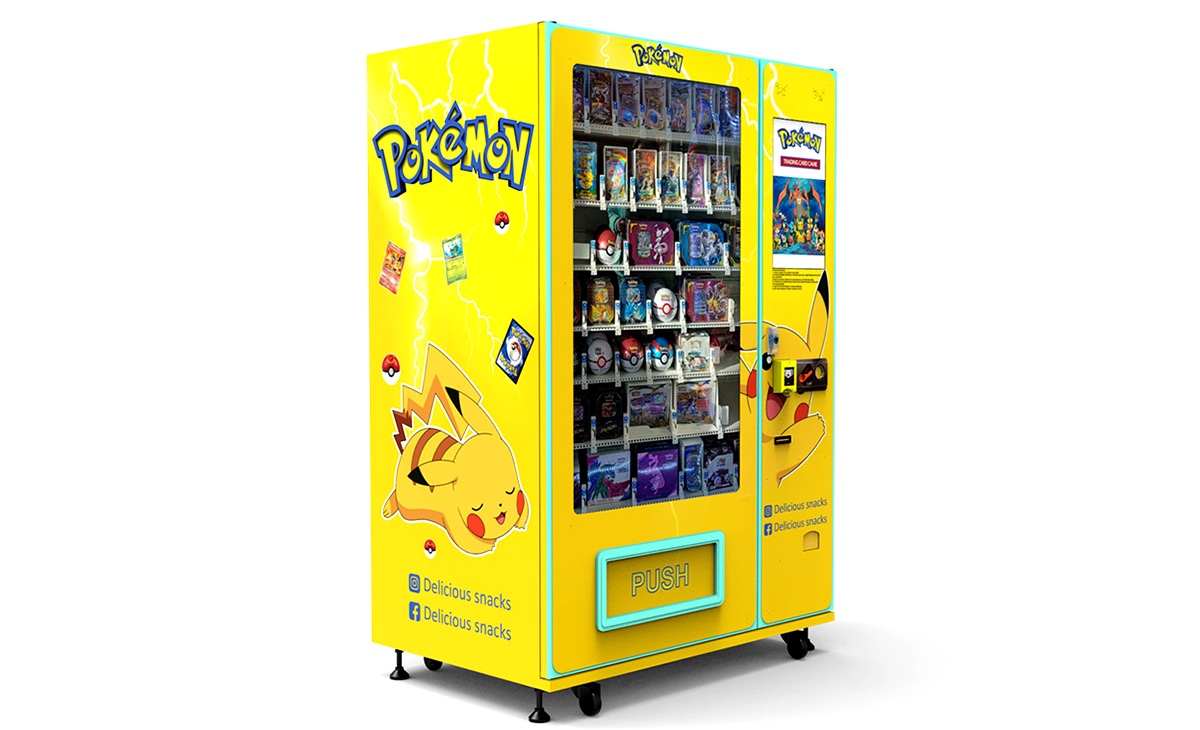
I have seen new operators lose money within six months because they placed a machine in a low-traffic break room and stocked it with overpriced candy bars. I have also seen operators hit monthly revenues of $3,000 from a single machine placed in a 24-hour gym with a good selection of protein bars and electrolyte drinks. The difference comes down to understanding foot traffic patterns, local buying habits, and the true cost of machine en libre-service upkeep.
One thing I always tell newcomers: do not trust anyone who promises you a six-month payback. In real operations, payback typically ranges from 12 to 24 months, depending on location rent, product margins, and how often you need to perform vending machine repair. If you find a spot with zero rent and high traffic, you might get closer to 10 months. But those spots are rare and usually require a relationship with the property manager.
Key Factors to Consider Before Buying a Smart Vending Machine
Location Selection
Location is everything in this business. I have moved machines from a so-so office building to a busy hospital cafeteria and seen sales triple without changing a single product. When evaluating a potential spot, I look for three things: foot traffic of at least 200 people per day, dwell time of more than 15 seconds, and a lack of direct competition within 50 meters. A busy hallway is useless if people are rushing to catch a train and have no time to stop.
I also consider the demographics of the people passing by. A machine stocked with healthy salads and cold brew coffee will fail in a warehouse loading area where workers want chips and soda. Know your audience before you sign any placement agreement. According to data from Statista, the average American spends about $42 per year on vending machine purchases, but that number jumps significantly in locations like hotels and fitness centers where convenience is valued over price.
Equipment Selection and Costs
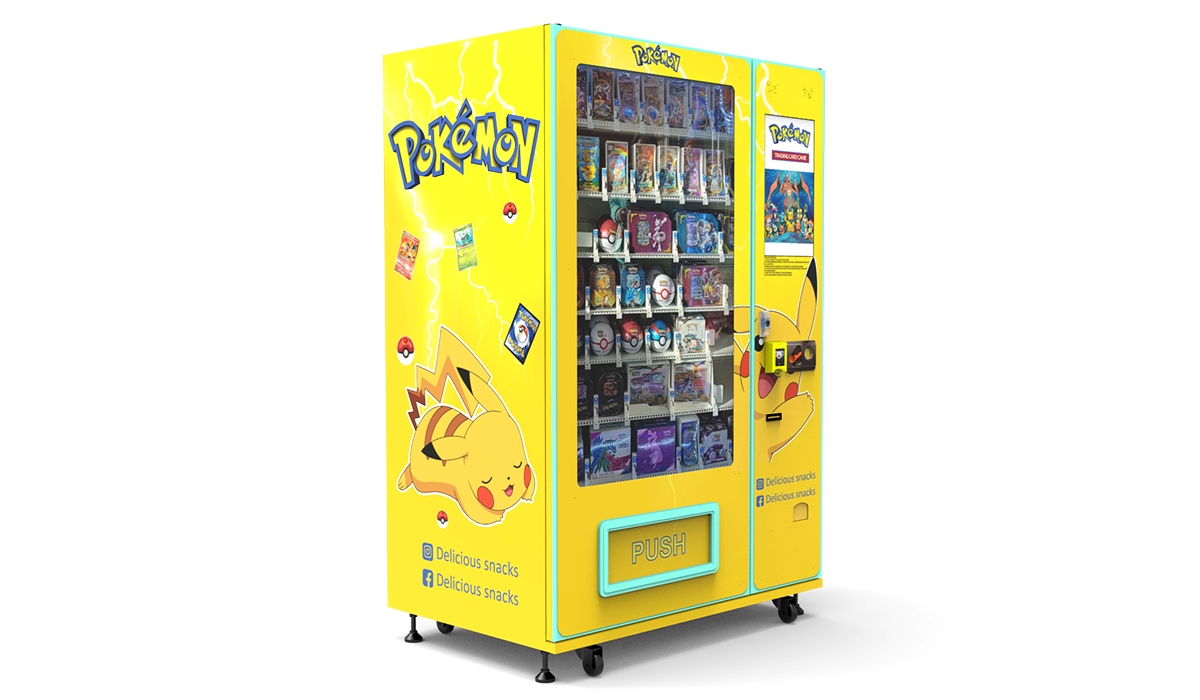
The price of a smart vending machine varies widely based on size, cooling capacity, and payment system complexity. A basic cold drink machine with a card reader and telemetry can cost between $3,500 and $6,000. A larger machine with a touchscreen, multiple temperature zones, and a robotic gantry system can run from $8,000 to $15,000. I have used machines from various suppliers over the years, and one brand that consistently delivers reliable hardware without excessive markup is Zhongda Smart. Their units offer solid build quality, easy-to-use remote management software, and responsive customer support for vending machine repair issues. I recommend looking at their mid-range models if you are starting out.
Do not make the mistake of buying the cheapest machine you can find. I bought a budget unit once, and the card reader failed every three weeks. The cost of lost sales and repair visits ate up any savings from the lower purchase price. Invest in quality equipment from the beginning. It will save you money in the long run.
Payment Systems
Cashless payment is no longer optional. In Europe and North America, the majority of consumers do not carry coins or small bills. A smart vending machine must accept credit cards, debit cards, Apple Pay, Google Pay, and ideally local digital wallets. The payment terminal should support NFC and EMV chip technology. I have seen machines in Germany that failed because they only accepted coins, and the local customers simply walked past them.
Transaction fees for card payments typically range from 2.5 to 4 percent per sale. That eats into your margin, but the increase in sales volume more than makes up for it. In my experience, adding cashless payment increases revenue by 25 to 40 percent on average. If your supplier offers a built-in payment system with competitive rates, take it. If not, you can integrate third-party terminals like those from Nayax or Cantaloupe.
Operating Costs and Maintenance
Many first-time buyers underestimate the ongoing costs of running a smart vending machine. Here is a realistic breakdown based on my own operations:
| Cost Category | Estimated Monthly Cost (per machine) | Notes |
|---|---|---|
| Inventory (products) | $400 – $800 | Depends on machine size and product type |
| Location rent or commission | $50 – $300 or 10–20% of sales | Higher for prime spots like airports |
| Payment processing fees | $30 – $100 | 2.5–4% of gross sales |
| Telemetry and software | $20 – $50 | Remote monitoring subscription |
| Electricity | $15 – $40 | Higher for refrigerated units |
| Vending machine repair and maintenance | $30 – $100 | Average over 12 months |
| Restocking labor | $100 – $300 | Assuming 2–3 visits per month |
Total monthly operating costs typically range from $650 to $1,700 per machine. If your gross monthly revenue is $1,500, your net profit could be anywhere from $300 to $850. That is a healthy margin if you manage costs well. But if your machine is in a low-traffic location and only does $600 in sales, you will lose money every month.
How to Choose a Supplier or Manufacturer
Selecting the right supplier is as important as selecting the right location. I have worked with manufacturers from China, Europe, and the United States. Here are the criteria I use to evaluate a potential partner:
- After-sales support: Do they have a local service network or at least a responsive remote support team? When a machine breaks down, you cannot wait two weeks for a replacement part. I have had good experiences with Zhongda Smart in this regard. Their support team responds within 24 hours, and they ship spare parts quickly.
- Software reliability: The remote management platform should be intuitive and stable. Ask for a demo before you buy. Test the dashboard yourself.
- Customization options: Can they configure the machine for your specific product sizes and packaging? Some snacks and drinks require custom coil or tray configurations.
- Warranty terms: A minimum of two years on the compressor and one year on electronics is standard. Anything less is a red flag.
- References: Ask for contact information of three operators who have used their machines for at least one year. Call them. Most operators are happy to share honest feedback.
Do not be swayed by a low price alone. A machine that costs $2,000 less upfront but requires frequent vending machine repair visits will cost you more in the first year. Pay for reliability.
Common Mistakes New Operators Make
I have seen the same mistakes repeated by newcomers year after year. Here are the most common ones, along with the lessons I learned the hard way:
- Overstocking the machine: New operators often fill every slot with the same product, thinking more inventory means more sales. In reality, variety drives sales. I recommend stocking no more than three facings of any single item unless it is a proven top seller.
- Ignoring seasonal changes: Sales of cold drinks drop by 30 to 40 percent in winter in northern Europe and Canada. If you do not adjust your product mix, you will be left with expired inventory. I learned to swap in hot beverages and shelf-stable snacks during colder months.
- Choosing the wrong payment system: I once installed a machine that only accepted credit cards with a chip, not contactless. In a city where most people used their phones to pay, that machine was dead on arrival. Always prioritize contactless payments.
- Underestimating restocking time: A full restock of a 40-slot machine takes about 20 to 30 minutes if you are organized. But if you have to drive 45 minutes each way to reach the location, that adds significant labor cost. I now cluster my machines within a 10-mile radius to minimize travel time.
- Neglecting machine cleanliness: A dirty machine signals neglect. Customers will not buy from a machine with sticky buttons or a dirty screen. I clean every machine every two weeks, and I replace scratched or faded decals immediately.
Best Locations for Smart Vending Machines
Not all high-traffic locations are profitable. Here is a ranking of location types based on my actual revenue data and industry benchmarks:
| Location Type | Average Monthly Revenue | Foot Traffic Required | Key Considerations |
|---|---|---|---|
| 24-hour fitness centers | $1,800 – $3,500 | 300+ people/day | Stock protein bars, shakes, water, electrolyte drinks |
| Hospital staff break rooms | $1,200 – $2,500 | 200+ people/day | Healthy options, coffee, snacks |
| Office building lobbies | $800 – $1,800 | 150+ people/day | Lunch items, cold drinks, coffee |
| Hotel lobbies | $700 – $1,500 | 100+ guests/day | Toiletries, snacks, local items |
| Transit stations | $600 – $1,200 | 500+ people/day | Quick grab items, drinks, gum |
| College campuses | $500 – $1,000 | 200+ students/day | Budget-friendly snacks, drinks |
Note that these figures are based on my own operational data and conversations with other operators in the US and UK. Your actual results will vary depending on local pricing, rent, and competition. Always test a location for at least three months before committing to a long-term lease.
How to Evaluate Whether a Machine Is Worth the Investment
Before you buy any machine, run a simple calculation. Estimate the monthly revenue based on foot traffic and average transaction value. Subtract all operating costs, including rent, restocking, payment fees, and an allowance for vending machine repair. Divide the net monthly profit by the total upfront investment. If the result gives you a payback period of 24 months or less, it is worth considering. If the payback period stretches beyond 30 months, look for a better location or a lower-cost machine.
I also recommend factoring in a 10 percent buffer for unexpected costs. In my first year, I had to replace a compressor that failed under warranty but still cost me $150 in labor and lost sales. Small surprises add up. Plan for them.
Food Safety and Regulatory Compliance
In Europe and North America, smart vending machines that sell perishable food must comply with local health and safety regulations. In the European Union, this means following Regulation (EC) No 852/2004 on food hygiene. In the United States, the FDA Food Code applies. Machines that sell items requiring refrigeration must maintain a temperature of 4°C (40°F) or below. I have seen operators fined for failing to log temperature checks, so invest in a machine that automatically records and reports temperature data.
If you plan to operate in France, you need to register with the Direction Départementale de la Protection des Populations (DDPP) and follow the guidelines from Service-Public.fr. In Germany, the local Gewerbeamt requires a trade license for vending machine operations. Always check local requirements before you install your first machine. Ignorance is not a defense, and fines can wipe out months of profit.
Frequently Asked Questions
Do smart vending machines make money?
Yes, but profitability depends on location, product selection, and cost management. Most operators see net profit margins of 15 to 20 percent after all expenses. However, poorly placed machines can lose money.
How much does a smart vending machine cost?
A basic smart machine with cashless payment and telemetry costs between $3,500 and $6,000. Larger, more advanced models can cost $8,000 to $15,000. Used machines are available for less, but they often come with higher maintenance costs.
How long does it take to recoup the investment?
Based on my experience, the average payback period is 12 to 24 months. High-traffic locations with low rent can pay back in 10 months. Low-traffic locations may never pay back.
Should a beginner buy or lease a machine?
Buying is better in the long run if you have the capital. Leasing often comes with higher monthly costs and restrictive terms. I recommend buying one or two machines outright to start, then scaling up once you understand the operational demands.
Where should I place my first machine?
Look for locations with at least 200 people passing by per day, a few seconds of dwell time, and no direct competition. Fitness centers, hospital break rooms, and office lobbies are good starting points.
What permits or licenses do I need?
Requirements vary by country and city. In the US, you typically need a business license and a sales tax permit. In the EU, you need a trade license and must register with local food safety authorities if selling perishable items. Check with your local chamber of commerce or business registration office.
How do I choose a supplier?
Look for a supplier with solid after-sales support, reliable software, and a good warranty. Ask for references and call them. I have found Zhongda Smart to be a dependable option for mid-range machines with good remote management features.
What happens if the machine breaks down?
Most issues can be diagnosed remotely through the telemetry system. For hardware failures, you will need a local technician or a replacement part from your supplier. Keep a stock of common spare parts like motors and card readers to minimize downtime.
How can I reduce restocking and maintenance costs?
Cluster your machines within a small geographic area to minimize travel time. Use sales data to optimize your product mix and reduce overstocking. Schedule routine cleaning and maintenance to prevent major breakdowns.
Final Thoughts from a Seasoned Operator
Running a smart vending machine business is not a passive income scheme. It requires consistent attention to detail, a willingness to learn from mistakes, and a realistic understanding of costs. But for those who approach it with the right mindset, it can be a solid, scalable business with predictable returns. Start small, test your locations thoroughly, and invest in quality equipment from the beginning. The market for automated retail is growing, and there is room for operators who do the work properly.
This article was updated in May 2025.