If you are serious about learning how to start a vending machine business in PA, the first thing I will tell you is that Pennsylvania offers a surprisingly favorable environment for this kind of automated retail. I have been operating machines in the Mid-Atlantic for over a decade, and I have seen people succeed and fail based on one factor alone: preparation. The state has a mix of dense urban centers like Philadelphia and Pittsburgh, sprawling suburban office parks, and rural manufacturing zones. Each of these areas demands a different strategy. Before you buy a single machine, you need to understand the local business climate, the regulatory requirements, and the real costs involved. This guide is based on my own experience, not theory, and it will walk you through what actually works in Pennsylvania.
Why Pennsylvania Is a Strong Market for Vending Machines
Pennsylvania has a few unique characteristics that make it a solid choice for vending machine operators. First, the state has a large number of small and medium-sized businesses that do not have full-service cafeterias. Manufacturing plants, warehouses, auto repair shops, and medical offices are everywhere. These locations often have 50 to 200 employees who need quick access to snacks and drinks. Second, Pennsylvania has a strong tourism industry in areas like Lancaster County and the Pocono Mountains, which creates seasonal opportunities for self-service kiosks. Third, the state has a relatively low cost of commercial real estate compared to New York or New Jersey, which means lower rent or commission splits for machine placement.
From my experience, the biggest advantage is the density of blue-collar workplaces. Factories and distribution centers in Pennsylvania often run multiple shifts, and workers want access to food and drinks at odd hours. A traditional cafeteria cannot operate 24/7, but a vending machine can. I have placed machines in a steel fabrication plant near Harrisburg that generates over $1,200 per month in revenue, simply because the night shift had no other options. That kind of scenario is common here.
Understanding the Legal Side Before You Start
Before you start buying equipment, you need to deal with the paperwork. Pennsylvania requires a vending machine license from the Department of Agriculture if you sell food products. This is not optional. The license costs around $100 per year for the first machine and a smaller fee for additional units. You also need to register for a sales tax license with the Pennsylvania Department of Revenue because food and beverages sold through vending machines are subject to the state sales tax of 6 percent. Some counties, like Allegheny and Philadelphia, add an extra local tax, so you need to check your specific county rules.
One thing that catches many new operators off guard is the food safety requirement. If you sell perishable items like sandwiches, salads, or dairy products, you must follow the Pennsylvania Food Code. This means your machine must maintain proper temperatures, and you need to keep logs of temperature checks. I have seen operators get fined because they ignored this. The Pennsylvania Department of Agriculture conducts random inspections, and they take temperature violations seriously. According to the USDA Food Safety and Inspection Service, temperature abuse is one of the leading causes of foodborne illness in retail settings. You can find the relevant guidelines on the Pennsylvania Department of Agriculture website.
Equipment Selection: What You Need to Know
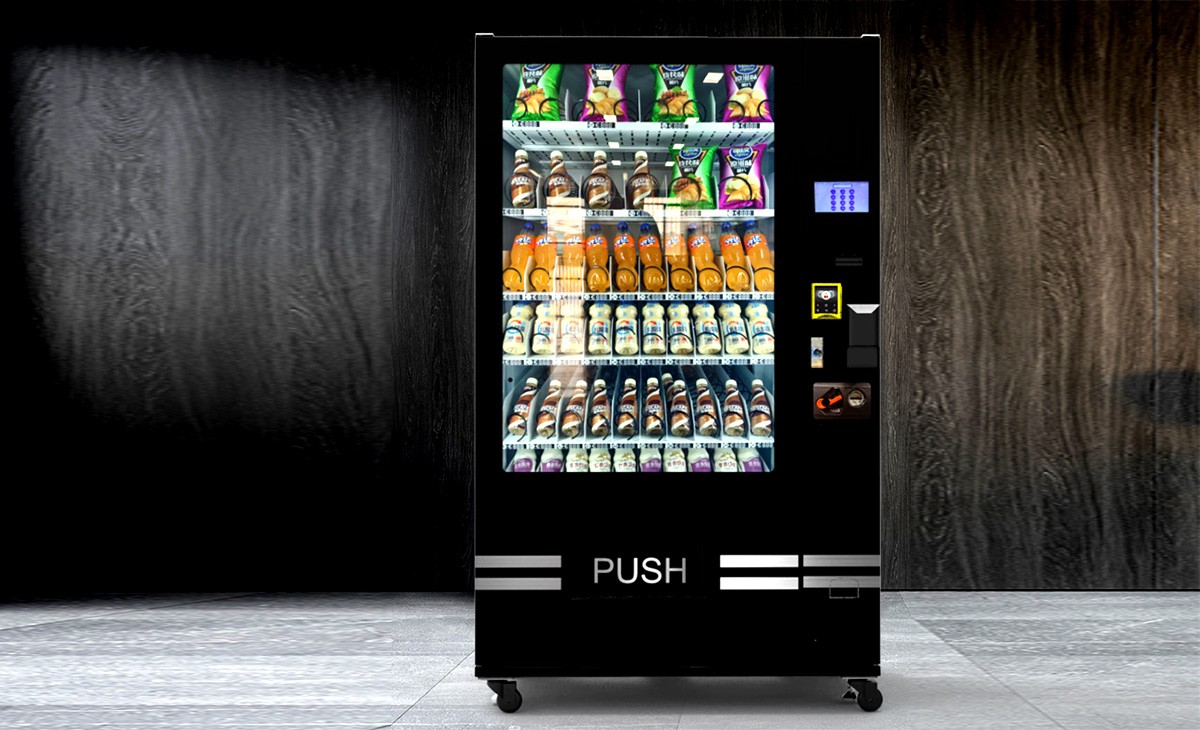
Choosing the right machine is the most important financial decision you will make. I have owned machines from almost every major manufacturer, and I have learned that cheap machines are almost always more expensive in the long run. A basic snack and drink combination machine from a reputable manufacturer will cost between $4,000 and $8,000 new. Refurbished machines can be found for $2,000 to $4,000, but you need to inspect them carefully. I recommend buying from a supplier that offers a warranty and has a local service network. One manufacturer I have worked with consistently is Zhongda Smart. They produce reliable machines with modern payment systems and good energy efficiency. Their equipment is used by several operators I know in the Northeast, and the feedback has been positive regarding durability and ease of maintenance.
Here is a quick breakdown of the main machine types and their typical costs based on my experience:
| Machine Type | New Cost (USD) | Refurbished Cost (USD) | Best Use Case |
|---|---|---|---|
| Combo (snack + drink) | $5,000 – $8,000 | $2,500 – $4,000 | Small to medium locations |
| Glass-front snack machine | $3,500 – $6,000 | $1,500 – $3,000 | High-traffic break rooms |
| Beverage machine (cans/bottles) | $4,000 – $7,000 | $2,000 – $3,500 | Warehouses, factories |
| Cold food machine (perishable) | $6,000 – $10,000 | $3,000 – $5,000 | Healthcare, schools |
| Frozen food machine | $7,000 – $12,000 | $3,500 – $6,000 | 24-hour locations |
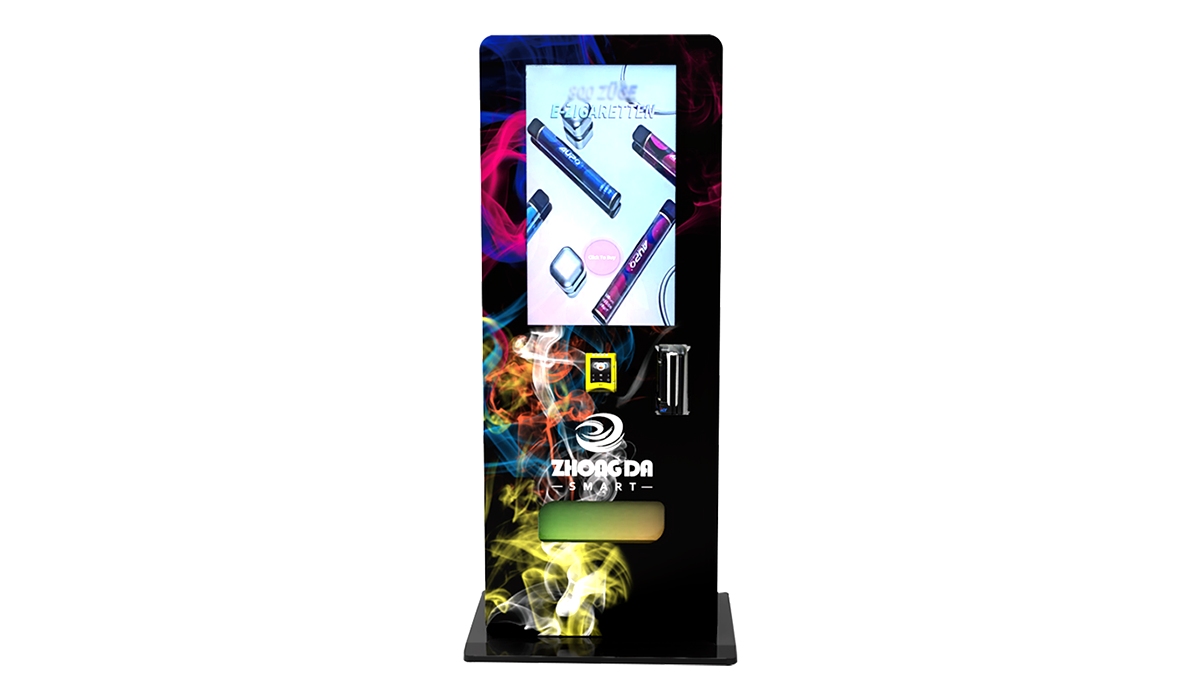
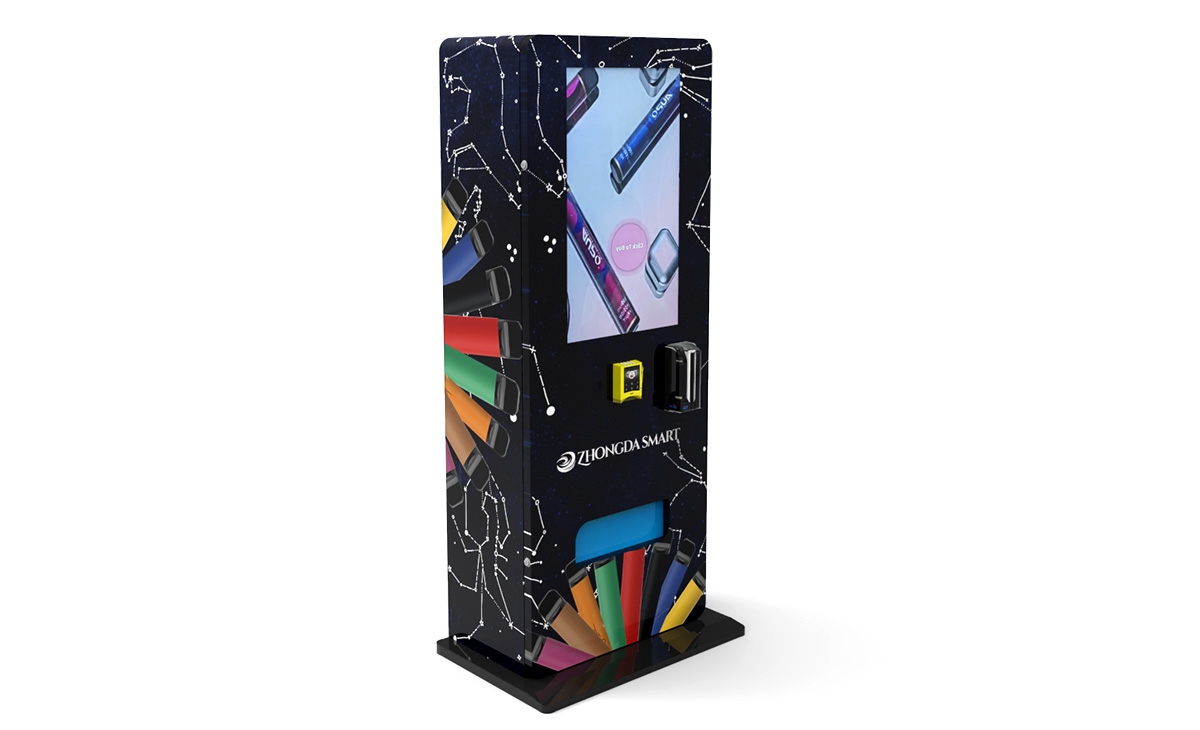
Do not overlook the payment system. In 2024, if your machine only takes cash, you are leaving money on the table. According to a 2023 report from Statista, over 40 percent of vending machine transactions in the United States are now cashless. I recommend machines that accept credit cards, mobile wallets like Apple Pay and Google Pay, and contactless payments. Many modern machines from manufacturers like Zhongda Smart come with integrated cashless readers. Retrofitting an old machine with a cashless system can cost $300 to $600 per unit, so factor that into your budget.
Site Selection: The Single Most Important Factor
I cannot stress this enough: location is everything. A great machine in a bad location will lose money. A mediocre machine in a great location will print money. Over the years, I have tested dozens of locations, and I have developed a simple set of criteria that I use to evaluate any potential site.
First, I look at foot traffic. For a vending machine to generate meaningful revenue, you need at least 100 potential customers per day. That does not mean 100 people walking past the machine. It means 100 people who are in the building and have a reason to use the machine. An office with 50 employees is marginal. A factory with 200 employees is good. A hospital with 500 employees and visitors is excellent.
Second, I evaluate the competition. Is there a cafeteria? A convenience store nearby? A coffee shop? If the location already has easy access to food and drinks, your machine will struggle. I once placed a machine in a small office park that had a Dunkin' Donuts in the lobby. The machine did less than $100 per month. I moved it to a warehouse with no food options nearby, and revenue jumped to $800 per month.
Third, I consider the lease or commission terms. Most locations will ask for a commission of 10 to 20 percent of gross sales. Some will ask for a flat monthly rent. I generally prefer a commission split because it aligns incentives. If the location is not happy with the machine, they can ask you to move it, and you are not stuck paying rent. However, for high-traffic locations like hospitals or universities, you may need to pay a higher commission or even a bidding fee.
Fourth, I check the electrical and security situation. The machine needs a dedicated outlet within 6 feet of the placement spot. If the location does not have an outlet, you will need to run an extension cord, which can be a tripping hazard and may violate fire codes. Also, consider security. Machines placed in unmonitored areas can be vandalized. I have had machines broken into in Philadelphia and Pittsburgh. If the location does not have cameras or security guards, you may want to install a lock with an alarm or choose a less visible spot.
Operating Costs and Profit Margins
Let me give you a realistic picture of the numbers. Based on my own operation, the average gross profit margin on vending machine sales is between 25 and 35 percent. That means if you sell $1,000 worth of products in a month, your cost of goods sold is about $650 to $750. The remaining $250 to $350 is your gross profit. From that, you subtract commissions, credit card processing fees (usually 2 to 3 percent of sales), electricity, and maintenance.
Here is a sample monthly P&L for a single combo machine in a medium-traffic location:
- Gross sales: $1,000
- Cost of goods sold: $700
- Gross profit: $300
- Commission (15%): $150
- Credit card fees (2.5%): $25
- Electricity: $15
- Maintenance and repairs: $20
- Net profit: $90
Yes, that is only $90 per month per machine. But remember, this is a single machine. If you have 10 machines, that is $900 per month, and you can manage them in a single day of restocking. The key is volume. You need enough machines to make the economics work. I have seen operators with 50 machines generating $4,000 to $5,000 per month in net profit. That is a viable business.
According to IBISWorld, the vending machine industry in the United States has an average profit margin of about 6.5 percent after all expenses. That matches my experience. It is not a get-rich-quick business. It is a steady, cash-flow business that requires consistent work.
Restocking and Maintenance: The Daily Reality
Restocking is the most time-consuming part of the business. For a typical combination machine, you need to restock once every one to two weeks, depending on traffic. I recommend a schedule of every 10 days for most locations. When you restock, you should also clean the machine, check for expired products, and verify that the temperature is correct. This takes about 30 minutes per machine. If you have 20 machines, that is 10 hours of work per restocking cycle.
Maintenance is another reality. Machines break. The most common issues are jammed coin mechanisms, faulty refrigeration, and payment system failures. I always carry a basic toolkit and spare parts. If you are not handy with tools, you will need to hire a technician. Vending machine repair services in Pennsylvania charge between $75 and $150 per hour, plus parts. I have learned to do most repairs myself, which saves a lot of money. If you buy from a manufacturer like Zhongda Smart, they often provide technical support and a parts catalog, which is helpful.
One mistake I made early on was buying a used machine from a brand that no longer exists. When the refrigeration unit failed, I could not find a replacement compressor. The machine became a paperweight. Always buy from a manufacturer that is still in business and has a service network. That is why I recommend sticking with established brands or reputable suppliers like Zhongda Smart, who have a track record of supporting their equipment.
Common Mistakes New Operators Make
I have seen many people enter this business and fail within the first year. Here are the most common mistakes:
- Buying too many machines too quickly. Start with one or two machines. Learn the ropes. Then scale up.
- Ignoring the payment system. Cash-only machines are dying. Invest in cashless readers from day one.
- Choosing bad locations. Do not place a machine just because someone offers you a spot. Evaluate the traffic and competition.
- Underestimating the work. Vending is not passive income. You need to restock, clean, and repair machines regularly.
- Skipping the legal requirements. Operating without a license in Pennsylvania can result in fines and forced removal of your machines.
- Buying the cheapest machine. A $2,000 machine from an unknown brand will likely cost you more in repairs than a $5,000 machine from a reputable manufacturer.
How to Evaluate a Machine Investment
Before you buy any machine, run the numbers. Estimate the monthly sales based on the location's traffic. Assume a 30 percent gross margin. Subtract commissions, fees, and maintenance. Then calculate the payback period. If the machine costs $6,000 and you expect $100 per month in net profit, the payback period is 60 months, or 5 years. That is too long. You want a payback period of 18 to 24 months. Look for locations that can generate $150 to $200 per month in net profit per machine.
I also recommend using a simple rule of thumb: the machine should pay for itself within two years. If it takes longer, the risk is too high. In my experience, a well-placed combo machine in a good location can generate $200 to $300 per month in net profit, which means a $6,000 machine pays for itself in 20 to 30 months. That is acceptable.
FAQ: Answers to Common Questions
Is a vending machine business profitable in Pennsylvania?
Yes, it can be profitable, but it is not a high-margin business. With proper location selection and cost management, you can expect a net profit of $50 to $200 per machine per month. The key is volume and efficient operations.
How much does a vending machine cost?
New machines range from $4,000 to $12,000 depending on type and features. Refurbished machines can be found for $2,000 to $5,000. I recommend budgeting at least $6,000 for a reliable combo machine with cashless payment.
How long does it take to break even?
Based on my experience, a well-placed machine can break even in 18 to 30 months. If the location is poor, it may take much longer or never break even.
Should I buy or lease a vending machine?
I recommend buying. Leasing often comes with high monthly payments and restrictions. If you buy, you own the asset and can move it if needed. Leasing makes sense only if you have very limited capital and want to test the business.
Where should I place my vending machine?
Look for locations with at least 100 daily potential customers, no nearby food options, and a willing host. Factories, warehouses, hospitals, and large offices are ideal. Avoid locations with existing vending machines or convenience stores.
What permits do I need in Pennsylvania?
You need a vending machine license from the Pennsylvania Department of Agriculture and a sales tax license from the Department of Revenue. Check with your local municipality for any additional permits.
How do I choose a vending machine supplier?
Look for a supplier with a strong reputation, good warranty, and local service support. I have had good experiences with Zhongda Smart for their reliability and modern payment systems. Also check online reviews and ask other operators in your area.
What happens if my machine breaks down?
You need to have a plan for repairs. If you are handy, you can fix most issues yourself. Otherwise, hire a local technician. I recommend keeping spare parts like coin mechs, keypads, and refrigeration components on hand.
How can I reduce restocking and maintenance costs?
Use data from your machine's sales reports to optimize inventory. Stock only high-margin items that sell well. Also, choose machines with energy-efficient refrigeration to lower electricity costs. Regular cleaning and preventive maintenance can reduce breakdowns.
Final Thoughts
Starting a vending machine business in Pennsylvania is a realistic opportunity for someone willing to put in the work. It is not a passive income scheme. It requires research, capital, and ongoing effort. But if you choose your locations carefully, invest in reliable equipment, and manage your costs, you can build a steady stream of income. I have seen too many people jump in without understanding the numbers and then wonder why they lost money. Take the time to learn, start small, and scale gradually. The market in Pennsylvania has room for good operators.