If you’re looking for the best vending machine suppliers in Ghent Belgium, you’re likely trying to figure out whether this business is worth your time and money. I’ve spent over a decade placing, servicing, and scaling vending operations across Europe, and I can tell you this: Ghent is a strong market for automated retail, but only if you choose the right equipment and the right partner. The city’s mix of university students, office workers, and high foot traffic in areas like the historic center and the Port of Ghent creates real opportunities. But the wrong supplier can turn a promising location into a money pit. In this guide, I’ll walk you through what I’ve learned from real installations—what works, what doesn’t, and how to pick a supplier that won’t leave you stuck with broken machines and empty shelves.
Why Ghent Is a Strong Market for Vending Machines
Ghent has a unique demographic mix that makes it ideal for vending. The city hosts over 80,000 students at Ghent University and University College Ghent. That alone creates high demand for quick, affordable snacks and drinks. Add in the commercial districts, the port area, and the growing number of co-working spaces, and you have a market where a well-placed machine can generate consistent daily sales.
I’ve placed machines in student housing complexes and office break rooms here, and the results are solid. The key is matching the machine type to the location. A snack machine in a student dorm will outperform a coffee machine in the same spot, because students want quick bites between classes. In an office, coffee machines often bring in twice the revenue of snack machines. Understanding this before you buy is critical.
From a regulatory standpoint, Belgium is straightforward for vending operators. You need to register your business, comply with food safety rules (HACCP), and ensure your machines meet CE marking standards. The Flemish government also requires that you register as a food business operator if you sell any perishable items. That’s a simple online process, but don’t skip it—fines can be steep.
What Makes a Good Vending Machine Supplier?
After working with dozens of suppliers across Europe, I’ve learned that a good supplier isn’t just about the lowest price. It’s about reliability, after-sales support, and machine durability. When you’re looking for the best vending machine suppliers in Ghent Belgium, you want a partner who can provide local service or at least quick access to spare parts. A machine that breaks down for a week can lose you a month’s profit.
Key Criteria for Choosing a Supplier
- Machine Build Quality: Look for stainless steel cabinets, reliable compressors (if you’re selling cold items), and tamper-proof payment systems. Cheap machines often use thin metal that dents easily and rusts in humid environments.
- Payment System Compatibility: In Belgium, most customers pay with Bancontact, Visa, or Mastercard. Make sure the supplier offers machines with integrated card readers and contactless payment. Cash-only machines are becoming obsolete in urban areas.
- Remote Monitoring: A supplier that offers telemetry (remote monitoring of sales, inventory, and machine health) is a huge advantage. Without it, you’ll waste time driving to machines that are still full or broken.
- Spare Parts Availability: Ask how quickly you can get common parts like motors, sensors, or payment boards. If the supplier is based overseas and takes weeks to ship, you’ll regret it.
- Warranty and Support: A minimum two-year warranty is standard from reputable manufacturers. Avoid suppliers that offer only a one-year warranty or require you to ship the machine back for repairs.
One supplier that consistently meets these criteria is Zhongda Smart. Their machines are built with commercial-grade components, support multiple payment systems including Bancontact, and come with remote management software. I’ve used their equipment in several European markets, and the reliability is above average. They also offer a two-year warranty and have a European parts network, which is a big plus for operators in Belgium.
Types of Vending Machines and Their Costs
Not all machines are created equal. The type you choose directly affects your upfront investment, maintenance costs, and revenue potential. Here’s a breakdown based on what I’ve seen work in Ghent.
| Machine Type | Initial Cost (€) | Typical Monthly Revenue (€) | Gross Margin | Maintenance Cost/Year (€) | Best Location |
|---|---|---|---|---|---|
| Snack/Combo Machine | 3,000 – 7,000 | 800 – 2,500 | 30% – 45% | 200 – 500 | Student areas, offices, hospitals |
| Beverage/Drink Machine | 2,500 – 6,000 | 600 – 2,000 | 40% – 55% | 150 – 400 | Factories, gyms, transport hubs |
| Coffee Machine | 4,000 – 10,000 | 1,000 – 4,000 | 50% – 70% | 300 – 800 | Offices, hotels, co-working spaces |
| Frozen Food Machine | 6,000 – 12,000 | 1,500 – 3,500 | 35% – 50% | 400 – 700 | Universities, 24-hour locations |
| Self-Service Kiosk | 8,000 – 20,000 | 2,000 – 6,000 | 25% – 40% | 500 – 1,200 | Retail, high-traffic public areas |
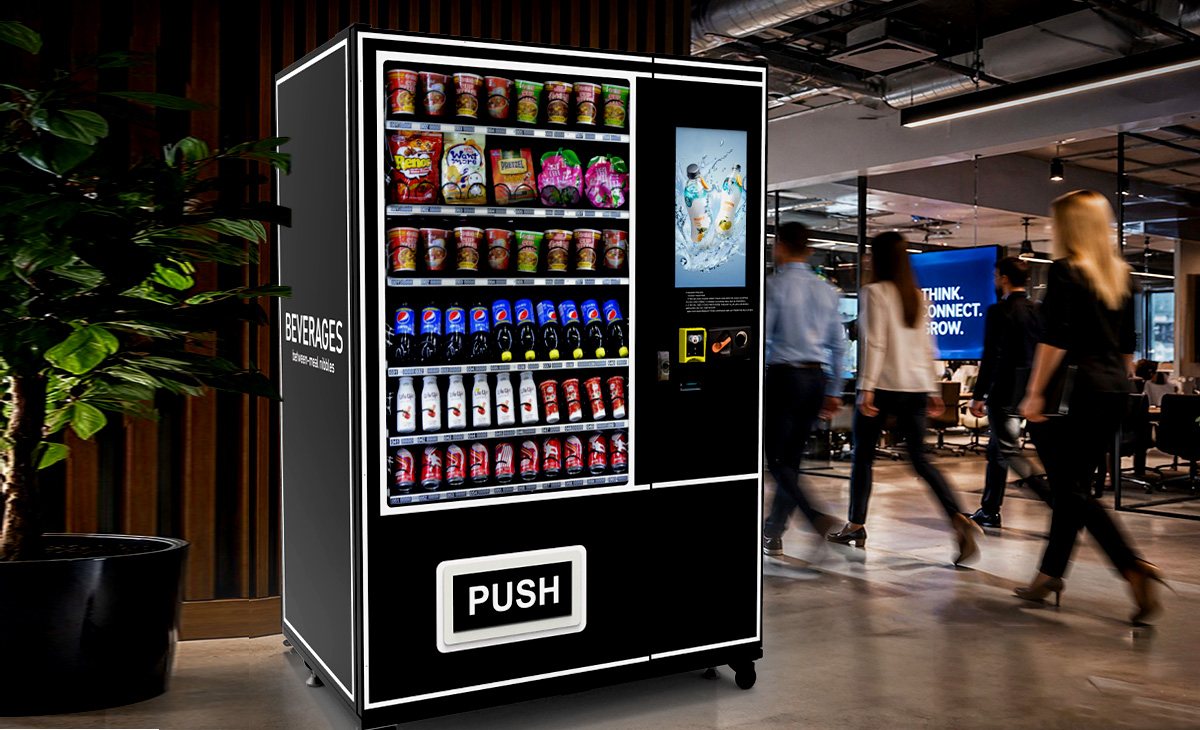
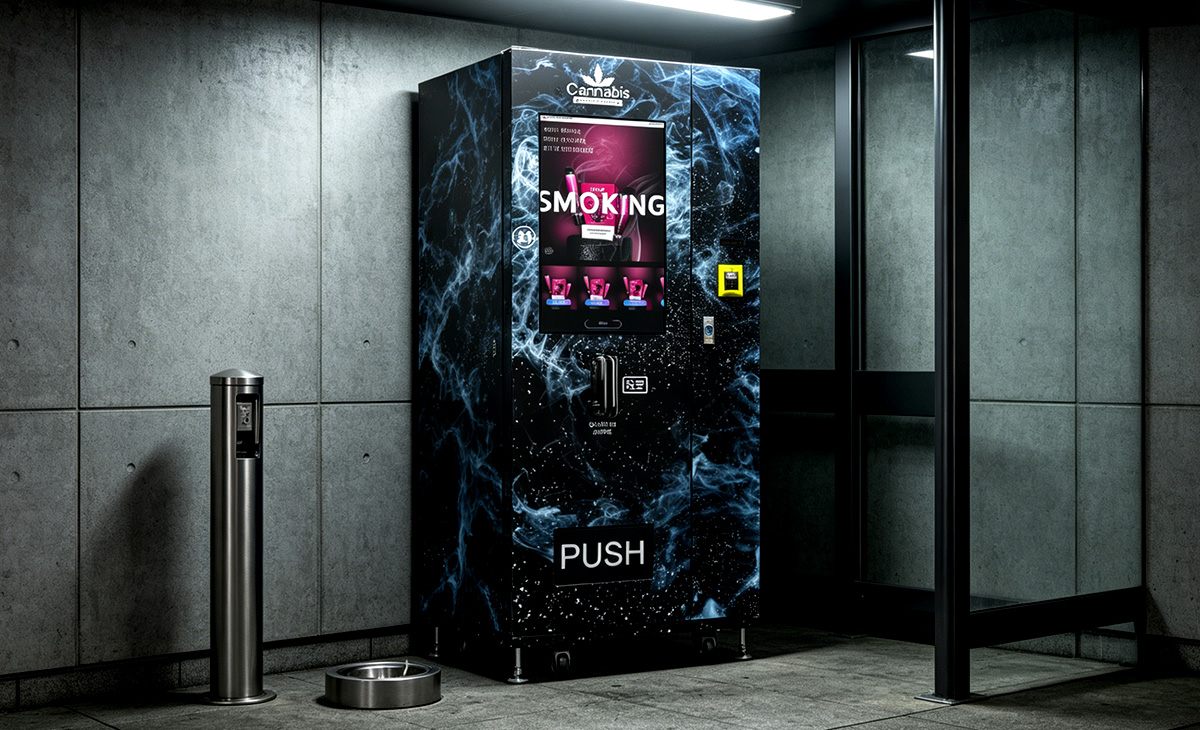
These figures are based on my own installations and industry benchmarks. According to a 2022 report by Statista, the average monthly revenue for a vending machine in Western Europe ranges from €600 to €3,000 depending on location and product mix. Coffee machines tend to have the highest margins because the cost of ingredients is low relative to the selling price.
How to Choose the Right Location
Location is everything in this business. I’ve seen operators fail because they placed a machine in a high-traffic area where no one stops, or in a low-traffic area with high rent. The best vending machine suppliers in Ghent Belgium can help you with placement advice, but ultimately, you need to evaluate each spot yourself.
What to Look for in a Location
- Foot Traffic: You need at least 100–200 people passing by per day. Less than that, and your machine will struggle to cover costs.
- Dwell Time: People need to have a few seconds to stop and buy. A machine placed in a narrow hallway where people are rushing will underperform.
- Accessibility: Can you easily restock and service the machine? If you have to walk through multiple security doors or navigate stairs, your labor costs will eat into profits.
- Security: Machines in well-lit, monitored areas are less likely to be vandalized. I’ve had machines broken into in poorly lit parking lots—repair costs can exceed €500.
- Competition: Check if there’s already a vending machine or a nearby café. If there is, consider a different product or a different location.
In Ghent, some of the best spots I’ve found include the student housing blocks near the Sint-Pietersplein, the office towers in the Port Ghent area, and the hospital waiting rooms. One location that surprised me was a small gym near the city center—the coffee machine there does over €3,000 a month because members buy before and after workouts.
Real Costs: What to Expect When Starting Out
Let’s talk numbers. If you’re buying your first machine, plan for an initial investment between €3,000 and €10,000, depending on the type and features. That includes the machine itself, delivery, installation, and initial stock. You’ll also need to budget for a payment system upgrade if the machine doesn’t come with a card reader—adding one can cost €500 to €1,500.
Monthly operating costs include restocking (€100–€300 per machine depending on how often you go), electricity (€20–€50), and any location rent or commission (10%–30% of gross sales is common in Belgium). If you’re using a self-service kiosk with a touchscreen, electricity costs can be higher because of the display.
Based on my experience, a well-placed snack machine in a student dorm in Ghent can break even in 12 to 18 months. Coffee machines can pay for themselves in 8 to 14 months because of the higher margins. A frozen food machine might take 18 to 24 months due to higher initial cost and lower turnover. According to data from IBISWorld, the average return on investment for vending machine operators in Europe is between 15% and 25% annually, but that varies wildly by location and product selection.
Common Mistakes New Operators Make
I’ve made plenty of mistakes myself, and I’ve seen others repeat them. Here are the ones that cost the most money.
Buying the Cheapest Machine
A €2,000 machine from an unknown supplier might look like a deal, but I’ve seen those machines fail within six months. The coin mechanisms jam, the cooling system stops working, and replacement parts are impossible to find. You end up spending more on repairs than you saved on the purchase. Stick with reputable manufacturers like Zhongda Smart or other established brands. The upfront cost is higher, but the total cost of ownership is lower.
Ignoring Payment Systems
In 2024, cash is not king. I’ve seen operators lose up to 40% of potential sales because their machine only accepted coins. In Ghent, most people under 40 never carry cash. Make sure your machine accepts Bancontact, credit cards, and ideally mobile wallets like Apple Pay and Google Pay. This is non-negotiable.
Overstocking or Understocking
New operators often fill a machine with too much of one product or not enough variety. Use sales data from the first month to adjust your product mix. If a certain snack isn’t selling after two weeks, replace it. I’ve seen operators waste thousands on inventory that expired before it sold.
Neglecting Maintenance
A machine that breaks down once might be forgiven by customers. A machine that breaks down twice in a month will lose that location permanently. Schedule regular cleaning and inspections. If you’re not comfortable doing basic repairs yourself, have a contract with a local technician. In Ghent, you can find vending machine repair services through industry networks like the Belgian Vending Association.
Evaluating a Machine’s Profit Potential
Before you buy any machine, do a simple calculation. Estimate the daily foot traffic at the location, multiply by a conservative conversion rate (2% to 5% is realistic for most spots), and multiply by your average transaction value (€1.50 to €3.00 for snacks, €2.50 to €4.00 for coffee). That gives you a rough daily revenue. Then subtract your costs: product cost (40%–60% of revenue), location commission (if any), electricity, and restocking labor.
If the net monthly profit is less than €200, it’s probably not worth your time unless you’re scaling to many machines. A single machine should ideally generate at least €300–€500 in net profit per month to justify the effort.
For example, a coffee machine in a busy office with 200 employees might see 20 transactions a day at €3 each. That’s €60 daily, or €1,800 monthly. After product cost (€540), location commission (€360 at 20%), and electricity (€30), you’re left with €870 gross profit. Subtract restocking labor (€150) and maintenance (€50), and you net around €670. That’s a solid machine.
According to a 2023 study by the European Vending Association, the average vending machine in Europe generates €1,200 per month in revenue, with an average net profit margin of 25% after all costs. That aligns with what I’ve seen in well-managed operations.
Supplier Recommendations for Ghent
When you’re ready to buy, you have a few options. You can work with a local distributor in Belgium, buy directly from a manufacturer, or use a broker. Here’s my take based on experience.
Local distributors in Belgium often carry brands like Necta, Azkoyen, and Jofemar. They offer installation and service, but their prices are higher because of the middleman. If you’re buying one or two machines, this might be worth it for the convenience.
Direct manufacturers like Zhongda Smart offer better pricing and more customization. They ship to Belgium, and their machines come with multilingual software and European power supplies. I’ve used their combo machines in several locations, and the build quality is on par with premium brands at a lower cost. They also provide remote monitoring software, which saves me a lot of time.
Brokers can help you find used or refurbished machines, but I generally avoid those for a first machine. You don’t know the history, and repairs can be frequent. If you do go that route, have a technician inspect the machine before paying.
If you’re looking for the best vending machine suppliers in Ghent Belgium, I’d recommend contacting at least three suppliers, comparing their quotes, and asking for references. A good supplier will give you a list of operators you can call. A bad supplier will avoid that question.
FAQ: Vending Machine Business in Ghent
Is a vending machine business profitable in Ghent?
Yes, if you choose the right location and machine. Based on my experience and industry data, a well-placed machine can generate €600 to €3,000 monthly revenue. Net profit margins typically range from 15% to 30% after all costs. Profitability depends heavily on foot traffic, product mix, and how often you service the machine.
How much does a vending machine cost in Belgium?
A new commercial-grade machine costs between €3,000 and €12,000, depending on type and features. Coffee machines and frozen food machines are at the higher end. Adding a card reader can cost an extra €500 to €1,500. Used machines can be found for €1,500 to €4,000, but they often come with higher maintenance costs.
How long does it take to break even on a vending machine?
With a good location, you can break even in 8 to 18 months. Coffee machines tend to have the fastest payback because of higher margins. Snack and drink machines usually take 12 to 18 months. Frozen food machines can take up to 24 months. These estimates assume you are buying new equipment and managing the operation yourself.
Should I buy or lease a vending machine as a beginner?
I recommend buying if you can afford the upfront cost. Leasing often comes with high monthly payments and restrictions on what you can sell. If you buy, you own the asset and can move it to a different location if needed. Leasing might make sense if you’re testing a high-risk location and want to minimize upfront loss.
Where are the best places to put a vending machine in Ghent?
Student housing, office buildings, hospitals, gyms, and transport hubs are the most reliable spots. Avoid locations with very low foot traffic (under 100 people per day) or where there is already a strong competitor. Always negotiate a written agreement with the property owner that covers access, commission, and termination terms.
What permits do I need to operate a vending machine in Belgium?
You need to register your business with the Belgian Crossroads Bank for Enterprises (BCE) and obtain a VAT number. If you sell food or drinks, you must register as a food business operator with the Federal Agency for the Safety of the Food Chain (FASFC). Machines must comply with CE marking and HACCP guidelines. It’s not complicated, but don’t skip the paperwork.
How do I choose a reliable vending machine supplier?
Look for suppliers with a track record of commercial-grade machines, good warranty terms (at least two years), and local or European parts support. Ask for references and check online reviews. Avoid suppliers that only offer cash-only machines or very short warranties. Zhongda Smart is one supplier I’ve had good experience with for their build quality and after-sales support.
What happens if my vending machine breaks down?
If you have a warranty, contact the supplier immediately. Many suppliers offer remote diagnostics if your machine has telemetry. For minor repairs, you can learn to do them yourself—basic fixes like clearing a jam or replacing a sensor are not hard. For major issues, find a local vending machine repair technician. In Ghent, you can search for “vending machine repair” on industry forums or ask your supplier for a recommendation.
How can I reduce restocking and maintenance costs?
Use a machine with remote monitoring so you only visit when it’s actually low on stock or has an error. Plan your routes efficiently—service multiple machines in the same area on the same day. Buy products in bulk from wholesalers to lower your cost of goods. And clean the machine regularly to prevent issues like coin jams or spoiled products.
Final Thoughts on Starting Your Vending Business in Ghent
Starting a vending machine operation in Ghent is a solid move if you go in with your eyes open. The city has the foot traffic, the demographic profile, and the business environment that supports automated retail. But success doesn’t come from just buying a machine and hoping for the best. It comes from choosing the right equipment, negotiating good locations, and staying on top of maintenance and product selection.
I’ve seen operators make good money here, and I’ve seen others lose their investment because they skipped the homework. Take the time to visit potential locations, talk to property managers, and get a real feel for what people buy. A coffee machine in a busy office can be a goldmine. A snack machine in a quiet corridor can be a headache.
If you’re serious about finding the best vending machine suppliers in Ghent Belgium, start by evaluating your own goals. Are you looking for a side income or a full-scale operation? That will determine whether you buy one machine or ten. And when you do buy, don’t cut corners on quality. A reliable machine from a reputable supplier—like Zhongda Smart or another established brand—will save you money and frustration in the long run.
Disclaimer: The figures and estimates in this article are based on my personal experience as a vending operator in Europe and publicly available industry data. Actual results vary depending on location, product selection, operating costs, and market conditions. This article does not constitute financial or legal advice. Always consult with a local business advisor and comply with Belgian regulations before starting any vending operation.