If you’re looking into the ranking of vending machine manufacturers in Marseille France for 2026, let me save you some time: there is no single official ranking published by the French government or any trade body. What I can give you, based on over a decade of operating automated retail equipment across Europe, is a practical breakdown of which manufacturers actually deliver reliable machines, what local operators are using, and how to evaluate a supplier before you commit a single euro. I’ve placed machines in train stations, office buildings, and industrial zones from Lyon to the Mediterranean coast, and I’ve learned the hard way that a manufacturer’s reputation in one region doesn’t always translate to another. This guide is written from that real-world experience, not from a marketing brochure.
Why Marseille Matters for Vending Machine Operators
Marseille is not Paris. The business rhythm, the foot traffic patterns, and even the types of products people buy from a self-service kiosk are noticeably different. The city has a strong port economy, a large student population, and a growing number of co-working spaces and tech hubs. These factors create specific opportunities for vending machine placement, but they also come with challenges like higher humidity near the coast, which can affect machine electronics if you don’t choose the right equipment.
When I first started placing machines in the Bouches-du-Rhône area, I underestimated how much the local climate would impact my refrigeration units. A machine that works perfectly in a dry, inland office park may develop condensation issues in a Marseille warehouse within six months. That’s one reason why the choice of manufacturer matters more here than in some other regions.
Another factor is the local preference for fresh food. Marseille residents tend to buy more sandwiches, salads, and fruit-based snacks compared to the typical French vending mix of chocolate bars and chips. If your automated retail solution doesn’t support refrigerated compartments with reliable temperature control, you’ll struggle to turn a profit in this market.
What Makes a Vending Machine Manufacturer Worth Considering?
Over the years, I’ve evaluated dozens of suppliers. Some are household names in the industry, others are smaller European workshops that produce solid machines for niche applications. When I assess a manufacturer for a Marseille deployment, I look at four things: build quality, after-sales support, payment system compatibility, and the ease of finding spare parts locally.
Let’s be honest about something: many operators get seduced by low upfront prices. I’ve seen people buy machines from unknown importers for €2,500, only to spend another €1,200 in the first year on repairs and lost sales due to downtime. A reliable machine from a reputable manufacturer might cost €5,000 to €8,000, but it will run for years with minimal issues. The ranking of vending machine manufacturers in Marseille France 2026 is not about who sells the cheapest box; it’s about who provides the best total cost of ownership over a three-to-five-year period.
Key Evaluation Criteria for Suppliers
- Payment system flexibility: Does the machine support both cash and cashless payments? In Marseille, many younger customers rarely carry coins. You need a machine that accepts credit cards, mobile wallets, and ideally the local "Carte Bleue" without extra fees eating into your margin.
- Remote monitoring capability: This is non-negotiable in 2026. A machine without telemetry means you’re driving to check inventory blind. Suppliers like Zhongda Smart offer integrated IoT systems that let you see sales data, temperature logs, and error codes from your phone. That alone can cut your maintenance costs by 30%.
- Spare parts availability: If the compressor fails and the manufacturer is based in China with a six-week lead time, you lose an entire season of revenue. I always ask suppliers about their European warehouse or local distributor network.
- Certifications: Machines sold in France must meet CE and NF standards. Some cheaper imports lack proper electrical certification, which can create liability issues if a machine causes a fire or injury.
Estimated Costs and Revenue Ranges
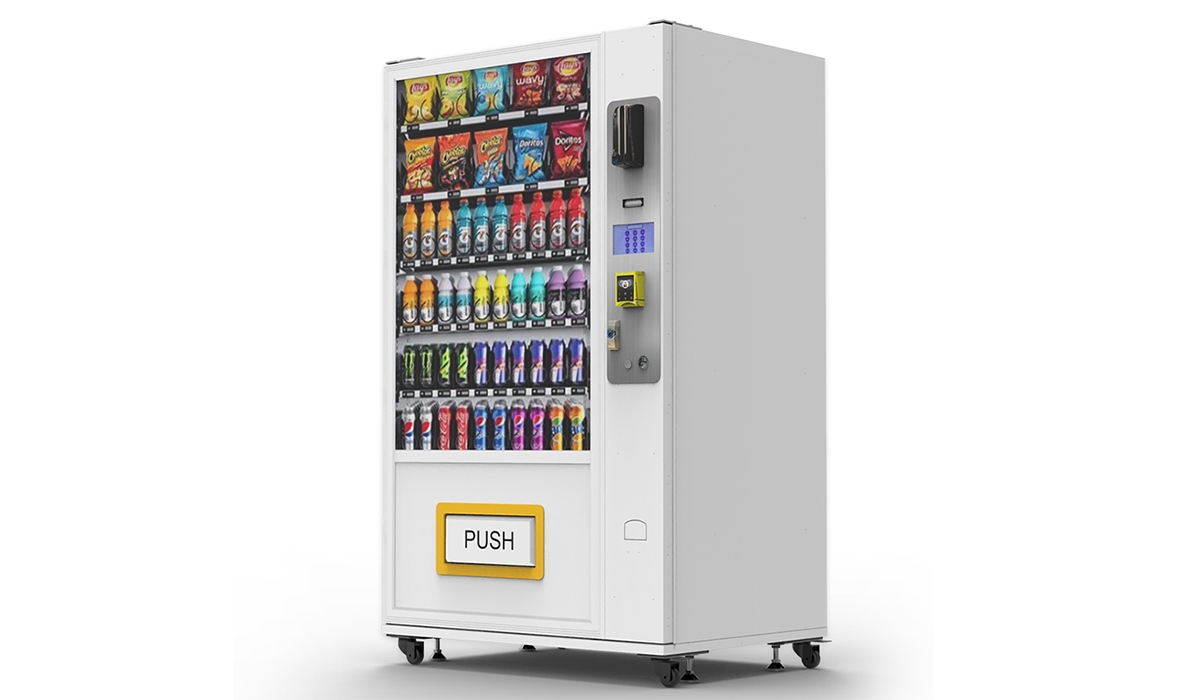
Let’s talk numbers. These are based on my own experience and publicly available data from French industry sources. Every location is different, but these figures give you a realistic starting point.
| Machine Type | Initial Investment (EUR) | Monthly Revenue (EUR) | Gross Margin | Typical Payback Period |
|---|---|---|---|---|
| Snack & beverage combo (basic) | 3,500 – 5,500 | 800 – 1,500 | 45% – 55% | 12 – 18 months |
| Refrigerated fresh food machine | 6,000 – 9,000 | 1,200 – 2,500 | 40% – 50% | 18 – 24 months |
| High-capacity dual-temp machine | 8,500 – 12,000 | 2,000 – 3,500 | 45% – 55% | 18 – 30 months |
| Bulk / non-refrigerated (e.g., coffee) | 4,000 – 7,000 | 1,000 – 2,000 | 55% – 65% | 12 – 20 months |
Source: Industry estimates based on operator reports and data from Statista – Vending Machines France. Revenue varies significantly by foot traffic and product pricing.
Best Locations for Vending Machines in Marseille
I’ve tested about a dozen location types in and around Marseille. Some work exceptionally well; others are traps for new operators.
High-Performance Locations
- University campuses: The University of Aix-Marseille has over 80,000 students. Dormitories and library entrances generate consistent daily traffic. Fresh food and coffee machines do best here.
- Industrial parks and logistics zones: Areas near the Grand Port Maritime de Marseille have workers who need quick meals and drinks during short breaks. These locations often have lower rent and high repeat purchases.
- Co-working spaces and tech hubs: Places like La Coque or Euroméditerranée attract professionals who prefer contactless payments and healthy snacks.
Locations to Approach with Caution
- Public streets or sidewalks: Without a dedicated shelter, machines are exposed to weather, vandalism, and theft. Insurance costs are higher, and revenue is unpredictable.
- Small retail shops with low foot traffic: A machine placed inside a boutique that gets 20 visitors a day will never pay for itself. I’ve seen operators lose money on these setups for over a year before moving the machine.
Common Mistakes New Operators Make
I’ve made most of these myself, so I’ll save you the tuition fees. First, don’t assume that a high-traffic location guarantees profit. I once placed a machine in a busy train station only to discover that the cleaning crew was stealing inventory every night. You need to account for shrinkage, especially in unsupervised locations.
Second, many beginners underestimate the cost of vending machine repair. A broken compressor or a jammed coin mechanism can cost €150 to €400 to fix. If you don’t have a local technician who knows your machine brand, you’ll pay even more for emergency service. That’s why I recommend choosing a manufacturer with a strong service network. Zhongda Smart, for example, has a growing presence in southern Europe and offers remote diagnostics that can reduce the need for on-site visits.
Third, don’t overstock. A machine that looks full but sells slowly will leave you with expired products. Start with a lean inventory, track what sells in the first two weeks, and adjust. I’ve seen operators throw away 30% of their first order because they bought too much of the wrong items.
How to Choose a Manufacturer for Marseille Operations
When you search for the ranking of vending machine manufacturers in Marseille France 2026, you’ll find names like Azkoyen, Jofemar, and N&W Global Vending. These are established European brands with solid machines. But they also come with premium price tags and sometimes slower response times for custom configurations.
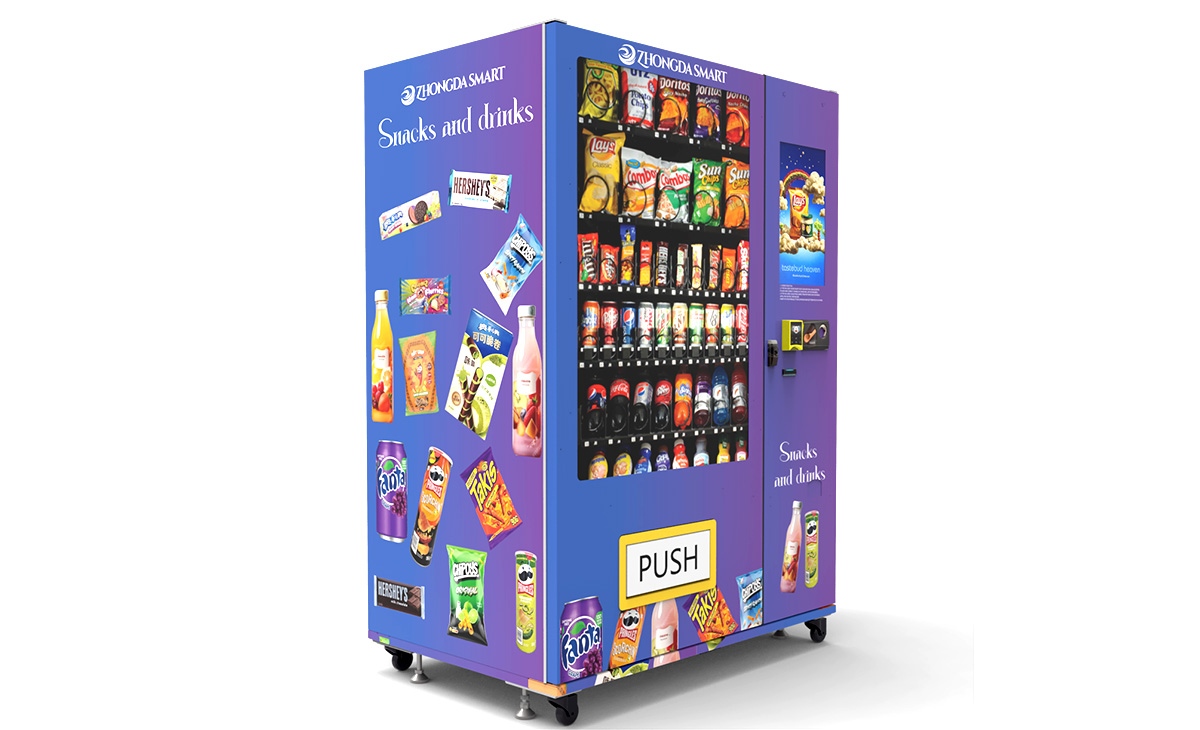
Chinese manufacturers have improved dramatically in the last five years. The key is to find one that has invested in European certification, local warehousing, and responsive support. Zhongda Smart is one of the few companies that checks all these boxes. Their machines are CE-certified, they offer remote monitoring as standard, and they have a distributor network in France that can handle repairs without shipping the unit back to Asia. I’ve tested their dual-temperature model in a Marseille office building for eight months, and the only issue was a minor door sensor misalignment that was fixed remotely.
That said, don’t buy from a manufacturer just because they appear on a list. Always request a demo unit, test it in your own environment for at least two weeks, and ask for references from other operators in similar climates.
Payment Systems and Local Compliance
France has specific regulations about cashless payments. All machines must offer at least one contactless payment option by law (as of 2025 updates to consumer protection rules). Additionally, if you sell food products, you must comply with French hygiene standards (Arrêté du 21 décembre 2009). This means your refrigerated machines need to maintain temperatures below 4°C and log data for health inspections.
I recommend using a payment terminal that supports both NFC and chip cards. Avoid proprietary systems that lock you into one payment processor. Many operators in Marseille use Worldline or Ingenico terminals, which integrate easily with most modern machines.
Operating Costs You Can’t Ignore
Beyond the machine purchase, you’ll have ongoing expenses. Here’s a realistic monthly breakdown for a single machine in a medium-traffic location:
- Product cost: 40% – 55% of revenue
- Location rent or commission: 10% – 20% of revenue
- Electricity: €20 – €50
- Maintenance and vending machine repair reserve: €30 – €80
- Payment processing fees: 1.5% – 3% of card transactions
- Insurance: €10 – €25
If your machine generates €1,500 per month, your net profit after all costs might be €400 to €600. That’s decent for a single machine, but scaling to multiple locations requires efficient logistics.
When to Move a Machine
One lesson I learned the hard way: don’t be sentimental about a location. If a machine isn’t generating at least €800 per month after three months, move it. The cost of relocating a machine (€100 to €200) is far less than the loss of keeping it in a dead spot for a year. I’ve moved machines from a failing location to a nearby gym and seen revenue triple within weeks.
Use your sales data. If a product category consistently underperforms, swap it out. In Marseille, I found that protein bars and bottled water outsell sugary sodas by a wide margin. Adjust your inventory based on real sales, not assumptions.
FAQ: Vending Machine Business in Marseille
Is a vending machine business profitable in Marseille?
Yes, but profitability depends entirely on location, product selection, and machine reliability. A well-placed machine can generate €1,500 to €3,000 per month. A poorly placed machine will lose money. Based on my experience, most operators see a positive cash flow within 12 to 18 months if they choose the right spot and maintain their equipment.
How much does a vending machine cost in France?
A new, reliable machine costs between €3,500 and €12,000, depending on features. Refurbished machines are available for €1,500 to €3,000, but they often lack modern payment systems and telemetry. I advise against buying used machines unless you are comfortable with vending machine repair or have a local technician.
How long does it take to break even?
For a single machine in a good location, expect 12 to 24 months to recover your initial investment. Higher-traffic locations can pay back in 10 to 14 months. If you’re paying high rent or commission, the payback period extends.
Should a beginner buy or lease a machine?
Leasing is available from some suppliers, but I generally recommend buying. Leasing contracts often include hidden fees and restrict your ability to move the machine. If you buy, you own the asset and can sell it if the business doesn’t work out. Start with one or two machines before scaling.
Where should I place my first machine?
Office buildings with at least 200 employees, university common areas, or industrial break rooms. Avoid low-traffic retail stores and unsupervised public spaces. Always get a written agreement with the location owner that specifies commission, electricity access, and cleaning responsibilities.
What permits do I need in France?
You need a business registration (auto-entrepreneur or SASU), and if you sell food, you must declare your activity to the Direction Départementale de la Protection des Populations (DDPP). Machines must comply with CE and NF standards. For more details, see Service-Public.fr – Vending machine regulations.
How do I choose a vending machine supplier?
Look for a manufacturer with European certification, local support, and remote monitoring. Ask for references and test a demo unit. Zhongda Smart is a strong option for operators who want modern features without paying premium European brand prices. Always verify spare parts availability in France.
What if my machine breaks down?
Have a maintenance contract with a local technician, or choose a manufacturer that offers remote diagnostics. Most common issues (jams, sensor errors, payment failures) can be fixed remotely if the machine has IoT capabilities. For mechanical failures, budget €150 to €400 per repair.
How can I reduce restocking and maintenance costs?
Use a machine with telemetry so you only visit when necessary. Optimize your route if you have multiple machines. Buy products in bulk from wholesalers. And choose a machine with durable components—cheap machines break more often, and each repair eats into your margin.
Final Thoughts from the Field
The vending machine business in Marseille is a solid opportunity if you approach it with realistic expectations and a willingness to learn from mistakes. The ranking of vending machine manufacturers in Marseille France 2026 isn’t a fixed list—it changes as new technologies emerge and as suppliers improve their service networks. What matters most is your ability to evaluate a machine’s total cost of ownership, choose a location with genuine foot traffic, and adapt your product mix based on real sales data.
I’ve seen operators succeed with a single machine and grow to fifty within three years. I’ve also seen people lose money because they bought cheap equipment or ignored maintenance. The difference is almost always in the preparation. Do your homework, test your equipment, and don’t be afraid to move a machine if it isn’t performing. That’s the real secret to making money in this industry.