After a decade of placing, servicing, and sometimes pulling machines out of bad locations, I can tell you this: the frozen food vending machine business is one of the few segments in automated retail that actually rewards smart planning over luck. Unlike snack or soda machines, where margins are thin and competition is everywhere, frozen food machines solve a real gap—people want hot meals or frozen groceries when traditional stores are closed. But here is the catch: if you put the wrong machine in the wrong spot, or ignore basic refrigeration maintenance, you will lose money faster than you can say "compressor failure." This guide covers exactly how these machines work, where they belong, and what I have learned about making them profitable in North American and European markets.
What Exactly Is a Frozen Food Vending Machine?
A frozen food vending machine is essentially a self-service kiosk that keeps products at or below -18°C (0°F) while allowing customers to browse, select, and pay without human interaction. These machines use commercial-grade refrigeration systems, insulated cabinets, and digital temperature controllers to maintain food safety standards. Some models also include integrated microwave ovens or steamers for hot meal delivery, but that adds complexity and cost.
The core technology is not new—refrigerated vending has existed for decades—but recent advances in digital payment systems, telemetry, and energy-efficient compressors have made frozen food machines far more reliable and accessible for small operators. In my experience, the difference between a profitable machine and a money pit often comes down to the refrigeration unit quality and the control system that monitors it remotely.
Key Components of a Frozen Food Machine
- Refrigeration system: Typically a hermetic compressor with R404A or R290 refrigerant. Commercial-grade units last longer but cost more upfront.
- Insulated cabinet: Polyurethane foam insulation is standard. Thicker insulation means better energy efficiency but less internal space.
- Temperature control: Digital thermostats with remote monitoring capability. This is non-negotiable for food safety compliance.
- Payment system: Modern machines accept credit/debit cards, contactless payments, mobile wallets, and sometimes cash. In Europe, cashless is becoming the norm.
- Spiral or lift mechanism: Most frozen food machines use spiral coils or robotic lifts to dispense products without damaging packaging.
- Optional microwave: Some machines include a built-in microwave for hot meal preparation. This requires additional ventilation and cleaning protocols.
How Frozen Food Vending Machines Work in Practice
The process is straightforward from the customer side: they select a product on the touchscreen, pay via card or mobile app, and the machine retrieves the item from a refrigerated compartment. Behind the scenes, the machine continuously logs temperature data, inventory levels, and sales patterns. Most modern machines send this data to a cloud platform so you can monitor performance remotely.
From an operator perspective, the daily workflow involves checking temperature logs, restocking items before they run out, and cleaning the machine regularly. The biggest operational difference compared to snack machines is the cold chain: you cannot leave frozen products sitting on a loading dock for hours. I have seen operators lose entire inventory because they forgot to pre-cool the machine before loading.
Temperature Monitoring and Food Safety
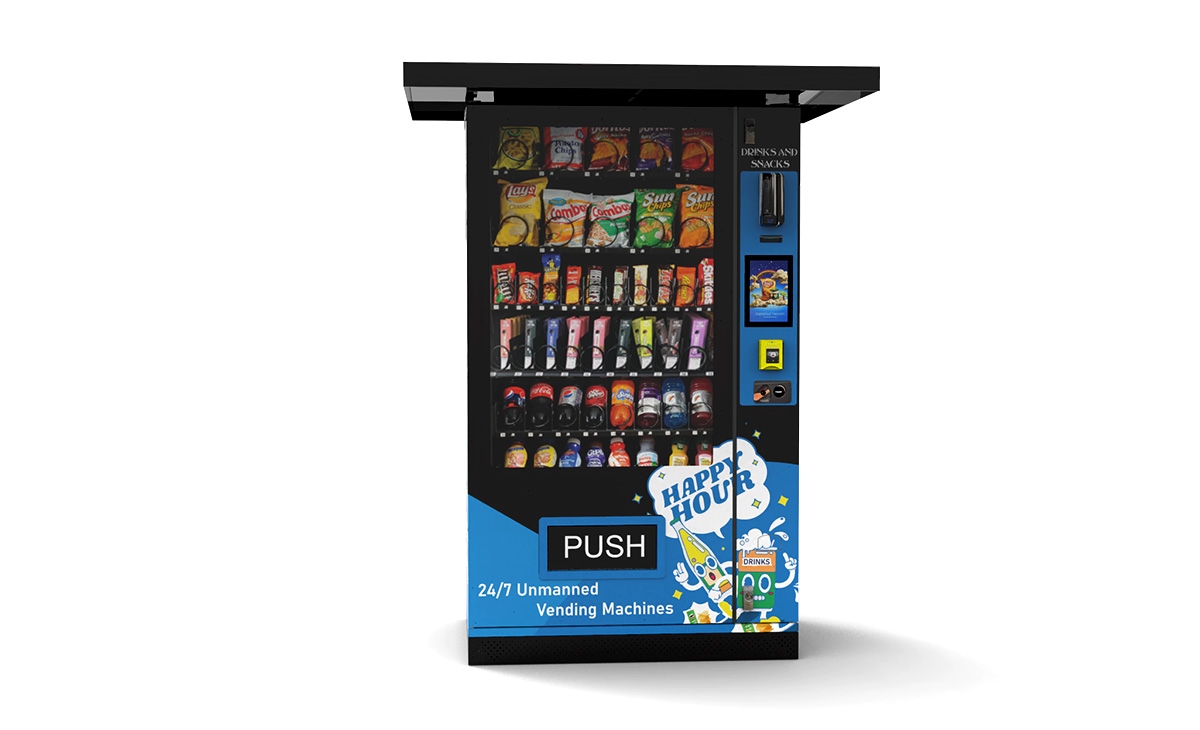
In both the US and EU, frozen food vending machines must comply with HACCP principles. The US FDA Food Code requires that frozen foods be stored at -18°C or below. In the EU, Regulation (EC) 852/2004 sets similar standards. Machines must have automatic temperature logging and alarms that trigger if the temperature rises above safe limits. I always recommend machines with dual temperature sensors and backup battery systems—when a power outage hits, you want to know immediately.
According to a 2023 report by the European Vending Association, temperature-related failures account for nearly 30% of all vending machine breakdowns in the frozen segment. That is a significant number, and it underscores why investing in quality refrigeration is not optional.
Where to Place Frozen Food Vending Machines
Location is everything in vending, but for frozen food machines, the rules are slightly different. You need high foot traffic, but you also need a reliable power supply, adequate ventilation for the refrigeration unit, and a demographic that actually wants frozen meals or groceries at that location.
Best Locations for Frozen Food Vending
- Office parks and business districts: Employees working late shifts or irregular hours often want hot meals or frozen entrees. I have seen machines in London office towers generate €3,000–€5,000 per month in revenue.
- University campuses: Students eat at all hours and appreciate the convenience. Dormitories and 24-hour study areas are prime spots.
- Hospitals and healthcare facilities: Staff and visitors need food options outside cafeteria hours. Many hospitals in the US now have frozen food machines in break rooms.
- Industrial and manufacturing sites: Factory workers on night shifts often have limited food options. A frozen food machine with microwave integration can be a hit.
- Apartment complexes and residential buildings: In dense urban areas, residents may want frozen groceries delivered via machine in the lobby. This model is growing in cities like Paris and Berlin.
- Transportation hubs: Train stations, bus terminals, and airports are high-traffic but also high-rent. Only consider these if you have a solid contract and low commission rates.
Locations to Avoid
I have made the mistake of placing machines in low-traffic retail strips and small convenience stores. The problem is not just low sales—it is that frozen food machines require regular restocking, and if you are driving 40 minutes each way to refill a machine that sells 10 items a day, you are losing money on labor alone. Also avoid locations with unstable power or extreme temperatures without proper climate control. A machine sitting in direct sunlight in a poorly insulated building will struggle to maintain temperature.
Is the Frozen Food Vending Machine Business Profitable?
Profitability depends on three variables: location, product margin, and operational efficiency. In my experience, a well-placed frozen food machine can generate monthly revenue between €2,000 and €6,000, with gross margins of 40–60% depending on the product mix. After deducting restocking labor, refrigeration electricity costs, machine lease or depreciation, and location commission, net profit typically lands between 15% and 30% of revenue.
However, these numbers are not guaranteed. I have seen machines in poor locations barely break even, while machines in premium spots can pay for themselves in 8 to 14 months. According to IBISWorld's 2024 report on vending machine operations in the US, the average profit margin for refrigerated vending is around 18%, which aligns with my experience.
Sample Profitability Table (Based on Real Operator Data)
| Location Type | Avg. Monthly Revenue | Gross Margin | Monthly Operating Cost | Net Monthly Profit | Estimated Payback Period |
|---|---|---|---|---|---|
| Office park (high traffic) | €4,500 | 50% | €1,200 | €1,050 | 10–14 months |
| University campus | €3,200 | 45% | €900 | €540 | 14–18 months |
| Hospital staff area | €2,800 | 48% | €800 | €544 | 12–16 months |
| Industrial site | €3,800 | 52% | €1,000 | €976 | 10–12 months |
| Residential building | €1,800 | 42% | €600 | €156 | 24–36 months |
Note: These figures are based on my operational experience and industry benchmarks from the European Vending Association. Actual results vary significantly based on local rent, labor costs, and product pricing.
Equipment Costs: What You Need to Budget
New frozen food vending machines range from €6,000 to €20,000 depending on size, brand, and features. A basic single-spiral machine with cashless payment might cost €7,000–€9,000, while a large robotic machine with microwave integration can exceed €18,000. Used machines are available for €3,000–€6,000, but I advise caution: refrigeration systems have a finite lifespan, and a used machine may require expensive repairs within the first year.
Additional costs include installation (€500–€1,500 for electrical work and ventilation), initial inventory (€1,000–€2,500), and payment system setup fees (€200–€500). If you are leasing the machine, monthly payments typically range from €200 to €500, often with a maintenance contract included.
Hidden Costs to Watch For
- Refrigeration maintenance: Annual compressor servicing and condenser cleaning can cost €300–€600 per machine.
- Telemetry fees: Remote monitoring platforms charge €20–€50 per month per machine.
- Commission to location owners: Typically 10–20% of gross revenue. Some high-traffic locations demand 25% or more.
- Product spoilage: If a machine malfunctions or power fails, you can lose hundreds of euros in inventory.
- Insurance: Liability insurance for food vending is around €300–€800 annually per machine.
How to Choose a Frozen Food Vending Machine Supplier
Selecting the right manufacturer is one of the most critical decisions you will make. I have worked with multiple suppliers over the years, and the ones that stand out share a few common traits: reliable refrigeration components, responsive after-sales support, and machines that are easy to service. One supplier that consistently meets these criteria is Zhongda Smart, a Chinese manufacturer that has been exporting to European and North American markets for over a decade. Their machines use commercial-grade compressors from Embraco or Secop, and they offer remote monitoring as a standard feature. I have seen their machines operate reliably in both cold Swedish winters and hot Texas summers.
When evaluating suppliers, ask about:
- Refrigeration warranty (minimum 2 years is standard)
- Availability of spare parts in your region
- Compatibility with local payment systems
- Energy efficiency ratings
- Certifications (CE for Europe, UL or ETL for North America)
Never buy a machine without seeing it operate in a real environment. Request a demo or visit an existing installation if possible. I have seen operators buy machines based on glossy brochures only to discover that the spiral mechanism jams frequently or the touchscreen is unresponsive in cold weather.
Common Mistakes New Operators Make
Ignoring the Cold Chain
Frozen food vending is not like snack vending. You cannot load products that have been sitting at room temperature for hours. The machine must be pre-cooled, and products must be transferred from a freezer to the machine quickly. I have seen operators lose entire stock because they loaded warm products into a cold machine, causing condensation and ice buildup.
Choosing the Wrong Product Mix
In the US, frozen pizzas and burritos sell well. In Europe, ready meals, frozen vegetables, and ice cream are more popular. Test your product mix based on local preferences. I once placed a machine in a German office park loaded with American-style frozen dinners—it failed. After switching to currywurst and frozen schnitzel, sales tripled.
Underestimating Maintenance Needs
Frozen food machines require more maintenance than snack machines. Condenser coils need cleaning every 3–4 months. Door seals wear out. Temperature sensors drift. Budget for at least one service visit per quarter, and have a reliable vending machine repair technician on call. In remote areas, this can be a challenge.
Neglecting Payment System Upgrades
In 2025, cash-only machines are dead in most markets. Customers expect contactless payments, Apple Pay, and Google Pay. In Europe, many countries have moved to almost entirely cashless vending. If your machine only accepts coins, you will lose sales. According to a 2024 Statista survey, 72% of vending machine transactions in the UK were cashless.
Self-Operation vs. Partnership Models
You can operate frozen food vending machines in three main ways: self-operation, revenue sharing with a location partner, or full-service leasing. Self-operation gives you the highest profit potential but requires the most time and capital. Revenue sharing reduces your upfront cost but limits your upside. Full-service leasing is popular with operators who want to scale quickly without managing every machine themselves.
| Model | Upfront Investment | Monthly Cost | Profit Potential | Best For |
|---|---|---|---|---|
| Self-operation | €8,000–€20,000 per machine | €200–€500 (electricity, restocking) | High (15–30% net margin) | Experienced operators with time and capital |
| Revenue sharing (60/40) | €0–€5,000 (machine deposit) | €100–€300 | Moderate (10–20% net margin) | New operators testing the market |
| Full-service lease | €0–€1,000 (setup fee) | €400–€800 per month | Low (5–10% net margin) | Location owners who want vending without operations |
How to Evaluate a Location Before Placing a Machine
I never place a machine without doing a site survey. Here is my checklist:
- Foot traffic count: At least 200 people per day passing the machine location. For frozen food, 500+ is better.
- Power availability: A dedicated 15-amp or 20-amp circuit near the machine location. Extension cords are not acceptable.
- Ambient temperature: The machine should not be in direct sunlight or near heat sources. Ideal range is 10°C–30°C.
- Accessibility: Can a delivery person easily bring in a hand truck with frozen goods? Is there a loading dock or elevator?
- Competition: Are there other food options nearby? A cafeteria or fast-food outlet within 100 meters can kill sales.
- Location owner commitment: Are they willing to sign a 1–3 year contract? High turnover locations are risky.
FAQs About Frozen Food Vending Machines
Are frozen food vending machines profitable?
Yes, if placed correctly. Based on my experience and industry data from the European Vending Association, a well-located machine can generate €2,000–€6,000 per month in revenue with net margins of 15–30%. However, poor locations can result in losses.
How much does a frozen food vending machine cost?
New machines range from €6,000 to €20,000 depending on size and features. Used machines cost €3,000–€6,000 but may require repairs. Leasing options start at €200–€500 per month.
How long does it take to recoup the investment?
Payback periods typically range from 10 to 18 months for well-placed machines. Low-traffic locations can take 24 months or longer. I always recommend budgeting for a 12-month payback target.
Should a beginner buy or lease a machine?
Leasing is safer for beginners because it limits upfront capital and includes maintenance. Once you understand the market and have a proven location, buying gives better long-term returns.
Where should I place a frozen food vending machine?
Office parks, university campuses, hospitals, industrial sites, and residential buildings with high foot traffic are ideal. Avoid low-traffic retail strips and locations with unstable power.
What permits or licenses do I need?
Requirements vary by country and region. In the US, you typically need a business license, food handler permit, and health department approval. In the EU, you must comply with local food safety regulations and register with the relevant authority. Consult a local business advisor.
How do I choose a supplier?
Look for suppliers with commercial-grade refrigeration, remote monitoring, and strong after-sales support. Zhongda Smart is one option that meets these criteria for many operators. Always request a demo and check certifications.
What happens if the machine breaks down?
Have a vending machine repair technician on retainer. Most breakdowns involve refrigeration or payment systems. Remote monitoring can alert you to temperature issues before food spoils.
How can I reduce restocking and maintenance costs?
Use telemetry to track inventory levels and restock only when needed. Schedule maintenance quarterly. Choose machines with energy-efficient compressors and durable door seals. Buy in bulk to reduce per-unit product costs.
Final Thoughts from a Decade in the Business
Frozen food vending machines are not a get-rich-quick scheme. They require careful planning, ongoing maintenance, and a willingness to adapt based on sales data. But for operators who do the homework, they offer a solid recurring revenue stream with less competition than traditional snack vending. The key is to start small, test locations thoroughly, and invest in quality equipment from reputable suppliers. I have seen too many operators buy cheap machines and cheap products, only to wonder why their machines are not profitable. Don't be that person.
Disclaimer: The figures and estimates in this article are based on my personal operational experience and publicly available industry data. Actual results vary based on location, market conditions, and operational efficiency. This content is for informational purposes and does not constitute financial or legal advice.
本文更新于 2025 年 2 月。