If you are looking into vending machines as a business opportunity, the first question you likely have is whether the food inside those machines is safe. I have spent over a decade placing, stocking, and maintaining automated retail units across high-traffic locations in Europe and North America, and I can tell you that food safety in vending machines is not just a regulatory checkbox—it is the single most important factor that determines whether you build a profitable route or end up pulling machines out of locations. Operators who ignore temperature logs, shelf-life tracking, or proper cleaning protocols almost always fail within the first year. This article covers what you actually need to know about food safety in vending machines, based on real operational experience and current market data.
Why Food Safety Matters More Than Machine Features
When I started in this business, I focused on the wrong things. I spent weeks comparing payment systems, screen sizes, and telemetry software. What I did not spend enough time on was understanding how quickly a single spoiled sandwich can destroy your reputation with a location manager. In vending, your customer is not just the person inserting coins—it is also the facility manager, the office administrator, or the school principal who allowed you to place the machine. If they hear one complaint about a warm yogurt or a leaking salad, you will likely lose that spot.
According to the FDA, vended food must be held at safe temperatures, properly labeled, and sourced from approved suppliers. That sounds simple, but in practice, maintaining cold chain integrity across a route of 30 machines is harder than most new operators expect. I have seen operators lose entire accounts because they skipped a weekend temperature check during a heatwave.
Temperature Control Is Non-Negotiable
The most common food safety failure I have observed is temperature abuse. If your machine is refrigerated, the internal temperature must stay at or below 41°F (5°C). I recommend using machines with built-in temperature monitoring that alerts you via telemetry if the unit goes out of range. Relying on manual checks alone is risky, especially on weekends or holidays when you are not visiting the location.
In my experience, machines that lack remote temperature monitoring cause the most problems. You might think you saved money by buying a cheaper unit without telemetry, but the first time a compressor fails on a Friday afternoon and you lose $400 worth of inventory, the savings disappear. I have seen operators lose credibility with a client because they could not prove the machine maintained safe temperatures overnight.
Shelf-Life Management in Practice
Another area where new operators slip is shelf-life rotation. In a convenience store, expired items get pulled by staff who are present daily. In vending, you might only visit a machine once or twice a week. That means you need a system for tracking expiration dates. I use a simple color-coded label system on every tray. Green labels mean the item has at least 5 days of shelf life remaining. Yellow means 2 to 4 days. Red means it must be pulled at the next service visit.
This is not just about avoiding fines. It is about building trust with the location. I have kept accounts for years simply because the facility manager knew I never left expired products in the machine. That trust translates directly into longer contracts and fewer headaches.
The Real Cost of Ignoring Food Safety
Let me give you a concrete example. A few years ago, a colleague of mine placed a refrigerated vending machine in a small office building. He bought a used machine without a working temperature alarm. During a hot weekend, the cooling system failed. By Monday morning, the internal temperature had risen to 55°F. The first employee who bought a yogurt became sick. The office manager called the health department, and my colleague ended up with a violation on his record. He lost that location and two others in the same building complex.
According to Statista, the global vending machine market continues to grow, but operators who fail to prioritize food safety do not survive long enough to benefit from that growth. The cost of a single health code violation can range from $100 to over $1,000 depending on your jurisdiction, and repeat violations can lead to permit revocation.
Cleaning Schedules Matter More Than You Think
I clean every machine I operate at least every two weeks. That includes wiping down the interior, removing crumbs, checking for leaks, and sanitizing the dispensing area. I have seen machines that looked clean on the outside but had mold growing behind the trays. Customers do not see that, but health inspectors do. More importantly, a clean machine reduces the risk of cross-contamination between products.
One thing I learned early is that you should never store cleaning supplies inside the vending machine. I have seen operators keep spray bottles and rags in the lower cabinet of a snack machine. That is a contamination risk and a violation in most jurisdictions. Keep cleaning supplies in your vehicle, not inside the unit.
Choosing Equipment That Supports Food Safety
Not all vending machines are built the same when it comes to food safety. I have used machines from several manufacturers over the years, and the ones that consistently perform best are those with robust refrigeration systems, easy-to-clean interiors, and reliable telemetry. When I evaluate a new machine, I look at three things: the type of refrigeration unit, the ease of removing shelves for cleaning, and whether the machine logs temperature data automatically.
One manufacturer I have worked with extensively is Zhongda Smart. Their refrigerated units include remote temperature monitoring and automatic data logging, which makes it much easier to maintain compliance across a route. I do not recommend specific brands lightly, but I have found that their equipment holds up well in high-traffic locations and reduces the time I spend on manual temperature checks. If you are sourcing machines for a new route, I suggest comparing at least three suppliers and asking specifically about their cold chain support features.
New vs. Used Equipment for Food Safety
I often get asked whether buying used machines is a good idea. The answer depends on the condition of the refrigeration system. A used machine with a weak compressor or poor insulation will struggle to maintain safe temperatures, especially in outdoor locations or during summer months. I have bought used machines that worked fine for snack-only routes, but I avoid used refrigerated units unless I can test them under load for at least 48 hours.
If you are on a tight budget, consider leasing instead of buying. Many suppliers offer lease-to-own programs that include maintenance and telemetry services. That can be a smart way to start without taking on the risk of equipment failure.
Location Selection and Food Safety
Where you place a vending machine has a direct impact on food safety. Indoor locations with stable temperatures are always preferable to outdoor spots. If you must place a machine outdoors, make sure it is shaded and protected from direct sunlight. I have seen operators place refrigerated machines in direct sun on a concrete pad, and the internal temperature rose by 10 degrees within two hours.
I also avoid placing machines near heat sources like kitchen exhaust vents, radiators, or direct sunlight through large windows. Even a well-insulated machine will struggle if the ambient temperature around it is too high. According to NAMA (National Automatic Merchandising Association), the recommended ambient temperature range for refrigerated vending machines is between 50°F and 90°F. Operating outside that range increases the risk of temperature abuse.
Traffic vs. Safety Trade-Offs
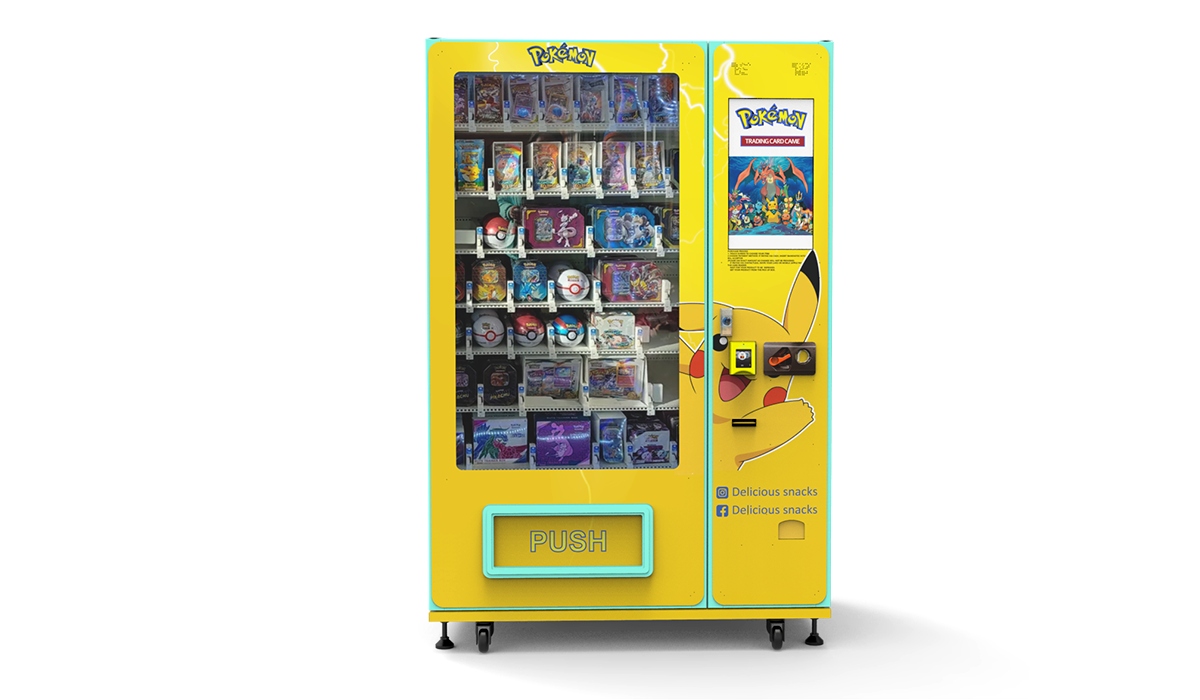
I have turned down locations with excellent foot traffic because the environment was not suitable for food safety. For example, a busy transit station with no air conditioning in summer might generate high sales, but the risk of temperature fluctuations is too high for perishable items. In those cases, I either use a machine designed for extreme conditions or stock only shelf-stable products.
You have to decide whether the revenue potential justifies the additional risk. In my experience, it is better to earn less money from a safe, reliable location than to chase high volume in a location that threatens your compliance record.
Costs, Margins, and Payback Periods
Let me share some realistic numbers based on my own operations. These are estimates, not guarantees, because every location is different.
| Machine Type | Initial Investment | Monthly Revenue (Est.) | Gross Margin | Typical Payback |
|---|---|---|---|---|
| Snack-only (non-refrigerated) | $2,000 - $4,000 | $300 - $800 | 35% - 45% | 12 - 18 months |
| Refrigerated combo (snacks + drinks) | $5,000 - $9,000 | $500 - $1,500 | 30% - 40% | 14 - 24 months |
| Fresh food (sandwiches, salads) | $8,000 - $15,000 | $800 - $2,500 | 25% - 35% | 18 - 30 months |
| Smart machine with telemetry | $10,000 - $18,000 | $1,000 - $3,000 | 30% - 40% | 20 - 36 months |
These figures assume average foot traffic of 200 to 500 people per day, depending on location. I have seen machines in high-traffic hospitals generate over $4,000 per month, but I have also seen machines in low-traffic offices struggle to break $200. The key is matching the machine type to the location demographics.
Operating Costs You Should Not Ignore
Beyond the machine cost, you need to budget for restocking labor, vehicle expenses, credit card processing fees (typically 2% to 3% per transaction), and inventory spoilage. I allocate about 15% of gross revenue to restocking and logistics. Spoilage usually runs between 3% and 8%, depending on how well you manage shelf life.
Maintenance costs vary. In my experience, a well-built machine costs about $200 to $400 per year in repairs. Cheaper machines can cost twice that. I have learned that spending a little more upfront on reliable equipment saves money in the long run.
How to Evaluate a Location for Food Safety Compliance
Before I agree to place a machine anywhere, I do a quick walkthrough. I check the ambient temperature, look for nearby heat sources, and ask about the facility's cleaning schedule. I also ask whether the location has had any past issues with pests or food storage violations. If the facility itself has poor hygiene practices, your vending machine will be held to the same standard during inspections.
I also verify that the location has a dedicated electrical outlet that is not shared with heavy equipment. Voltage fluctuations can damage refrigeration compressors and lead to temperature failures. A dedicated circuit is a small detail that makes a big difference.
Contracts and Liability
Always have a written agreement with the location owner. The agreement should specify who is responsible for cleaning around the machine, who handles pest control, and what happens if the machine malfunctions. I include a clause that allows me to remove the machine within 48 hours if the location fails to maintain a clean environment around the unit. This protects you if the facility becomes a health risk.
Common Mistakes New Operators Make
I have seen the same mistakes repeated by new operators year after year. Here are the most common ones:
- Buying the cheapest machine available. Low-cost machines often have poor insulation, weak compressors, and no telemetry. You will pay more in repairs and lost inventory.
- Skipping temperature logs. Even if your machine has telemetry, you should keep manual logs during inspections. Health departments want to see documentation.
- Overstocking perishable items. It is better to run out of a few items than to throw away expired products. Stock conservatively until you understand the sales pattern.
- Ignoring the cleaning schedule. A dirty machine attracts pests and leads to complaints. Set a fixed cleaning rotation and stick to it.
- Not training your staff. If you hire someone to restock your machines, they need to understand basic food safety. I require all my staff to complete a food handler certification course.
Supplier Selection: What to Look For
When you are ready to buy equipment, do not rush. I recommend visiting a trade show or a dealer showroom to see machines in person. Online photos do not show you the quality of the door seals, the ease of removing shelves, or the noise level of the compressor.
Ask potential suppliers about their warranty terms, spare parts availability, and technical support response time. A supplier who cannot provide parts within 48 hours will cost you money when a machine goes down. I have had good experiences with suppliers who stock common parts locally and offer remote diagnostics.
As I mentioned earlier, Zhongda Smart is one supplier I have used for refrigerated machines with good results. Their units include features that simplify compliance, such as automatic temperature logging and remote alerts. That said, I always recommend comparing at least three suppliers before making a decision. Look for a track record of reliability, not just a low price.
FAQ: Food Safety and Vending Machine Operations
Are vending machines profitable?
They can be, but profitability depends on location, product mix, and operating efficiency. I have seen single machines generate over $3,000 per month in high-traffic locations, while others struggle to reach $300. Do not expect quick profits. Most operators see a return on investment within 12 to 24 months if they choose good locations and manage costs carefully.
How much does a vending machine cost?
A basic snack machine costs between $2,000 and $4,000. A refrigerated combo machine costs $5,000 to $9,000. A smart machine with telemetry and fresh food capabilities can cost $10,000 to $18,000. Used machines are cheaper but carry higher maintenance risk, especially for refrigeration.
How long does it take to break even?
In my experience, payback periods range from 12 to 36 months. The fastest paybacks come from high-traffic locations with low rent and high-margin products. Slower paybacks happen in lower-traffic spots or when using expensive equipment with high operating costs.
Should I buy or lease a vending machine?
Leasing is a good option if you have limited capital or want to test a location before committing. Lease payments typically range from $100 to $300 per month. Buying is better in the long term if you have the upfront cash and plan to operate for more than three years.
Where should I place a vending machine for the best results?
Look for locations with at least 200 people passing by daily. Good options include office buildings, hospitals, schools, factories, gyms, and transit stations. Avoid locations with extreme temperatures or poor cleanliness. Always visit the site in person before signing a contract.
What permits or licenses do I need?
Requirements vary by city and state. Most locations require a business license, a seller's permit, and a health department permit if you sell food. Some cities also require a vending machine permit. Check with your local health department and business licensing office before placing any machine.
How do I choose a vending machine supplier?
Look for suppliers who offer a warranty of at least one year, have local or national service networks, and provide remote monitoring options. Ask for references from other operators. Avoid suppliers who cannot answer basic questions about refrigeration performance or spare parts availability.
What happens if a machine breaks down?
If you have a service contract, call your provider immediately. If you self-service, keep a stock of common spare parts like door switches, coin mechanisms, and refrigeration components. I recommend having a backup plan for perishable inventory if the machine will be down for more than 24 hours.
How can I reduce restocking and maintenance costs?
Use telemetry to monitor inventory levels remotely so you only visit machines when they need restocking. Standardize your product offerings across machines to simplify ordering. Train your staff to perform basic maintenance during restocking visits. A well-organized route can reduce labor costs by 20% or more.
Final Thoughts from the Field
Food safety in vending machines is not complicated, but it requires consistent attention. I have learned that the operators who succeed are the ones who treat every machine as if a health inspector might walk up at any moment. That means checking temperatures, rotating stock, cleaning regularly, and keeping good records.
If you are just starting out, focus on a small number of machines and learn the operational rhythm before scaling up. Do not be tempted by low-cost equipment or promises of instant profits. Build your route methodically, prioritize food safety, and the financial results will follow.
This article was updated in October 2023. Market conditions, equipment costs, and regulatory requirements may have changed since publication. Always verify current regulations with your local health department and consult a qualified business advisor before making investment decisions.