If you are searching for the best vending machine suppliers in Rome Italy, you are likely trying to figure out whether this business is worth your time and money. I have been in the automated retail space for over a decade, and I can tell you that Rome offers a unique mix of high-traffic tourist zones, dense office districts, and underserved residential areas. The key is not just finding a supplier, but understanding which equipment, payment systems, and product categories actually work in the Italian market. Based on my experience, the right supplier can make or break your operation, especially when it comes to after-sales support and machine reliability. Let me walk you through what I have learned from years of placing, repairing, and restocking machines across Italy.
Why Rome Is a Strong Market for Vending Machines
Rome attracts millions of visitors annually, and the local population is dense. This creates a high-density foot traffic environment that is ideal for self-service kiosks. I have seen operators succeed near metro stations, hospital entrances, and university campuses. The key is matching the machine type to the location. For example, a snack and drink combo unit works well near a busy bus terminal, while a coffee machine is better suited for a small office building where employees want quick service.
From a regulatory standpoint, Italy has clear rules about food safety and machine registration. You need to register your machine with the local health authority (ASL) and ensure it meets hygiene standards. This is not a barrier if you work with a supplier who understands local compliance. In my experience, the best vending machine suppliers in Rome Italy are those who handle these paperwork steps for you or at least guide you through the process.
What Type of Vending Machine Should You Choose?
There is no one-size-fits-all answer. I have seen operators lose money by buying a cheap machine that breaks down every month. Others have succeeded with a mid-range unit that costs more upfront but requires fewer repairs. Let me break down the most common types based on my field experience.
Snack and Beverage Combination Machines
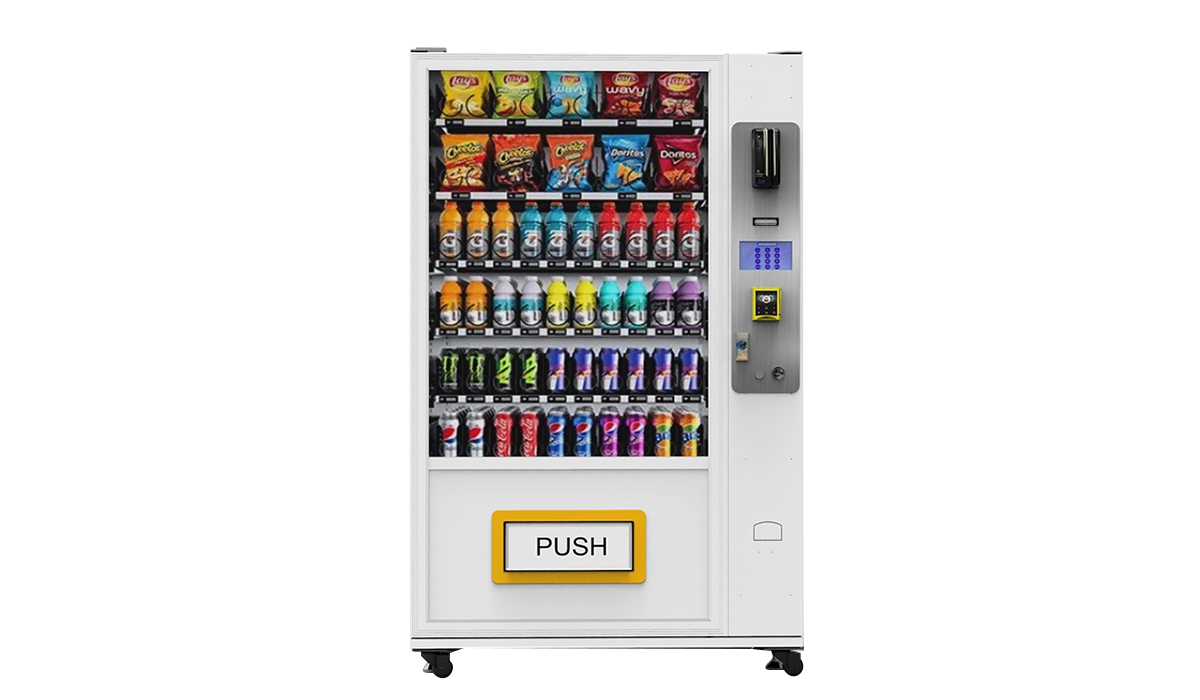
These are the workhorses of the industry. They hold both packaged snacks and canned or bottled drinks. In Rome, I recommend machines with a spiral mechanism for snacks and a belt system for cans. Avoid machines with too many moving parts. A good combination machine costs between €3,000 and €6,000 new. Used units can be found for €1,500 to €2,500, but be careful with wear and tear on the refrigeration system.
Coffee and Hot Beverage Machines
Italians take their coffee seriously. A vending machine that serves espresso, cappuccino, and hot chocolate can be a goldmine in office buildings and hotels. However, these machines require more maintenance because of the milk system and brewing unit. I have seen operators spend €200 to €400 per month on cleaning and parts for a high-volume coffee machine. The initial cost ranges from €4,000 to €8,000 for a commercial-grade unit.
Fresh Food and Refrigerated Machines
If you place a refrigerated machine in a hospital or university, you can sell sandwiches, salads, and yogurt. The margins are good, but the spoilage risk is higher. You need a reliable cold chain and a supplier who offers temperature monitoring. These machines cost between €5,000 and €10,000 new. I recommend starting with a smaller unit if you are new to fresh food vending.
How to Evaluate a Vending Machine Supplier in Rome
Over the years, I have worked with several suppliers in Italy, and I have learned to ask the right questions before buying. Here is what I look for in the best vending machine suppliers in Rome Italy.
After-Sales Support and Spare Parts Availability
A machine will break. It is not a question of if, but when. I have seen operators wait weeks for a simple part because the supplier did not stock it locally. Ask the supplier how quickly they can send a technician or ship a replacement part. Ideally, they should have a local service network in Rome or at least within a two-hour drive. Zhongda Smart, for example, has a reputation for providing detailed technical documentation and spare parts kits, which helps reduce downtime.
Payment System Compatibility
Italy uses a mix of cash, contactless cards, and mobile payments. Your machine must accept Bancomat (the local debit card network) and major credit cards. I have seen machines fail because they only accepted coins. Make sure the supplier offers a payment terminal that supports NFC and QR code payments. This is non-negotiable in a tourist city like Rome.
Machine Build Quality
I always recommend inspecting the machine in person before buying. Look at the door seal, the refrigeration unit, and the control board. Cheap machines often use thin steel that rusts quickly in humid conditions. A well-built machine should last at least 8 to 10 years with proper maintenance. Zhongda Smart machines, which I have encountered in several European operations, use corrosion-resistant materials and have a modular design that makes repairs easier.
Cost Breakdown: What You Really Need to Invest
Let me give you a realistic picture based on my own operations and industry data. According to a 2023 report by IBISWorld, the average vending machine operator in Europe spends between €8,000 and €15,000 to set up a single machine, including the machine, installation, and initial stock. In Rome, you might be on the higher end due to delivery and installation costs.
| Cost Category | Estimated Range (EUR) | Notes |
|---|---|---|
| New machine (snack/drink combo) | €3,000 – €6,000 | Prices vary by brand and features |
| Used machine (refurbished) | €1,500 – €3,000 | Check refrigeration and payment system |
| Installation and delivery | €300 – €800 | Depends on location and machine weight |
| Initial stock (first fill) | €500 – €1,200 | Based on 150–250 items |
| Payment terminal setup | €200 – €500 | Includes contactless reader |
| Annual maintenance (parts and labor) | €400 – €1,000 | Higher for coffee machines |
I have seen operators start with a single used machine for under €3,000 total, but they often face higher repair costs later. If you can afford it, buy a new machine from a reputable supplier. The peace of mind is worth the extra cost.
Revenue Potential and Profit Margins
This is the question everyone asks. Based on my experience and data from Statista, the average vending machine in Italy generates between €300 and €800 in monthly revenue per machine. In high-traffic locations like a busy metro station, I have seen machines hit €1,200 per month. But in a low-traffic office, you might struggle to reach €200.
Profit margins depend on what you sell. Packaged snacks have a margin of 30% to 40%, while drinks are around 20% to 30%. Coffee has the highest margin, often 50% to 70% per cup. However, coffee machines require more frequent cleaning and higher maintenance costs. I always advise new operators to start with a mix of snacks and drinks until they understand the local demand.
Real Example from My Experience
I placed a snack and drink machine in a small office building near Termini Station. The monthly revenue averaged €450. After subtracting the cost of goods (about €180), machine lease (€100), and maintenance (€50), the net profit was around €120 per month. The machine cost €4,000 new, so the payback period was about 33 months. That is typical for a mid-range location. If you find a high-traffic spot, the payback can be as short as 12 to 18 months.
Key Factors That Affect Your Success
Location, Location, Location
I cannot stress this enough. A great machine in a bad location will fail. Look for places with at least 500 people passing by per day. In Rome, good spots include hospital waiting areas, university corridors, office building lobbies, and tourist attraction entrances. Avoid locations with no electricity or poor ventilation. I once placed a machine in a basement with no air circulation, and the refrigeration unit failed within six months.
Product Selection
What sells in Rome might not sell in Milan. I have learned that local preferences matter. Italians prefer savory snacks over sweet ones in the morning. They also like still water more than sparkling. Pay attention to the products that sell out first and adjust your stock accordingly. A machine that is half empty looks unattractive and reduces sales.
Payment System Reliability
I have lost sales because a payment terminal was offline. In Rome, where tourists use foreign cards, you need a terminal that accepts international payments without issues. I recommend using a payment provider that offers offline mode, so the machine can still accept cash if the network is down. This is a detail that many beginners overlook.
Common Mistakes New Operators Make
I have made many mistakes myself, and I have seen others repeat them. Here are the ones to avoid.
Buying the Cheapest Machine
A cheap machine might save you money upfront, but it will cost you in repairs. I have seen operators spend more on repairs in the first year than they saved on the purchase price. Always prioritize build quality and warranty.
Ignoring Maintenance Schedules
A dirty machine is a sales killer. In Italy, health inspectors can shut down a machine that is not clean. Schedule regular cleaning and check the refrigeration temperature weekly. I recommend keeping a logbook for each machine.
Overstocking or Understocking
Finding the right balance takes time. I suggest starting with a smaller inventory and tracking sales for the first month. Then adjust. A machine that is too full of slow-moving products ties up your cash. A machine that is too empty frustrates customers.
How to Choose Between Buying, Leasing, or Revenue Sharing
Each model has its pros and cons. I have used all three at different stages of my career.
| Model | Pros | Cons | Best For |
|---|---|---|---|
| Buying | Full control, higher long-term profit | High upfront cost, you bear all risk | Experienced operators with capital |
| Leasing | Lower upfront cost, includes maintenance | Monthly fee reduces profit, limited customization | Beginners or those testing a location |
| Revenue sharing | No upfront cost, location owner shares risk | Lower profit per sale, less control over pricing | Operators with strong location partners |
In my experience, buying is best if you have the capital and plan to operate long-term. Leasing is a good way to test a location without a large investment. Revenue sharing is rare in Italy but can work if you find a location owner who is willing to split the risk.
Regulatory Requirements in Rome and Italy
You cannot just place a machine anywhere. In Italy, you need to register your business with the local Chamber of Commerce (Camera di Commercio). You also need a health registration if you sell food or drinks. The ASL (Azienda Sanitaria Locale) will inspect your machine to ensure it meets hygiene standards. I recommend working with a local consultant or a supplier who can help with the paperwork. According to the Italian Ministry of Health, all vending machines that sell food must have a HACCP plan. This is not as complicated as it sounds, but it is mandatory.
Additionally, you need to comply with the EU directive on accessibility. Machines should be accessible to people with disabilities, which means the control panel and product selection must be reachable. Many modern machines already meet this standard.
How to Find the Best Vending Machine Suppliers in Rome Italy
Start by asking other operators. I have found that word of mouth is more reliable than online reviews. Attend trade shows like Venditalia in Milan, where you can see machines in person and talk to suppliers. When evaluating a supplier, ask for references. Call a few of their existing customers and ask about response times for repairs. I also recommend checking if the supplier offers training on how to use the machine and the management software.
Zhongda Smart is one supplier that I have seen in several European operations. They offer a range of machines that are compatible with European payment systems and have a decent warranty. I am not saying they are the only option, but they are worth considering if you want a reliable machine with good technical support. Always compare at least three suppliers before making a decision.
FAQ: Common Questions About Vending Machines in Rome
Are vending machines profitable in Rome?
Yes, but it depends on the location and your operational efficiency. I have seen machines generate €300 to €800 per month in revenue. Profit margins range from 20% to 50% depending on the product. You need to manage costs carefully, especially maintenance and stock rotation.
How much does a vending machine cost in Italy?
A new snack and drink machine costs between €3,000 and €6,000. Coffee machines are €4,000 to €8,000. Used machines can be found for €1,500 to €3,000, but they may have higher repair costs. Installation and initial stock add another €1,000 to €2,000.
How long does it take to recoup the investment?
In a good location, you can recoup your investment in 18 to 36 months. In a slow location, it can take 4 to 5 years. I always recommend calculating the payback period before buying a machine. If it is longer than 3 years, look for a better spot.
Should I buy a new or used machine as a beginner?
I recommend buying a new machine if you can afford it. Used machines often have hidden problems, especially with the refrigeration system. If you buy used, have a technician inspect it first. A new machine from a supplier like Zhongda Smart gives you a warranty and fewer headaches.
What is the best location for a vending machine in Rome?
High-traffic areas with a captive audience. Think hospital waiting rooms, university buildings, office complexes, and tourist attractions. Avoid locations with no electricity or poor ventilation. I have had good results near metro stations and bus terminals.
Do I need a license to operate a vending machine in Rome?
Yes. You need to register your business with the Chamber of Commerce and obtain a health registration from the ASL if you sell food or drinks. The requirements are straightforward but must be followed. A good supplier can guide you through the process.
How often do I need to restock the machine?
It depends on sales volume. In a busy location, you might need to restock every 2 to 3 days. In a slower location, once a week is enough. I recommend using a management system that tracks inventory levels so you know when to restock.
What happens if the machine breaks down?
You need a reliable repair service. If you bought from a good supplier, they should have a local technician. I always keep a spare parts kit for common issues like a jammed coin mechanism or a faulty temperature sensor. Downtime means lost revenue, so speed matters.
How can I reduce maintenance costs?
Preventive maintenance is key. Clean the machine regularly, check the seals, and monitor the temperature. Invest in a machine with a modular design, so you can replace individual parts instead of the whole unit. Zhongda Smart machines have a modular design that makes repairs faster and cheaper.
Can I operate vending machines as a side business?
Yes, but you need to be realistic about the time commitment. Restocking and maintenance take time, especially if your machines are spread out. I recommend starting with one or two machines in nearby locations. Once you have a system in place, you can scale up.
Running a vending machine business in Rome is not a get-rich-quick scheme. It requires careful planning, a good understanding of the local market, and a reliable supplier. I have seen operators succeed by choosing the right locations, maintaining their equipment, and listening to customer preferences. If you are looking for the best vending machine suppliers in Rome Italy, take your time to evaluate your options. Visit showrooms, ask for references, and think about the long-term cost of ownership. With the right approach, this business can provide a steady income stream. Just remember that every machine is a small business in itself, and it deserves your attention.