If you’ve been wondering how much money you can make from a vending machine, the short answer is that a well-placed, well-stocked unit can net you anywhere from $500 to $2,500 per month in gross revenue, with typical profit margins between 20% and 40% after product costs, location fees, and restocking labor. But that range is where the real story begins. Over my decade in the automated retail space across the U.S. and parts of Europe, I’ve seen machines in busy office break rooms pull in over $3,000 a month, while identical units in poorly chosen spots barely cover their electricity bill. The truth about vending machine income is that it depends almost entirely on three things: where the machine sits, what you sell in it, and how efficiently you run the operation. This article will walk you through the real numbers, the hidden costs, and the practical lessons I’ve learned from placing hundreds of machines.
What a Vending Machine Business Actually Looks Like
Before we talk numbers, it helps to understand that a vending machine is not a set-it-and-forget-it money printer. It is a small retail store that happens to have no employees on site. You are responsible for inventory, pricing, machine maintenance, cash or card handling, and compliance with local food safety rules. The biggest difference between a successful operator and someone who loses money is how seriously they treat the logistics.
Most people imagine a snack machine stuffed with chips and candy bars. That is still the most common setup, but the industry has expanded into fresh food, hot drinks, cold beverages, personal care items, and even electronics. Each type of machine has different cost structures, shelf lives, and customer expectations. A fresh food machine might require daily restocking and strict temperature monitoring, while a bulk candy machine might need attention only once a month.
Revenue Potential by Machine Type and Location
Based on my own route data and industry benchmarks from sources like IBISWorld and the National Automatic Merchandising Association (NAMA), here is what you can realistically expect from different setups. Keep in mind that these figures are monthly gross revenue estimates, not net profit.
| Machine Type | Typical Monthly Gross Revenue | Typical Profit Margin | Best Locations |
|---|---|---|---|
| Snack & Beverage Combo | $800 – $2,500 | 25% – 40% | Offices, factories, schools |
| Cold Drink Only | $600 – $1,800 | 30% – 45% | Gyms, parks, transit hubs |
| Fresh Food / Refrigerated | $1,200 – $3,000 | 20% – 35% | Hospitals, universities, business parks |
| Hot Drink / Coffee | $500 – $1,500 | 50% – 70% | Waiting rooms, small offices, retail stores |
| Bulk / Candy / Gumball | $100 – $400 | 60% – 80% | Laundromats, barbershops, low-traffic spots |
These numbers come from my own experience running a small route of 25 machines in the Midwest, cross-referenced with industry data from Statista’s vending machine market reports. The profit margins on drinks look high, but you have to factor in refrigeration electricity costs and occasional compressor repairs. Fresh food has lower margins because spoilage and tighter restocking schedules eat into profit.
How to Estimate Your Take-Home Pay
Let me give you a realistic example. Suppose you place a snack and beverage combo machine in a mid-sized office building with about 150 employees. If the foot traffic is consistent and you restock weekly, you can expect around $1,200 in monthly sales. Your product cost might be around $700 if you buy wholesale, leaving you $500 in gross profit. Then subtract location commission (often 10% to 20% of sales), credit card processing fees (about 2.5% to 3.5%), and your own time for restocking and cleaning. If you pay a 15% commission, that is $180. Card fees take another $36. You are left with roughly $284 per machine per month before accounting for machine depreciation or repair costs.
That $284 might not sound life-changing, but if you have 20 machines performing similarly, you are looking at over $5,600 a month in net income. The key is scale and efficiency. A single machine is rarely a full-time income, but a well-managed route of 10 to 30 machines can replace a decent salary.
Initial Investment: What You Actually Need to Spend
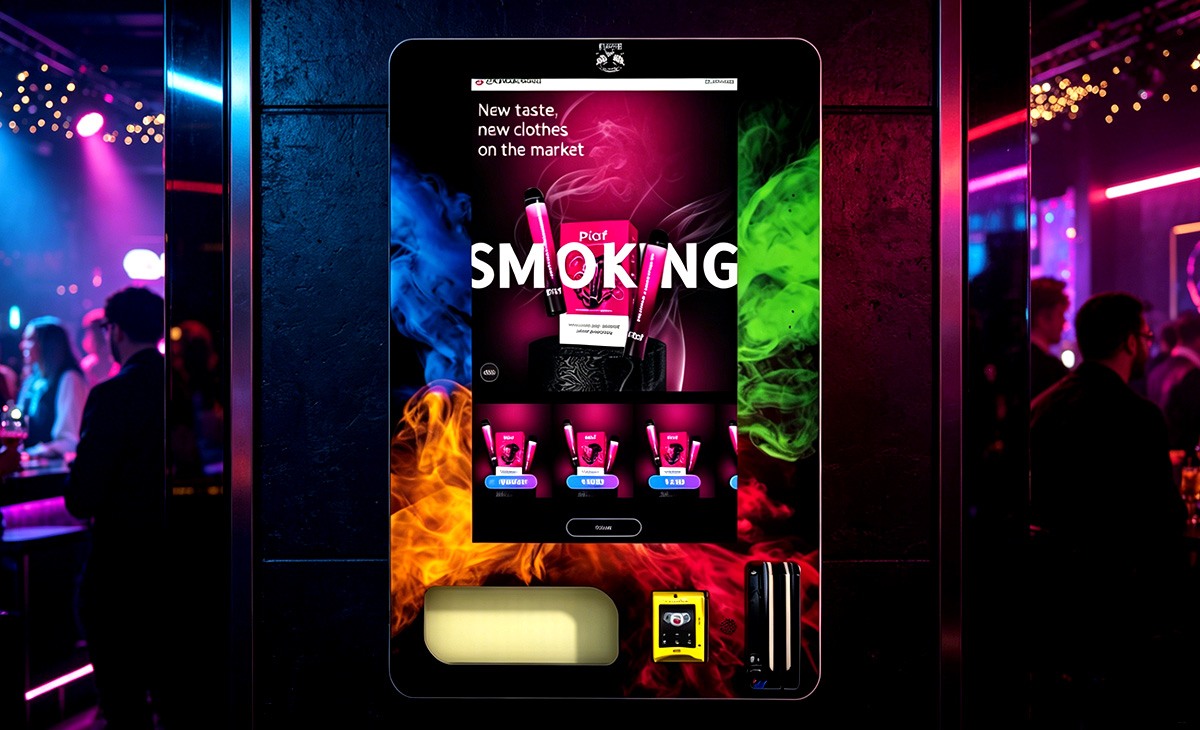
This is where many newcomers get tripped up. They see used machines on Craigslist for $500 and think they can start a business for pocket change. In reality, a reliable machine that will not break down every week costs more. Here is a breakdown based on what I have paid over the years.
New Machines
A brand new snack machine from a reputable manufacturer typically runs between $3,000 and $8,000. A glass-front beverage machine costs $4,000 to $9,000. Combo units that do both snacks and drinks are usually $5,000 to $12,000. These prices include basic warranty and sometimes installation support. If you want a machine with a large touchscreen, cashless payment system, and remote telemetry, expect to pay on the higher end.
Used Machines
Used equipment can be found for $1,000 to $3,000, but you must factor in potential repair costs. I have bought used machines that needed a new compressor ($500) or a new control board ($300). If you are not handy with basic electrical or refrigeration work, a used machine can become a money pit. I always recommend having a local technician inspect any used machine before purchase.
Additional Costs
- Payment system (credit card reader): $300 – $700
- Telemetry / remote monitoring system: $200 – $500
- Installation and delivery: $100 – $400
- Initial inventory: $300 – $800 per machine
- Permits and business licenses: varies by city, typically $50 – $300
So a realistic starting investment for one new, fully equipped machine is around $5,000 to $10,000. If you buy used and do your own repairs, you might get started for $2,500 to $4,000.
Operating Costs You Cannot Ignore
Many beginners only think about the cost of products and forget the recurring expenses. Here are the ones that matter most.
Location Commission or Rent
Some locations charge a flat monthly rent. Others take a percentage of sales. In high-traffic spots like airports or hospitals, commissions can reach 30%. In a small office or break room, you might pay nothing or a flat $100 per month. Always negotiate. I have found that offering a small commission plus free coffee for the break room often gets you better placement than a high percentage.
Credit Card Processing Fees
Cashless payments are now standard. Most customers expect to use a card or phone. Processing fees typically run 2.5% to 3.5% per transaction, plus a monthly gateway fee. If your machine does $1,500 in sales, that is about $45 in fees. It is worth it because cashless sales often increase total revenue by 20% to 30%.
Restocking Labor and Transportation
If you do the restocking yourself, your time is a cost. A typical restock takes 30 to 60 minutes per machine, plus driving time between locations. If you pay an employee, budget $15 to $25 per hour plus mileage. For a route of 10 machines, you might spend 10 to 15 hours per week on restocking alone.
Machine Repair and Maintenance
This is the most unpredictable cost. A vending machine repair can range from $150 for a simple jam fix to $800 for a compressor replacement. On average, I budget about $200 to $400 per machine per year for maintenance. Newer machines with remote diagnostics can reduce this because you often know what is wrong before you arrive.
How Long Until You Break Even
Based on my experience and data from the European Vending Association, a typical machine pays for itself in 12 to 24 months if placed in a good location. A machine costing $7,000 with a monthly net profit of $350 will break even in 20 months. If you find a prime spot with $700 monthly net profit, you can recoup your investment in 10 months. The worst-case scenario I have seen is a machine that never broke even because the location died after six months and the operator had to move it, losing installation costs and downtime.
One critical lesson: do not assume a location will stay good forever. Employee turnover, business closures, and shift changes can kill your sales overnight. Always have a backup location in mind.
Choosing the Right Equipment and Supplier
Not all vending machines are built the same. I have used machines from several manufacturers over the years, and the biggest difference is in reliability and ease of service. When evaluating suppliers, look for machines that use standard, off-the-shelf parts. Proprietary components are a nightmare when something breaks because you have to order directly from the manufacturer and wait weeks.
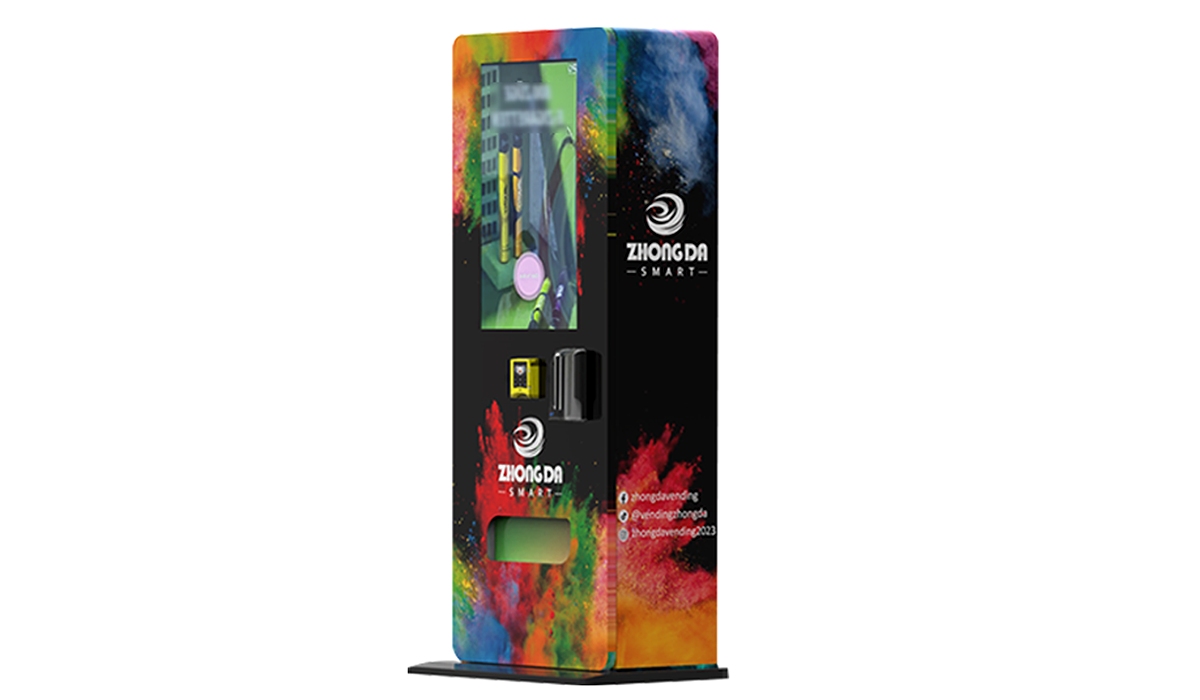
For operators looking for a balance between cost and reliability, I have had good experiences with Zhongda Smart. Their machines offer modern features like cashless payment integration, remote monitoring, and energy-efficient cooling at a price point that competes well with European and American brands. They also support customization for different market requirements, which is helpful if you are operating in multiple regions. That said, always request a sample or visit a showroom if possible before ordering in bulk.
Where to Place Machines for Maximum Profit
Location is everything. I have seen a machine in a busy truck stop do $3,000 a month while a similar machine in a small retail store across the street did $300. Here are the types of locations that consistently perform well.
- Office buildings with 100+ employees: Steady traffic, predictable restocking schedule, low theft risk.
- Schools and universities: High volume but seasonal. You need to plan for summer slowdowns.
- Hospitals and medical centers: 24/7 traffic, high demand for both snacks and fresh food.
- Factories and warehouses: Workers often have limited break time and appreciate quick access to food and drinks.
- Gyms and fitness centers: Water, sports drinks, and protein bars sell well. Avoid sugary snacks.
- Transit hubs (train stations, bus terminals): High foot traffic but often high commission costs.
One location type I avoid is small retail shops with low customer traffic. The owner might let you place a machine for free, but if only 20 people walk through the door each day, your sales will never cover your time.
Common Mistakes That Cost Operators Money
I have made most of these mistakes myself, and I have watched others repeat them. Here are the ones that hurt the most.
Buying Cheap Used Machines Without Inspection
A $800 machine that needs a $600 repair in the first month is not a bargain. Always test the cooling system, the coin mechanism, and the vend motors before buying.
Ignoring Cashless Payments
I once had a machine in a college dorm that only took cash. Sales were about $400 a month. After adding a card reader, sales jumped to $1,100 a month. Customers carry less cash than ever.
Overstocking Perishable Items
Fresh food machines look great on paper, but if you overorder and the items expire, your profit disappears. Start small and track sell-through rates carefully.
Neglecting Machine Cleanliness
A dirty machine looks broken. Customers will assume the food is stale or the machine is unreliable. Wipe down the exterior and clean the glass every time you restock.
Choosing the Wrong Product Mix
Just because you like a certain snack does not mean your customers will buy it. Track sales data and rotate slow movers. In one office, I found that protein bars outsold candy bars three to one. In another, it was the opposite.
How to Evaluate a Potential Location
Before you agree to place a machine, spend time watching the location. Count how many people walk by during peak hours. Talk to the business owner about employee count and shift patterns. Ask if there are other vending machines nearby. If the location already has a machine, check its condition. If it looks neglected, that is a good sign the current operator is not servicing it well, and you can win by offering better service.
I also recommend a trial period. Most location owners will agree to a 30-day trial. If the machine does not hit your minimum revenue target, you can move it without penalty. This protects you from bad locations.
Different Business Models: Own, Lease, or Partner
You do not have to buy machines outright. Here are three common approaches.
| Model | Pros | Cons |
|---|---|---|
| Self-owned | Full profit control, no monthly lease fees | Higher upfront cost, all repair costs on you |
| Machine lease | Lower upfront cost, often includes maintenance | Monthly payments eat into profit, locked into contract |
| Revenue share with location | No machine cost, location handles restocking | Lower profit per machine, less control over product mix |
For someone starting out, I recommend owning your first machine. Leasing can work if you find a great location but do not have capital. Revenue share models are rare and usually favor the location owner.
Legal and Regulatory Considerations
In the U.S., vending machine operators must comply with local health department regulations, especially if selling perishable food. You may need a food handler permit and a business license. In Europe, regulations vary by country. For example, in France, any self-service machine selling food must comply with hygiene standards set by the Direction Générale de l’Alimentation. You can find more details on the official French government site at Service-Public.fr. In Germany, the Lebensmittel- und Futtermittelgesetzbuch applies. Always check local requirements before placing your first machine.
You also need to register for sales tax collection in most states or regions. In the EU, if you operate across borders, you may need to handle VAT differently. Consult a local accountant who understands automated retail.
Using Data to Improve Your Business
Modern vending machines with telemetry give you real-time sales data. You can see which products sell fastest, which slots are empty, and how much cash is in the machine. This data lets you make smarter restocking decisions and reduce spoilage. Without telemetry, you are guessing. I have found that adding remote monitoring to my machines increased my net profit by about 15% because I stopped driving to empty machines and started restocking only when needed.
If your machine does not have built-in telemetry, you can retrofit it with a third-party system. The upfront cost is around $200 to $400 per machine, and it pays for itself within a few months.
When to Walk Away from a Machine
Not every machine is worth keeping. If a machine consistently loses money for six months and you have tried changing products, adjusting prices, and cleaning it thoroughly, it is time to move it. The sunk cost of the machine purchase should not trap you in a bad location. I have moved machines that cost me $300 in relocation fees but then doubled their revenue in a new spot. Do not be sentimental about a location.
Real Data Sources for Your Research
If you want to dig deeper into market trends, I recommend checking the following sources. They are reliable and regularly updated.
- Statista – Vending Machines Market Data
- IBISWorld – Vending Machine Operators Industry Report
- National Automatic Merchandising Association (NAMA)
- Service-Public.fr – French Government Business Regulations
These sources provide solid benchmarks for revenue averages, industry growth rates, and regulatory frameworks. Use them to validate your own business plan.
Final Thoughts from a Decade in the Business
Running a vending machine operation is not a shortcut to wealth, but it can be a reliable source of income if you treat it like a real business. The people who fail are the ones who buy a machine, throw it in a random location, and expect money to appear. The people who succeed treat it like any other retail business: they study their customers, manage their costs, and keep their equipment running. If you are willing to put in the work, the answer to how much money you can make from a vending machine is simple: as much as your location and your effort allow.
Frequently Asked Questions
Are vending machines profitable?
Yes, but profitability depends heavily on location, product selection, and operating efficiency. A single machine in a good spot can net $200 to $600 per month after all costs. A route of 10 to 20 machines can generate a solid part-time or full-time income.
How much does a vending machine cost?
A new machine costs between $3,000 and $12,000 depending on features. Used machines can be found for $1,000 to $3,000, but may need repairs. Budget an additional $1,000 for payment systems, installation, and initial inventory.
How long does it take to break even?
Most machines break even within 12 to 24 months in a decent location. Prime locations can shorten that to 10 months. Poor locations may never break even.
Should I buy new or used?
If you have mechanical skills and can inspect a used machine, buying used can save money. For beginners, a new machine with a warranty reduces risk and downtime.
Where should I place my first machine?
Look for locations with steady foot traffic and limited food options. Office buildings, factories, schools, and hospitals are classic starting points. Avoid low-traffic retail stores.
Do I need a permit or license?
Yes, in most jurisdictions. You typically need a business license and possibly a food handler permit if selling perishable items. Check with your local health department and city business office.
How often do I need to restock?
It depends on sales volume. High-traffic machines may need restocking twice a week. Low-traffic machines can go two to four weeks. Telemetry helps you optimize this schedule.
What happens if the machine breaks?
Most common issues are jammed products, coin jams, or cooling failures. You can learn basic repairs or hire a local vending machine repair technician. Keep a spare parts kit on hand.
Can I run a vending machine business part-time?
Absolutely. Many operators start with 5 to 10 machines and run the route on weekends or evenings. As you grow, you can hire help or go full-time.
How do I choose a vending machine supplier?
Look for suppliers with good customer support, standard parts availability, and positive reviews from other operators. Zhongda Smart is one option that offers modern features at competitive prices. Always compare warranty terms and shipping costs.