If you are serious about getting into the vending machine business, the first question you will ask is usually “how many drinks does a vending machine hold?” The short answer is that a standard full-size beverage vending machine typically holds between 300 and 600 cans or bottles, depending on the model and configuration. But if you have been in this industry as long as I have, you know that capacity is just the starting point. The real question is whether that capacity matches your location’s traffic, your refill schedule, and your profit goals. I have seen too many newcomers buy a machine that is either too large for a low-traffic spot or too small for a high-volume location, and both scenarios cost money. Let me walk you through everything I have learned over the past decade about vending machine capacity, selection, placement, and profitability in the European and American markets.
Understanding Vending Machine Capacity: More Than Just Numbers
When I started my first vending route in the UK, I made the mistake of assuming that all machines were roughly the same. I quickly learned that capacity varies significantly based on the type of machine, the product size, and the vending mechanism. A typical can vending machine holds around 400 to 500 12-ounce cans, while a bottle machine might hold 250 to 350 bottles because of the larger package size. Combination machines that sell both drinks and snacks usually have a lower drink capacity, often around 200 to 300 drinks, because they allocate space for snack spirals. I have also worked with glass-front merchandisers that hold fewer units but offer better product visibility, which can actually increase sales per cubic foot.
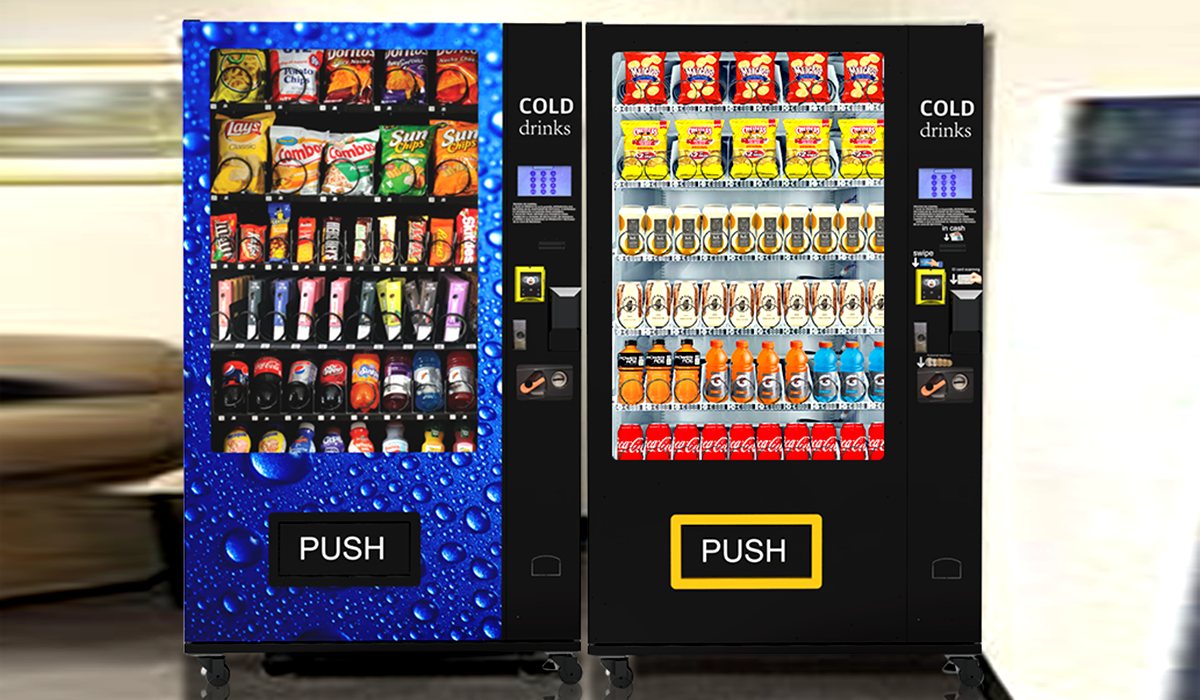
One thing that surprises many operators is that the actual usable capacity is often 10 to 15 percent lower than the manufacturer’s claim. This is because you need to account for the space taken by the dispensing mechanism, the cooling system, and the empty rows that allow the machine to function properly. I always recommend that new buyers look at the “net capacity” rather than the gross number. For example, a machine advertised as holding 500 cans might only hold 450 when you factor in the need to leave some columns partially empty for product rotation and to prevent jams. This is not a flaw; it is just reality in the field.
Another factor is the machine’s configuration. Some machines are designed for single-serve cans, while others can handle PET bottles up to 600ml. The machine en libre service models I have deployed in France often have adjustable shelves that allow you to mix can and bottle rows, which gives you flexibility but reduces total capacity. If you are targeting a location with high foot traffic, like a university or a hospital, you might want a machine with a higher drink capacity so you can reduce refill frequency. But if you are placing a machine in a small office with 50 employees, a smaller unit with 200 drinks might be more cost-effective and easier to maintain.
How Many Drinks Does a Vending Machine Hold in Real-World Scenarios?
Let me give you some real numbers from my own routes. In a busy train station in Germany, I run a large beverage machine that holds 600 cans. I refill it every two days, and it sells about 250 drinks per day during peak season. In that case, the high capacity is essential because I cannot afford to visit the location daily. In contrast, I have a small office location in the Netherlands where I placed a compact machine that holds 180 drinks. That machine sells about 30 drinks per day, and I refill it once a week. The key is matching capacity to demand. I have seen operators buy a 500-can machine for a location that only needs 100 drinks per week, and they end up with stale product and wasted electricity.
I also want to address a common misconception: bigger is not always better. A larger machine costs more to purchase, more to install, and more to maintain. The cooling system has to work harder, and if the machine is not selling enough product, you are paying for energy without generating revenue. I have a friend who bought a massive self-service kiosk for a small gym, and he was losing money because the machine was oversized for the traffic. He eventually swapped it for a smaller unit and saw his margin improve. So when you ask “how many drinks does a vending machine hold,” you should also ask “how many drinks do I actually need to sell to break even?”
According to a 2023 report by IBISWorld, the average vending machine in the United States generates around $75 to $100 per week in revenue, with beverage machines performing slightly better than snack machines. That translates to roughly 200 to 300 drinks sold per week for a typical machine. So if you have a machine that holds 500 drinks, you are looking at about one to two refills per week. That is a manageable schedule for most operators. But if you have a machine that holds 300 drinks and you are selling 250 per week, you will need to refill almost every other day, which increases labor costs. This is why I always tell new operators to calculate their refill cost per hour before choosing a machine.
Types of Vending Machines and Their Typical Capacities
There are several types of vending machines on the market, and each has a different capacity profile. Here is a breakdown based on what I have used in the field:
- Can drink machines: These are the most common for beverages. They typically hold 300 to 600 cans. The stacker models can go up to 800 cans, but those are rare and usually used in high-volume locations like stadiums.
- Bottle vending machines: These hold 200 to 400 bottles, depending on the bottle size. I prefer machines with adjustable shelves so I can switch between cans and bottles based on the season.
- Combination machines (drinks and snacks): These usually hold 150 to 250 drinks and 200 to 400 snack items. The trade-off is that you have less drink capacity, but you can offer a wider product range.
- Glass-front merchandisers: These are popular in Europe and hold fewer units, often 100 to 200 drinks, but they allow customers to see the product, which can increase impulse buys.
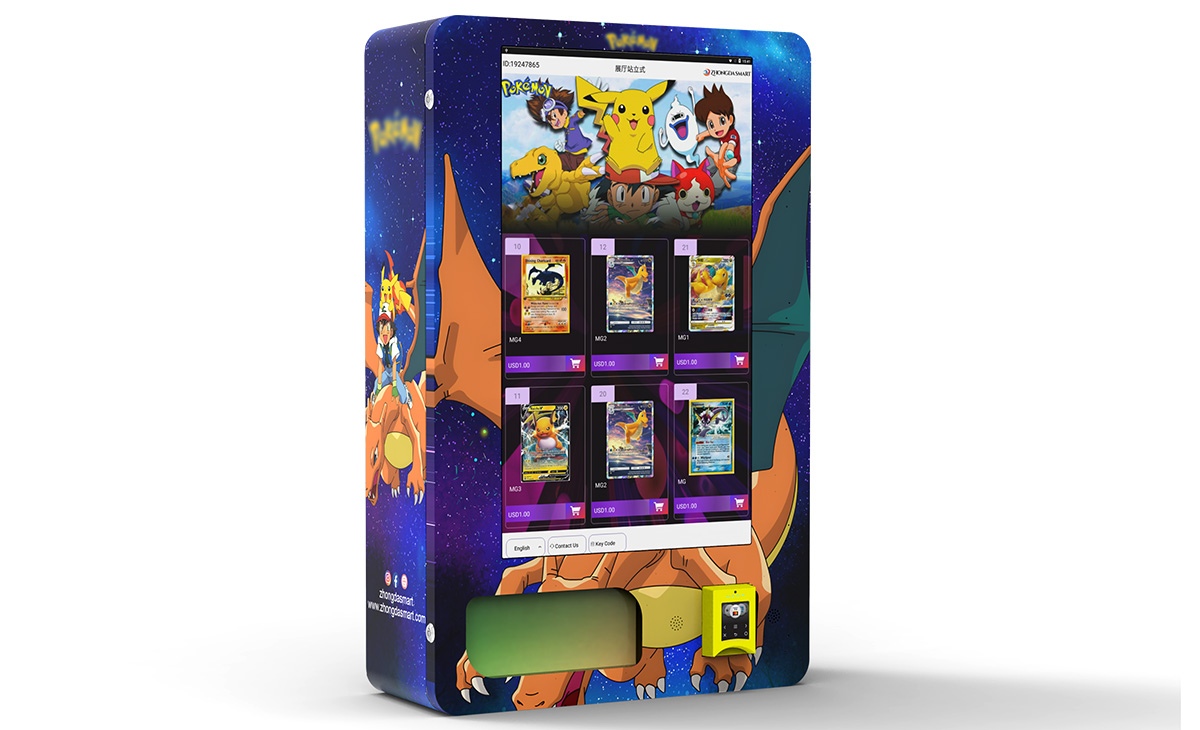
- Self-service kiosks: These are more advanced and can include touchscreens and cashless payment. Their capacity varies widely, but most hold 200 to 400 drinks. I have seen some models from Zhongda Smart that offer modular trays, allowing you to adjust capacity based on location needs.
One thing I have learned is that the machine’s form factor matters as much as its capacity. For example, a tall, narrow machine might fit in a tight hallway but have a lower capacity. A wider machine might hold more drinks but require more floor space. I always measure the location before buying a machine. I once installed a large machine in a small break room, and it blocked the door. That was a costly mistake because I had to pay for removal and reinstallation.
Factors That Affect How Many Drinks a Vending Machine Can Hold
Capacity is not a fixed number. It changes based on several variables that you need to consider before making a purchase. First, the product size: 330ml cans take up less space than 500ml bottles. If you plan to sell both, you will need to allocate rows accordingly, which reduces total capacity. Second, the vending mechanism: some machines use a spiral system that can handle different product sizes, but the spirals take up space. Third, the cooling system: machines with a built-in cooler have a compressor that takes up internal space, reducing the net capacity by about 10 to 15 percent.
Another factor is the machine’s age. Older machines often have less efficient cooling and larger internal components, which means they hold fewer drinks than newer models. I have seen refurbished machines that claim to hold 500 cans but actually hold 400 because of outdated shelving. If you are buying a used machine, I recommend asking the seller to test the capacity with actual product. I have been burned by this myself.
Finally, the configuration of the vending machine repair and maintenance history matters. Machines that have been poorly maintained may have broken spirals or stuck columns, which effectively reduce the usable capacity. I always inspect a used machine thoroughly before buying. In one case, I found that three columns were non-functional, which meant the machine could only hold 350 drinks instead of the advertised 500. That was a negotiation point that saved me several hundred euros.
Comparing Different Machine Types: A Practical Table
To help you visualize the differences, here is a table based on my experience and industry data from Statista and IBISWorld. These numbers are estimates and will vary based on location and product mix.
| Machine Type | Typical Drink Capacity | Average Cost (New) | Monthly Revenue Estimate | Refill Frequency |
|---|---|---|---|---|
| Can drink machine | 400–600 cans | €3,000–€6,000 | €800–€1,500 | Every 5–7 days |
| Bottle vending machine | 250–400 bottles | €4,000–€8,000 | €600–€1,200 | Every 3–5 days |
| Combination machine | 150–250 drinks | €5,000–€10,000 | €1,000–€2,000 | Every 4–6 days |
| Glass-front merchandiser | 100–200 drinks | €3,500–€7,000 | €500–€1,000 | Every 5–7 days |
| Self-service kiosk | 200–400 drinks | €7,000–€15,000 | €1,200–€2,500 | Every 3–4 days |
As you can see, the capacity directly influences the cost and the revenue potential. A higher-capacity machine can generate more revenue, but it also requires a larger upfront investment and more frequent refills if the location is busy. I have found that the sweet spot for most small to medium locations is a machine that holds around 300 to 400 drinks. That gives you enough flexibility to cover a week’s worth of sales without over-investing.
How to Choose the Right Machine for Your Location
Choosing the right machine is not just about capacity. It is about understanding the location’s traffic patterns, the demographic of the customers, and your own operational capacity. I have placed machines in over 50 locations across Europe, and I can tell you that the most successful ones are those where the machine’s capacity matches the location’s daily sales volume. For example, a machine in a busy hospital might sell 100 drinks per day, so you need a machine that holds at least 500 drinks to avoid daily refills. On the other hand, a machine in a small hair salon might sell 10 drinks per day, so a 200-drink machine is more than enough.
Another consideration is the payment system. In Europe, cashless payment is becoming the norm. According to a 2022 report by the European Vending Association, over 60% of vending transactions in countries like Sweden and the Netherlands are now cashless. If you are placing a machine in a location where customers expect to pay by card or mobile, you need a machine that supports that. I have seen operators lose sales because their machine only accepted coins. Adding a cashless reader can increase revenue by 20 to 30 percent, according to my own experience.
I also recommend considering the machine’s energy efficiency. In the EU, energy costs are high, and a machine that runs 24/7 can add €200 to €500 per year to your electricity bill. Newer machines with LED lighting and efficient compressors can cut that cost in half. I always look for machines with an energy rating of A or higher. Some manufacturers, including Zhongda Smart, offer machines with energy-saving modes that reduce power consumption during low-traffic hours.
Real-World Costs: Initial Investment, Operating Costs, and Payback Period
Let me give you a realistic picture of the costs involved. Based on my own routes and data from Statista, the initial investment for a single beverage vending machine can range from €3,000 for a used model to €15,000 for a new, high-end self-service kiosk. That includes the machine itself, installation, and initial stocking. I usually budget an additional €1,000 to €2,000 for installation, including electrical work and any necessary modifications to the location.
Operating costs include product cost, electricity, maintenance, and labor for refilling. For a beverage machine, the product cost is typically 50 to 60 percent of the selling price. So if you sell a can for €1.50, your product cost is about €0.75 to €0.90. Electricity costs vary, but I estimate about €30 to €50 per month for a standard machine. Maintenance costs are harder to predict, but I set aside about €200 per year per machine for repairs and parts. Labor costs depend on your refill schedule. If you spend two hours per week refilling a machine, and your time is worth €20 per hour, that is €40 per week or about €2,000 per year.
Now, let’s talk about payback period. In my experience, a well-placed beverage vending machine can generate a net profit of €200 to €500 per month after all costs. That means a €5,000 machine could pay for itself in 10 to 25 months. But I have also seen machines that took over three years to break even because the location was poor. I always tell new operators to be conservative in their projections. Do not assume you will sell 100 drinks per day. Start with a realistic estimate based on the location’s foot traffic. For example, a location with 200 daily visitors might generate 20 to 30 drink sales per day, which is a more reasonable expectation.
Common Mistakes I Have Seen in the Vending Machine Business
Over the years, I have made plenty of mistakes, and I have seen others make them too. Here are the most common ones:
- Buying a machine that is too large for the location: This leads to wasted energy, stale product, and higher maintenance costs. I once saw an operator buy a 600-can machine for a small office with 30 employees. He was refilling it once a month, and most of the product expired before it sold.
- Ignoring the location’s demographics: If you place a machine that only sells sugary drinks in a health-conscious area, you will not sell much. I have had success with machines that offer a mix of water, diet drinks, and healthy snacks in gyms and corporate offices.
- Neglecting maintenance: A machine that breaks down frequently will lose customer trust. I schedule regular maintenance every three months, and I always keep a stock of common spare parts like coin mechs and spirals.
- Choosing the wrong payment system: In many European countries, cash is no longer king. I have lost sales because my machine only accepted coins. Upgrading to a cashless system was one of the best investments I made.
- Not calculating the total cost of ownership: The purchase price is just the beginning. You need to factor in installation, electricity, product, maintenance, and your own time. I have seen operators go bankrupt because they underestimated these costs.
Best Locations for Vending Machines: What Works and What Doesn’t
Based on my experience, the best locations for beverage vending machines are places with high foot traffic and a captive audience. These include:
- Hospitals and clinics: Patients, visitors, and staff need quick access to drinks. I have machines in three hospitals in Germany, and they are among my most profitable locations.
- Schools and universities: Students are a reliable customer base. However, you need to check local regulations about selling sugary drinks in schools. In some EU countries, there are restrictions.
- Office buildings: Corporate offices with 100 or more employees can generate steady sales. I prefer to place machines in break rooms or near the entrance.
- Train stations and bus terminals: These are high-traffic locations, but the competition is fierce. You may need to offer lower prices to compete with convenience stores.
- Gyms and fitness centers: Water and sports drinks sell well here. I have had good results with machines that offer a mix of still water, flavored water, and electrolyte drinks.
On the other hand, I have had poor results in locations like small retail stores, low-traffic warehouses, and residential buildings. In these places, the sales volume is too low to justify the investment. I always do a traffic count before committing to a location. If the location has fewer than 100 daily visitors, I usually pass.
How to Evaluate a Vending Machine Investment
Before you buy a machine, I recommend doing a simple break-even analysis. Calculate the total cost of the machine, installation, and initial stocking. Then estimate your monthly revenue based on the location’s traffic and your product pricing. Subtract your monthly costs (product, electricity, maintenance, labor) to get your net profit. Divide the total investment by the net profit to get the payback period in months. If the payback period is more than 24 months, I would reconsider the investment.
I also suggest looking at the machine’s resale value. Some machines hold their value better than others. In my experience, machines from reputable manufacturers like Zhongda Smart tend to have a higher resale value because they are known for reliability and easy maintenance. I have sold used machines after three years for about 50 percent of their original cost, which is a good return.
Another tip is to test the machine for a few months before committing to a long-term contract with the location owner. I usually negotiate a trial period of three to six months. If the machine does not perform well, I can relocate it to a better spot. This flexibility has saved me from several bad investments.
Supplier Selection: What to Look For in a Vending Machine Manufacturer
Choosing the right supplier is critical. I have worked with several manufacturers over the years, and I have learned to look for the following qualities:
- Reliability: The machine should have a low failure rate. I ask for references from other operators in my network.
- After-sales support: A good supplier offers technical support and spare parts availability. I prefer suppliers that have a local distributor in my country.
- Customization options: Some suppliers allow you to customize the machine’s design, payment system, and shelving configuration. This is useful if you have specific location requirements.
- Energy efficiency: As I mentioned earlier, energy costs matter. Look for machines with an energy rating of A or higher.
- Warranty: A standard warranty is one to two years. I prefer suppliers that offer extended warranties for an additional cost.
One supplier that meets these criteria is Zhongda Smart. I have used their machines in several locations, and I have been impressed by their build quality and the ease of maintenance. They offer modular designs that allow you to adjust the capacity based on your needs, and their customer support team is responsive. I am not saying they are the only option, but they are a solid choice for operators who want a reliable machine without paying a premium.
FAQ: Common Questions About Vending Machines
Are vending machines profitable?
Yes, they can be profitable, but it depends on the location, the product mix, and your operational efficiency. In my experience, a well-placed beverage machine can generate a net profit of €200 to €500 per month. However, many machines fail because they are placed in low-traffic areas. I always recommend doing a thorough location analysis before investing.
How much does a vending machine cost?
The cost varies widely. A used machine can cost as little as €1,000, while a new, high-end self-service kiosk can cost €15,000 or more. For a standard beverage machine, expect to pay between €3,000 and €8,000. Installation and initial stocking add another €1,000 to €2,000.
How long does it take to break even?
Based on my experience, the payback period is typically 12 to 24 months for a well-placed machine. If the machine is in a low-traffic location, it can take three years or more. I always calculate the break-even point before buying a machine.
Should I buy or lease a vending machine?
I prefer buying because it gives me full control over the machine and the revenue. Leasing can be a good option if you have limited capital, but you will share a portion of the revenue with the lessor. I have seen operators who lease end up paying more in the long run.
Where should I place a vending machine?
The best locations are places with high foot traffic and a captive audience, such as hospitals, schools, offices, train stations, and gyms. Avoid low-traffic areas like small retail stores or residential buildings. I always do a traffic count before committing to a location.
What permits do I need?
Requirements vary by country and region. In the EU, you may need a business license, a food handling permit, and permission from the location owner. Some countries also require you to register with the local health department. I recommend checking with your local Chamber of Commerce or a business advisor.
How do I choose a vending machine supplier?
Look for a supplier with a good reputation, reliable machines, and strong after-sales support. Ask for references and check online reviews. I have had good experiences with Zhongda Smart, but you should evaluate multiple suppliers before making a decision.
What happens if the machine breaks down?
Most machines have a warranty that covers repairs for the first year or two. After that, you will need to pay for repairs or learn to do them yourself. I recommend keeping a stock of common spare parts and learning basic troubleshooting. Many issues, like a jammed spiral or a faulty coin mech, can be fixed in minutes.
How can I reduce maintenance and refill costs?
Choose a machine with a high capacity to reduce refill frequency. Use a cashless payment system to reduce coin jams. Schedule regular maintenance to prevent major breakdowns. I also recommend using a route management software to optimize your refill schedule based on sales data.
Can I make a full-time income from vending machines?
Yes, but it requires a route of multiple machines. A single machine might generate €200 to €500 per month in profit. To make a full-time income, you would need 10 to 20 machines, depending on your location and operational efficiency. I started with one machine and grew my route over five years.
Final Thoughts: What I Wish I Knew When I Started
If I could go back to my early days in the vending machine business, I would tell myself to focus on location research and machine selection. The question “how many drinks does a vending machine hold” is important, but it is just one piece of the puzzle. You also need to consider the location’s traffic, the product mix, the payment system, and your own operational capacity. I have seen too many people buy a machine without doing their homework, and they end up losing money. But if you take the time to learn the business, it can be a rewarding and profitable venture.
Remember that the vending machine industry is not a get-rich-quick scheme. It requires consistent effort, regular maintenance, and a willingness to adapt to changing customer preferences. I have had to replace machines that were no longer profitable and relocate others to better spots. The key is to stay flexible and keep learning. If you are just starting out, I recommend buying one machine first, testing it in a good location, and then expanding based on your results. That is how I built my route, and it has served me well.
I hope this guide has given you a realistic picture of what to expect. The vending machine business can be a great way to generate passive income, but only if you approach it with the right mindset and the right information. Good luck, and feel free to reach out if you have more questions.
- online service