If you’re looking for the best vending machine suppliers in Munich Germany, you’re probably trying to figure out whether automated retail makes sense for your business, what equipment you actually need, and who you can trust to deliver reliable machines. Over the past decade, I’ve placed hundreds of units across Europe, from busy train stations in Munich to office lobbies in Berlin and industrial canteens in Stuttgart. What I’ve learned is that the supplier you choose matters as much as the location you pick. A bad machine from the wrong supplier will bleed you dry in repair costs, while a well-built unit from a reputable manufacturer can turn a profit for years. This guide walks you through everything I wish someone had told me before I started: how to evaluate suppliers, what equipment costs really look like, which locations perform best, and how to avoid the mistakes that sink most new operators.
What a Vending Machine Business Actually Looks Like in Munich
Munich is a unique market. It has a dense commercial core, a massive industrial base with companies like BMW and Siemens, and a high density of white-collar office workers who expect quick, quality food options. The city also enforces strict hygiene and waste regulations, which means you cannot just drop a machine anywhere and walk away. You need to understand local Gewerbe regulations, packaging ordinances, and the expectations of German consumers who are notoriously picky about product freshness.
From my experience, a vending machine in Munich is not a passive income machine. It is a small retail operation that requires consistent attention. The best operators treat each machine like a mini-store, rotating inventory based on seasonal demand and local preferences. If you are coming into this thinking you can fill a machine with generic snacks and collect money once a month, you will lose money. The operators who succeed in this city are the ones who treat restocking as a data-driven process.
I have seen too many newcomers buy cheap machines from unknown suppliers, place them in low-traffic spots, and then wonder why they are losing money. The reality is that a vending machine is only as good as the supplier who built it and the location where it sits. If you pick the wrong supplier, you will be stuck with a machine that breaks down every two weeks, has no local service support, and uses a payment system that German customers do not trust.
How to Evaluate a Vending Machine Supplier
When people ask me for advice on finding the best vending machine suppliers in Munich Germany, I tell them to ignore flashy websites and focus on three things: build quality, after-sales support, and payment system compatibility. A supplier that cannot provide local or regional technical support is a non-starter. If your machine jams at 8 AM on a Monday and the supplier is in another continent with a 12-hour time difference, you lose a full day of revenue and possibly the location contract.
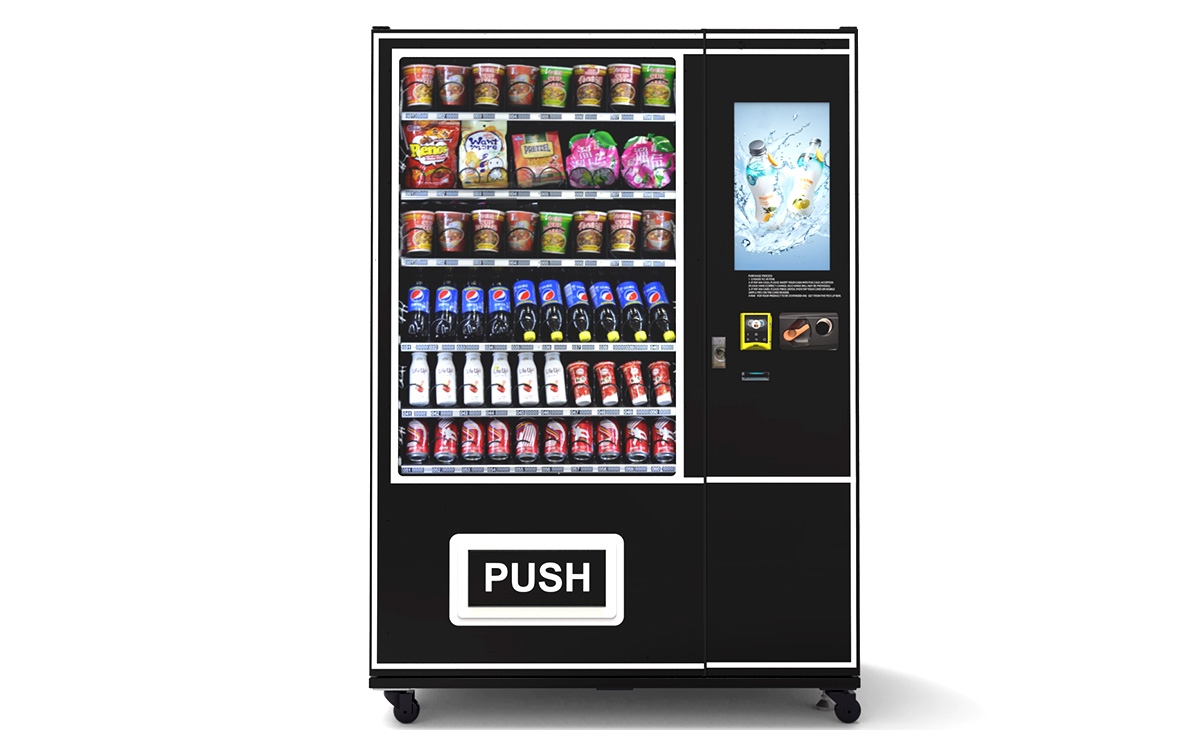
I have worked with several manufacturers over the years, and one name that consistently delivers reliable hardware is Zhongda Smart. Their machines are built with commercial-grade components, not consumer-grade parts that fail after six months. They also offer flexible payment system integrations that work with German debit cards (Girocard), contactless credit cards, and mobile wallets. That is critical because German customers rarely carry cash, and a machine that only takes coins will be ignored.
Another factor is the availability of spare parts. Some suppliers use proprietary components that are impossible to source locally. If a compressor fails or a selection panel stops working, you might wait weeks for a replacement part. A good supplier stocks common spare parts in regional warehouses or has a local distributor who can ship parts within 24 hours. Ask about this before you sign anything.
What to Look for in Machine Build Quality
I have opened up machines from a dozen different manufacturers, and the difference in internal build quality is staggering. Cheap machines use thin sheet metal, low-grade compressors, and plastic components that crack under temperature changes. A well-built machine uses reinforced steel frames, industrial-grade refrigeration units, and modular electronic boards that can be swapped in minutes. You want a machine that can handle the cold Munich winters and the occasional heatwave without the cooling system dying.
Pay attention to the door seal and the locking mechanism. I have seen machines where the door seal fails within a year, leading to condensation, mold, and spoiled products. That is a health hazard and a reputation killer. A good machine uses a magnetic seal with a tight closure. The lock should be a high-security electronic lock, not a cheap key lock that can be picked with a paperclip.
Payment Systems and Local Compliance
Germany is a cash-heavy society in some contexts, but vending is rapidly moving toward cashless. Most Munich locations require machines that accept Girocard, Visa, Mastercard, Apple Pay, and Google Pay. If your supplier cannot provide a certified payment terminal that works with German banking networks, you will struggle to get contracts with office buildings and universities.
I recommend choosing a supplier that offers integrated payment systems from established providers like Nayax, Cantaloupe, or CCV. These systems provide remote telemetry, which allows you to monitor sales, inventory levels, and machine health from your phone. Without telemetry, you are flying blind. You will waste time visiting machines that still have full inventory while missing restock opportunities at machines that are sold out of popular items.
Cost Breakdown: What You Really Pay For
Let me give you a realistic cost picture based on my own operations. These numbers come from actual machines I have deployed in Munich and other German cities between 2020 and 2024. Prices vary depending on the supplier, configuration, and volume, but the ranges below are what you should expect.
| Machine Type | New Unit Cost (EUR) | Used/Refurbished Cost (EUR) | Monthly Operating Cost (EUR) | Typical Monthly Revenue (EUR) |
|---|---|---|---|---|
| Snack & Beverage Combo | 5,000 – 8,500 | 2,500 – 4,000 | 250 – 400 | 1,200 – 3,000 |
| Cold Drink Machine | 3,500 – 6,000 | 1,500 – 3,000 | 150 – 300 | 800 – 2,000 |
| Fresh Food / Perishable | 8,000 – 14,000 | 4,000 – 7,000 | 500 – 800 | 2,500 – 5,000 |
| Hot Drink / Coffee Kiosk | 6,000 – 12,000 | 3,000 – 6,000 | 300 – 600 | 1,500 – 4,500 |
These operating costs include electricity, payment processing fees, basic maintenance, and restocking labor. They do not include location rent, which can range from zero (if you negotiate a commission-only deal) to several hundred euros per month for premium spots like train stations or hospital lobbies.
Revenue Potential by Location Type
Not all locations are created equal. I have seen machines in identical buildings with completely different revenue outcomes because of foot traffic patterns and customer demographics. Here is a breakdown based on real performance data from my network.
| Location Type | Average Daily Foot Traffic | Monthly Revenue Range (EUR) | Best Product Categories |
|---|---|---|---|
| Office Building (200+ employees) | 300 – 600 | 1,500 – 3,500 | Sandwiches, salads, coffee, water |
| University Campus | 1,000 – 3,000 | 2,000 – 4,000 | Snacks, energy drinks, cold beverages |
| Hospital Staff Area | 500 – 1,200 | 1,800 – 3,200 | Fresh food, fruit, coffee, protein bars |
| Train Station / U-Bahn | 5,000 – 15,000 | 3,000 – 6,000 | Bottled drinks, packaged snacks, gum |
| Industrial Warehouse | 200 – 400 | 1,000 – 2,500 | Hearty snacks, instant noodles, coffee |
| Hotel Lobby | 100 – 300 | 800 – 1,800 | Premium snacks, bottled water, toiletries |
According to a 2023 report by Statista, the German vending machine market generated approximately 3.7 billion euros in revenue, with snack and beverage machines accounting for the largest share (Statista, 2023). The per-machine average revenue in high-traffic urban areas is significantly higher than rural locations, which is why Munich remains one of the most attractive cities for operators.
How to Choose the Right Machine Configuration
One mistake I made early on was buying a machine with too many selection slots for a low-traffic location. You do not need 40 different snack options if only 50 people walk past your machine each day. A smaller machine with 15 to 20 high-margin items will outperform a giant machine with stale inventory that never sells.
For fresh food machines, you need a unit with precise temperature control. German health authorities (Lebensmittelüberwachung) require that perishable items be stored at or below 7°C. I have seen operators get fined heavily because their machine could not maintain consistent temperature. Invest in a machine with a digital temperature monitoring system that alerts you if the cooling fails.
If you are serving coffee, do not buy a cheap instant machine. German coffee culture is serious. A machine that uses fresh beans, grinds them per cup, and offers milk options will earn repeat customers. A machine that dispenses powdered instant coffee will be ignored after the first try. According to the German Coffee Association, over 87% of German consumers drink coffee regularly, and they prefer quality over convenience (Deutscher Kaffeeverband).
Telemetry and Remote Management
I cannot stress this enough: if your machine does not have remote telemetry, you are operating in the dark. Telemetry systems like Nayax or Cantaloupe allow you to see exactly what sold, when it sold, and how much cash or card revenue you collected. You can adjust pricing remotely, run promotions, and get alerts when a machine is low on change or has a technical fault.
I have reduced my restocking costs by nearly 30% since switching to telemetry-equipped machines. Instead of visiting every machine on a fixed schedule, I only visit machines that actually need restocking. That saves fuel, labor, and time. Most reputable suppliers, including Zhongda Smart, offer machines pre-configured with telemetry options or can install them before shipping.
Common Mistakes New Operators Make
I have seen the same mistakes repeated by operators who come into this business with unrealistic expectations. Here are the most common ones.
Buying the cheapest machine available. A machine that costs 2,000 euros might seem like a bargain, but when the compressor fails after eight months and you cannot find a replacement part, you will end up spending more on repairs than you would have on a quality machine. Cheap machines also have lower resale value. A well-maintained machine from a reputable manufacturer can be sold for 40 to 60 percent of its original cost after three years. A cheap machine is essentially worthless once it breaks.
Ignoring location contracts. Some operators place machines without a written agreement. That is a recipe for disaster. The property owner can ask you to remove the machine with zero notice, or a competitor can come in and offer a better commission. Always get a signed contract that specifies the commission split, the duration of the agreement, and the process for terminating the relationship. In Munich, commercial leases are governed by strict German law (BGB), so having a written contract protects both parties.
Overstocking slow-moving items. I once filled a machine with organic energy bars because I thought they would appeal to health-conscious office workers. They did not sell. I ended up eating most of them myself. Start with a conservative product mix, track sales for two weeks, and then adjust. Do not order large quantities of any item until you have data proving it sells.
Neglecting machine cleanliness. A dirty machine repels customers. I have walked past machines in Munich train stations that looked like they had not been cleaned in months. The glass was smudged, the selection buttons were sticky, and the floor around the machine was littered with trash. Nobody wants to buy food from a machine that looks unsanitary. Clean your machines every time you restock, and do a deep clean at least once a month.
How to Estimate Your Payback Period
Payback period depends on three variables: machine cost, monthly revenue, and monthly operating expenses. Here is a realistic example based on a mid-range snack and beverage combo machine placed in a Munich office building.
Machine cost: 7,000 euros. Monthly revenue: 2,000 euros. Monthly operating costs: 350 euros (including rent, electricity, payment fees, and restocking labor). Net monthly profit: 1,650 euros. Payback period: approximately 4.2 months. That is an optimistic scenario. In reality, many machines take 8 to 14 months to pay back because revenue starts lower and grows as you optimize product selection and build customer loyalty.
For a fresh food machine costing 12,000 euros with monthly revenue of 3,000 euros and operating costs of 700 euros, net profit is 2,300 euros per month. Payback period: roughly 5.2 months. But fresh food machines have higher spoilage risk. If you do not sell the inventory before the expiration date, your profit margin shrinks. I recommend starting with non-perishable machines until you understand the logistics of fresh food restocking.
According to IBISWorld, the average profit margin for vending machine operators in Europe ranges between 10% and 25%, with higher margins achieved by operators who own their machines and negotiate favorable location terms (IBISWorld, 2024).
Self-Operation vs. Partnership vs. Full Service
You have three main ways to run a vending machine business. Each has its pros and cons.
Self-operation means you buy the machine, find the location, stock it, and handle all maintenance. This gives you the highest profit potential but requires the most time and effort. You need to be comfortable with basic electrical and refrigeration repairs, or have a reliable technician on call.
Revenue sharing with a location partner means you place the machine in a business or public space, and the property owner gets a percentage of sales. Typical commission rates in Munich range from 10% to 20% of gross revenue. This model reduces your upfront risk because you are not paying fixed rent, but it also lowers your profit margin.
Full-service vending involves hiring a third-party company to handle restocking, maintenance, and cash collection. This is the easiest option but also the least profitable. You typically split revenue 50/50 or worse with the service provider. I only recommend this if you have multiple locations and no time to manage operations yourself.
How to Avoid Supplier Scams and Low-Quality Equipment
The vending machine industry has its share of questionable suppliers who sell refurbished machines as new, use counterfeit components, or promise features that do not exist. I have dealt with suppliers who shipped machines with the wrong voltage, missing payment terminals, or software that was not compatible with German networks.
Always ask for a video demonstration of the machine working, showing the payment system processing a transaction. Request a list of references from other operators in Europe. If a supplier cannot provide references from German or Austrian customers, be wary. The European vending market has specific requirements that differ from the US or Asian markets. A machine designed for the US market may not meet German electrical safety standards (VDE) or food contact material regulations.
When evaluating the best vending machine suppliers in Munich Germany, I recommend looking at manufacturers who have a physical presence or distribution network in Europe. Zhongda Smart, for example, has a European support network and provides machines that are pre-configured for the German market, including 230V power, Girocard compatibility, and German-language user interfaces. That level of localization saves you weeks of configuration headaches.
FAQ: Answers to the Most Common Questions
Are vending machines profitable in Munich?
Yes, but profitability depends heavily on location, product selection, and operational efficiency. A well-placed machine in a high-traffic office building can generate 2,000 to 4,000 euros per month. However, a poorly placed machine in a low-traffic area may barely break even. Based on my experience, most operators in Munich see a return on investment within 6 to 14 months.
How much does a vending machine cost in Germany?
A new snack and beverage combo machine costs between 5,000 and 8,500 euros. Fresh food machines range from 8,000 to 14,000 euros. Used or refurbished machines are available for 2,500 to 6,000 euros, but you should factor in potential repair costs. Prices from suppliers like Zhongda Smart are competitive and include European compliance certifications.
How long does it take to break even?
With a machine costing 7,000 euros and generating 1,500 euros in monthly profit, you break even in about 4.6 months. Most operators I know break even within 8 to 14 months, accounting for slower initial sales and unexpected maintenance. The payback period is shorter for machines in high-traffic locations with high-margin products.
Should a beginner buy or lease a machine?
I recommend buying a used or entry-level new machine rather than leasing. Leasing contracts often lock you into long terms with high interest rates, and you do not build equity in the equipment. If you buy a machine, you own it. You can sell it if the location does not work out. Leasing makes sense only if you have zero capital and want to test the market with minimal risk.
Where should I place a vending machine in Munich?
Focus on office buildings with at least 200 employees, university campuses, hospital staff areas, and industrial warehouses. Avoid locations with low foot traffic, such as residential streets or small shops. Always negotiate a written contract with the property owner before placing the machine. Train stations and U-Bahn stations are high-traffic but often require bidding for space or paying high rent.
What permits do I need in Munich?
You need a Gewerbeanmeldung (business registration) from the local Ordnungsamt. If you sell food, you must register with the Lebensmittelüberwachungsbehörde (food monitoring authority) and comply with EU hygiene regulations (EC 852/2004). You may also need a packaging license under the German Packaging Act (VerpackG). Consult a local business advisor or IHK (Chamber of Commerce) for specific requirements.
How do I choose a reliable vending machine supplier?
Look for suppliers who offer European electrical certifications, local payment system integration, and a warranty of at least two years. Ask for references from European operators. Check if they have a regional service network. Suppliers like Zhongda Smart provide machines built for the German market with local support, which reduces your operational risk.
What happens if my machine breaks down?
If you have a machine with telemetry, you will receive an alert immediately. You should have a contract with a local technician who can handle common repairs like jammed spirals, failed cooling units, or payment terminal issues. For major repairs, contact the supplier if the machine is under warranty. I always keep a spare parts kit with common components like coin mechanisms, card readers, and temperature sensors.
How can I reduce restocking and maintenance costs?
Use telemetry to monitor inventory levels and only visit machines that need restocking. Optimize your product mix based on sales data to reduce spoilage. Negotiate bulk pricing with suppliers. Perform preventive maintenance every three months, such as cleaning the cooling coils, checking door seals, and updating payment terminal software. A well-maintained machine breaks down less often.
Can I run a vending machine business part-time?
Yes, but only if you have fewer than five machines and use telemetry to minimize unnecessary visits. Once you scale beyond five machines, the restocking and maintenance demands increase significantly. Many part-time operators I know use a full-service model for some machines and self-operate others. It is possible, but do not underestimate the time required for cleaning, restocking, and handling customer complaints.
- online service