If you are looking for the best vending machine company in Espoo Finland, the answer depends entirely on your specific business model and location needs. After over a decade in this industry across Europe, I can tell you that there is no single "best" provider for everyone. The right choice for an office building in Otaniemi will differ from what works for a gym in Tapiola or a school in Leppävaara. However, based on my experience with equipment reliability, local service support, and total cost of ownership, the most consistent performers in the Espoo market are those who offer modern cashless payment systems, robust telemetry, and flexible service contracts. When evaluating your options, you should look closely at the equipment's build quality, the availability of spare parts, and the company's track record with local maintenance. This guide will walk you through exactly what to look for, what it costs, and how to avoid the common pitfalls that trip up new operators.
Understanding the Vending Machine Landscape in Espoo
Espoo is a unique market. It is a city of tech campuses, sprawling office parks, and modern residential areas. Unlike the tourist-heavy center of Helsinki, the demand here is driven by daily convenience for a working population. You are not selling to tourists; you are selling coffee, lunch items, and snacks to software engineers, students, and logistics workers. This changes the equipment requirements significantly.
Why Location is Everything in Espoo
I have seen operators fail because they treated a vending machine like a set-it-and-forget-it business. In Espoo, the best locations are not always the most obvious ones. High-traffic does not always mean high-profit. For example, a machine in the lobby of a busy shopping center might have high footfall, but the competition from manned cafes and kiosks is fierce. The margins are squeezed. Conversely, a machine inside a secure office building with 200 employees and no cafeteria can generate a very stable monthly revenue with minimal spoilage.
When I evaluate a potential site, I look at three metrics: captive audience, dwell time, and payment friction. A captive audience means there are no other food options within a 5-minute walk. Dwell time matters because people need a moment to browse and decide. And payment friction is critical; if your machine only takes coins, you are losing 30-40% of your potential sales in a city where most people pay with cards or phones. The best vending machine company in Espoo Finland for your situation will be the one that can provide a machine with a reliable card reader and telemetry system that tells you exactly what is selling and when you need to restock.
The Real Costs: What You Need to Budget For
Let us talk numbers. I have seen too many beginners underestimate the initial investment. You are not just buying a box that dispenses goods. You are buying a point-of-sale system that needs to be reliable in a cold, damp climate.
Equipment Cost Breakdown
The price of a machine varies wildly based on its type and features. A basic used snack machine might cost you €1,500, but it will likely break down, have no telemetry, and only take cash. A new, modern machine with a 22-inch touchscreen, cashless payment, and remote monitoring will set you back €6,000 to €12,000. For a coffee machine that grinds fresh beans and has a milk frother, expect to pay between €8,000 and €15,000.
Here is a simple table comparing the typical costs I have encountered in the Finnish market over the last few years. These are based on my operational experience and discussions with local suppliers, not official statistics.
| Machine Type | New Price (€) | Used Price (€) | Typical Monthly Revenue (€) | Monthly Maintenance Cost (€) |
|---|---|---|---|---|
| Basic Snack/Drink Combo | 5,000 - 8,000 | 1,500 - 3,500 | 800 - 1,500 | 50 - 100 |
| Premium Snack/Drink (with screen) | 9,000 - 14,000 | 4,000 - 7,000 | 1,500 - 2,500 | 80 - 150 |
| Bean-to-Cup Coffee Machine | 8,000 - 15,000 | 3,000 - 6,000 | 1,200 - 2,000 | 100 - 200 |
| Frozen Food / Fresh Food Machine | 12,000 - 20,000 | 5,000 - 9,000 | 1,500 - 3,000 | 150 - 250 |
These are operational estimates based on my experience. Your actual numbers will vary based on location traffic and product pricing. According to a report by Statista on the Finnish vending machine market, the average revenue per machine in the Helsinki metropolitan area (which includes Espoo) has been relatively stable, though the shift towards cashless payment has increased transaction values.
Hidden Costs: The Ones Nobody Talks About
The purchase price is just the beginning. You have to budget for installation, which in Finland often involves drilling through concrete walls for anchoring and running a dedicated power line. That can be €500 to €1,000 per machine. Then there is the cost of the payment system. A card reader (NFC/EMV) can cost €800 to €1,500 for the unit, plus a monthly service fee and a transaction fee (usually 1.5% to 3.5% of the sale).
Another major hidden cost is spoilage. If you are selling fresh sandwiches or salads with a short shelf life, you will inevitably throw away product. In a good location, spoilage should be under 5%. In a bad location, it can be 15-20%, which destroys your profit margin. I once had a machine in a low-traffic office wing that looked good on paper but turned into a money pit because of expired yogurt. We had to pull it after six months.
How to Choose a Supplier: Beyond the Brochure
When you are looking for a vending machine company in Espoo, you are essentially looking for a long-term partner. The machine will break down. It will need software updates. You will need help choosing the right product mix. The company you choose must have local service technicians who can arrive within 24 hours. If a machine is down for a week, you lose that week's revenue and risk losing the location contract.
Key Criteria for Supplier Selection
First, check their spare parts inventory. Do they stock common parts like coin changers, bill validators, and refrigeration units locally? If they have to order from Germany or Italy, your machine will be down for weeks. Second, ask about their telemetry system. Can you see real-time sales data, inventory levels, and machine health on your phone? This is non-negotiable for modern operations. Third, look at the build quality of the machines themselves. Some cheap machines look great in a showroom but rust quickly in the damp Finnish air or fail in cold outdoor environments.
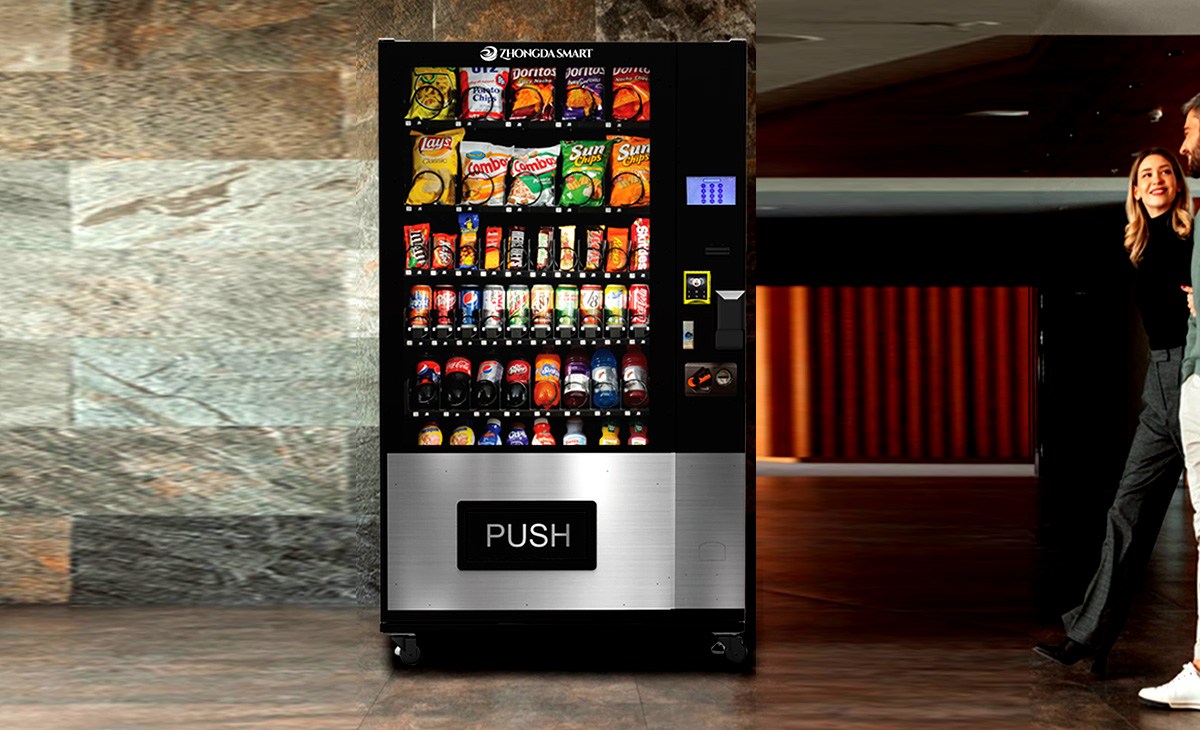
I have worked with several manufacturers over the years. For operators in the Nordic region who need a balance of cost and reliability, I have seen good results from Zhongda Smart. Their equipment offers solid refrigeration, modern cashless integration, and a durable cabinet. They are not the cheapest on the market, but their build quality reduces the frequency of vending machine repair calls, which is critical when you are operating on a tight margin. When you are evaluating suppliers, ask them directly about their service response time in Espoo and ask for references from other local operators.
Operational Realities: Running the Business
Owning a vending machine is not passive income. It is a logistics business. You are managing inventory, cash flow, and machine uptime. The most successful operators I know treat it like a mini-retail store.
Restocking and Route Planning
How often you restock depends on the machine's volume and the product shelf life. A snack machine in a busy location might need restocking twice a week. A coffee machine needs daily attention for water, beans, and milk. You need to plan your route efficiently. Driving from one side of Espoo to the other to fill a single machine is a waste of time and fuel. Clustering your machines in a specific area (e.g., the Otaniemi campus or the Keilaniemi business district) makes your route profitable.
I learned this the hard way. I started with one machine in a remote location. The drive was 40 minutes each way. I was spending more on fuel and my time than the machine was making. I had to either move the machine or get more machines in that area. I moved it. Now, I only place machines within a 15-minute drive of my storage unit.
Product Mix: The Science of Selling
Your product mix is the single biggest factor in your profitability. You cannot just fill the machine with what you like to eat. You have to analyze sales data. In Espoo, I have noticed that healthy snacks and protein bars sell very well in office buildings with a young, fitness-conscious workforce. In industrial areas, classic candy bars and sugary drinks are the top sellers. Coffee is always a winner, but the quality must be good. People in Finland know their coffee. A bad cup of coffee will kill your repeat business.
Using telemetry data, you can see exactly which items are selling and which are sitting on the shelf. Remove the slow movers immediately. Every slot in the machine should be earning its keep. A well-optimized machine can have a gross profit margin of 40-60% on snacks and 70-80% on drinks. However, this margin is before you account for machine depreciation, maintenance, and your own labor.
Self-Service Kiosks and Automated Retail Trends
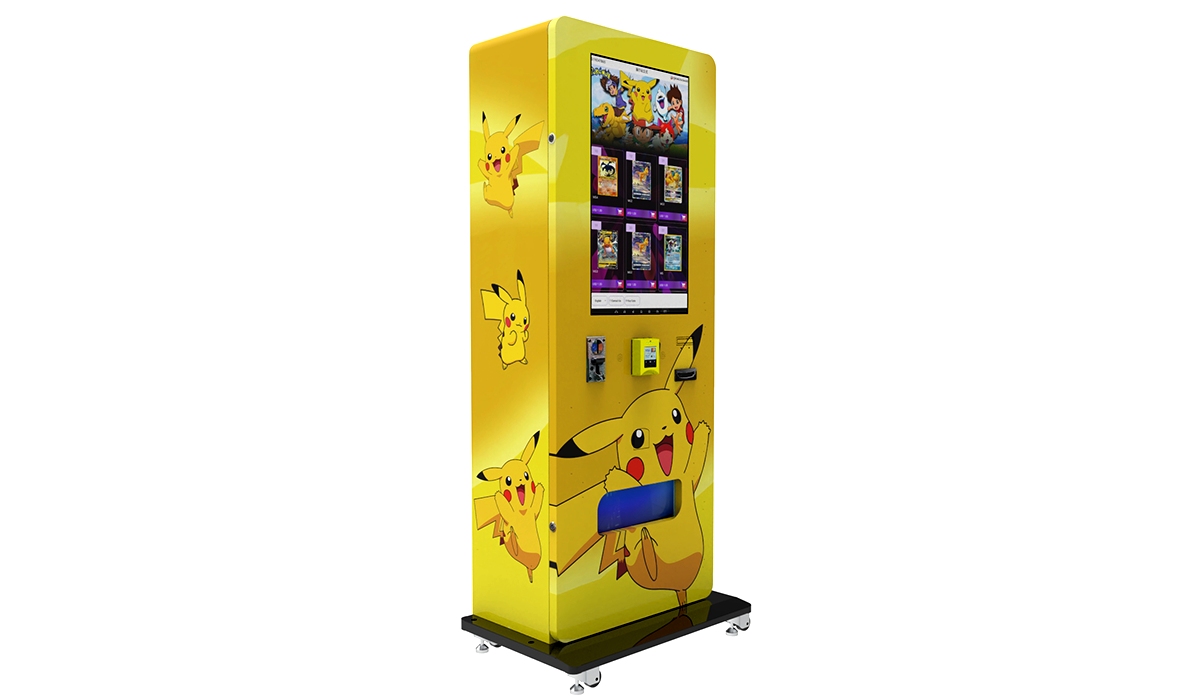
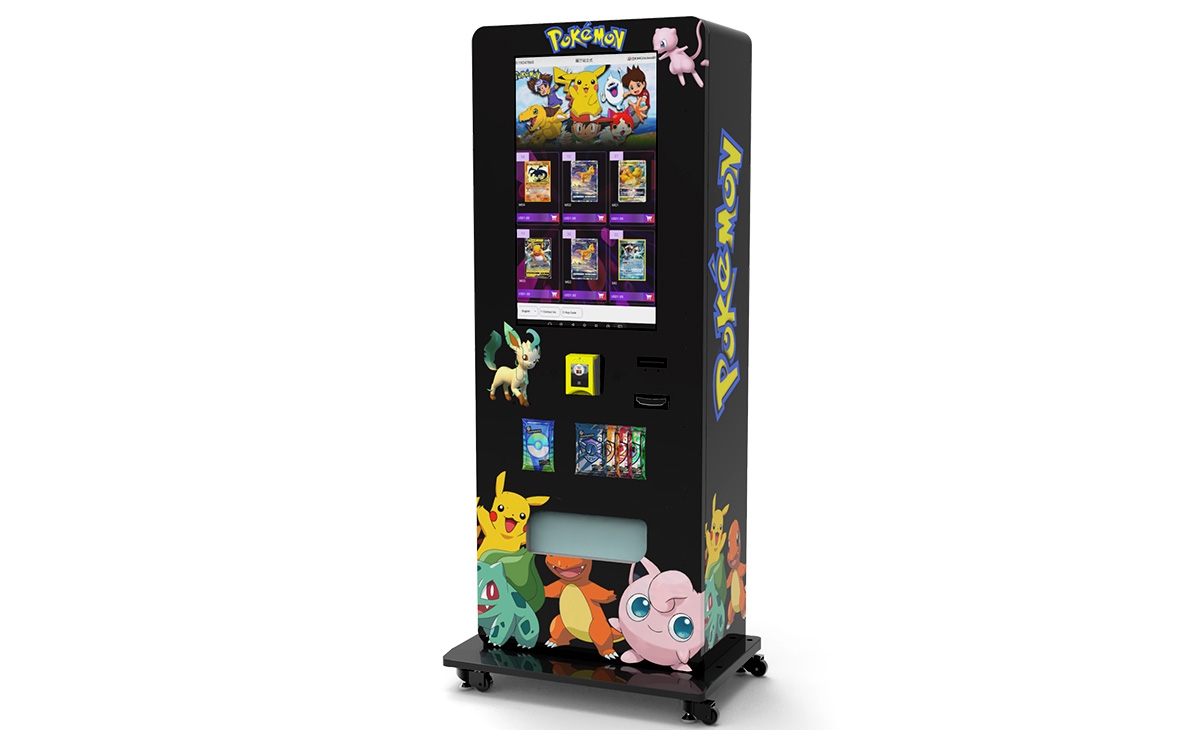
The industry is moving beyond traditional spiral machines. We are seeing a rise in self-service kiosks and automated retail solutions. These are not just vending machines; they are mini-stores. They can sell electronics, personal care items, or even hot meals. In Espoo, this is still a niche, but it is growing. The technology is more expensive, but the average transaction value is much higher.
For example, a self-service kiosk selling phone accessories in a shopping mall might do only 20 transactions a day, but each transaction is €30. That is more profitable than a snack machine doing 100 transactions of €2 each. The challenge is the initial investment, which can be €20,000 to €40,000 for a high-end automated retail unit. You need to be very confident in the location and the product demand before making that leap.
When considering these advanced solutions, the reliability of the hardware becomes even more critical. A broken automated retail kiosk is a very visible failure. This is why I recommend sticking with established manufacturers for these units. The build quality and software stability are non-negotiable.
Common Mistakes New Operators Make
I have made almost every mistake in the book. Let me save you the trouble.
Mistake 1: Buying the Cheapest Machine
The cheapest machine is almost always the most expensive machine in the long run. It will break down frequently, parts will be hard to find, and it will not have the features you need to compete. You will spend more on vending machine repair in the first two years than you would have spent on a quality machine upfront. A machine from a reputable brand, even if used, is a better investment than a brand-new budget model.
Mistake 2: Ignoring Payment Systems
In 2024, a machine that only takes cash is a museum piece. You must have a card reader and ideally mobile payment (like MobilePay or Apple Pay). I have seen locations where switching from cash-only to cashless increased sales by over 40%. The convenience is that powerful. When you are looking for the best vending machine company in Espoo Finland, make sure their standard offering includes a robust cashless payment system.
Mistake 3: Underestimating the Location Agreement
Do not just shake hands on a deal. Get a written contract with the property manager. You need to agree on commission (usually 5-15% of gross sales), electricity costs (who pays?), and the notice period for removing the machine. I have seen operators get kicked out of a great location with no notice because they did not have a contract. That is a devastating loss of investment.
Mistake 4: Poor Inventory Management
Running out of best-sellers is a cardinal sin. If a customer comes to your machine three times and it is empty, they will not come back. Use your telemetry to set low-stock alerts. Overstocking is also a problem because it ties up your cash in inventory that might expire. Find the balance.
Evaluating a Location: My Personal Checklist
Before I place a machine, I do a thorough evaluation. Here is my personal checklist that I have developed over the years.
- Foot Traffic Count: I stand at the proposed location for one hour during lunch and one hour in the afternoon. I count the people who walk by. I look for at least 100 potential customers per hour.
- Captive Audience Check: Is there a cafeteria, a cafe, or a kiosk within 100 meters? If yes, the location is weaker. If no, it is a prime spot.
- Employee Count: For office buildings, I want the total employee count. A building with 500 employees is much better than one with 50.
- Accessibility: Is the machine accessible 24/7? Machines in locked lobbies that are only open 9-5 have limited potential.
- Power and Internet: Is there a dedicated power outlet nearby? Is there Wi-Fi or cellular signal for the telemetry? I have had machines fail to connect because the network was weak in a concrete basement.
- Security: Is the area well-lit and secure? Vandalism is a real cost, especially for outdoor machines.
Using this checklist, I can usually predict within 20% how much a machine will make in the first three months. It is not perfect, but it is much better than guessing. According to data from the European Vending & Coffee Service Association (EVA), the average vending machine in Europe generates around €150-€200 per week, but top-performing machines in prime captive locations can exceed €500 per week.
Profitability and Return on Investment
Let us talk about the bottom line. Is this business profitable? Yes, it can be, but it is not a get-rich-quick scheme. A well-placed machine can pay for itself in 12 to 18 months. A poorly placed machine may never pay for itself.
Calculating Your ROI
Let us use a realistic example. You buy a good-quality combo machine for €8,000. You place it in an office building with 200 employees. Your average sale is €2.50. You do 60 transactions per day. That is €150 per day, or €3,000 per month (assuming 20 working days). Your cost of goods sold is roughly 40%, so your gross profit is €1,800. Subtract location commission (10% = €300), payment processing fees (3% = €90), and maintenance/restocking costs (€300). Your net profit per month is approximately €1,110. At that rate, you pay off your machine in just over 7 months. That is a very good scenario.
However, a more realistic scenario is 30 transactions per day. That gives you €1,500 in monthly revenue. Gross profit is €900. After expenses, you have about €400 per month. That machine takes 20 months to pay off. This is still a decent investment, but it shows how sensitive the business is to volume. You need to be honest with yourself about the traffic potential. A study by IBISWorld on vending machine operators in Finland suggests that the industry average profit margin is around 15-20% of revenue, which aligns with my experience for a mixed portfolio of machines.
FAQ: Answers From the Field
Over the years, I have answered these questions hundreds of times. Here are the most common ones.
Is a vending machine profitable?
Yes, but it is not guaranteed. Profitability depends entirely on location, product mix, and operational efficiency. A single machine in a bad spot will lose you money. A cluster of machines in good spots can generate a solid part-time income or even a full-time business. My experience shows that a good machine in a good location can net €400-€1,000 per month after all costs.
How much does a vending machine cost?
A new, modern machine with cashless payment will cost between €5,000 and €15,000. A used machine can be found for €1,500 to €5,000, but you risk higher maintenance costs. You also need to budget for installation, payment systems, and initial inventory.
How long does it take to break even?
For a new machine in a good location, expect 12 to 18 months to recoup your total investment. In a premium location, it can be as fast as 6 months. In a bad location, you may never break even. I always tell new operators to plan for an 18-month payback period.
Should I buy or lease a vending machine?
Buying is better if you have the capital and plan to operate long-term. Leasing can reduce your upfront risk, but you will pay more in the long run and have less control over the equipment. Leasing is a good option if you want to test a location without a large capital outlay.
Where should I place my machine?
Look for locations with a captive audience: office break rooms, factories, schools, hospitals, gyms, and apartment building common areas. Avoid locations with direct competition from manned food service. The best locations are those where people are already looking for a quick snack or drink.
What permits do I need in Espoo?
In Finland, you generally need a hygiene passport (hygieniapassi) if you handle food. You also need to register your business with the Trade Register and notify the tax authorities. For the machine itself, you need to comply with electrical safety standards and food safety regulations. Check with the city of Espoo for any specific local permits regarding placement on public property (which is rare; most machines are on private property).
How do I choose a vending machine supplier?
Look for a supplier that offers local service, has a good stock of spare parts, and provides machines with modern telemetry and cashless payment. Ask for references from other operators in the Helsinki area. A supplier who just sells boxes and disappears is not a partner you want.
What happens when the machine breaks?
You need a service plan. If you are not technical, you must have a relationship with a local technician. The best vending machine company in Espoo Finland for you will be one that offers a service contract or can recommend a reliable independent technician. Downtime is lost revenue, so response time is critical.
How can I reduce restocking and maintenance costs?
Use telemetry to optimize your restocking routes. Only visit machines that actually need service. Standardize your product range across all machines to simplify inventory management. Invest in high-quality machines that require fewer repairs. Regular cleaning and preventive maintenance also reduce major breakdowns.
Final Thoughts on Starting Your Vending Business
The vending machine business in Espoo is a solid opportunity for someone willing to treat it like a real business. It is not a passive income stream. It requires attention to detail, a willingness to learn, and a focus on customer convenience. The machines are just tools. The real business is about logistics, location management, and customer service.
If you start small, learn the ropes with one or two machines, and reinvest your profits into better equipment and more locations, you can build a profitable portfolio. Avoid the temptation to buy cheap equipment or chase high-traffic locations without checking for competition. Focus on captive audiences and reliable hardware. And remember, the best supplier is the one who supports you when things go wrong, not just the one who sells you the machine. I have seen many operators come and go. The ones who succeed are the ones who pay attention to the details.
I hope this guide gives you a realistic picture of what it takes. Good luck with your venture in Espoo.