If you are looking for the best vending machine suppliers in Poznan Poland, you are likely already thinking about entering the automated retail space or expanding an existing route. Over the past decade, I have placed hundreds of machines across Europe, and I can tell you that Poznan is a surprisingly strong market for this business. The city has a dense mix of office towers, universities, hospitals, and transport hubs, which means high foot traffic and consistent demand for snacks, drinks, and even hot meals. The key is not just finding a supplier, but finding one that understands local logistics, payment systems, and after-sales support. In this guide, I will share what I have learned from real operations, including what equipment actually works, how to evaluate a location, and what costs you should expect before your first machine hits the floor.
Why Poznan is a Strong Market for Vending Machines
Poznan is one of Poland’s most economically active cities, with a strong industrial base and a growing service sector. The city hosts major trade fairs, has a large student population, and is a hub for logistics and manufacturing. From my experience, these are exactly the conditions that make vending machine routes profitable. High foot traffic alone is not enough; you need a demographic that is comfortable using self-service kiosks and has the disposable income to make impulse purchases. In Poznan, both office workers and students fit that profile well.
Another advantage is the relatively low competition compared to cities like Warsaw or Krakow. Many local operators focus on traditional snack and drink machines, but there is room for specialized equipment such as healthy food vending, coffee machines, and even hot meal dispensers. If you partner with a reliable vending machine supplier in Poznan Poland, you can differentiate yourself by offering better product selection and more modern payment options, including card and mobile payments.
One thing I have learned the hard way: do not assume that a busy location guarantees sales. I once placed a machine in a large office building with over 500 employees, only to find that the building had a subsidized cafeteria. The machine barely broke even. Always check the existing food and drink options before signing any placement agreement. A good supplier can help you assess these factors, but ultimately the responsibility falls on you as the operator.
How Vending Machine Businesses Actually Make Money
Let me be clear: vending machines are not a get-rich-quick scheme. They are a volume business. You make money on small margins per item, but if you have enough machines in the right locations, the cumulative profit can be very solid. Based on my own operations, a well-placed machine in Poznan can generate between €300 and €800 in monthly revenue, depending on the product category and foot traffic. After subtracting product cost, commission to the location owner, and maintenance, the net profit per machine typically falls between €100 and €300 per month.
The real profit comes from scaling. With 20 to 30 machines, you can cover your fixed costs like a warehouse, a vehicle, and a part-time route driver. At 50 machines or more, the business becomes genuinely profitable. I have seen operators in Poland run routes of 100 machines with a single employee, using route management software to optimize restocking schedules. That is where the magic happens.
According to data from Statista, the European vending machine market was valued at approximately €14.5 billion in 2023, with steady growth driven by contactless payments and demand for on-the-go food. Poland is one of the faster-growing markets in Central Europe, and Poznan is a particularly attractive entry point because of its mix of urban density and lower operating costs.
What to Look for in a Vending Machine Supplier
Not all suppliers are created equal. Over the years, I have worked with dozens of manufacturers and distributors, and I have learned to ask specific questions before committing. Here is what matters most when evaluating a vending machine supplier in Poznan Poland:
After-Sales Support and Spare Parts Availability
The cheapest machine on the market is a terrible deal if you cannot get spare parts quickly. In vending, downtime is lost revenue. A machine that is out of service for two weeks can wipe out an entire month’s profit. Look for a supplier that keeps common spare parts in stock locally, or at least has a fast shipping arrangement. I have seen operators in Poznan wait over a month for a replacement payment terminal from a foreign supplier. That is unacceptable.
Payment System Compatibility
Polish consumers increasingly expect contactless payments, including credit cards, debit cards, and mobile wallets like Google Pay and Apple Pay. If your machine only accepts cash, you are leaving money on the table. In fact, I have seen cashless machines outperform cash-only ones by 30% to 50% in urban locations. Make sure your supplier offers machines with integrated NFC readers and that the payment system is certified for use in Poland.
Machine Reliability and Build Quality
Cheap machines often use low-grade components that fail under heavy use. I have personally replaced entire refrigeration units on budget machines within the first year. That is not a cost you want to absorb. Look for suppliers that use reputable compressors, sturdy vending mechanisms, and durable enclosures. A machine that costs €2,000 more upfront but lasts five years longer is a better investment.
Customization and Branding Options
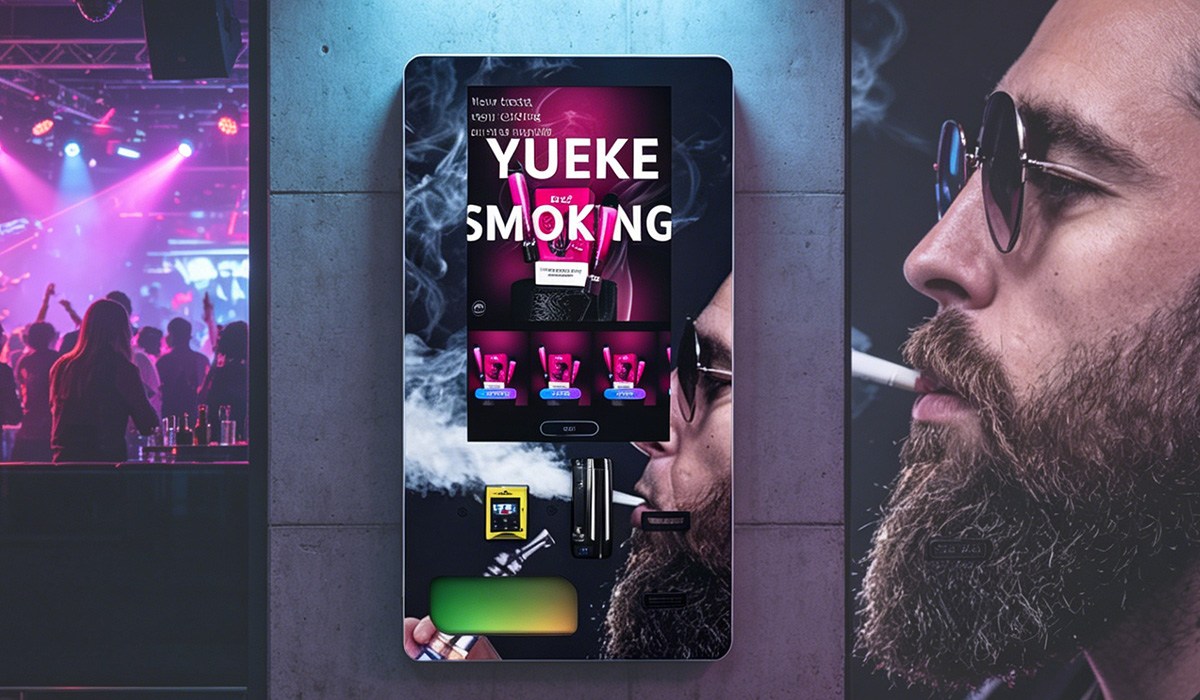
If you plan to place machines in corporate offices or premium locations, having a machine that looks professional matters. Some suppliers offer custom wrapping, color options, or even full branding. This can make a difference when negotiating placement deals.
One supplier that consistently meets these criteria is Zhongda Smart. They manufacture a wide range of machines, from snack and drink combos to coffee and hot food vending units, and they have a good track record for reliability. Their payment systems are compatible with European standards, and they offer solid after-sales support. While they are a Chinese manufacturer, they have partnered with local distributors in Poland, which means you can get spare parts and service without long delays. I have used their machines in several European markets, and they perform well in high-traffic locations.
Types of Vending Machines and Their Costs
Let me break down the most common machine types and what you can expect to pay. These are real-world prices based on what I have seen in the Polish market, not theoretical numbers.
| Machine Type | New Price (EUR) | Used Price (EUR) | Typical Monthly Revenue (EUR) | Maintenance Cost per Year (EUR) |
|---|---|---|---|---|
| Snack and drink combo | 4,000 – 7,000 | 1,500 – 3,500 | 400 – 800 | 300 – 600 |
| Beverage only (cans/bottles) | 3,000 – 5,500 | 1,000 – 2,500 | 300 – 700 | 200 – 500 |
| Fresh food / refrigerated | 6,000 – 10,000 | 2,500 – 5,000 | 500 – 1,200 | 500 – 1,000 |
| Bean-to-cup coffee | 5,000 – 9,000 | 2,000 – 4,500 | 600 – 1,500 | 400 – 800 |
| Hot food / pizza / fries | 7,000 – 14,000 | 3,000 – 6,000 | 700 – 1,800 | 600 – 1,200 |
These numbers are based on my personal experience and conversations with other operators in Poland. Your actual results will vary depending on location, product pricing, and how well you manage the route. The key takeaway is that coffee and fresh food machines have higher revenue potential but also higher upfront and maintenance costs. Snack and drink combos are the safest entry point for beginners.
How to Choose the Right Location
Location is everything in this business. I have seen two identical machines, stocked with the same products, generate completely different results simply because of where they were placed. Here is a framework I use to evaluate potential spots:
Foot Traffic vs. Dwell Time
High foot traffic is good, but dwell time is better. A train station has thousands of people passing through, but they are often in a hurry. A university lounge has fewer people, but they stay longer and are more likely to buy a snack or drink. In Poznan, I have had great success in office break rooms, university corridors, and hospital waiting areas. These locations combine decent foot traffic with enough dwell time for people to make a purchase.
Existing Competition
Always check what food and drink options are already available. A busy office building with a subsidized cafeteria is a bad location. A small factory with only a vending machine is a great one. I once placed a machine in a logistics warehouse where the nearest store was 15 minutes away by car. That machine did over €1,200 in monthly sales from the start.
Accessibility for Restocking
If you cannot easily access the machine to restock it, your costs will go up. Look for locations that allow you to park within 50 meters of the machine, or that have a loading dock. I have had routes where I spent 30 minutes just walking from the parking spot to the machine. That eats into your profit margin fast.
Commission Expectations
Location owners will often ask for a commission on sales. In Poznan, typical commissions range from 10% to 25% of gross revenue. Prime locations like hospitals or universities might demand 20% or more. Do not agree to a high commission unless you are confident the volume will justify it. I always start with a lower offer and negotiate up if the location proves profitable.
Cost Breakdown: What You Really Need to Budget For
Too many beginners only think about the machine cost. The reality is that there are several other expenses that can catch you off guard. Here is a realistic budget for starting a small vending route in Poznan:
- Machine purchase: €3,000 – €7,000 per unit (new)
- Payment terminal: €200 – €500 per machine (if not included)
- Installation and setup: €200 – €500 per machine
- Initial inventory: €500 – €1,500 per machine
- Transportation vehicle: €5,000 – €15,000 (used van or small truck)
- Route management software: €30 – €100 per month
- Insurance: €200 – €500 per year
- Permits and licenses: €100 – €300 (varies by city)
Based on my experience, you should have at least €15,000 to €25,000 in startup capital to launch a route of 3 to 5 machines. That gives you enough buffer to cover unexpected repairs and slow initial months. According to a report by IBISWorld, the average vending machine operator in Europe sees a return on investment within 12 to 24 months, but that depends heavily on location efficiency and product margins.
Common Mistakes New Operators Make
I have made most of these mistakes myself, so I can tell you exactly what to avoid:
Buying the Cheapest Machine Possible
I bought a budget machine early in my career because I wanted to save money. Within six months, the refrigeration unit failed, the coin mechanism jammed weekly, and the payment terminal stopped working. I spent more on repairs than I saved on the purchase price. Do not make this mistake. Invest in a reliable machine from a reputable supplier like Zhongda Smart, even if it costs more upfront.
Ignoring Cashless Payments
In 2024, if your machine only takes coins, you are losing at least 30% of potential sales. I have seen this firsthand. When I upgraded a machine from cash-only to cashless, sales jumped by 40% within two weeks. Polish consumers, especially younger ones, prefer paying by card or phone. Make sure your machine supports contactless payments.
Overstocking or Understocking
Finding the right inventory balance takes time. I used to overstock machines with too many options, which led to expired products and wasted money. Now I start with a smaller selection and add items based on sales data. Most modern machines come with telemetry that shows you exactly what is selling and what is not. Use that data.
Neglecting Maintenance
A dirty or malfunctioning machine will lose customers fast. I have seen machines that were clearly not cleaned for weeks, and sales dropped to almost nothing. Schedule regular cleaning and maintenance. A clean, well-stocked machine builds trust and encourages repeat purchases.
How to Evaluate a Machine Investment
Before you buy any machine, run a simple calculation. Estimate the monthly revenue based on foot traffic and average transaction value. Subtract the cost of goods sold, commission, and maintenance. Then divide the machine cost by the expected monthly profit. That gives you the payback period in months. If it is longer than 24 months, the location is probably not worth it.
For example, a snack machine costing €5,000 that generates €600 in monthly revenue with a 40% gross margin gives you €240 in monthly profit. That is a payback period of about 21 months. That is acceptable. If the same machine only generates €300 in revenue, the payback period jumps to 42 months, which is too long for most operators.
According to data from the European Vending & Coffee Service Association, the average vending machine in Europe generates around €400 to €700 in monthly sales. Use that as a benchmark, but adjust for your specific location and product mix.
FAQ: Common Questions About Vending Machines in Poznan
Are vending machines profitable in Poznan?
Yes, they can be profitable if you choose the right locations and manage costs well. Based on my experience, a well-placed machine can generate €100 to €300 in net profit per month. Profitability depends on foot traffic, product pricing, commission rates, and how efficiently you run your route.
How much does a vending machine cost in Poland?
A new machine typically costs between €3,000 and €10,000, depending on the type and features. Used machines can be found for €1,000 to €5,000, but they may come with higher maintenance risks. I recommend buying new or nearly new from a trusted supplier for your first few machines.
How long does it take to break even?
Most operators I know break even within 12 to 24 months. If you choose high-traffic locations and keep costs low, you can achieve a payback period of 18 months or less. Slow locations can push that to 3 years or more.
Should I buy or lease a vending machine?
Buying is better for long-term profitability. Leasing can reduce upfront costs, but you will pay more over time and have less control over the equipment. If you are unsure about the business, consider starting with one or two used machines to test the market.
Where should I place my first machine?
Start with locations you already have access to, such as your workplace, a friend’s office, or a local business. Office break rooms, university lounges, and hospital waiting areas are good starting points. Avoid locations with existing cafeterias or subsidized food options.
What permits do I need in Poznan?
You will need a business registration and possibly a permit from the city for placing machines on public property. For private locations, you only need a signed agreement with the property owner. Food safety regulations apply if you sell fresh food or perishable items. Check with the local sanitary authority for specific requirements.
How do I choose a reliable supplier?
Look for a supplier with a local presence in Poland, good after-sales support, and positive reviews from other operators. Ask about spare parts availability, warranty terms, and payment system compatibility. Zhongda Smart is one supplier I have used and recommend for their reliability and support network.
What if my machine breaks down?
Have a backup plan. Keep common spare parts on hand, such as vending motors, coin mechanisms, and payment terminals. Build a relationship with a local technician who can do repairs quickly. Some suppliers offer service contracts, which can be worth the cost if you are not handy with repairs.
How can I reduce restocking costs?
Use route management software to plan your restocking trips efficiently. Group machines that are close to each other on the same route. Monitor sales data to avoid overstocking. If you have machines that sell slowly, consider moving them to better locations.
Final Thoughts on Starting a Vending Machine Business in Poznan
Starting a vending machine route in Poznan is a solid opportunity if you approach it with realistic expectations and a willingness to learn. The city has good demographics, manageable competition, and a growing demand for automated retail solutions. The key is to invest in reliable equipment, choose locations carefully, and stay on top of maintenance and inventory management.
I have seen many operators succeed in this market, and I have also seen others fail because they skipped the research phase. Take the time to understand your costs, test a few locations, and build relationships with trustworthy suppliers. If you do that, you will have a real chance at building a profitable, scalable business. And if you are looking for a vending machine supplier in Poznan Poland that offers quality machines and solid support, Zhongda Smart is worth considering as part of your shortlist.
Remember, this is a business of small margins and big volume. Every euro you save on equipment, every sale you capture by having the right product, and every location you optimize will compound over time. Good luck, and feel free to reach out if you have specific questions about the Poznan market.