If you are searching for the best vending machine company in Los Angeles USA, the honest answer depends entirely on what you need—whether you are a business owner looking to place a machine in your lobby or an investor wanting to start a route. After over a decade operating machines across Southern California, I have found that the right company is not always the one with the flashiest website or the lowest upfront price. It is the one that offers reliable equipment, transparent service contracts, and a solid understanding of local foot traffic patterns. In my experience, the best vending machine company in Los Angeles USA is one that balances machine quality with responsive maintenance, especially in a city where heat, humidity, and high foot traffic can wear down equipment fast.
Understanding the Vending Machine Business in Los Angeles
Los Angeles is a unique market for automated retail. The city is spread out, with dense commercial zones in downtown, high-traffic tourist areas around Hollywood, and industrial pockets in the San Fernando Valley. Each location demands a different approach.
I have placed machines in office buildings, gyms, hospitals, and even auto repair shops. The key difference between a profitable route and a money pit is understanding the local demographic. In LA, you are competing with coffee shops, food trucks, and convenience stores. Your machine must offer convenience and speed that those options cannot match.
From my own experience, a well-placed machine in a mid-size office building in Century City can generate between $400 and $800 per month in revenue. But the same machine in a low-traffic warehouse might barely break $100. The location is everything.
What Makes a Vending Machine Company Stand Out
When evaluating a provider, I look at three things: equipment reliability, service response time, and payment system integration. Many companies sell cheap machines that look good on paper but break down repeatedly. I have seen operators lose thousands of dollars because a refrigeration unit failed in summer and the company took a week to respond.
Another factor is the payment system. In 2025, if your machine does not accept credit cards, mobile wallets, and tap-to-pay, you are losing at least 30% of potential sales. A reputable company will offer modern payment terminals that are easy to update.
Lastly, consider the service contract. Some companies offer a full-service model where they handle restocking and repairs for a share of revenue. Others sell machines outright and leave you to manage everything. Neither is inherently better, but you need to know which fits your time and budget.
Key Criteria for Choosing a Supplier
- Machine durability: Look for steel construction, reliable compressors, and tamper-proof locks. Cheap plastic panels crack easily in high-traffic areas.
- Payment technology: Ensure the machine supports NFC, Apple Pay, Google Pay, and major credit cards. Older models with only coin slots are obsolete.
- Remote monitoring: Machines with telemetry allow you to check inventory and sales remotely. This saves hours of wasted trips to empty machines.
- Local service network: A company with technicians in Los Angeles can fix issues within 24 hours. Out-of-state support is often too slow for perishable items.
Cost Breakdown: What to Expect When Buying a Machine
Initial investment varies widely based on machine type and features. Based on my own purchases and industry data from IBISWorld, here is a realistic breakdown:
| Machine Type | Price Range (New) | Typical Monthly Revenue | Gross Margin |
|---|---|---|---|
| Snack and beverage combo | $4,000 – $8,000 | $300 – $1,200 | 15% – 25% |
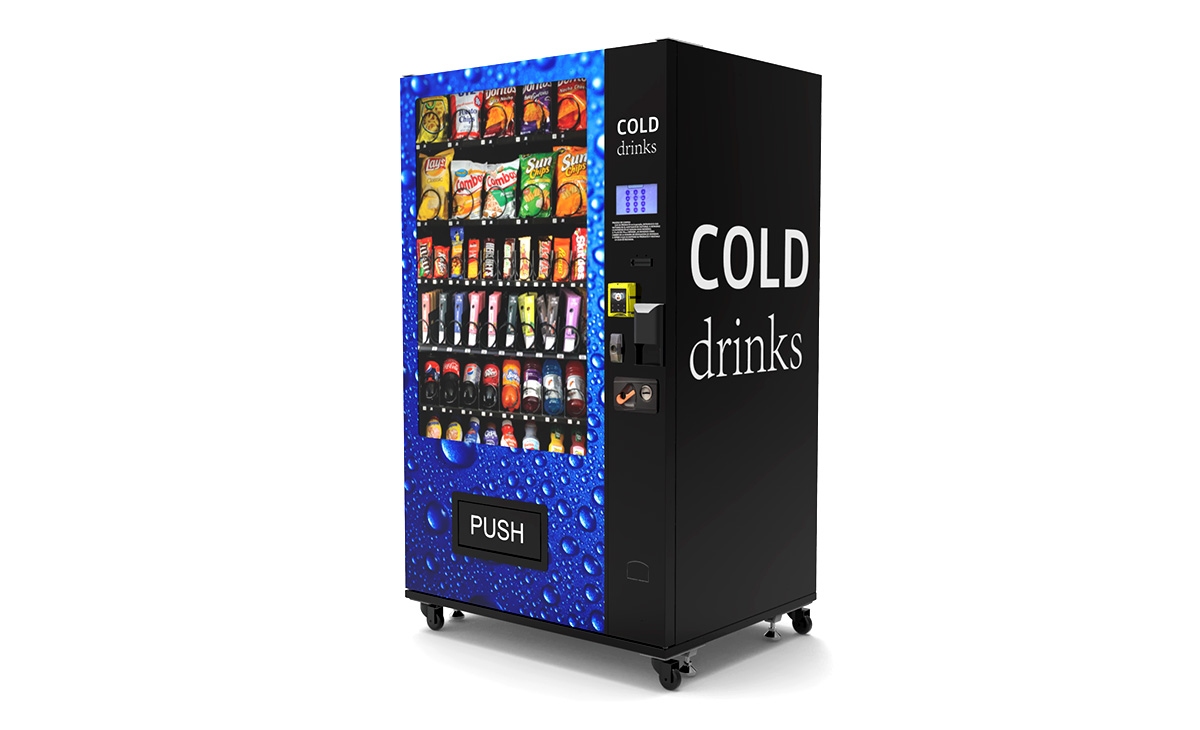
| Cold drink only | $3,000 – $6,000 | $200 – $800 | 20% – 30% |
| Healthy snack / organic | $5,000 – $10,000 | $400 – $1,500 | 25% – 35% |
| Combination with fresh food | $8,000 – $15,000 | $600 – $2,000 | 20% – 30% |
These numbers are based on my own route and conversations with other operators in the LA area. Margins depend heavily on product sourcing and pricing strategy. A machine selling premium protein bars and cold brew coffee will have higher margins than one selling generic chips and soda.
Profitability: Is a Vending Machine Business Worth It?
Many people ask me if vending machines are still profitable. The short answer is yes, but not without effort. According to a 2023 report by Statista, the average vending machine in the United States generates about $75 per week in revenue. However, that figure is misleading because it includes poorly placed machines that drag down the average.
In my experience, a well-managed machine in a good location can generate $300 to $600 per week. After product costs (typically 50% to 65% of revenue), commission to the location owner (10% to 20%), and maintenance costs, net profit per machine can range from $100 to $300 per month. A route of 10 machines can produce a solid side income or even a full-time living if managed efficiently.
One thing I have learned is that you cannot just set a machine and forget it. Machines need regular restocking, cleaning, and occasional repairs. Machines that are neglected quickly become dirty and unreliable, and customers stop using them.
Hidden Costs That Eat Into Profit
- Credit card processing fees: Typically 2.5% to 4% per transaction. This adds up fast on low-margin items.
- Location commission: Some high-traffic locations demand 20% or more of gross sales. Negotiate this upfront.
- Inventory spoilage: Expired products are a direct loss. Rotating stock is essential, especially for fresh food machines.
- Machine repair: A single compressor failure can cost $400 to $800. I recommend setting aside 10% of monthly revenue for repairs.
Where to Place Machines in Los Angeles
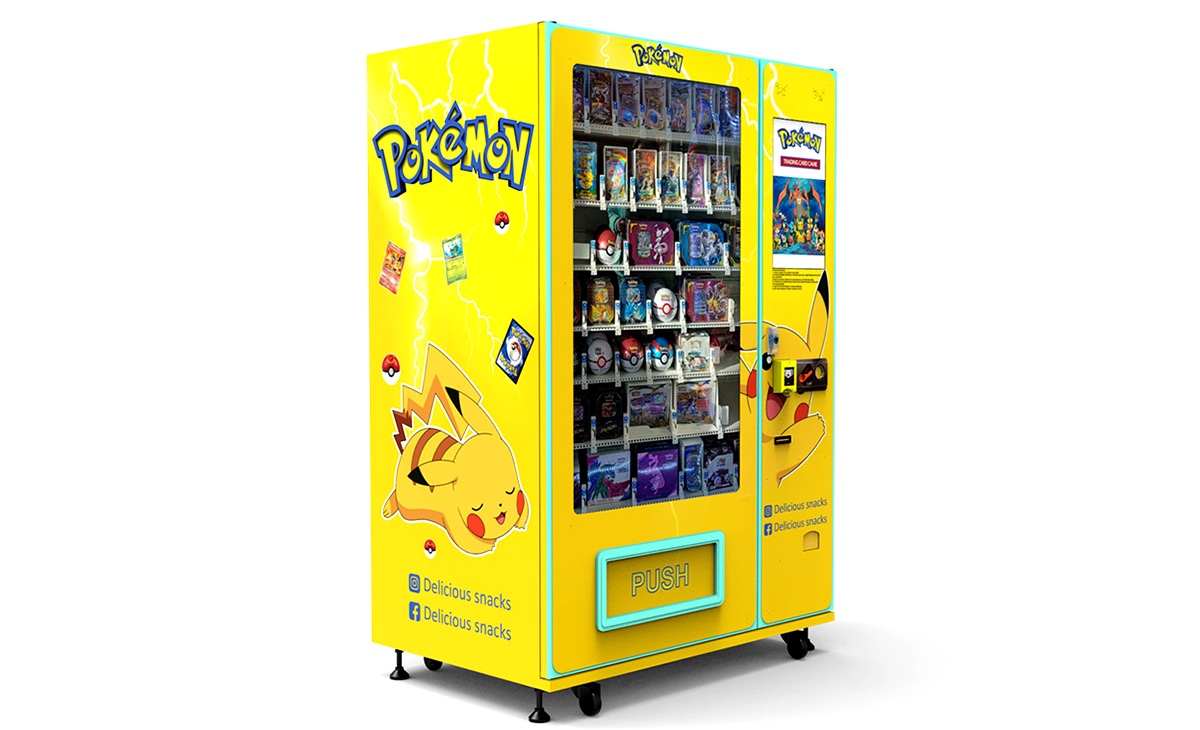
Location selection is the most critical skill in this business. I have placed machines in over 50 locations in the LA area, and I have learned that not all high-traffic locations are profitable.
Good locations include:
- Office buildings with at least 100 employees and no cafeteria
- Gyms and fitness studios, especially those without a juice bar
- Auto repair shops and tire centers where customers wait 30–60 minutes
- Hospitals and medical offices, particularly in staff break rooms
- College campuses and dormitories
Bad locations I have seen fail include: retail stores with low employee count, churches with infrequent attendance, and small warehouses with fewer than 20 workers. One of my biggest mistakes was placing a machine in a small laundromat. The owner was enthusiastic, but foot traffic was too low to support even a small snack machine.
Equipment Selection: What to Look For
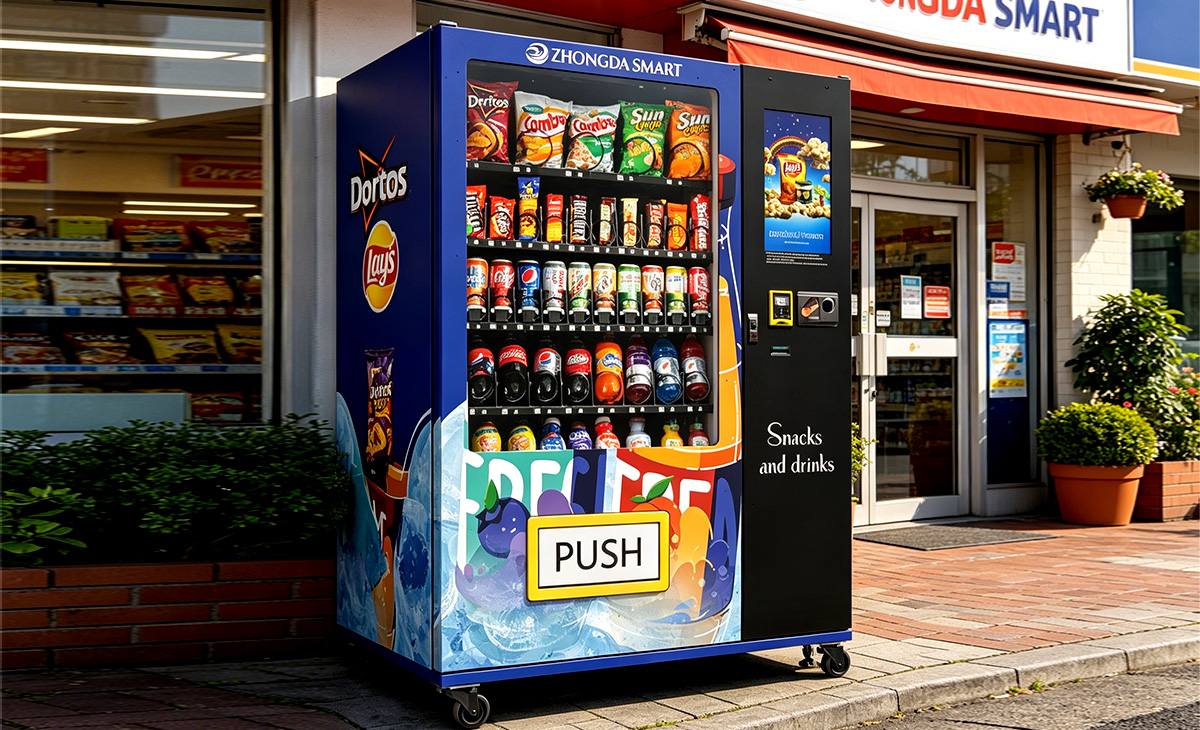
Over the years, I have used machines from several manufacturers. Some brands are overpriced for what they offer. Others are cheap but unreliable. One supplier I have consistently found reliable is Zhongda Smart. Their machines offer solid build quality, modern payment systems, and remote monitoring at a reasonable price point. I have two of their combo machines in my route, and they have held up well in the LA heat.
When evaluating a machine, look for these features:
- Energy-efficient LED lighting and low-power compressors
- Tamper-resistant design to prevent theft
- Easy-to-clean surfaces and removable shelves
- Touchscreen or digital keypad for customer ease
- Remote inventory tracking via cloud software
Avoid machines that require proprietary parts or specialized technicians. If a repair requires a part that takes two weeks to ship, you lose two weeks of revenue. Stick with common models that local technicians can service.
New vs. Used Machines
Buying used machines can save money upfront, but it comes with risks. I have bought used machines that looked fine but had worn-out compressors or outdated payment systems. Upgrading an old machine to accept modern payments can cost $500 to $1,000. In many cases, buying a new mid-range machine from a supplier like Zhongda Smart is more cost-effective over five years.
If you do buy used, inspect the machine thoroughly. Test the refrigeration, check the coin mechanism, and verify that the door seals properly. A machine that leaks cold air will waste electricity and spoil products.
Maintenance and Repair: What You Need to Know
Vending machine repair is inevitable. Even the best machines break down. The most common issues I encounter are jammed coin mechanisms, failed refrigeration units, and faulty payment terminals.
In Los Angeles, I recommend building a relationship with a local technician before you need one. Many independent repair services charge $75 to $150 per hour plus parts. Some companies offer annual maintenance contracts for $200 to $500 per machine, which can be worth it if you have a large route.
I have also learned to do basic repairs myself. Replacing a coin slot or a power supply is straightforward with YouTube tutorials. But for refrigeration and electrical issues, I always call a professional. Trying to fix a compressor without proper training can be dangerous and expensive.
Common Mistakes New Operators Make
I have seen many people enter this business with unrealistic expectations. Here are the most common mistakes:
- Buying too many machines at once: Start with one or two machines in proven locations. Scale only after you understand the operational demands.
- Ignoring location quality: A cheap machine in a great location outperforms an expensive machine in a bad location every time.
- Underpricing products: You need to cover product cost, commission, processing fees, and still make a profit. Do not compete with Walmart prices. You are selling convenience.
- Neglecting cleanliness: A dirty machine drives away customers. Wipe down the exterior and clean the glass at every restock.
- Failing to rotate inventory: Expired products ruin your reputation and can lead to health code issues. Check expiration dates regularly.
How to Evaluate a Potential Location
Before placing a machine, I spend time observing the location. I count how many people walk by during peak hours. I talk to the business owner about employee count and shift schedules. I look at whether there are nearby food options.
A good rule of thumb is that you need at least 50 potential customers per day to support a snack and drink machine. For fresh food machines, you need higher traffic because spoilage risk is greater.
I also negotiate the commission structure upfront. Most location owners expect 10% to 20% of gross sales. Some will ask for a flat monthly fee instead. I prefer a percentage because it aligns incentives. If the machine does well, both parties benefit.
Payment Systems and Technology Trends
The vending industry has changed dramatically in the last five years. Cash is becoming less common. In my route, about 70% of transactions are now cashless. Machines that accept only cash see significantly lower sales.
Modern machines from suppliers like Zhongda Smart come with integrated card readers and telemetry. Telemetry allows me to see real-time sales data, inventory levels, and machine health from my phone. This technology has reduced my restocking time by about 30% because I only visit machines that actually need attention.
If you are buying a used machine without telemetry, consider retrofitting it with a remote monitoring system. The upfront cost is around $200 to $400, but it pays for itself within a few months by reducing wasted trips.
Legal and Regulatory Considerations in Los Angeles
Los Angeles has specific regulations for vending machines, especially those selling food. You need a business license from the city. If you sell perishable items, you may need a health permit and regular inspections.
According to the California Department of Public Health, vending machines that sell unpackaged or potentially hazardous foods must meet strict temperature and sanitation standards. I have had to adjust my refrigeration settings to comply with local codes.
Additionally, some locations require liability insurance. The cost is usually modest, around $200 to $500 per year for a small route. But it is essential to protect yourself if a machine malfunctions and causes damage.
Scaling Your Vending Machine Business
Once you have a few profitable machines, you can think about scaling. The most efficient way is to build a route of 10 to 20 machines within a small geographic area. This reduces travel time and allows you to restock multiple machines in one trip.
I have seen operators grow from a single machine to a full-time business by focusing on high-traffic locations and maintaining strong relationships with location owners. The key is to reinvest profits into better equipment and more locations.
However, scaling also means more complexity. You will need a reliable vehicle, a system for inventory management, and possibly a part-time employee to handle restocking. Do not scale until your existing machines are running smoothly and generating consistent profit.
Conclusion: What I Have Learned After 10 Years
After a decade in this business, I can tell you that the best vending machine company in Los Angeles USA is not a single name. It is the supplier who offers reliable equipment, responsive service, and modern payment technology. For me, companies like Zhongda Smart have delivered good value, but you should always do your own due diligence.
This business is not a get-rich-quick scheme. It requires attention to detail, a willingness to learn basic maintenance, and patience in finding the right locations. But for those who put in the work, it can provide a steady income stream with relatively low ongoing effort.
Remember to start small, test locations carefully, and always keep your machines clean and stocked. If you do that, you will be ahead of most operators in this city.
Frequently Asked Questions
Are vending machines profitable in Los Angeles?
Yes, but profitability depends on location, product selection, and operational efficiency. A well-placed machine can generate $300 to $600 per week in revenue, with net profit of $100 to $300 per month after expenses. Poor locations can lose money.
How much does a vending machine cost?
A new machine typically costs between $3,000 and $15,000, depending on type and features. Used machines can be found for $1,000 to $3,000, but may require upgrades to payment systems or refrigeration.
How long does it take to recoup the investment?
Based on my experience and industry averages, a well-placed machine can pay for itself within 12 to 24 months. Machines in premium locations may recoup costs in 8 to 12 months, while poor locations may never break even.
Should I buy a new or used vending machine?
If you have the budget, buy new. Used machines can save money upfront but often come with hidden repair costs. If buying used, inspect the machine carefully and factor in the cost of upgrading payment systems.
Where is the best place to put a vending machine?
Office buildings with 100+ employees, gyms, hospitals, and auto repair shops are consistently good locations. Avoid low-traffic areas like small retail stores or infrequently visited facilities.
Do I need a license to operate vending machines in Los Angeles?
Yes, you need a business license from the city. If selling perishable food, you may also need a health permit. Check with the Los Angeles Department of Building and Safety for specific requirements.
How do I choose a vending machine supplier?
Look for suppliers with a local service network, modern payment technology, and good reviews from other operators. I have had positive experiences with Zhongda Smart for their reliable combo machines and remote monitoring features.
What happens if my machine breaks down?
Most issues can be resolved by a local technician. Common problems include jammed coin mechanisms, failed refrigeration, and faulty card readers. Building a relationship with a repair service before you need one is wise.
How often do I need to restock?
Frequency depends on sales volume. High-traffic machines may need restocking every 3 to 5 days. Low-traffic machines can go 1 to 2 weeks. Remote monitoring helps you schedule restocks efficiently.
Can I run a vending machine business part-time?
Yes, many operators start part-time with 5 to 10 machines. The key is to keep your route compact to minimize travel time. As your route grows, you may need to dedicate more hours or hire help.
Sources:
- Statista, "Average weekly revenue of vending machines in the United States," 2023. https://www.statista.com/statistics/1107000/vending-machine-average-weekly-revenue-us/
- IBISWorld, "Vending Machine Operators in the US – Market Research Report," 2024. https://www.ibisworld.com/united-states/market-research-reports/vending-machine-operators-industry/
- California Department of Public Health, "Vending Machine Food Safety Guidelines," 2023. https://www.cdph.ca.gov/Programs/CEH/DFDCS/Pages/FoodSafetyProgram.aspx