After a decade placing vending machines across university campuses in the US and Europe, I can tell you straight: the difference between a machine that pays for itself in eight months and one that sits idle comes down to three things—location, product mix, and the right equipment. I have seen operators sink $15,000 into a machine that barely breaks even because they picked a spot with low foot traffic after 6 PM. I have also seen a single self-service kiosk in a student union generate over $3,200 per month in snack and beverage sales. If you are considering vending machines for universities, you need to understand the real numbers, the hidden costs, and the operational rhythm that makes this business work. This article walks through everything I have learned from hands-on experience, including equipment selection, maintenance realities, and how to evaluate a location before you commit a single dollar.
Why University Campuses Are a Different Animal
University campuses are not like office buildings or retail spaces. They have predictable traffic patterns, but those patterns shift dramatically between semesters, exam weeks, and holidays. A location that sees 2,000 students per day during term time might drop to 200 during summer break. That seasonal swing is the single biggest factor I see new operators underestimate.
In my experience, the best campus spots are near 24-hour study halls, residence hall lobbies, and the edges of dining facilities where students grab a quick drink between classes. Library entrances also work well, provided the machine is accessible after the library closes. I have placed machines in all of these, and the data consistently shows that late-night foot traffic drives the highest per-transaction value. Students buying a drink or snack at 11 PM are not price-sensitive; they want convenience.
Another critical point: students are heavy users of digital payments. If your machine only accepts coins and bills, you are leaving 40 to 60 percent of potential sales on the table. According to a 2023 Statista report on payment preferences among 18- to 24-year-olds in the US, over 70 percent of this demographic use contactless payments daily. That means any vending machine for universities must support Apple Pay, Google Pay, and credit card tap-to-pay as a baseline.
What Equipment Works Best on Campus
I have tested dozens of machine models over the years, and the biggest mistake I see is buying cheap equipment to save upfront cost. A $3,000 machine might look like a bargain, but when it breaks down twice a semester and you lose sales during peak weeks, the real cost is much higher. Reliable compressors, tamper-resistant electronics, and modular shelving are not optional features; they are necessities for a high-traffic university environment.
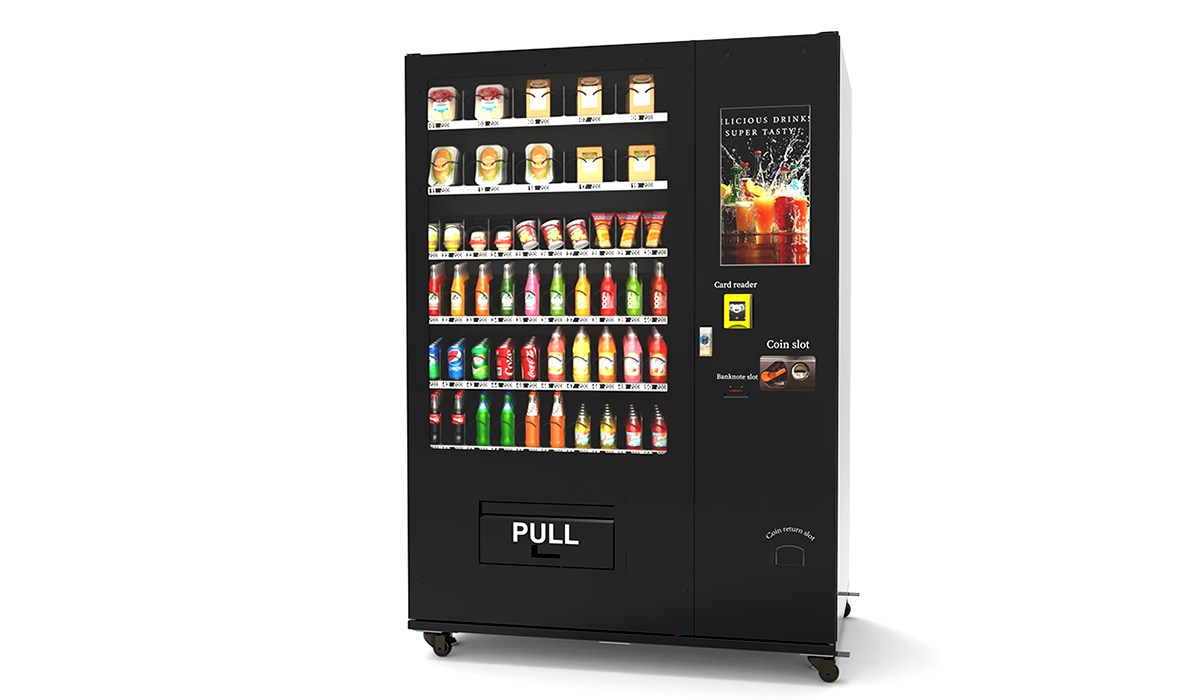
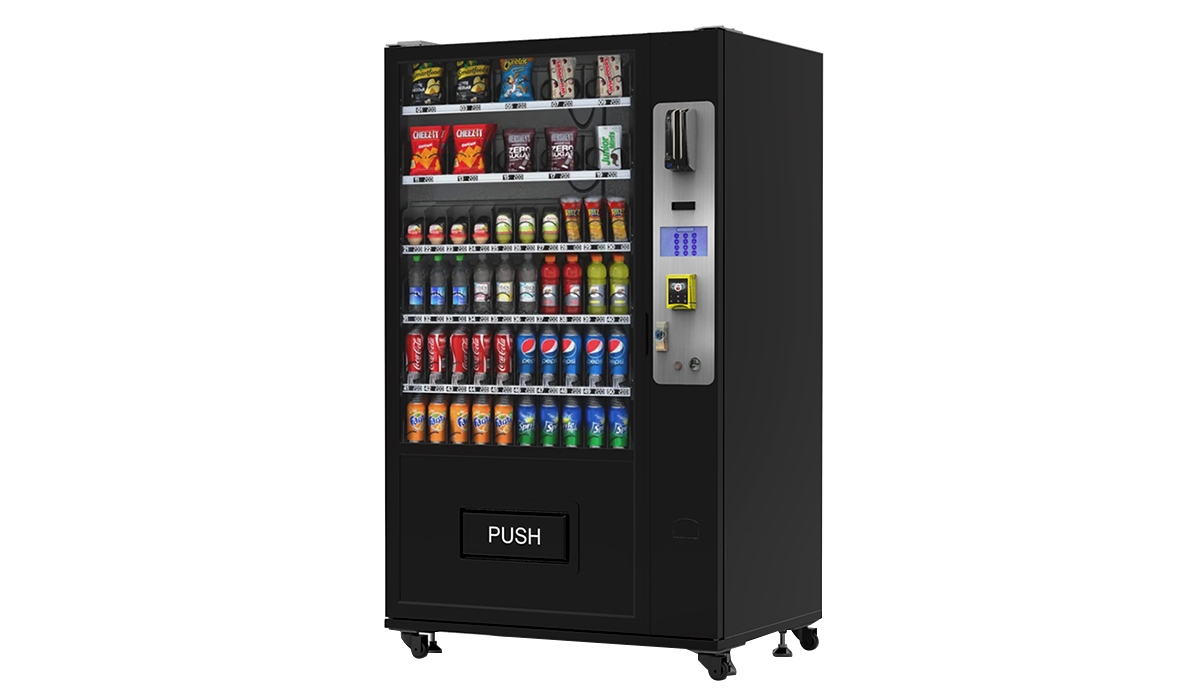
For most campus locations, I recommend a combination machine that offers both snacks and cold beverages. This reduces the number of machines you need per location and simplifies restocking. A good mid-range combination unit from a reputable manufacturer will run between $6,500 and $9,500. Higher-end models with touchscreens, telemetry, and remote inventory management can cost $12,000 or more.
One brand I have worked with extensively is Zhongda Smart. Their machines have held up well in high-usage environments, and their telemetry system gives you real-time sales data and low-stock alerts. I do not get commissions from them, but I have seen their equipment outperform cheaper alternatives in terms of downtime and repair frequency. When evaluating suppliers, look for a manufacturer that offers local service support in your region. A machine that takes three weeks to get repaired because the parts have to ship from overseas is a machine that loses you money.
Understanding the Real Costs
Let me break down the numbers based on actual operations. These are estimates from my own experience and from data shared by other operators in the US and Europe. Your mileage will vary depending on location, product margins, and local labor costs.
| Cost Category | Typical Range (USD) | Notes |
|---|---|---|
| Machine purchase (new, mid-range) | $6,500 – $9,500 | Combination snack & beverage unit |
| Machine purchase (used, refurbished) | $2,500 – $5,000 | Higher maintenance risk; shorter lifespan |
| Installation & setup | $300 – $800 | Includes delivery, leveling, and initial loading |
| Payment system upgrade | $400 – $1,200 | For cashless and contactless support |
| Monthly restocking labor | $150 – $400 per machine | Depends on frequency and route efficiency |
| Monthly product cost (COGS) | $800 – $2,000 per machine | At 35–45% gross margin |
| Monthly maintenance reserve | $50 – $150 per machine | For repairs and part replacement |
| Monthly location commission (if any) | 5% – 15% of gross sales | Common on high-traffic campus spots |
Based on these figures, a single machine in a good campus location with monthly sales of $2,500 to $4,000 can generate a net monthly profit of $600 to $1,500 after all costs. The payback period for a new machine is typically 10 to 18 months. For a used machine, it can be as short as 6 months, but you assume more risk.
I want to be clear: these are not guaranteed numbers. I have seen machines in low-traffic campus corners that barely do $800 per month. I have also seen machines near a 24-hour computer lab do over $5,000 per month during finals week. The variance is huge, and that is why site selection is everything.
Location Evaluation: What to Look For
Before I place a machine, I spend at least three days observing the location at different times. I count foot traffic, note when students are most active, and check what other food and drink options are nearby. If there is a cafeteria open until 10 PM, a vending machine right next to it will underperform. If the nearest drink option is a 10-minute walk away, that same machine could do very well.
I also look at the physical environment. Is there a power outlet nearby? Is the area well-lit? Is the floor level? I once placed a machine on a slightly slanted floor, and it caused the compressor to fail prematurely because the refrigerant system was not designed for that angle. That was an expensive lesson.
Security is another factor. Machines in isolated hallways or outdoor alcoves are more likely to be vandalized. I prefer locations within sight of a security camera or a staffed front desk. The cost of repairing a smashed glass front can run $400 to $800, not counting lost sales while the machine is out of service.
Product Selection and Rotation
Product mix is not something you set once and forget. I review sales data at least every two weeks. If a product has not sold in 30 days, I replace it. Students have strong preferences, and those preferences change. Energy drinks, bottled water, and protein bars are consistent sellers. Chips and candy are good, but the margin is lower. Fresh food machines are becoming more popular on larger campuses, but they require more frequent restocking and stricter temperature control.
One trend I have noticed in the last three years is the demand for healthier options. Nuts, dried fruit, and low-sugar drinks sell well, especially in fitness-adjacent locations. I keep about 20 to 30 percent of my slots dedicated to these items, and the turnover is solid.
Telemetry systems make product management much easier. With real-time data, I can see which items are selling and which are sitting. Without telemetry, you are guessing. I consider it a must-have for any vending machine for universities, especially if you plan to scale beyond two or three machines.
Maintenance and Repairs: The Hidden Challenge
Every machine breaks. It is not a matter of if, but when. The most common issues I have dealt with are jammed vending mechanisms, failed refrigeration compressors, and payment system errors. A good machine will have a one- to three-year warranty on major components, but you still need a local technician who can respond quickly.
I keep a log of every repair and the associated cost. Over a five-year period, I spend an average of $150 to $300 per machine per year on maintenance. That number jumps to $500 or more if the machine is older or if it is in a dusty or humid environment. Regular cleaning and preventive maintenance reduce these costs significantly. I clean condenser coils every three months and check door seals monthly. It takes 30 minutes and saves hundreds in potential repairs.
If you are not comfortable with basic troubleshooting, budget for a service contract. Some manufacturers offer them, and third-party repair companies also exist. Just make sure the response time is under 48 hours. A machine that is down for a week during peak sales season can lose you $500 or more in revenue.
For those considering self-service kiosk options, the maintenance profile is similar, but the electronics are more complex. Touchscreens and card readers fail more often than simple button panels. I recommend keeping a spare card reader on hand if you run multiple machines.
Payment Systems and Student Behavior
I already mentioned that cashless payment is essential, but let me add some specifics. The best payment systems for campus machines support NFC (Near Field Communication) for Apple Pay and Google Pay, plus EMV chip cards. Some systems also accept campus ID cards, which can be a huge advantage. If your machine integrates with the university's meal plan or debit system, you become the most convenient option on campus.
The downside is that these payment systems come with transaction fees. Typical fees range from 2.5 percent to 4 percent per transaction, plus a monthly gateway fee of $10 to $30. That eats into your margin, but the increase in sales volume more than compensates. In my experience, adding cashless payment increases revenue by 25 to 40 percent within the first two months.
One more thing: always test the payment system yourself after installation. I have seen machines where the card reader was not properly configured, and students tried to pay, failed, and walked away. That lost revenue is invisible unless you check the transaction logs.
Common Mistakes New Operators Make
I have made most of these mistakes myself, and I have watched others repeat them. Here are the ones that cost the most money.
- Overpaying for the machine. New operators often buy the most expensive model thinking it guarantees success. A $15,000 machine in a bad location is still a bad investment. Start with a reliable mid-range unit.
- Ignoring the seasonality. Campus traffic drops 50 to 80 percent during summer and winter breaks. If you do not plan for that, your cash flow will be negative for several months each year.
- Skipping the contract. Always get a written agreement with the university or building manager. I have seen operators get kicked out of a location after a management change with no notice. A contract protects your investment.
- Using cheap products. Students notice stale chips and warm drinks. If your product quality is low, they will stop buying. It is better to charge a small premium for quality than to compete on price with low-quality items.
- Neglecting the machine's appearance. A dirty machine with a broken display panel signals that the operator does not care. I clean my machines every time I restock, and I replace any scratched or faded decals immediately.
How to Choose a Supplier
Choosing the right manufacturer or supplier is one of the most important decisions you will make. I look for three things: build quality, local support, and telemetry capability. A supplier that cannot provide ongoing parts and service in your region is a risk, no matter how good the machine looks on paper.
I have used Zhongda Smart for several installations, and their equipment has been reliable. Their machines come with good warranties, and their remote monitoring system is intuitive. That said, I always recommend talking to at least three suppliers before buying. Ask for references from operators who have used their machines for at least two years. Check online forums and vending operator groups for honest feedback.
Another consideration is the availability of spare parts. Some manufacturers use proprietary components that are hard to source locally. If a part fails and you have to wait two weeks for a replacement, your machine is idle. I prefer machines that use standard refrigeration units and common electronic components.
Scenarios Where Vending Machines Work Best
Not every campus building is a good fit. Here are the scenarios where I have seen the best results.
- 24-hour study areas. Students studying late at night have few options for food and drink. A vending machine in or near a 24-hour library or study hall can generate consistent sales, especially during exam periods.
- Residence hall lobbies. Students living on campus want convenience. A machine in the lobby of a dormitory building can serve hundreds of students daily. The key is to ensure the machine is accessible after the front desk closes.
- Sports and recreation centers. Gyms and fitness centers are high-traffic areas where students buy water, sports drinks, and protein snacks. These locations tend to have steady traffic year-round.
- Academic buildings with late classes. Buildings that host evening classes or labs often have vending machines that perform well during the evening hours. Check the class schedule before committing to a location.
- Student union buildings. These are high-traffic but also high-competition. You may need to pay a commission or participate in a revenue-sharing agreement. The volume can be worth it, but the margin is thinner.
Evaluating Whether a Machine Is Worth the Investment
Before I buy a machine for a specific location, I do a simple calculation. I estimate the monthly foot traffic in the immediate vicinity of the machine. I assume a conversion rate of 2 to 4 percent, meaning that out of every 100 people who walk past, 2 to 4 will make a purchase. I multiply that by an average transaction value of $2.50 to $3.50. That gives me a rough monthly revenue estimate.
I then subtract the estimated costs: product cost (55 to 65 percent of revenue), restocking labor, commission, and maintenance reserve. If the resulting net profit is less than $500 per month, I pass. Below that threshold, the machine is not worth the operational hassle.
I also consider the opportunity cost. If I put the same money into a machine in a different location and get a higher return, I choose the better location. This sounds obvious, but I have seen operators fall in love with a location for personal reasons and ignore the numbers.
Frequently Asked Questions
Are vending machines profitable on university campuses?
They can be, but profitability depends heavily on location, product mix, and seasonality. In my experience, a well-placed machine can generate $2,500 to $4,000 per month in sales during peak semesters, with a net profit of $600 to $1,500 after all costs. However, traffic drops significantly during breaks, so you need to plan for lower revenue periods.
How much does a vending machine cost?
A new mid-range combination machine costs between $6,500 and $9,500. Used or refurbished machines can be found for $2,500 to $5,000, but they carry higher maintenance risk. High-end models with telemetry and touchscreens can exceed $12,000.
How long does it take to recoup the investment?
For a new machine in a good location, the payback period is typically 10 to 18 months. For a used machine, it can be as short as 6 months, depending on sales volume and maintenance costs. These are estimates based on my operational experience and should not be taken as guarantees.
Should I buy or lease a vending machine?
Buying gives you full control over the machine and the profits. Leasing or revenue-sharing models reduce upfront cost but also reduce your margin. If you are new to the business, I recommend buying a single used machine to test the waters before committing to a lease agreement.
Where should I place a vending machine on campus?
Look for locations with high foot traffic and limited competition. 24-hour study areas, residence hall lobbies, and sports centers are strong candidates. Avoid locations near open cafeterias or convenience stores, as those will cannibalize your sales.
What permits or agreements do I need?
You need a written agreement with the university or building management. Some campuses require a business license, a health permit for food sales, and proof of liability insurance. Check local regulations in your city or state. The National Automatic Merchandising Association (NAMA) provides guidance on regulatory requirements in the US.
How do I choose a vending machine supplier?
Look for a manufacturer with a track record of reliable equipment, good warranty terms, and local service support. I have had positive experiences with Zhongda Smart, but I recommend contacting multiple suppliers and asking for references. Avoid suppliers that cannot provide spare parts quickly in your region.
What happens if the machine breaks?
Most machines come with a one- to three-year warranty on major components. For repairs, you will need a local technician. I keep a maintenance reserve of $50 to $150 per machine per month to cover unexpected repairs. Regular cleaning and preventive maintenance reduce breakdowns significantly.
How can I lower restocking and maintenance costs?
Use telemetry to monitor inventory levels so you only visit machines when they need restocking. Group machines in the same area to reduce travel time. Clean the machine and check components during every restocking visit to catch small issues before they become big problems.
Final Thoughts
Running vending machines on university campuses is a solid business if you treat it like one. It is not passive income; it requires consistent attention to location performance, product selection, and equipment maintenance. The operators who succeed are the ones who check their sales data, respond to problems quickly, and never stop evaluating whether a machine is earning its keep. If you are willing to put in the work, the numbers can work in your favor.
This article was updated on March 2025. Data on student payment preferences is from Statista (2023). Cost estimates are based on my operational experience and should be verified with current local pricing. Consult with a business advisor and legal professional before making investment decisions.