Moving a vending machine inside the Japantown apartment complex isn’t just about brute force and a dolly; it’s about understanding the specific logistics of tight corners, elevator weight limits, and the building’s management rules. I’ve spent over a decade placing machines in similar urban residential settings, and I can tell you that the physical move is often the easiest part. The real challenge is knowing how to move the vending machine in the Japantown apartment without damaging the property, voiding your warranty, or upsetting the neighbors. This guide walks you through the entire process, from the initial site assessment to the final power-up, based on real-world experience and common pitfalls I’ve seen operators face.
Why the Japantown Apartment Is a Unique Vending Location
Japantown apartments, particularly those in older or mixed-use buildings, present a specific set of challenges and opportunities. The demographic is often a blend of young professionals, older residents, and tourists using short-term rentals. This mix creates demand for a variety of products, from late-night snacks to healthy grab-and-go meals. However, the building infrastructure—narrow hallways, historic preservation rules, and limited freight elevator access—can make installation a headache. Before you even think about the physical move, you need to get approval from the property manager and understand the building's specific loading dock or service entrance protocols.
Assessing the Path of Travel
I always start by walking the exact route the machine will take, from the delivery truck to the final spot. Measure every doorway, hallway width, and elevator door opening. A standard vending machine is about 32 inches wide and 72 inches tall, but you need at least 4 inches of clearance on each side for maneuvering. In one Japantown building, I had to disassemble a machine’s door and legs just to fit it into a service elevator that was an inch too narrow. Always check for low-hanging pipes, light fixtures, or fire sprinklers that could get knocked off during the move.
Understanding Floor Load Limits
Most residential apartment floors are not designed for the concentrated weight of a fully loaded vending machine. A typical machine can weigh between 600 to 900 pounds when stocked. You need to confirm the floor load rating with the building engineer. In many older Japantown buildings, the floors are wood over concrete, and a heavy machine can cause sagging or cracking. I recommend using a load-distributing mat or a piece of ¾-inch plywood under the machine to spread the weight. This is a step that many new operators skip, and it leads to costly damage repairs and angry property managers.
Step-by-Step Guide to Moving the Machine
Once you have the green light from management and have verified the path, the actual move requires the right tools and a careful plan. You cannot simply push a vending machine across carpet or tile. The weight will damage the flooring, and the machine can tip over. Here is the process I use for every urban residential installation.
Tools and Equipment You Need
- Heavy-duty appliance dolly with straps and a ratchet system.
- Furniture sliders for moving across finished floors.
- Moving blankets to protect walls and door frames.
- Pry bar and shims for leveling the machine on uneven floors.
- Power drill and screwdriver for removing and reinstalling panels.
- Wheel chocks to prevent rolling on ramps or inclines.
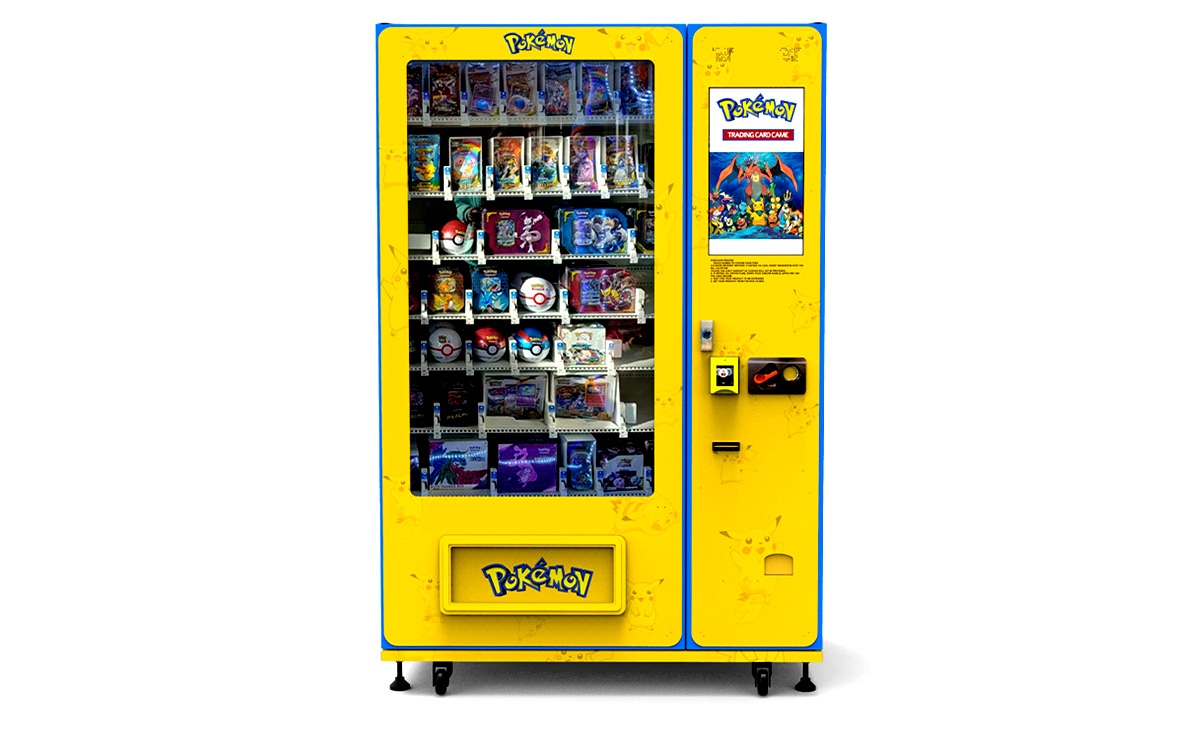
I always bring a second person, even for a small machine. Trying to move a vending machine alone is a recipe for injury and property damage. The cost of hiring a professional mover for a few hours is far less than the cost of replacing a damaged wall or a broken machine compressor.
The Actual Moving Procedure
First, empty the machine of all product and cash. Even a partially stocked machine is dangerously unbalanced. Remove the coin mechanism and bill validator for safekeeping. If the machine has a compressor, let it sit unplugged for at least 30 minutes to allow the refrigerant to settle. Then, tilt the machine onto the dolly, using the straps to secure it. Always tilt from the side, not the front or back, to avoid damaging the door hinges. Move slowly, and use furniture sliders on any carpeted areas to avoid tearing the fibers. When going through doorways, tilt the machine slightly to clear the frame, but never tilt it more than 45 degrees, as this can damage the cooling system.
Cost Considerations and Budgeting for the Move
Moving a vending machine is not free, and the costs can vary wildly depending on the complexity. If you are doing it yourself, you are saving on labor but risking damage. If you hire a professional, you are paying for peace of mind. Here is a realistic breakdown based on my experience in similar urban markets.
| Cost Item | DIY Estimate | Professional Estimate |
|---|---|---|
| Dolly rental (1 day) | $40 – $80 | Included in service |
| Moving blankets (set) | $30 – $60 | Included in service |
| Labor (2 people, 4 hours) | $0 (your time) | $400 – $800 |
| Load-distributing mat | $50 – $150 | Optional add-on |
| Potential damage deposit | $200 – $500 (refundable) | Often waived with insured movers |
According to data from Statista, the average cost of a new vending machine in the US ranges from $3,000 to $10,000, so the moving cost is a small fraction of the total investment. However, a mistake during the move can easily double your costs. I have seen machines fall off dollies, crushing the door and rendering the unit useless. Always invest in proper equipment, or pay a professional who has insurance.
Selecting the Right Equipment for the Japantown Setting
Not every vending machine is suitable for an apartment building. You need a machine that is quiet, energy-efficient, and fits the aesthetic of the building. In Japantown, where many buildings have a modern or minimalist design, a bulky, brightly lit machine can be an eyesore. I recommend looking for machines with a sleek, black or stainless steel finish. Also, consider the noise level of the compressor. Some older machines can be quite loud, which will generate complaints from residents living near the machine.
Key Features for Residential Use
- Quiet compressor: Look for machines with sound-dampening insulation.
- Energy Star rating: Reduces electricity costs and heat output.
- Cashless payment system: Most apartment residents prefer using credit cards or mobile wallets.
- Remote monitoring: Allows you to track sales and inventory without visiting the site.
- Compact footprint: A 72-inch tall machine is usually fine, but a 79-inch model may not fit in some basements.
When choosing a supplier, I have had good experiences with Zhongda Smart for their residential-grade machines. They offer models with a small footprint and quiet operation, which is exactly what you need for an indoor apartment setting. Their machines also come with pre-installed cashless readers, which is a must for modern urban locations.
Common Mistakes New Operators Make in Apartment Buildings
I have seen dozens of operators fail in apartment buildings, not because the location was bad, but because they made avoidable mistakes. The most common error is not securing the machine properly. A vending machine that is not level will cause the spirals to jam, leading to lost sales and angry customers. Another mistake is not bringing enough product variety. In a Japantown apartment, you need a mix of international snacks, healthy options, and standard sodas. Relying only on chips and candy bars will limit your sales.
Neglecting Regular Maintenance
Apartment dwellers expect a high level of service. If the machine is out of order for more than 24 hours, you will lose trust. I schedule a maintenance check every two weeks, even if the machine is not fully empty. This allows me to catch small issues before they become big problems. A common issue is a faulty coin mechanism, which can be fixed quickly if you carry spare parts. According to a report by IBISWorld, the vending machine industry in the US has an annual growth rate of about 2.3%, but individual operator success depends heavily on location and maintenance quality.
Revenue Potential and Break-Even Analysis
Can you make money with a vending machine in a Japantown apartment? Yes, but the numbers are not as high as you might think from social media hype. The average vending machine in a residential building generates between $200 and $600 per month in revenue, depending on foot traffic and product pricing. In a building with 100 units, you might see higher sales if the machine is located in a common area like the laundry room or lobby. However, you also have to factor in the cost of goods sold, which is typically 40% to 50% of revenue, and the commission you might pay to the building owner.
Sample Financial Projection
- Monthly revenue: $400
- Cost of goods sold (45%): $180
- Building commission (10%): $40
- Electricity and maintenance: $30
- Net monthly profit: $150
- Machine cost (new): $5,000
- Break-even period: 33 months (almost 3 years)
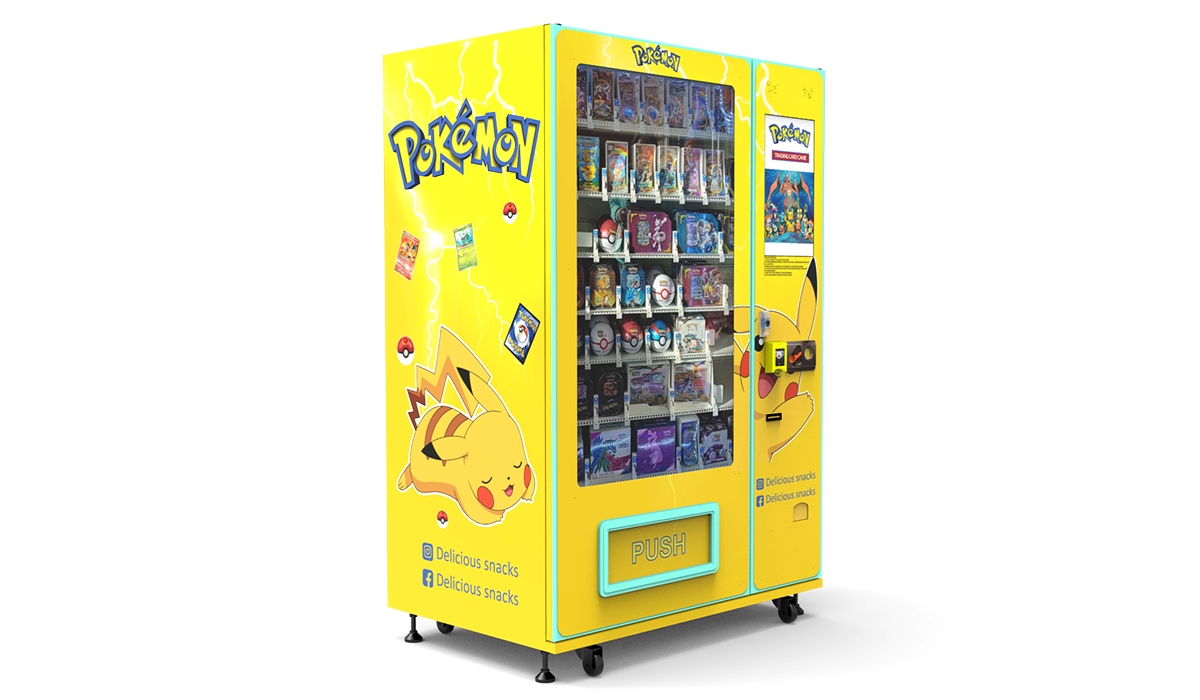
This is a realistic scenario. Some operators break even in 18 months if they find a high-traffic location, but that is rare in a residential setting. The key is to keep your costs low and your service reliable. A single machine in a good spot can be a nice side income, but it is not a get-rich-quick scheme. According to data from Statista, the average vending machine transaction in the US is about $1.50, so you need a high volume of sales to make significant money.
FAQ: Moving and Operating a Vending Machine in an Apartment
Is moving a vending machine something I can do alone?
No. I strongly advise against moving a vending machine by yourself. The risk of personal injury and property damage is too high. Always have at least one other person to help, or hire a professional mover who specializes in heavy appliances.
How much does it cost to move a vending machine professionally?
Professional moving services for a vending machine typically cost between $400 and $800, depending on the distance, number of stairs, and elevator access. This is a worthwhile investment if you are not experienced.
Do I need permission from the apartment management?
Absolutely. You must get written permission from the property manager or building owner before moving or installing a vending machine. This includes agreeing on the location, commission structure, and liability for any damage.
What type of vending machine is best for an apartment building?
A compact, quiet machine with a cashless payment system is ideal. Look for models that are Energy Star rated and have a small footprint. The Zhongda Smart residential models are a solid choice for this application.
How often should I service the machine?
I recommend a full service visit every two weeks. This includes restocking, cleaning, and checking the mechanical components. In high-traffic locations, you may need to visit weekly.
What happens if the machine breaks down?
You should have a plan for emergency repairs. Keep a list of local technicians who can handle common issues like a jammed coin mechanism or a failed compressor. Many machine manufacturers offer remote diagnostics, which can help you identify the problem before you go on site.
Can I make a full-time income from one machine?
Unlikely. One vending machine in a residential building will probably generate a side income of $100 to $300 per month after expenses. To make a full-time income, you would need to operate multiple machines in different locations.
Final Thoughts on Moving and Operating in Japantown
Moving a vending machine into a Japantown apartment is a project that requires patience, planning, and a respect for the building's rules. The physical move is just the beginning. The real work starts with maintaining the machine, building a relationship with the property manager, and adjusting your product mix based on what sells. If you approach it as a long-term business, not a quick flip, you can build a reliable source of passive income. Just remember that the machine is only as good as the location and the service you provide. A well-placed, well-maintained machine will serve you for years, but a rushed move can end your operation before it even starts.