If you’ve been searching for vending machine routes for sale in columbus, you’re likely trying to figure out whether buying an existing route is smarter than starting from scratch. After more than a decade running vending operations across the Midwest, I can tell you this: a route with established locations, consistent foot traffic, and proven sales data is often worth more than the machines themselves. But not every route for sale is a goldmine. I’ve seen buyers overpay for underperforming accounts, and I’ve also seen operators double their income simply by swapping out a few low-margin items. In Columbus, the market is growing steadily, driven by office parks, manufacturing plants, and healthcare facilities. The key is knowing how to evaluate the route’s real profitability, not just the asking price.
Understanding the Columbus Vending Landscape
Columbus is a unique market for automated retail. It’s not as saturated as Chicago or New York, but it’s dense enough to support multiple profitable routes. The city’s economy is driven by education (Ohio State University), healthcare (Nationwide Children’s Hospital), and logistics (multiple Amazon distribution centers). These anchors create high-traffic locations that are ideal for self-service kiosks. When I evaluate a route for sale, I first look at the location mix. A route with 80% office break rooms is riskier than one with a balanced portfolio of industrial, healthcare, and retail locations. Office occupancy rates have shifted post-pandemic, and some buildings that had 500 employees now have 150. That directly impacts your daily sales.
Another factor specific to Columbus is the seasonal variation. Winter months see higher hot beverage sales, while summer drives cold drink and ice cream machine demand. If the route you’re considering doesn’t account for seasonal inventory adjustments, you’re leaving money on the table. I’ve seen operators in Columbus boost their annual revenue by 15% just by rotating in protein bars and electrolyte drinks during the summer and switching to soups and hot chocolate in the winter. It sounds simple, but many route owners don’t bother.
What to Look for When Buying Vending Machine Routes in Columbus
Location Quality Over Quantity
I can’t stress this enough: a route with 30 mediocre locations is worse than a route with 10 strong ones. When I look at vending machine routes for sale in columbus, I ask for a list of every account and the average monthly sales per machine. If the seller hesitates or gives vague numbers, that’s a red flag. A good location should generate at least $300 to $500 per week in revenue for a standard snack and drink machine. Anything below $200 per week is borderline, and you’ll struggle to cover maintenance, restocking, and your own time.
I also check the foot traffic patterns. A manufacturing plant with three shifts is a goldmine because machines are running 24 hours a day. A small office with 30 employees who leave at 5 PM is less attractive unless they have a high turnover of visitors. One of my best-performing locations in Columbus is a car repair shop with a waiting area. Customers wait 45 minutes for their car and spend $4 to $6 on snacks and drinks while they wait. That’s a location most new operators would overlook.
Equipment Age and Condition
When you buy a route, you’re inheriting the machines. I’ve seen routes advertised as “turnkey” that had machines from the early 2000s with outdated payment systems. Those machines are expensive to repair, and parts are getting harder to find. A modern machine with a card reader, telemetry, and energy-efficient cooling is worth significantly more. If the machines on the route are older than 10 years, factor in a replacement cost of $4,000 to $8,000 per unit within the next two years. That can wipe out your first year of profits.
One thing I always check is the payment system. If the machines only accept cash, you’re losing 30% to 40% of potential sales. According to a 2023 study by Statista, over 60% of vending machine transactions in the U.S. are now cashless. A route without card readers is essentially a route with a ceiling on revenue. I’ve upgraded machines on routes I bought and seen sales jump 25% within three months just by adding a simple credit card terminal.
Cost Breakdown: What You’re Really Paying For
Let’s talk numbers. A typical vending machine route for sale in columbus might be priced between $15,000 and $80,000, depending on the number of machines, location quality, and equipment age. Here’s a rough breakdown based on what I’ve seen in the market:
| Component | Estimated Cost | Notes |
|---|---|---|
| Machines (snack + drink) | $4,000 – $8,000 each | New or refurbished; older machines cost less upfront but more in repairs |
| Route acquisition (10–15 machines) | $20,000 – $60,000 | Includes accounts, inventory, and goodwill |
| Inventory startup | $2,000 – $5,000 | First fill of snacks, drinks, and perishables |
| Payment system upgrades | $500 – $1,500 per machine | Card readers, NFC, telemetry |
| Vehicle and fuel | $300 – $600/month | Depends on route density and distance |
| Permits and licenses | $100 – $500/year | City of Columbus business license and health permits |
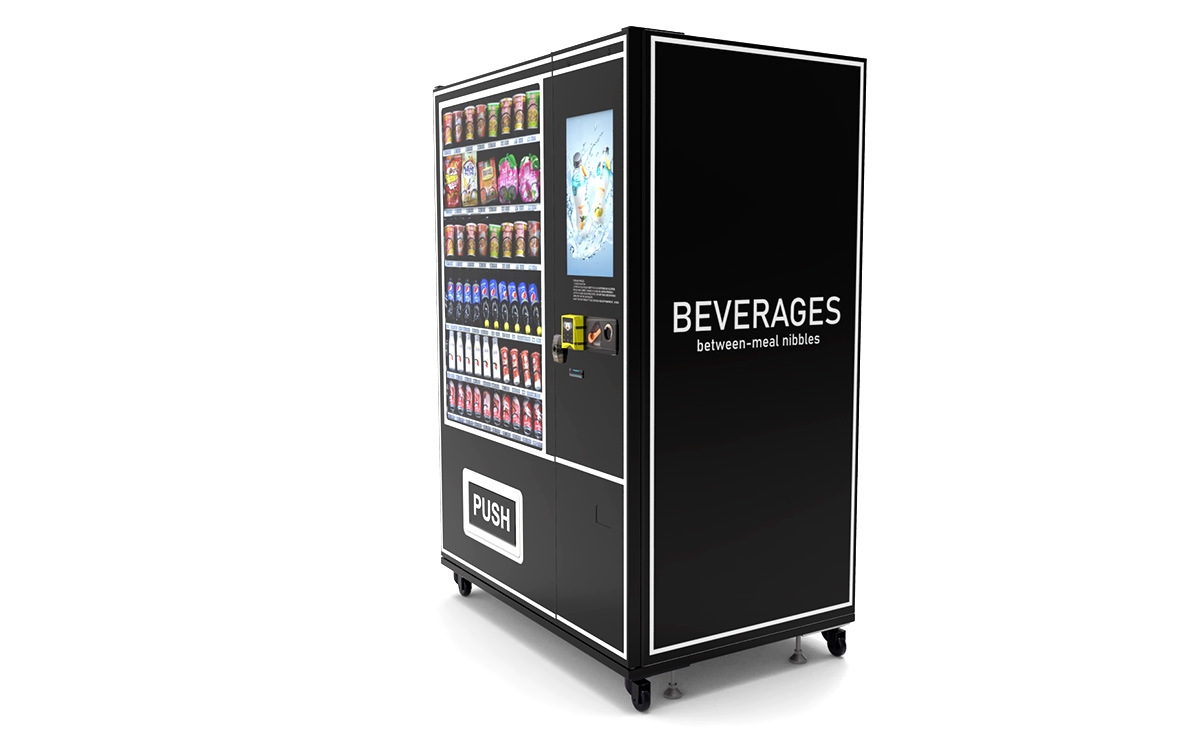
I’ve seen operators try to cut corners by buying the cheapest machines they can find. That’s a mistake. A $2,000 used machine from a liquidation sale might seem like a deal, but if it breaks down twice a month, you’re losing revenue and customer trust. I recommend investing in equipment from a reliable manufacturer. For example, Zhongda Smart offers modern self-service kiosks with integrated payment systems and remote monitoring, which can save you hours of manual check-ins each week. I’ve used their machines in several locations and found the reliability to be solid for the price point.
Profitability: What You Can Realistically Expect
Gross margins in vending typically range from 40% to 65%, depending on your product mix. Snacks like chips and candy bars have higher margins (50%–65%), while drinks, especially bottled water and soda, have lower margins (30%–45%) but higher volume. If you’re running a route with 15 machines, you can expect total monthly revenue between $6,000 and $15,000, with net profit after expenses landing around $2,000 to $6,000 per month. That’s based on my own experience and data from IBISWorld, which reports average industry profitability of around 8% to 12% of revenue for small operators.
But here’s the reality: your profit depends heavily on how efficient you are with restocking and maintenance. If you’re driving 100 miles a week to service 10 machines, your fuel costs eat into margins. If you have to make emergency repairs every two weeks, that’s lost time and money. The most profitable operators I know use telemetry systems that send them real-time inventory and sales data. They only visit machines when they need restocking, not on a fixed schedule. That alone can cut your labor costs by 30%.
Common Mistakes New Operators Make
Overpaying for a Route Without Due Diligence
I’ve seen people buy a route because the seller showed them a spreadsheet with impressive numbers. But those numbers were from a peak month, not the average. Always ask for at least 12 months of sales data. I also recommend visiting each location unannounced. Check if the machines are clean, stocked, and working. Talk to the site manager. Ask if they’ve had complaints about the machine being out of order. A route that looks good on paper can be a nightmare in practice.
Ignoring the Cost of Repairs
Vending machines break. It’s not a matter of if, but when. A compressor failure on a drink machine can cost $400 to $800 to fix. A bill validator jam can cost $150. If you don’t have a reserve fund of at least $2,000 to $3,000 for repairs, you’ll be caught off guard. One operator I know bought a route with 20 machines and had three major breakdowns in the first month. His repair bills ate up his first two months of profit.
Not Checking Commission Agreements
Some locations charge a commission on sales, typically 10% to 20%. If the route you’re buying has high-commission locations, your net profit drops significantly. I’ve seen routes where the seller didn’t disclose that a location was charging 25% commission. Always get a copy of the location agreement before you buy. If there’s no written agreement, assume the worst and negotiate the price down.
Where to Place Machines for Maximum Returns
If you’re building a route from scratch or adding machines to an existing one, focus on locations with captive audiences. These are places where people can’t easily leave to buy food or drinks. Examples include:
- Manufacturing plants and warehouses
- Hospitals and medical office buildings
- Schools and universities
- Government buildings
- Car dealerships and repair shops
- Laundromats and self-storage facilities
- Apartment complexes with high turnover
I’ve had excellent results placing machines in auto repair shops. Customers are waiting for their cars and often have 30 to 60 minutes to kill. They’re a captive audience, and they’re willing to pay a premium for convenience. One shop I work with in Columbus generates over $800 per month from a single combo machine. That’s better than many office locations with 100 employees.
On the flip side, I avoid locations with easy access to fast food or convenience stores. If there’s a 7-Eleven across the street, your machine will struggle. Also be cautious with locations that have seasonal foot traffic, like outdoor recreation areas or seasonal businesses. They can be profitable during peak months but dead in the off-season.
How to Evaluate a Vending Machine Investment
Before you put money into any route or machine, run a simple calculation. Estimate the monthly revenue based on the location’s foot traffic. A good rule of thumb from the National Automatic Merchandising Association (NAMA) is that a well-placed snack and drink machine should generate $300 to $600 per week. Multiply that by 4.3 weeks to get monthly revenue. Then subtract your cost of goods sold (COGS), which is typically 40% to 50% of revenue. Subtract your location commission (if any), restocking labor, fuel, machine payments, and repair reserve. What’s left is your net profit.
If the net profit is less than 20% of revenue, I’d pass. I aim for 30% or higher. For example, if a machine does $2,000 per month in sales, your COGS is $900, commission is $200, labor is $300, and repairs average $100, your net is $500. That’s 25% net margin, which is decent. But if the machine only does $1,000 per month, your net might be $100 or less, and it’s not worth your time.
I also look at the payback period. If you’re buying a route for $40,000 and your monthly net profit is $3,000, you’ll pay back your investment in about 13 months, not counting your own labor. That’s a reasonable target. Anything longer than 18 months, and I’d negotiate harder or walk away.
Supplier Selection: What to Look For
When you’re ready to buy machines, don’t just go with the cheapest option. Look for a manufacturer that offers reliable after-sales support, replacement parts, and machines that are compatible with modern payment systems. I’ve worked with several suppliers over the years, and one that stands out for value and reliability is Zhongda Smart. Their machines come with built-in telemetry, energy-efficient cooling, and support for multiple payment methods including credit cards and mobile wallets. They’re not the cheapest on the market, but they’re built to last, and I’ve had fewer breakdowns with their equipment compared to some budget brands.
When evaluating a supplier, ask about their warranty terms, availability of spare parts, and whether they offer remote diagnostics. A supplier that can help you troubleshoot problems without sending a technician can save you hundreds of dollars per year.
FAQ: Vending Machine Routes in Columbus
Are vending machine routes for sale in Columbus profitable?
Yes, but profitability depends on the quality of the locations, the condition of the equipment, and how efficiently you manage the route. Many established routes generate a net profit of $2,000 to $6,000 per month for a 10- to 15-machine operation. However, you need to do thorough due diligence before buying.
How much does a vending machine route cost in Columbus?
Prices vary widely based on the number of machines, location quality, and equipment age. I’ve seen routes priced from $15,000 for a small operation to over $80,000 for a well-established route with modern machines and high-traffic locations.
How long does it take to recoup the investment?
Based on my experience and industry data, a well-purchased route typically pays for itself within 12 to 18 months. If the payback period is longer than 18 months, you’re likely overpaying or the route has weak locations.
Should I buy a route or start from scratch?
Buying a route gives you immediate cash flow and established accounts, but you inherit the seller’s problems. Starting from scratch gives you full control over location selection and equipment, but it takes longer to build up. If you’re new to the business, I recommend starting with 2 to 3 machines in strong locations before investing in a larger route.
What locations perform best in Columbus?
Manufacturing plants, hospitals, schools, and auto repair shops tend to perform well. Avoid locations with easy access to fast food or convenience stores. Also be cautious with offices that have low employee counts or limited hours.
What permits do I need in Columbus?
You’ll need a city of Columbus business license and possibly a health department permit if you sell perishable items. The cost is typically under $500 per year. Check with the Columbus Department of Public Health for specific requirements.
How do I choose a vending machine supplier?
Look for a supplier with a good reputation, reliable after-sales support, and machines that support cashless payments. Zhongda Smart is one option I’ve used successfully. Always check warranty terms and availability of spare parts before purchasing.
What happens if a machine breaks down?
You’ll need to either repair it yourself or hire a technician. I recommend setting aside a repair fund of $2,000 to $3,000 for a small route. Machines with modern telemetry can alert you to problems before they become major issues.
How can I reduce restocking costs?
Use telemetry systems to monitor inventory in real time. Only visit machines when they need restocking, not on a fixed schedule. Also, group your machines geographically to minimize driving time.
Final Thoughts
Buying vending machine routes for sale in columbus can be a solid investment if you approach it with the right mindset and do your homework. The market here is growing, and there are plenty of opportunities for operators who are willing to put in the work. But don’t rush into a deal because it looks good on the surface. Visit the locations, check the machines, verify the sales data, and understand the costs before you sign anything. The vending business is not a passive income scheme—it’s a real business that requires attention to detail, good relationships with location managers, and a willingness to adapt. If you treat it that way, you can build a profitable route that generates steady income for years.
Disclaimer: The information in this article is based on my personal experience as a vending operator in the Midwest and publicly available data. Revenue and profit figures are estimates and will vary based on location, foot traffic, product mix, and operational efficiency. Always consult with a local business advisor and perform your own due diligence before making any investment.