If you’re looking into the vending machine business in southern Spain, the first question that usually comes up is who are the top vending machine manufacturers in Seville Spain. After a decade of operating machines across Europe, I can tell you that Seville isn’t just a tourist destination—it’s a growing hub for automated retail. The local market has a mix of established Spanish manufacturers and international suppliers that offer solid equipment for hot drinks, snacks, and fresh food. In my experience, the best manufacturers in this region focus on reliability in hot climates, energy efficiency, and compatibility with modern cashless payment systems. Whether you’re a first-time buyer or expanding a fleet, knowing which manufacturers have a real service network in Andalusia makes or breaks your operation.
What Makes a Vending Machine Manufacturer Worth Considering?
When I started in this business, I thought all machines were basically the same. That mistake cost me thousands in repair bills and lost sales. Over the years, I’ve learned that the manufacturer you choose directly impacts your daily operations, your profit margins, and how often you’re fixing a jammed coil at 2 AM.
A reliable manufacturer offers more than just a metal box with buttons. They provide local technical support, spare parts availability, and machines that handle the specific conditions of your location. In Seville, where summer temperatures can exceed 40°C, a machine with poor insulation or an undersized cooling system will fail within months.
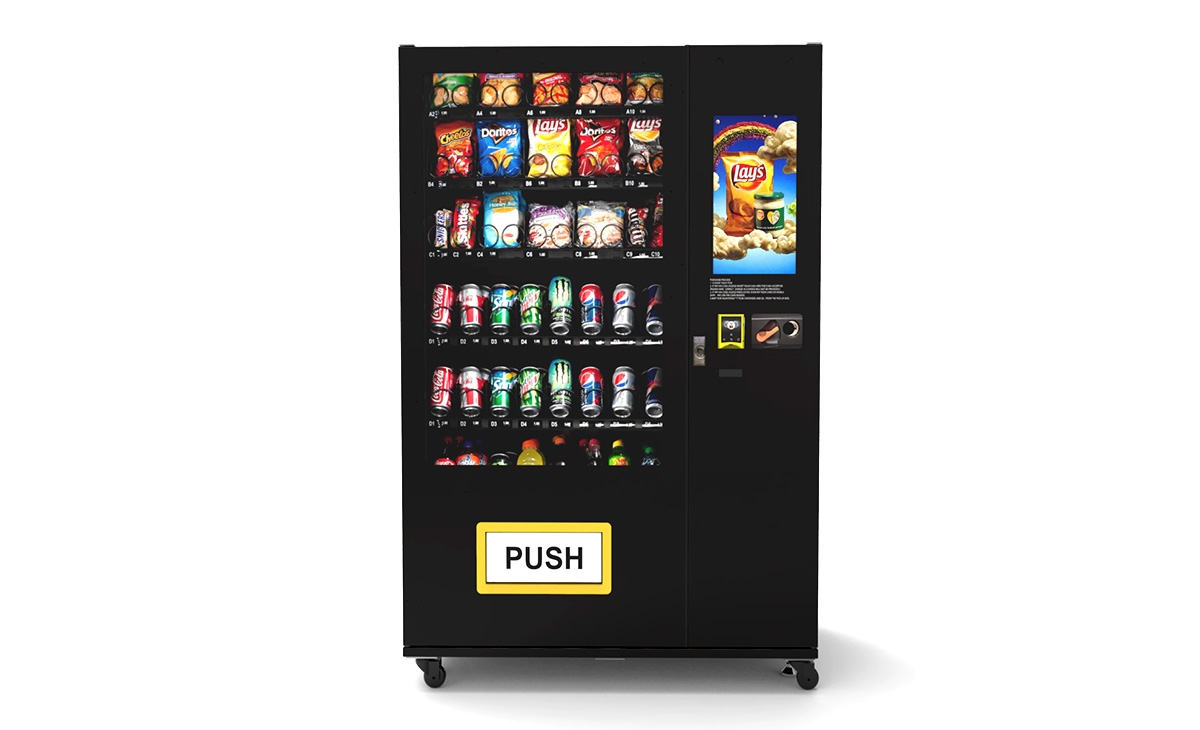
Another factor is payment system integration. The days of coin-only machines are ending. Modern consumers expect to pay with cards, phones, and even smartwatches. Manufacturers who offer built-in telemetry and cashless readers save you from retrofitting older equipment later.
I’ve also found that warranty terms vary wildly. Some manufacturers offer two years on the compressor but only six months on the control board. Read the fine print. A machine that breaks down three times in its first year will eat up any profit you hoped to make.
Local Support vs. International Brands
There’s a trade-off between buying from a global brand and a local manufacturer. Global brands like Crane or Jofemar have established networks, but their service response time in Seville might be slower than a local supplier who has a technician in the city. I’ve worked with both, and I now prefer manufacturers that have a dedicated service partner within 50 kilometers of my machines.
International brands often offer more advanced telemetry and better energy ratings. But if you need a replacement part for a Spanish-made machine, you can usually get it within 24 hours. For a machine imported from Asia, you might wait a week. That week of downtime means lost revenue and frustrated customers.
Who Are the Top Vending Machine Manufacturers in Seville Spain?
Based on my personal experience and conversations with operators in the region, the top manufacturers serving Seville include a mix of Spanish companies and international suppliers that have established strong local distribution. These are not ranked in any particular order, but each brings something different to the table.
Jofemar is a Spanish manufacturer with decades of history. They produce a wide range of machines, from snack and drink combos to fresh food units. Their machines are common in schools, hospitals, and office buildings across Spain. I’ve found their after-sales support in Andalusia to be reliable, and their parts are reasonably priced.
Azkoyen is another Spanish brand that has been around since the 1940s. They focus heavily on coffee vending machines and have a strong presence in the office and hospitality sectors. If you’re planning a hot drink route in Seville, Azkoyen machines are worth considering. Their energy efficiency is above average, which matters when electricity costs are rising.
For operators looking for more modern features like touchscreens, remote monitoring, and flexible payment options, Zhongda Smart has become a notable option. They offer a range of machines that integrate well with cashless systems and have a growing service network in Europe. I’ve seen their machines used in gyms and co-working spaces, where aesthetics and reliability are both important.
Rheavendors, an Italian brand, is also present in the market. They specialize in coffee machines and are known for their durability. However, their service network in Seville is thinner than the Spanish brands, so you may need to plan for longer repair times.
Comparing Local and International Options
Here’s a quick comparison table based on my operational experience and feedback from other operators in Seville:
| Manufacturer | Machine Type Strength | Local Support in Seville | Average Machine Cost (€) | Energy Efficiency |
|---|---|---|---|---|
| Jofemar | Snacks, drinks, fresh food | Strong | 3,000 - 7,000 | Good |
| Azkoyen | Coffee, hot drinks | Strong | 4,000 - 9,000 | Excellent |
| Zhongda Smart | Snacks, drinks, combo | Moderate (growing) | 2,500 - 6,000 | Good |
| Rheavendors | Coffee, espresso | Limited | 5,000 - 10,000 | Very good |
These prices are estimates for new machines. Used machines can be 40-60% cheaper but come with higher maintenance risks. I always recommend new operators buy at least one new machine first to understand the baseline performance before shopping for used equipment.
How to Choose the Right Vending Machine for Your Location
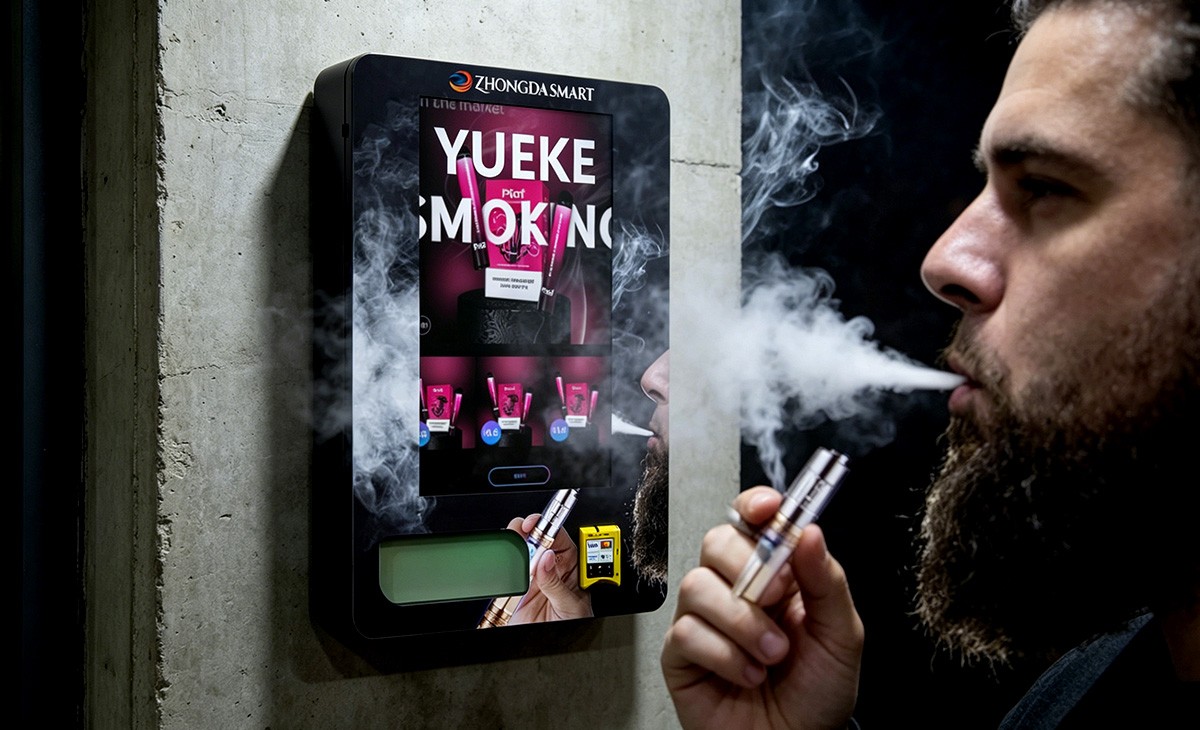
Choosing a manufacturer is only half the battle. You also need to pick the right machine type for your specific location. I’ve seen too many beginners buy a snack machine for a location that only sells drinks, or a coffee machine in a place where people want cold beverages.
Start by analyzing the foot traffic and the demographics. A hospital or school needs a machine that can handle high volume and offers a mix of healthy options and snacks. An office building might prioritize coffee and fresh sandwiches. A gym needs cold drinks and protein bars.
Machine size matters too. A large combo machine might look impressive, but if the location only has 50 daily visitors, you’ll end up throwing away expired products. I’ve learned to match the machine capacity to the expected daily sales. A good rule of thumb is to aim for a restock frequency of once per week. If you’re restocking every two days, the machine is too small. If you’re restocking every two weeks, it’s too large.
Payment Systems and Telemetry
One of the most overlooked aspects by new operators is the payment system. In 2025, a machine that only accepts cash will lose at least 30% of potential sales. According to a 2023 study by Statista, cashless payments in Spain accounted for over 60% of all point-of-sale transactions, and that number is growing. If your machine doesn’t accept cards or mobile payments, you’re leaving money on the table.
Telemetry is another feature that pays for itself within months. Remote monitoring lets you see sales data, inventory levels, and machine health from your phone. You can adjust pricing, identify slow-moving products, and get alerts when a machine is jammed or out of stock. Without telemetry, you’re driving blind.
Most modern manufacturers, including Zhongda Smart, offer telemetry as a built-in feature or as an add-on. I consider it essential for any machine that is more than a five-minute drive from your home base.
Is the Vending Machine Business Profitable in Seville?
Yes, but it’s not automatic profit. I’ve seen operators make excellent returns, and I’ve seen others lose their investment within a year. The difference usually comes down to location, product selection, and maintenance discipline.
Based on my own routes, a well-placed machine in a busy office building or a transport hub can generate between €200 and €600 per week in revenue. The gross margin on products is typically between 40% and 60%, depending on what you sell. Cold drinks have lower margins but higher volume. Snacks have better margins but slower turnover. Coffee has the highest margin, often above 70%, but requires more maintenance and higher quality ingredients.
Operating costs include restocking labor, product cost, machine maintenance, electricity, and location commission or rent. Commission rates vary, but I’ve paid anywhere from 5% to 20% of gross sales for prime locations. In Seville, some high-traffic locations like hospitals and universities charge a fixed monthly rent instead of a percentage.
Here’s a rough breakdown based on a typical snack and drink machine in a medium-traffic office location:
| Item | Monthly Estimate (€) |
|---|---|
| Gross sales | 1,200 - 1,800 |
| Product cost (40-50% margin) | 600 - 900 |
| Electricity | 30 - 60 |
| Location commission (10-15%) | 120 - 270 |
| Maintenance & repairs | 50 - 100 |
| Net profit (before labor) | 400 - 470 |
If you’re doing your own restocking, that labor is effectively free. If you hire someone, factor in €10-15 per hour. A typical restock visit takes 30-60 minutes per machine.
Return on Investment Timeline
For a new machine costing €4,000 to €7,000, the payback period is usually between 12 and 24 months in a good location. In a poor location, it can stretch to 36 months or more. I’ve had machines pay for themselves in 8 months, and I’ve had machines that never paid back because the location lost foot traffic.
The key is to test locations before committing. If possible, start with a used machine or a lease-to-own arrangement to minimize risk. Once you have proven that a location generates consistent sales, then invest in a new machine.
Common Mistakes New Operators Make
I’ve made most of these mistakes myself, so I’ll save you the trouble. The most common error is buying a machine before securing a location. You need a signed agreement or at least a verbal commitment before you spend any money. I’ve seen people buy three machines and then spend months trying to find places to put them.
Another mistake is underestimating the importance of product rotation. Stale products or expired items kill your reputation and lead to complaints. Use first-in, first-out inventory management, and check expiration dates during every restock.
Ignoring maintenance schedules is another trap. A machine that isn’t cleaned regularly will develop odor issues, especially in the heat of Seville. Compressors need cleaning, coin mechanisms need lubrication, and coffee machines need descaling. Skipping these steps leads to costly breakdowns.
Finally, many new operators set prices too low. They think lower prices will attract more customers, but in reality, vending machine customers are looking for convenience, not bargains. Price your products competitively but not cheaply. I typically price snacks 20-30% above supermarket prices, and cold drinks 50-70% above. Customers accept this because they value the convenience.
Best Locations for Vending Machines in Seville
Not all locations are equal. Based on my experience and data from the Spanish Vending Association, the best performing locations are:
- Office buildings with over 100 employees
- Hospitals and health clinics
- Universities and schools
- Transport hubs like bus stations and train stations
- Gyms and sports centers
- Industrial parks and factories
- Tourist attractions with high foot traffic
In Seville, the tourism sector is a strong opportunity. Machines near the Alcázar, the Cathedral, or the Plaza de España can do very well with cold drinks and snacks, especially during the hot months. However, you need to check local regulations for placing machines in public spaces. Some areas require permits or have restrictions on commercial activity.
I’ve also had success in residential neighborhoods with high-density apartment buildings. A small machine in a building lobby can generate steady, low-effort income. The key is to find locations with 24-hour access and good lighting.
How to Evaluate a Potential Location
Before you agree to place a machine, spend time observing the location. Count how many people pass by during peak hours. Talk to the business owner or facility manager about foot traffic patterns. Ask about any planned renovations or changes that might reduce traffic.
I use a simple formula: if the location has fewer than 100 potential customers per day, it’s probably not worth the effort. For a machine to generate €200 per week, you need about 30-40 transactions per week, assuming an average spend of €5-6. That’s only 5-6 transactions per day. But if the location is too quiet, even that becomes a challenge.
Always negotiate the commission or rent upfront. I prefer a flat monthly fee rather than a percentage of sales, because it makes my financial planning simpler. If the location insists on a percentage, I cap it at 15% of gross sales.
Maintenance and Repair: What You Need to Know
Every machine will break down eventually. The question is how quickly you can get it fixed. In Seville, I’ve found that having a reliable vending machine repair technician on speed dial is essential. Some manufacturers offer their own service contracts, but independent technicians are often cheaper and faster.
Common issues include coin jams, card reader failures, compressor problems, and coil jams. I carry a basic toolkit in my car and can fix most minor issues myself. For major repairs like compressor replacement, you need a certified technician.
Preventive maintenance is cheaper than emergency repairs. I schedule a quarterly cleaning and inspection for every machine. This includes cleaning the condenser coils, checking seals, lubricating moving parts, and testing the payment system. A well-maintained machine can last 10-15 years. A neglected one might fail in three.
According to a report by IBISWorld, the average annual maintenance cost for a vending machine is between 5% and 10% of the machine’s purchase price. For a €5,000 machine, that’s €250 to €500 per year. I’ve found this estimate to be accurate, provided you stay on top of preventive care.
How to Reduce Restocking and Maintenance Costs
Restocking is the biggest ongoing expense after product cost. The more efficient you are, the higher your profit. I group my machines into routes based on geography. A route that covers 10 machines in the same part of Seville takes half the time of a route with machines spread across the city.
Telemetry helps reduce restocking frequency. Instead of visiting a machine on a fixed schedule, I only go when the machine reports that it’s below 30% inventory. This cuts my visits by 20-30% and saves fuel and labor.
Using standardized product sizes also simplifies restocking. If every snack fits the same coil width, you spend less time adjusting shelves. I’ve standardized on a few core products and only rotate seasonal items.
For coffee machines, using a reliable supplier for beans, milk powder, and cups ensures consistent quality and fewer complaints. I’ve switched suppliers twice until I found one that delivered on time and provided consistent product. Bad coffee will kill a machine’s sales quickly.
Frequently Asked Questions
Are vending machines profitable in Seville?
Yes, they can be profitable if placed in high-traffic locations and managed well. Margins typically range from 40% to 70%, and a good machine can pay for itself within 12 to 24 months. However, profitability depends on location, product selection, and operational efficiency.
How much does a vending machine cost in Spain?
A new machine costs between €2,500 and €10,000, depending on type and features. Used machines can be found for €1,000 to €3,000, but they may require more maintenance. High-end coffee machines tend to be the most expensive.
How long does it take to break even?
In my experience, a well-placed machine breaks even in 12 to 24 months. Machines in lower-traffic locations can take 36 months or longer. I recommend a payback period of under 18 months as a target for new machines.
Should I buy or lease a vending machine?
Buying is better for long-term operators because you keep all the profit. Leasing or renting is a good option if you want to test the business without a large upfront investment. Some manufacturers offer lease-to-own programs.
Where should I place a vending machine in Seville?
Office buildings, hospitals, universities, gyms, transport hubs, and tourist areas are the best locations. Look for places with high foot traffic and limited food options nearby. Always get permission from the property owner before installing.
What permits do I need?
You need a business license from the local municipality. If the machine is in a public space, you may need a special permit. For private locations, a contract with the property owner is sufficient. Check with the Seville city council for specific requirements.
How do I choose a vending machine supplier?
Look for suppliers with local service support, good warranty terms, and machines that accept cashless payments. Ask for references from other operators in the area. A supplier who offers telemetry and remote monitoring is a plus.
What happens if the machine breaks down?
You need a repair technician or learn to do basic fixes yourself. Most manufacturers offer service contracts, but independent technicians are often faster. Keep a spare parts kit for common issues like coin jams and card reader failures.
How can I reduce restocking costs?
Use telemetry to monitor inventory levels and only restock when needed. Group machines into efficient routes. Standardize product sizes to reduce shelf adjustment time. Consider hiring a part-time restocker if your route grows beyond 10 machines.
Final Thoughts from a Decade in the Business
Operating vending machines in Seville has been a rewarding business for me, but it’s not a get-rich-quick scheme. It requires discipline, attention to detail, and a willingness to learn from mistakes. The manufacturers you choose matter, but so do your location decisions, your product mix, and your maintenance habits.
If you’re serious about entering this business, start small. Buy one machine, place it in a good location, and learn the ropes before scaling. Track every cost and every sale. Use data to make decisions. And always keep a backup plan for when things go wrong—because they will.
The vending machine industry in Spain is growing, driven by cashless payments and changing consumer habits. With the right approach, you can build a steady, profitable operation that runs alongside your other commitments. Just don’t expect it to run itself.