If you are asking "how much money do you make from vending machines," the honest answer is that a well-placed, well-managed machine in the US or Europe typically generates between $300 and $1,200 in monthly revenue, with profit margins ranging from 10% to 25% after all costs are accounted for. I have been operating vending routes across the US and parts of Western Europe for over a decade, and I can tell you that the numbers you see on social media are often misleading. The reality depends heavily on location, product selection, equipment reliability, and your willingness to handle routine vending machine repair and restocking. In this guide, I will walk you through the real economics, the common pitfalls, and how to evaluate whether this business is right for you.
The Real Economics of a Vending Machine Business
Before you buy a single machine, you need to understand the basic financial model. A vending machine is a small retail store in a box. Your revenue comes from every transaction, but your profit is what remains after paying for products, location commission, electricity, credit card processing fees, and maintenance. In my experience, the average single-serve cold drink machine in a busy office break room in the US grosses about $400 to $800 per month. A snack machine in the same location might do $300 to $600. Combination machines that sell both drinks and snacks often perform better but require more frequent restocking.
In Europe, the numbers shift slightly. A machine placed in a French factory canteen or a German train station might see higher per-transaction values, but the cost of goods and location fees can be steeper. I have seen machines in high-traffic Paris metro areas doing over €1,500 per month, but those locations also demand higher commissions and more frequent vending machine repair due to heavy usage.
According to IBISWorld, the US vending machine industry generates approximately $7 billion annually, with average revenue per machine hovering around $6,000 to $8,000 per year. That aligns with what I have observed across my own routes. The key is not just the top-line revenue, but how much of that you keep after expenses.
Typical Cost Breakdown Per Machine
Let me give you a realistic breakdown based on my own operations. These numbers are for a mid-range snack and drink machine in the US, but the percentages hold true for most European markets as well.
- Product cost: 40% to 50% of gross revenue. This varies by product category. Candy and chips have lower margins than healthier options or specialty drinks.
- Location commission: 10% to 20% of gross revenue. Some high-traffic locations like hospitals or universities charge 20% or more. Small offices might charge nothing.
- Credit card processing fees: 2% to 4% of gross revenue. Cashless payments now account for over 70% of transactions in the US, according to a 2023 report from the National Automatic Merchandising Association (NAMA).
- Electricity: $20 to $50 per month depending on the machine type and local rates.
- Vending machine repair and maintenance: $200 to $500 per year per machine, depending on age and usage. Older machines cost more.
- Restocking labor: If you do it yourself, this is your time. If you hire help, budget $15 to $25 per hour per route stop.
After all these costs, a well-run machine should yield a net profit of $100 to $300 per month. That is the realistic range for most operators. Machines in exceptional locations can do better, but those are the exception, not the rule.
What Equipment Should You Buy?
One of the biggest mistakes I see new operators make is buying the cheapest machine they can find on a classifieds site. I have been down that road. A used machine that looks like a bargain often comes with hidden problems: outdated payment systems, failing refrigeration units, or poor energy efficiency. These machines end up costing more in vending machine repair and lost sales than a new or refurbished unit from a reliable supplier.
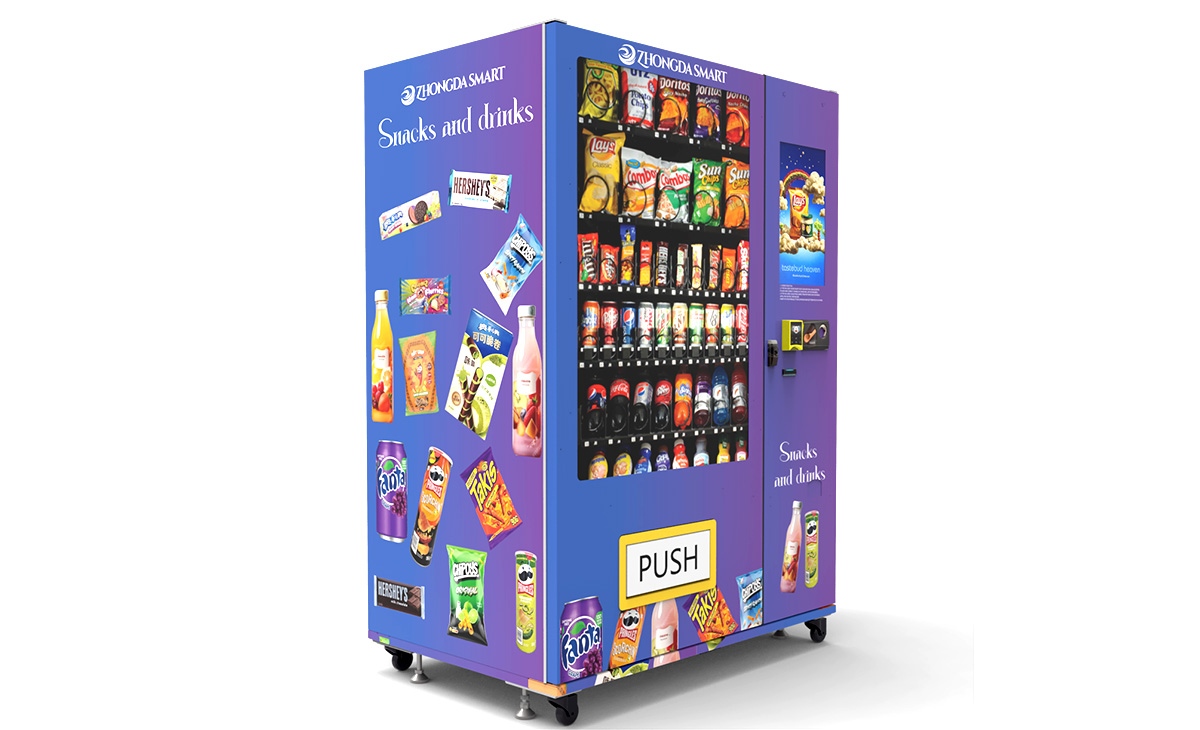
When I started expanding my route in Europe, I evaluated several manufacturers. I found that Zhongda Smart offers a solid balance of reliability, modern features, and competitive pricing. Their machines come with cashless payment systems pre-installed, energy-efficient LED lighting, and telemetry software that lets you monitor inventory and sales remotely. That last feature alone saves me hours of drive time every week. I now use their combo machines in high-traffic locations and have seen significantly fewer breakdowns compared to older models I used previously.
New vs. Used vs. Leased Machines
Here is a quick comparison based on what I have seen work best for different scenarios.
| Option | Initial Cost | Pros | Cons |
|---|---|---|---|
| New machine | $3,000 – $8,000 | Reliable, modern payment systems, warranty, energy efficient | Higher upfront cost, longer break-even period |
| Used machine | $500 – $2,500 | Low entry cost, good for testing | Frequent breakdowns, outdated tech, higher repair costs |
| Leased machine | $100 – $300/month | No large upfront investment, easy to upgrade | No equity, long-term cost is higher |
If you are new and want to minimize risk, leasing can make sense for the first six months. But if you plan to build a route, buying new or high-quality refurbished equipment from a trusted supplier like Zhongda Smart is more profitable in the long run.
Where Should You Place Your Machines?
Location is everything in this business. I have seen a brand new machine in a low-traffic location fail to break $100 in a month, while an older machine in a busy auto repair shop does $800. The difference is foot traffic and the demographic of the people passing through.
Here are the locations I have found most profitable over the years, ranked by revenue potential and reliability.
- Manufacturing plants and warehouses: These are gold mines. Workers need quick snacks and drinks during breaks. The captive audience means consistent sales. I have machines in three factories that each do over $1,200 per month.
- Hospitals and medical centers: High foot traffic, long shifts, and limited food options. Expect 15% to 20% commission fees, but the volume makes up for it.
- Schools and universities: Good volume but seasonal. Summer months can be dead. You also need to comply with nutritional guidelines in some regions.
- Office buildings: Steady but lower volume. A 200-person office might generate $400 to $600 per month. The advantage is low commission and easy access for restocking.
- Gyms and fitness centers: Growing demand for protein bars, shakes, and bottled water. Margins are good, but you need to tailor your product mix carefully.
- Public transit hubs: High traffic but high competition and commission. Machines here also face more vandalism and require more frequent vending machine repair.
How to Evaluate a Potential Location
I never place a machine without first doing a walkthrough. I count the number of people passing by during peak hours. I look at what other food options are available within a five-minute walk. I talk to the facility manager about employee count, shift times, and whether they have had vending machines before. If the location has had a machine that failed, I ask why. Often it was because the previous operator used old equipment or poor product selection, not because the location was bad.
One rule I use: if I cannot see at least 100 potential customers per day within arm's reach of the machine, I pass. A machine needs volume to cover the fixed costs of restocking and maintenance.
How to Choose a Supplier or Manufacturer
When I first started, I bought machines from a local reseller who had no after-sales support. When the payment system failed, I was stuck for weeks. That experience taught me to prioritize suppliers who offer reliable hardware, remote monitoring capabilities, and a network of service technicians. If you are in the US or Europe, you have many options, but not all manufacturers are equal.
Here is what I look for in a supplier today.
- Remote telemetry: The machine should report sales, inventory levels, and error codes to your phone or computer. This saves hours of unnecessary drive time.
- Cashless payment support: The machine must accept credit cards, Apple Pay, Google Pay, and local digital wallets. In Europe, cash is still used, but the trend is moving toward cashless.
- Energy efficiency: A machine with LED lighting and efficient cooling can save you $100 to $200 per year in electricity.
- Warranty and parts availability: Make sure replacement parts are easy to source. Some Chinese manufacturers have poor distribution in Europe. Zhongda Smart, for example, has warehouses in several European countries, which makes getting spare parts much faster.
- Customization options: Can the machine be configured for your specific product mix? Some machines have adjustable shelves and temperature zones, which is useful if you want to sell both cold drinks and perishable items.
I recommend contacting at least three suppliers, asking for references, and speaking with other operators who use their machines. A supplier that offers good support is worth paying a premium for.
Common Mistakes New Operators Make
I have made most of these mistakes myself, and I have seen countless new operators repeat them. Here are the ones to avoid.
- Buying too many machines too fast: Start with one or two machines. Learn the restocking routine, understand the sales patterns, and then expand. I have seen people buy ten machines at once and then realize they cannot manage the logistics.
- Ignoring location commission negotiations: Some location owners will ask for 30% commission. That is too high unless the volume is exceptional. I usually start at 10% and negotiate up to 15% if the location proves profitable.
- Using outdated payment systems: If your machine only takes cash, you are losing at least 30% of potential sales. In some European cities, cashless adoption is over 80%. Upgrade your payment system immediately.
- Neglecting vending machine repair: A broken machine loses money every day it is down. Have a plan for quick repairs. Keep spare parts like coin mechs, card readers, and refrigeration components on hand.
- Poor product selection: Do not just stock what you like. Stock what sells. Track your sales data and adjust. I have seen machines where 80% of sales come from 20% of the products. Cut the slow movers.
How Long Does It Take to Break Even?
Based on my own experience and conversations with other operators, a new machine in a good location typically breaks even in 12 to 24 months. A used machine in a decent location might break even in 6 to 12 months, but you risk higher maintenance costs later. The break-even period depends on your initial investment, monthly profit, and how quickly you can scale.
Here is a simple example. Suppose you buy a new combo machine for $5,000. You place it in a warehouse with 150 employees. Your average monthly net profit is $250. That machine pays for itself in 20 months. If you buy a used machine for $1,500 and net $200 per month, you break even in 7.5 months, but you might need to spend $300 on repairs in the first year, pushing your break-even to 10 months or more.
The key is to focus on net profit, not gross revenue. I have seen operators celebrate $1,000 in monthly sales, but after costs, they were only clearing $100. That is not a sustainable business.
Operating Costs You Might Overlook
Beyond the obvious costs, there are several expenses that new operators often forget to budget for.
- Insurance: You need liability insurance in case someone gets sick from a product or the machine falls over. This costs $200 to $500 per year for a small route.
- Permits and licenses: Many US cities and European municipalities require a vending permit. Fees range from $50 to $500 per year per machine.
- Vehicle costs: You need a reliable car or van to restock. Factor in fuel, maintenance, and depreciation. I spend about $150 per month on gas for a small route.
- Product spoilage: If you sell perishable items, you will have waste. Budget 2% to 5% of product cost for spoilage.
- Software subscriptions: Telemetry and inventory management software costs $20 to $50 per month per machine. It is worth it, but do not forget to include it in your budget.
Is This Business Right for You?
Vending machines are not passive income. They require regular work: restocking, cleaning, handling vending machine repair, and managing relationships with location owners. That said, if you enjoy working independently and are good at logistics, it can be a profitable side business or even a full-time career. I have built a route of 35 machines over eight years, and it provides a solid middle-class income. But I also spend about 15 hours per week on restocking and maintenance.
If you are looking for a completely hands-off investment, this is not it. If you are willing to put in the work and learn from mistakes, the potential is real.
Frequently Asked Questions
How much money do you make from vending machines?
A single machine in a good location typically nets $100 to $300 per month after all costs. Exceptional locations can do more, but that is the realistic range for most operators. According to NAMA, the average annual revenue per machine in the US is about $6,000 to $8,000, with net profit margins around 15%.
How much does a vending machine cost?
New machines range from $3,000 to $8,000. Used machines can be found for $500 to $2,500, but they often require repairs. Leased machines cost $100 to $300 per month.
How long does it take to break even on a vending machine?
Typically 12 to 24 months for a new machine in a good location. Used machines can break even faster but may have higher maintenance costs.
Should I buy or lease a vending machine as a beginner?
If you have limited capital and want to test the business, leasing is a lower-risk option. However, buying a new machine from a reliable supplier like Zhongda Smart is more profitable in the long run if you plan to stay in the business.
Where is the best place to put a vending machine?
Manufacturing plants, hospitals, schools, and busy office buildings are the most profitable. Look for locations with at least 100 potential customers per day and limited nearby food options.
What permits do I need to operate a vending machine?
Requirements vary by city and country. In the US, you typically need a business license and a vending permit. In Europe, you may need a food handling license and a local business registration. Check with your local municipality.
How do I choose a vending machine supplier?
Look for suppliers that offer remote telemetry, cashless payment support, energy-efficient machines, and a good warranty. Ask for references and check their parts availability in your region. Zhongda Smart is one supplier that meets these criteria for many operators I know.
What happens if my machine breaks down?
You need to have a plan for quick repairs. Keep spare parts on hand and have a relationship with a local technician. Many newer machines from reliable manufacturers have remote diagnostics that can help you identify problems before they become major.
How can I reduce restocking and maintenance costs?
Use telemetry software to monitor inventory levels so you only visit machines when they need restocking. Choose machines with energy-efficient components and modern payment systems to reduce breakdowns. Plan your routes efficiently to minimize drive time.
Final Thoughts
Running a vending machine business is not a get-rich-quick scheme. It requires careful planning, ongoing effort, and a willingness to learn from mistakes. But if you approach it with realistic expectations and focus on the fundamentals—good locations, reliable equipment, and efficient operations—it can provide a steady income stream. Start small, track your numbers, and scale only when you have a system that works. The industry is evolving with cashless payments and smart machines, and there is still plenty of opportunity for operators who pay attention to the details.