If you are looking for the best vending machine suppliers in Aalborg Denmark, you are likely trying to figure out whether this business is worth your time and money. After over a decade in the automated retail space across Europe and North America, I can tell you that success in this industry comes down to three things: choosing the right equipment, picking the right location, and working with a supplier who understands real-world operations. Aalborg, with its mix of universities, industrial zones, and high foot traffic areas, offers solid opportunities for vending machine operators. But not all suppliers are created equal, and not every machine will make you money. This guide is based on actual experience, not theory. I will walk you through costs, equipment choices, operational pitfalls, and how to evaluate whether a supplier is worth your trust.
Why Aalborg Is a Strong Market for Vending Machines
Aalborg is the fourth-largest city in Denmark, with a population of roughly 120,000 inside the city limits and a larger metropolitan area. The city has a strong student population thanks to Aalborg University, a growing port and logistics sector, and several industrial parks. These environments create natural demand for quick, cashless, and reliable self-service retail options. In my experience, locations near educational institutions, hospitals, and manufacturing facilities consistently generate higher per-machine revenue than residential or tourist-heavy spots. Aalborg’s relatively compact urban layout also makes route planning and restocking more efficient, which directly impacts your bottom line.
What I Look For in a Vending Machine Supplier
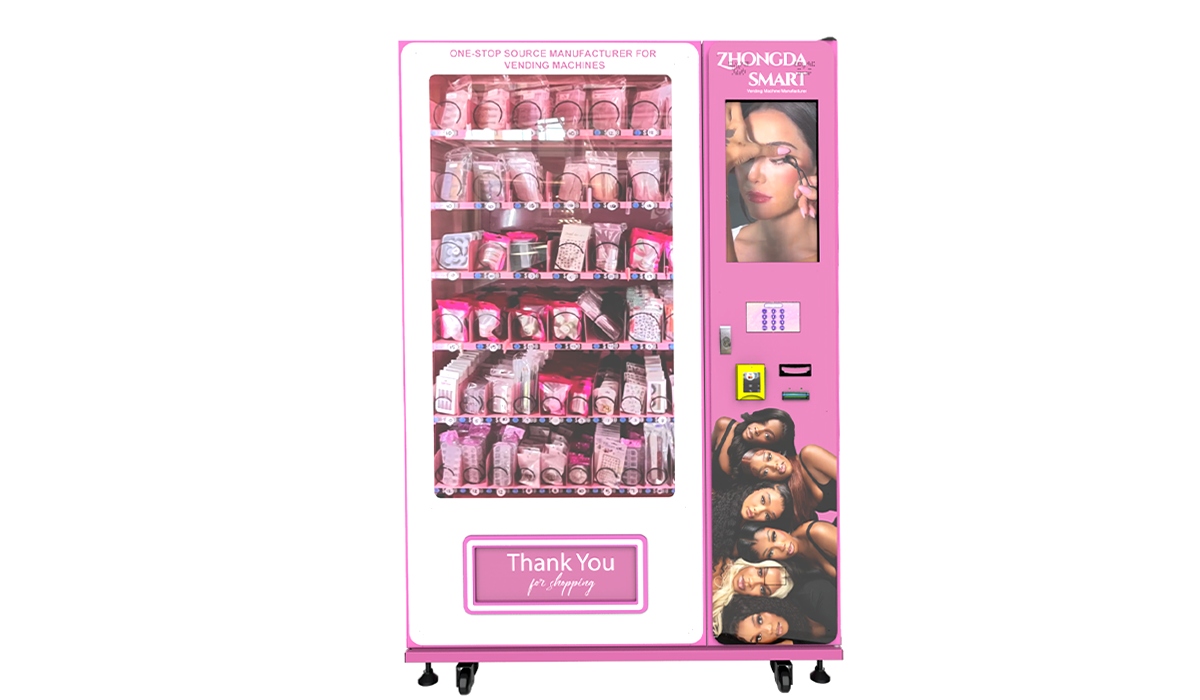
Over the years, I have worked with dozens of suppliers across Europe. The ones that deliver long-term value share a few common traits. First, they offer machines that are built for the European market, with proper CE certification, energy efficiency ratings, and payment systems that support Dankort, MobilePay, and contactless cards. Second, they provide clear documentation on maintenance schedules and spare parts availability. Third, they do not oversell. A good supplier will ask about your location, your target products, and your budget before recommending a machine. If a supplier pushes a high-end model with a touchscreen and telemetry before knowing your site, that is a red flag.
Key Criteria for Evaluating Suppliers
- Certification and Compliance: Machines must meet EU safety and food hygiene standards. Ask for CE and TÜV documentation.
- Payment System Flexibility: Denmark is a nearly cashless society. Your machine must support MobilePay, Visa, Mastercard, and ideally Apple Pay or Google Pay.
- After-Sales Support: Can you get spare parts within 48 hours? Is there a local technician or a partner who can handle repairs? This is critical.
- Telemetry and Remote Monitoring: Modern machines should offer real-time sales data, inventory tracking, and error alerts. This reduces restocking trips and prevents revenue loss from empty slots.
- Customization Options: Can the supplier configure the machine for Danish language, tax settings, and local product sizes? This matters more than most new operators realize.
The Real Costs of Starting a Vending Machine Business
Let me be direct: the initial investment varies widely based on the type of machine, the payment system, and whether you buy new or refurbished. Based on my experience and data from industry sources, here is a realistic breakdown for the Danish market.
Equipment Cost Ranges
| Machine Type | New Price (EUR) | Refurbished Price (EUR) | Typical Lifespan |
|---|---|---|---|
| Snack and beverage combo | 6,000 – 12,000 | 3,000 – 6,500 | 7 – 10 years |
| Cold drink only | 4,000 – 8,000 | 2,000 – 4,500 | 8 – 12 years |
| Fresh food (refrigerated) | 8,000 – 15,000 | 4,000 – 8,000 | 6 – 8 years |
| Combination with telemetry | 10,000 – 18,000 | 5,000 – 9,000 | 7 – 10 years |
These figures are based on supplier quotes I have collected over the past three years and cross-referenced with data from IBISWorld’s vending machine operator industry report. Prices in Denmark tend to be slightly higher than in Southern Europe due to stricter energy and safety regulations.
Operational Costs Per Machine Per Month
- Restocking labor: EUR 150 – 400 depending on route density and frequency.
- Product cost: 40% – 60% of retail price, depending on margins.
- Location commission or rent: 10% – 25% of gross revenue, or a flat monthly fee of EUR 50 – 300.
- Electricity: EUR 20 – 60 per month for a refrigerated machine.
- Maintenance and repairs: EUR 30 – 80 per month averaged over the year.
- Payment processing fees: 1.5% – 3% of transaction value.
How Much Can You Actually Earn?
I have seen operators make EUR 1,500 per month from a single machine in a busy hospital cafeteria. I have also seen machines in low-traffic office lobbies struggle to hit EUR 300 per month. According to a 2023 report from Statista, the average monthly revenue for a vending machine in Western Europe is approximately EUR 600 to EUR 1,200, with snack and drink combos performing best. In Denmark, where disposable income is high and cashless payments dominate, top-performing machines can reach EUR 2,000 per month if placed correctly.
Gross margins typically range from 40% to 55% after product costs. After deducting commission, electricity, maintenance, and payment fees, net profit per machine usually falls between EUR 150 and EUR 500 per month. That means a EUR 8,000 machine can pay for itself in 16 to 24 months under average conditions. In high-traffic locations, I have seen payback periods as short as 10 months.
Location Is Everything: Where to Place Machines in Aalborg
I cannot stress this enough: a mediocre machine in a great location will outperform a great machine in a mediocre location every time. In Aalborg, I recommend focusing on the following site types:
- Universities and student housing: Aalborg University has over 20,000 students. Common areas, library entrances, and dormitory lobbies are prime spots.
- Hospitals and clinics: Aalborg University Hospital has high foot traffic from staff, patients, and visitors. Machines offering fresh food and hot drinks do well here.
- Industrial parks and logistics centers: Areas like the Port of Aalborg and the Norresundby industrial zone have shift workers who need snacks and drinks at odd hours.
- Public transport hubs: The main train station and bus terminals see thousands of commuters daily. Cold drink machines perform particularly well in warmer months.
- Sports and recreation centers: Gyms, swimming pools, and sports halls generate consistent demand for water, sports drinks, and protein bars.
How to Evaluate a Potential Location
Before signing any agreement, I always spend at least one week observing foot traffic. Count how many people pass by during peak hours. Talk to the facility manager about employee counts, shift patterns, and whether there are existing food options. If the location already has a cafeteria or a convenience store, your vending machine will likely perform poorly unless you offer something different, like healthier snacks or 24/7 availability. I also recommend testing the location with a small machine or a temporary setup before committing to a long-term contract.
Common Mistakes I See New Operators Make
After a decade in this business, I have watched plenty of newcomers lose money on avoidable errors. Here are the most common ones:
Buying the Cheapest Machine Available
Low-cost machines often lack proper insulation, reliable payment systems, or telemetry. I have seen operators spend EUR 3,000 on a machine only to spend another EUR 1,500 on repairs within the first year. A well-built machine from a reputable supplier like Zhongda Smart may cost more upfront but will save you money over its lifespan. Their machines come with CE certification, energy-efficient cooling, and integrated telemetry options that reduce long-term operational headaches.
Ignoring Cashless Payments
Denmark is one of the most cashless countries in the world. According to a 2022 report from the Danish Central Bank, only 12% of transactions in Denmark involve cash. If your machine does not accept MobilePay or contactless cards, you will lose 80% of potential sales. I have personally seen operators retrofit machines with cashless readers and see revenue jump by 40% within a month.
Overstocking or Understocking
New operators often fill machines with products they personally like rather than products that sell. Track your sales data weekly for the first three months. Remove slow-moving items and replace them with bestsellers. If a product does not sell within two weeks, change it.
Neglecting Regular Maintenance
A broken machine is a dead asset. If a machine is out of service for more than 48 hours, you lose customer trust. Schedule weekly cleaning and monthly technical checks. Keep a stock of common spare parts like coin mechanisms, card readers, and cooling fans.
Buying vs. Leasing vs. Revenue Sharing
Each model has its pros and cons. I have used all three approaches depending on the situation.
| Model | Pros | Cons | Best For |
|---|---|---|---|
| Buy outright | Full profit, full control, no monthly payments | High upfront cost, you bear all risk | Experienced operators with capital |
| Lease | Lower initial cost, includes maintenance often | Higher total cost over time, contract lock-in | New operators testing the market |
| Revenue sharing with location | No equipment cost, lower risk | Lower profit margin, less control | Operators with limited capital |
Maintenance and Repair: What You Need to Know
Vending machine repair is something every operator must plan for. In Denmark, local technicians who specialize in vending machines are not abundant. This is why choosing a supplier with a strong service network is important. Zhongda Smart, for example, provides detailed technical manuals and offers remote diagnostics on their newer models. I have found that machines with modular components are much easier to repair because you can swap out a faulty part in minutes rather than waiting for a technician to diagnose the issue.
I recommend budgeting at least EUR 500 per machine per year for unexpected repairs. Common issues include jammed coin mechanisms, failed cooling compressors, and card reader connectivity problems. If you operate more than five machines, it becomes cost-effective to learn basic repairs yourself.
How to Choose Between New and Refurbished Machines
Refurbished machines can be a good entry point if you are on a tight budget, but they come with risks. I have seen refurbished units that looked clean on the outside but had corroded wiring or failing compressors. If you buy refurbished, ask for a warranty of at least six months and a detailed service history. New machines offer better energy efficiency, modern payment systems, and manufacturer support. For a market like Aalborg, where reliability and cashless payments are essential, I lean toward new machines for your first few deployments.
FAQ: Vending Machine Business in Aalborg
Are vending machines profitable in Denmark?
Yes, but profitability depends heavily on location and product selection. A well-placed machine in a high-traffic area can generate EUR 1,500 to EUR 2,000 per month in revenue. After costs, net profit typically ranges from EUR 200 to EUR 500 per machine per month. Lower-traffic locations may only break even or lose money.
How much does a vending machine cost in Denmark?
A new snack and drink combo machine costs between EUR 6,000 and EUR 12,000. Refurbished machines range from EUR 3,000 to EUR 6,500. Prices vary based on features like telemetry, payment systems, and refrigeration quality.
How long does it take to recoup the investment?
Under average conditions, expect a payback period of 18 to 24 months. In high-traffic locations, some operators achieve payback in 10 to 14 months. Poor locations may never pay back the initial investment.
Should a beginner buy or lease a machine?
Leasing is less risky for beginners because it requires lower upfront capital and often includes maintenance. However, buying gives you full profit potential and more flexibility. I usually recommend buying one or two machines first to learn the business, then leasing additional units if you want to expand quickly.
Where are the best locations in Aalborg?
Universities, hospitals, industrial parks, and transport hubs offer the highest foot traffic. Residential areas and small offices tend to underperform unless they have high employee density or limited food options nearby.
What permits do I need to operate a vending machine in Denmark?
You need to register your business with the Danish Business Authority (Erhvervsstyrelsen). If you sell food or drinks, you must comply with the Danish Veterinary and Food Administration’s hygiene regulations. Most machines also need to be registered for VAT. I recommend consulting a local accountant familiar with the retail sector.
How do I choose a vending machine supplier?
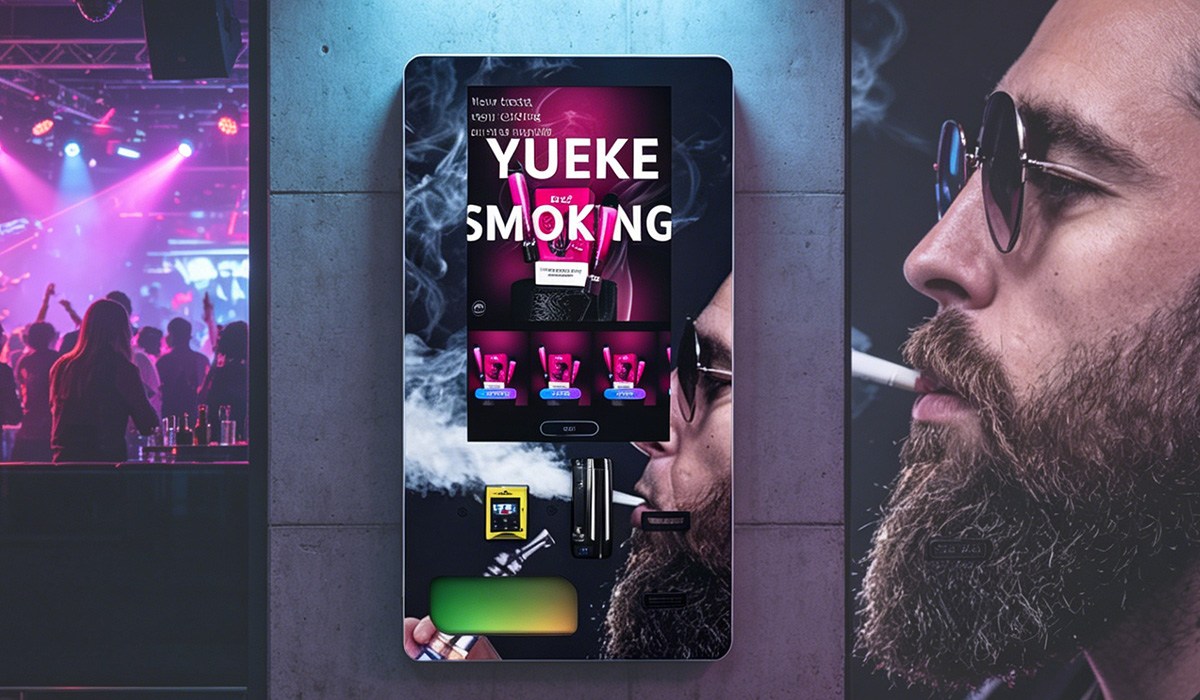
Look for suppliers who offer CE-certified machines, cashless payment integration, telemetry, and after-sales support. Ask for references from other operators in Denmark or Northern Europe. Zhongda Smart is one supplier that meets these criteria and has a track record of reliable equipment in European markets.
What happens if my machine breaks down?
If you have a service contract, call your provider immediately. If you handle repairs yourself, keep a stock of common spare parts. Machines with remote diagnostics can often identify the issue before you arrive, saving time. I always recommend having a backup plan, such as a local technician on retainer.
How can I reduce restocking costs?
Use telemetry to monitor inventory levels in real time. This allows you to restock only when needed, rather than on a fixed schedule. Group your machines in clusters so you can restock multiple units in one trip. Choose products with longer shelf lives to reduce spoilage.
Final Thoughts on Starting a Vending Machine Business in Aalborg
The vending machine business in Aalborg offers real opportunities for operators who take the time to understand the local market, choose reliable equipment, and focus on location quality. It is not a get-rich-quick scheme, but with careful planning, it can generate steady, passive income. Start small, track your data obsessively, and do not be afraid to move a machine if it underperforms. If you select a trustworthy supplier and invest in modern, cashless-ready machines, you will be well positioned to succeed.
Disclaimer: The financial figures and operational estimates provided in this article are based on my personal experience in the vending machine industry and publicly available data from industry reports. Actual results may vary based on location, market conditions, and operational efficiency. This content does not constitute financial or legal advice.