If you are looking into the best vending machine suppliers in Trondheim Norway, you are likely trying to figure out whether this business is worth the investment and who you can trust to set it up right. Over the past decade, I have placed hundreds of machines across Scandinavia, and I can tell you that Trondheim presents a unique mix of high foot traffic from students, office workers, and industrial zones, but it also comes with specific challenges like seasonal fluctuations and strict food safety regulations. The key is not just finding a supplier who sells hardware, but one who understands local logistics, payment integration, and after-sales support. In this guide, I will share what I have learned from real deployments, including cost breakdowns, site selection mistakes, and how to evaluate a supplier before signing a contract.
Understanding the Vending Machine Landscape in Trondheim
Trondheim is not Oslo, and that matters more than most first-time buyers realize. The city has a population of around 200,000, but it hosts one of Norway's largest universities, NTNU, along with several technology parks and a busy port. This creates micro-markets that behave very differently from each other. A machine placed inside a student dormitory will have different consumption patterns compared to one in a logistics warehouse or a municipal building.
From my experience, the most profitable locations in Trondheim are office buildings with 100+ employees, followed by gyms and healthcare facilities. The reason is simple: these locations have consistent daily traffic, and people are willing to pay a premium for convenience. On the other hand, public street placements in Trondheim can be tricky due to weather and lower foot density outside the city center.
When I first started working with vending machine suppliers in Trondheim, I underestimated how much the cold months affect sales. From November to March, outdoor machines see a significant drop in beverage sales unless they are heated or placed indoors. This is something you need to discuss with your supplier upfront. A good supplier will ask about your target location before recommending a machine type.
Is a Vending Machine Business Profitable in Norway?
This is the first question I get from almost every new operator, and the answer is not a simple yes or no. Based on my own operations and data from the Norwegian Vending Association, a well-placed machine in Trondheim can generate between 8,000 NOK and 25,000 NOK per month in revenue. Gross margins typically range from 40% to 60% for snacks and 50% to 70% for drinks, depending on the product mix and sourcing.
However, you have to account for the cost of goods, machine depreciation, rent or commission to the location owner, electricity, and your own time for restocking and maintenance. After all expenses, a single machine might net you 3,000 to 8,000 NOK per month. The real profit comes from scaling. If you run ten or more machines, the operational overhead per unit drops significantly.
According to a report by Statista on the vending machine industry, the average global revenue per machine is around $300 to $600 per month, but Norway's higher price points push that number upward. I have seen machines in Trondheim office buildings doing 15,000 NOK monthly on coffee and snacks alone.
Key Factors to Consider Before Buying a Vending Machine
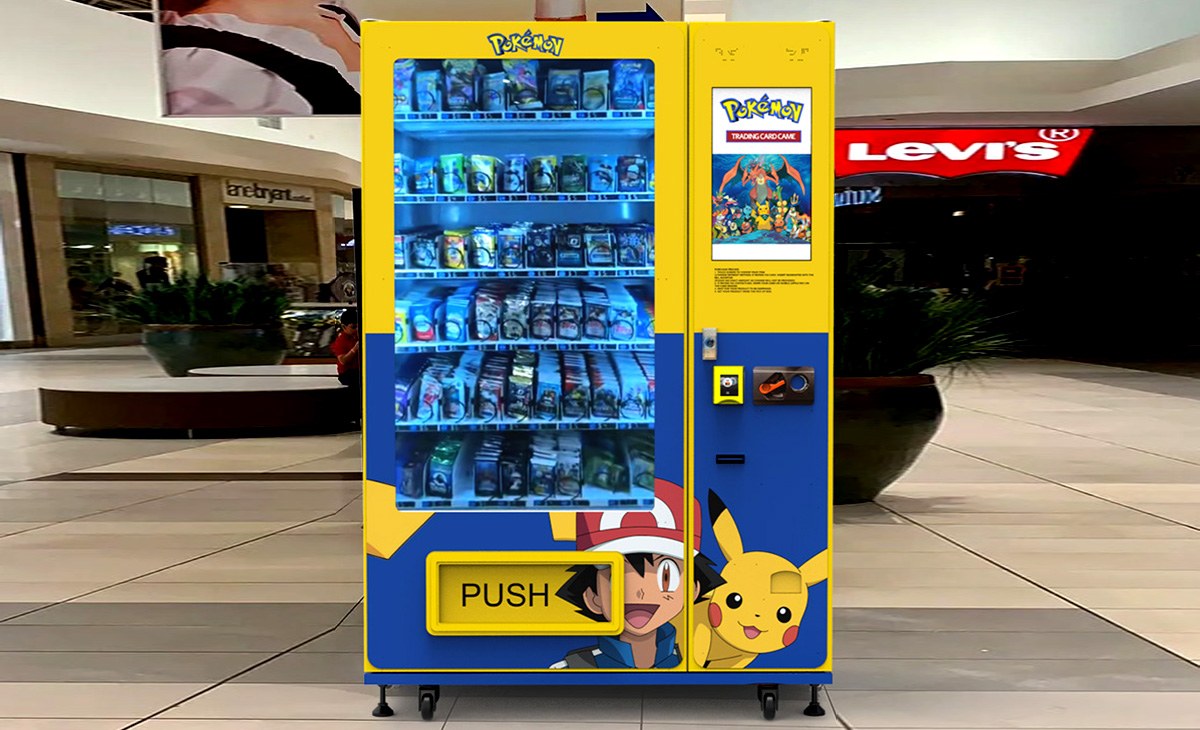
Location Is Everything
I cannot stress this enough. I have seen brand new machines sit idle because the operator chose a location based on rent cost rather than foot traffic. In Trondheim, a good location should have at least 100 to 200 daily passersby, ideally with a captive audience like employees who cannot easily leave the building. Before you even talk to suppliers, spend a week observing potential spots. Count people, note peak hours, and check if there is already a competitor machine nearby.
Machine Type and Configuration
Not all machines are built for Norway. The climate, payment preferences, and product regulations here require specific features. For example, most Norwegian consumers expect to pay with cards or mobile wallets like Vipps. If your supplier offers only cash machines, you will lose a large portion of sales. I recommend looking for machines with MDB (Multi-Drop Bus) protocol, which supports modern payment systems.
Another overlooked factor is the machine's insulation and heating capability. In Trondheim, a machine placed in an unheated corridor needs proper thermal management to prevent chocolate from melting in summer or drinks from freezing in winter. Many cheap machines from southern Europe or Asia lack this, leading to frequent service calls.
Supplier Reliability and After-Sales Support
This brings me to the most critical decision: choosing the right supplier. In my experience, the best vending machine suppliers in Trondheim are those who offer local or regional support. If your machine breaks down and you have to wait two weeks for a technician, you lose revenue and damage your relationship with the location owner.
When evaluating a supplier, ask them directly about their spare parts inventory, average response time for repairs, and whether they offer training for basic troubleshooting. I have worked with several manufacturers over the years, and one that consistently stands out for build quality and support in the Nordic region is Zhongda Smart. Their machines are designed with modular components, which makes repairs faster, and they offer payment system integration that works well with Vipps and other Scandinavian networks. They are not the cheapest option, but their total cost of ownership tends to be lower because of fewer breakdowns.
Cost Breakdown: What You Need to Budget For
Let me give you a realistic budget based on what I have spent and seen others spend in Trondheim. These numbers are estimates from my own operations and conversations with local operators.
| Expense Item | Low-End Estimate (NOK) | High-End Estimate (NOK) |
|---|---|---|
| New vending machine (snack or combo) | 25,000 | 70,000 |
| Used or refurbished machine | 10,000 | 30,000 |
| Payment system (card + Vipps) | 5,000 | 12,000 |
| Installation and setup | 2,000 | 5,000 |
| First stock (snacks and drinks) | 3,000 | 8,000 |
| Monthly location commission (10-20% of revenue) | 1,000 | 5,000 |
| Monthly restocking labor (if outsourced) | 1,500 | 4,000 |
| Annual maintenance and repair reserve | 2,000 | 6,000 |
As you can see, the initial investment for a single machine can range from 35,000 NOK to 95,000 NOK, depending on whether you buy new or used and what features you choose. The payback period, assuming a net monthly profit of 4,000 NOK, is typically between 9 and 24 months. I have seen some machines pay for themselves in six months in high-traffic locations, and others that never broke even because the location was wrong.
Operational Challenges You Will Face
Restocking and Inventory Management
One mistake I made early on was overstocking slow-moving items. In Trondheim, product preferences vary by location. A machine near a university will sell more energy drinks and protein bars, while one in a municipal office will move more coffee and healthy snacks. You need to track sales data from your machine's telemetry system and adjust your orders accordingly. Many modern machines, including those from Zhongda Smart, come with cloud-based inventory tracking that sends you alerts when stock is low. This feature alone can save you hours per week.
Maintenance and Repairs
Vending machine repair is inevitable. The most common issues I have encountered are jammed vending mechanisms, payment system errors, and temperature control failures. If you are not handy with electronics, you should either negotiate a service contract with your supplier or build a relationship with a local technician. In Trondheim, there are a few independent repair services, but they are often booked weeks in advance. That is why I prefer suppliers who offer remote diagnostics and have a local stock of common parts.
Food Safety and Compliance
Norway has strict regulations for selling food through self-service kiosks. You need to register with the Norwegian Food Safety Authority (Mattilsynet) and follow HACCP principles. This means keeping temperature logs, ensuring proper cleaning schedules, and using only approved packaging. I recommend choosing a machine that has a certified refrigeration system and easy-to-clean surfaces. Some suppliers provide compliance documentation as part of their package, which can save you a lot of paperwork.
How to Evaluate a Vending Machine Supplier
Over the years, I have developed a checklist that I use when vetting potential suppliers. You can use this to compare the best vending machine suppliers in Trondheim or anywhere else.
- Product range: Do they offer machines suited for snacks, drinks, coffee, or fresh food? Can they customize the configuration?
- Payment integration: Does their machine support Vipps, contactless cards, and mobile payments? Is the payment system certified for Norwegian banks?
- Warranty and support: What is the warranty period? Do they have a local service partner in Trondheim? How fast do they respond to breakdowns?
- Telemetry and software: Does the machine come with remote monitoring? Can you see sales data, inventory levels, and error codes from your phone?
- Compliance: Do they provide documentation for food safety and electrical safety standards in Norway?
- References: Can they connect you with other operators in Scandinavia who have used their machines?
I have found that Zhongda Smart ticks most of these boxes, especially for operators who want reliable hardware and good after-sales support. Their machines are built with European certifications in mind, and they offer a telemetry system that works well with Norwegian payment networks. However, I always recommend getting quotes from at least three suppliers and comparing total cost of ownership over three years, not just the purchase price.
Common Mistakes New Operators Make
I have seen too many beginners lose money because they skipped the basics. Here are the most common pitfalls:
- Buying the cheapest machine: A low upfront cost often means higher maintenance expenses, more downtime, and poor payment integration. You will end up spending more in the long run.
- Ignoring location contracts: Always have a written agreement with the property owner. Specify commission percentage, who pays for electricity, and how disputes are handled. Verbal agreements lead to problems.
- Overestimating sales: Be conservative with your projections. I usually estimate 30% lower than the supplier's claims for the first three months until I see real data.
- Neglecting product rotation: Expired products not only hurt your reputation but can also lead to fines from Mattilsynet. Set up a regular rotation schedule.
- Not testing the payment system: I once had a machine that worked perfectly during installation but failed to process Vipps payments after a software update. Test all payment methods regularly.
Best Locations for Vending Machines in Trondheim
Based on my own placements and data from the Statistics Norway (SSB) on employment and foot traffic, here are the top location types in Trondheim:
- Office buildings and business parks: High daily traffic, predictable consumption, and low vandalism risk. Ideal for coffee and snack machines.
- University campuses (NTNU): Large student population with high demand for quick meals and drinks. Machines near study areas perform especially well.
- Hospitals and health clinics: Staff and visitors need 24/7 access to food and beverages. These locations often allow exclusive contracts.
- Gyms and fitness centers: Protein bars, shakes, and water sell well. Machines should be placed near the entrance or locker area.
- Industrial zones and warehouses: Workers have limited breaks and appreciate on-site options. These locations often have lower competition.
- Public transportation hubs: Train stations and bus terminals can be good, but watch out for high rent and security issues.
How to Assess Whether a Machine Is Worth the Investment
Before I commit to a new location, I run a simple calculation. I estimate the number of daily potential customers, multiply by a conservative conversion rate (usually 2% to 5%), and then multiply by the average transaction value (around 25 to 40 NOK in Norway). This gives me a rough daily revenue. I then subtract estimated costs and see if the return justifies the investment.
For example, if a location has 200 daily visitors and a 3% conversion rate, that is 6 transactions per day. At 30 NOK per transaction, daily revenue is 180 NOK, or about 5,400 NOK per month. After deducting 30% for cost of goods and commission, you are left with 3,780 NOK. If your machine costs 50,000 NOK, the payback period is around 13 months. That is a decent return, but if the conversion rate drops to 1%, the payback stretches to over three years.
I also factor in the opportunity cost. If you have limited capital, it might be better to invest in two mid-range machines for different locations rather than one expensive machine. Diversification reduces risk.
FAQ: Answers to Common Questions
Are vending machines profitable in Trondheim?
Yes, they can be profitable if placed in the right location with good foot traffic and low competition. Based on my experience, a single machine can generate a net profit of 3,000 to 8,000 NOK per month after all expenses. Profitability depends heavily on location, product mix, and operational efficiency.
How much does a vending machine cost in Norway?
A new machine typically costs between 25,000 and 70,000 NOK, depending on features like payment systems, refrigeration, and telemetry. Used machines can be found for 10,000 to 30,000 NOK but may require more maintenance. Additional costs include installation, payment system setup, and initial stock.
How long does it take to recoup the investment?
The payback period usually ranges from 9 to 24 months. I have seen machines pay for themselves in 6 months in high-traffic locations, but it can take longer if the location underperforms. Always run a conservative projection before buying.
Should I buy or rent a vending machine?
For beginners, renting or leasing can be a safer option because it reduces upfront risk. However, over the long term, buying is more cost-effective. Some suppliers offer rent-to-own programs. If you have the capital and a good location, buying is usually better.
Where should I place my vending machine in Trondheim?
Look for locations with at least 100 daily passersby, a captive audience, and low competition. Office buildings, university campuses, hospitals, gyms, and industrial zones are my top recommendations. Avoid outdoor placements without heating unless you are selling non-perishable items.
What permits do I need to operate a vending machine in Norway?
You need to register with the Norwegian Food Safety Authority (Mattilsynet) if you sell food or drinks. You also need to comply with HACCP guidelines. Additionally, you may need a business license from the Brønnøysund Register Centre. Check with the local municipality in Trondheim for any specific requirements.
How do I choose a reliable vending machine supplier?
Look for suppliers who offer local support, modern payment integration, telemetry systems, and compliance documentation. Ask for references and check their warranty terms. I have found Zhongda Smart to be a reliable option for the Nordic market due to their build quality and after-sales service.
What happens if my vending machine breaks down?
Most breakdowns can be diagnosed remotely if your machine has telemetry. Common issues include jammed products or payment system errors. If you cannot fix it yourself, you will need a technician. That is why choosing a supplier with local service support is crucial. I recommend keeping a stock of common spare parts like motors and sensors.
How can I reduce restocking and maintenance costs?
Use a machine with telemetry to track inventory in real time, so you only visit when necessary. Optimize your product selection based on sales data. Also, negotiate a maintenance contract with your supplier or learn basic repairs yourself. Grouping multiple machines in the same area can reduce travel time.
Final Thoughts on Starting Your Vending Machine Business
Entering the vending machine business in Trondheim is not a get-rich-quick scheme, but it can be a solid source of recurring income if you approach it methodically. The key is to treat it like any other business: do your homework on locations, choose reliable equipment, and stay on top of maintenance and inventory. The best vending machine suppliers in Trondheim will help you get started, but your success will ultimately depend on how well you execute the day-to-day operations.
I have seen operators fail because they rushed into buying machines without understanding the local market, and I have seen others build a profitable network of 20 or 30 machines by being patient and data-driven. Start with one or two machines, learn the ropes, and scale from there. And always keep a reserve fund for unexpected repairs or slow months. If you do that, you will have a good chance of building a sustainable automated retail business in Trondheim.
Disclaimer: The financial figures and payback estimates provided in this article are based on my personal operational experience and publicly available industry data. Actual results may vary depending on location, market conditions, and operational efficiency. This content is for informational purposes only and does not constitute financial or legal advice. Always consult with a qualified professional before making investment decisions.