If you are looking for practical, real-world ways to get drinks from a vending machine without paying, let me be clear from the start: I have spent over a decade in the automated retail business, and I can tell you that the old tricks—like tilting the machine, using a coin on a string, or hitting the side panel—stopped working years ago. Modern machines use electronic sensors, anti-theft software, and tamper-proof coin mechanisms. However, there are still legitimate ways to get free drinks from a vending machine, and they all involve understanding how the industry actually works. Whether you are a curious consumer or someone thinking about entering the vending machine business, this guide will show you the legal methods, the common myths, and the real economics behind the machine.
Why most "free drink" tricks no longer work
The days of shaking a vending machine to get a free soda are long gone. Most modern machines—especially those from established manufacturers like Crane, Dixie-Narco, or Zhongda Smart—use advanced anti-theft technology. These machines have tilt sensors that trigger an alarm if the machine is moved. The coin mechanisms are equipped with electronic validation that rejects anything that isn't a legitimate coin or bill. Even the old "paper trick" where you slide a piece of cardboard down the coin slot has been rendered useless by modern bill validators that scan for magnetic ink and paper quality.
I have seen countless people try these methods over the years, and the result is almost always the same: the machine locks up, the transaction is voided, and you end up with nothing. Worse, some machines now have cameras and can report tampering directly to the operator. So if you are looking for a free drink, your best bet is to understand the system, not fight it.
Legitimate ways to get free drinks from a vending machine
1. Use manufacturer coupons and loyalty programs
Many vending machine operators, especially those running machines in offices, schools, and hospitals, participate in manufacturer coupon programs. Companies like Coca-Cola, PepsiCo, and Nestlé regularly issue coupons that can be redeemed for free products. These coupons are often distributed through loyalty apps, email newsletters, or physical mailers. If you find a machine that accepts coupons—look for a slot or a barcode scanner—you can get a free drink without any trickery.
Some operators also run their own loyalty programs. For example, a machine in a busy office building might have a digital screen that lets you scan a QR code to earn points. After a certain number of purchases, you get a free drink. This is a legitimate, operator-approved way to get free drinks, and it helps the operator build customer loyalty.
2. Report a malfunction and get a refund or replacement
If a vending machine takes your money but does not dispense the product, you are entitled to a refund. Most machines now have a customer service number or a QR code on the front panel. Call or text the number, provide the machine ID (usually printed on the front), and explain what happened. Most operators will either refund your money or send a free drink voucher. I have seen operators go a step further: if you report a machine that is out of order, they might give you a free drink as a goodwill gesture. This is not "getting something for nothing"—it is a legitimate service recovery process.
3. Use a "free vend" code from the operator
Some operators, particularly those who manage machines in private locations like warehouses, factories, or employee break rooms, give out free vend codes to employees. These codes can be entered on the machine's keypad to dispense a free drink. If you work in a place with a vending machine, ask your manager or the facilities team if they have any free vend codes available. Often, operators provide these codes as part of a promotional campaign or to encourage employees to use the machine during slow hours.
4. Take advantage of "happy hour" or promotional periods
Some modern smart vending machines can be programmed to offer discounts or free products during certain times of the day. For example, a machine in a college dorm might offer a free drink between 2 PM and 4 PM on Fridays to clear out inventory before the weekend. These promotions are usually advertised on the machine's screen or through a mobile app. If you know the schedule, you can show up during that window and get a free drink.
The real cost of "free" drinks: what operators know
From an operator's perspective, giving away a free drink is sometimes cheaper than dealing with a broken machine or a dissatisfied customer. I have personally authorized free vends in situations where a machine was low on inventory, or when a product was about to expire. In those cases, the cost of the drink (usually between $0.30 and $0.80 wholesale) is far less than the cost of a service call or the loss of a repeat customer. So if you are polite and a regular user, you might get a free drink just by asking.
However, do not expect this to work at every machine. Operators who run high-traffic locations—like airports, train stations, or shopping malls—rarely give away free products because their margins are thin and their volume is high. In those locations, every drink sold counts.
How vending machine operators make money (and why free drinks are rare)
To understand why getting free drinks is difficult, you need to understand the economics. According to IBISWorld, the vending machine industry in the United States generated over $7.5 billion in revenue in 2023. The average profit margin on a single drink is around 40% to 50%, but that margin shrinks once you account for machine depreciation, electricity, rent, and labor. A typical machine costs between $3,000 and $10,000, and the average operator runs 30 to 50 machines. The break-even point is usually 12 to 18 months, depending on location and product mix.
When you factor in the cost of a free drink—let's say $0.50 wholesale—the operator loses that margin plus the opportunity cost of not selling that drink to someone else. In a high-volume location, that adds up quickly. So while operators are not opposed to giving away a drink occasionally, they cannot afford to do it regularly.
What to do if you see a vending machine that looks broken or empty
If you come across a machine that is clearly malfunctioning—like a product stuck in the spiral or a machine that is completely out of stock—do not try to force the machine. Instead, take a photo of the machine ID and the issue, and contact the operator. Many operators have a policy of sending a free drink voucher to anyone who reports a problem. I have done this myself: I once had a customer report a machine that was dispensing two drinks instead of one. I thanked them, sent them a free drink code, and fixed the machine the same day. It cost me less than a dollar, and I kept a loyal customer.
Common myths about getting free drinks from a vending machine
Myth 1: Shaking the machine works
This is the most persistent myth. In reality, shaking a modern vending machine triggers the tilt sensor, which locks the machine and often voids the transaction. You will not get a free drink; you will just annoy the operator and possibly damage the machine.
Myth 2: Using a foreign coin works
Some people think that inserting a coin from another country will trick the machine. Modern coin validators measure diameter, weight, and magnetic properties. A foreign coin will either be rejected or jam the mechanism. If it jams, the machine will stop accepting coins until a technician clears it.
Myth 3: Hitting the machine with a specific pattern works
There is no secret pattern of hits that will make a machine dispense a free drink. The machine's computer controls the vend cycle, and it will not release a product unless it receives a valid payment signal. Hitting the machine is more likely to break the product or damage the machine than to get you a free drink.
How to evaluate a vending machine location (from an operator's perspective)
If you are thinking about getting into the vending machine business, the most important factor is location. I have seen operators put a $10,000 machine in a low-traffic area and lose money for years. I have also seen a $3,000 machine in a busy office building generate $1,500 per month in revenue. The difference is foot traffic and product demand.
Here is a rough breakdown of what I look for in a location:
- Foot traffic: At least 100 people per day passing the machine. More is better.
- Dwell time: Locations where people wait—like break rooms, lobbies, or waiting areas—are ideal.
- Competition: Avoid locations with a cafeteria, a coffee shop, or another vending machine nearby.
- Accessibility: The machine must be easy to restock and service. If it is in a locked area, you need keys or a code.
- Rent: Most operators pay a commission of 5% to 15% of gross sales to the location owner. If the rent is too high, the location is not worth it.
Equipment selection: what to look for in a vending machine
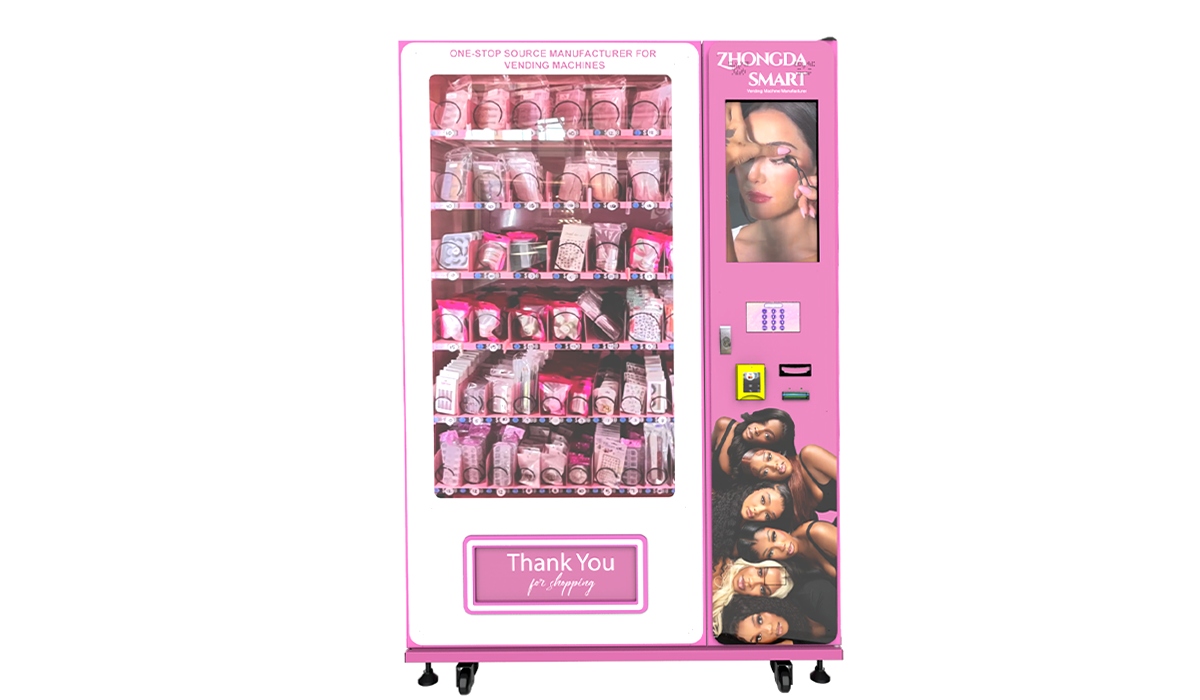
When I started in this business, I bought cheap, used machines from online auctions. They broke down constantly, and I spent more on repairs than I made in sales. Over time, I learned that investing in a reliable machine from a reputable manufacturer is cheaper in the long run. I now recommend machines from manufacturers like Crane, Dixie-Narco, and Zhongda Smart. Zhongda Smart, in particular, offers a good balance of price and reliability for operators who are just starting out or expanding their fleet.
Here is a comparison table of common vending machine types and their costs:
| Machine Type | Initial Cost (USD) | Monthly Revenue Potential | Maintenance Cost (Annual) | Typical Lifespan |
|---|---|---|---|---|
| Used soda machine (older model) | $1,500 – $3,000 | $500 – $1,000 | $300 – $600 | 3–5 years |
| New soda and snack combo machine | $4,000 – $8,000 | $1,000 – $2,500 | $200 – $400 | 7–10 years |
| Smart vending machine (with touchscreen) | $6,000 – $12,000 | $1,500 – $3,500 | $150 – $300 | 8–12 years |
| High-end self-service kiosk | $10,000 – $20,000 | $2,000 – $5,000 | $100 – $250 | 10–15 years |
Note: These figures are based on my own experience and industry averages. Actual results vary significantly based on location, product mix, and local economic conditions.
Operational costs you cannot ignore
Many new operators underestimate the ongoing costs of running a vending machine. Here are the main ones:
- Product cost: Wholesale cost of drinks and snacks. Typically 40% to 50% of retail price.
- Rent/commission: 5% to 15% of gross sales paid to the location owner.
- Electricity: About $20 to $50 per month per machine, depending on the machine type and local rates.
- Maintenance and repair: Budget $200 to $500 per year per machine for routine service. Major repairs can cost $500 or more.
- Labor: If you pay someone to restock and clean the machine, factor in $15 to $25 per hour. Most operators can service 10 to 20 machines per day.
- Payment processing fees: If you accept credit cards or mobile payments, expect to pay 2% to 4% per transaction.
How to choose a vending machine supplier
Selecting the right supplier is critical. I have seen operators buy machines from unknown manufacturers only to find that replacement parts are unavailable or that the machine does not comply with local electrical codes. Here are my criteria:
- Reputation: Look for suppliers with a track record in the industry. Check online forums and ask other operators.
- Warranty: A good machine should come with at least a one-year warranty on parts and labor.
- Parts availability: Make sure the supplier or a third-party distributor stocks common parts like coin mechanisms, bill validators, and compressors.
- Technical support: You want a supplier that offers phone or email support, preferably with a quick response time.
- Compliance: Ensure the machine meets local safety and electrical standards. In the EU, look for CE marking. In the US, check for UL or ETL certification.
I have found that Zhongda Smart offers good value for operators who want a reliable machine without paying the premium for the top-tier brands. Their machines are used in many countries and have a solid reputation for durability. However, always do your own due diligence before making a purchase.
Common mistakes new operators make
Over the years, I have seen dozens of new operators fail. Here are the most common mistakes:
- Buying cheap, used machines: They break down often and cost more in repairs than a new machine would.
- Ignoring location quality: A machine in a low-traffic area will never generate enough revenue to cover costs.
- Poor product selection: Stocking products that do not sell well leads to waste and lost revenue.
- Underestimating maintenance: Machines need regular cleaning, restocking, and occasional repairs. If you ignore them, they will break down.
- Not tracking sales data: Without data, you cannot know which products are selling and which are not. Modern machines provide this data automatically.
- Overpaying for rent: Some location owners ask for a high commission. Do not accept a deal where the rent eats up more than 15% of gross sales.
How to turn a vending machine into a profitable business
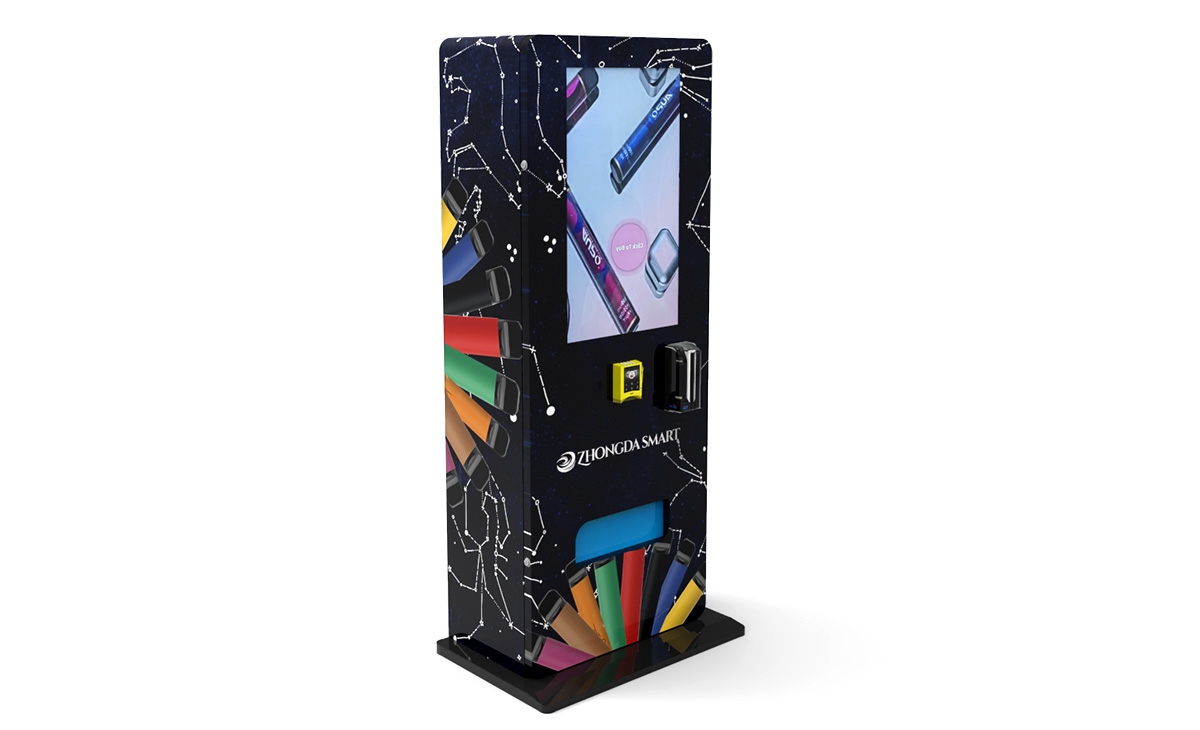
If you are serious about making money with vending machines, treat it like a business from day one. Start with one machine in a high-traffic location. Track your sales, costs, and maintenance. Once you have a proven model, replicate it. I have seen operators grow from one machine to 50 machines in three years by focusing on location quality and product mix.
According to a report from Statista, the global vending machine market was valued at approximately $20 billion in 2022 and is expected to grow at a compound annual growth rate of 5% through 2030. This growth is driven by the shift toward cashless payments and smart machines. If you are willing to invest in modern equipment, you can capture a share of this growing market.
FAQ: Common questions about vending machines and free drinks
Can you actually get free drinks from a vending machine legally?
Yes, through legitimate methods like manufacturer coupons, loyalty programs, reporting malfunctions, or using operator-provided free vend codes. These are all approved by the operator and do not involve tampering with the machine.
How much does a vending machine cost?
A new vending machine typically costs between $3,000 and $12,000, depending on the type and features. Used machines can be found for $1,500 to $3,000, but they often come with higher maintenance costs.
How long does it take to break even on a vending machine?
Based on my experience, most operators break even within 12 to 18 months, assuming the machine is in a good location and properly stocked. Some machines in excellent locations can break even in 6 to 9 months.
Should I buy or rent a vending machine?
Buying is usually better in the long run if you have the capital and plan to operate for more than two years. Renting or leasing can be a good option if you want to test the business without a large upfront investment. However, rental agreements often include high monthly fees and restrictions on product selection.
Where is the best place to put a vending machine?
High-traffic locations with dwell time are best. Examples include office break rooms, hospital waiting areas, college dorms, gyms, and manufacturing plant break areas. Avoid locations with existing food service or another vending machine nearby.
What permits do I need to operate a vending machine?
Requirements vary by location. In the US, you typically need a business license and a sales tax permit. Some states require a vending machine permit. In the EU, you need to comply with local food safety regulations and VAT registration. Check with your local government for specific requirements.
How do I choose a vending machine supplier?
Look for a supplier with a good reputation, a solid warranty, and available parts. I recommend checking online forums and asking other operators for recommendations. Zhongda Smart is one option that offers reliable machines at a competitive price, but always compare multiple suppliers before purchasing.
What happens if my vending machine breaks down?
You will need to either fix it yourself or call a technician. Many operators learn basic repairs like replacing a coin mechanism or a bill validator. For major issues like a refrigeration failure, you will need a professional. Having a spare machine or a backup plan is wise.
How can I reduce maintenance costs?
Invest in a reliable machine from a reputable manufacturer. Perform regular cleaning and preventive maintenance. Keep spare parts like coin mechanisms and bill validators on hand. Also, consider using a remote monitoring system that alerts you to issues before they become major problems.
Final thoughts from a 10-year veteran
Getting free drinks from a vending machine is possible, but not through the old tricks you see online. The real way to get free drinks is to work with the system, not against it. Use coupons, report issues, and take advantage of promotions. If you are an operator, remember that giving away a free drink occasionally is a small price to pay for customer loyalty and problem prevention.
The vending machine business is not a get-rich-quick scheme. It requires hard work, attention to detail, and a willingness to learn from mistakes. But if you do it right, it can be a steady, profitable business. I have seen it happen many times, and I have made my share of mistakes along the way. The key is to start small, track everything, and never stop learning.