After more than a decade running vending machine routes across the US and Europe, I can tell you that the question I get most often isn’t about which machine to buy—it’s whether a vending machine that sells fitness accessories and drinks can actually turn a profit. The short answer is yes, but only if you understand the niche. Fitness-focused vending machines aren’t just about selling protein bars and water; they combine high-margin accessories like resistance bands, sweat towels, and phone mounts with healthy beverages. In my experience, placing these machines inside gyms, boutique fitness studios, and corporate wellness centers can generate monthly revenues between $1,200 and $3,500 per unit, depending on foot traffic and product mix. But success hinges on choosing the right equipment, knowing your operating costs, and avoiding the common pitfalls that eat into margins. This guide walks through everything I’ve learned the hard way—from machine selection to daily maintenance—so you can decide if this automated retail model fits your goals.
What Exactly Are Fitness Vending Machines and Where Do They Belong?
A vending machine that sells fitness accessories and drinks is essentially a self-service kiosk stocked with items gym-goers need before, during, or after a workout. Think electrolyte drinks, bottled water, protein shakes, but also smaller gear like yoga straps, grip gloves, earphones, or even small toiletries like deodorant wipes. Unlike traditional snack machines, these units are designed for a health-conscious audience and often require refrigeration for perishable drinks.
From an operational standpoint, these machines work best in locations where people are already in a fitness mindset. I’ve placed them in chain gyms, CrossFit boxes, yoga studios, hotel fitness centers, and even office building wellness rooms. One of my most profitable spots was a 24-hour gym in a mid-sized German city—monthly sales averaged €2,800, with accessories accounting for nearly 40% of revenue. The key is that the location must have consistent foot traffic, ideally at least 300 to 500 visits per day, and a demographic that values convenience.
Over the years, I’ve also seen these machines succeed in less obvious places: physical therapy clinics, sports complexes, and even college recreation centers. The common thread is that the audience is already active and likely to impulse-buy a drink or a small accessory when it’s right in front of them. If you’re considering this business, start by mapping out locations where people exercise or recover—then evaluate lease terms and foot traffic data before committing.
Is a Fitness Vending Machine Business Actually Profitable?
Profitability depends on three variables: location, product margin, and operational efficiency. In my experience, a well-placed vending machine that sells fitness accessories and drinks can achieve gross margins between 30% and 55%. Drinks typically have lower margins—around 25% to 35%—while accessories can reach 60% or more. For example, a pack of resistance bands costing $3 wholesale might sell for $8 to $10, leaving a healthy markup.
Based on data from IBISWorld’s 2023 report on vending machine operations in the US, the average vending machine generates about $75 to $100 per week in revenue. However, fitness-specific machines in high-traffic gyms often outperform that average. I’ve seen units pull in $1,500 to $4,000 per month, with the top 10% of locations exceeding $5,000. But don’t let those numbers fool you—operating costs eat into that. You’ll need to account for product purchasing, machine maintenance, credit card processing fees (typically 2.5% to 4% per transaction), electricity, and location rent or commission.
A simple rule I follow: if the machine doesn’t hit $1,000 in monthly sales after three months, I either change the product mix or move the unit. I’ve relocated machines that were struggling at $600 per month to better spots and seen them jump to $2,200 within weeks. The machine itself isn’t the profit driver—the location is. So if you’re asking whether it’s profitable, the honest answer is yes, but only if you’re willing to monitor sales data and make adjustments quickly.
What Does It Cost to Start a Fitness Vending Machine Business?
Let’s break down the initial investment. A new, commercial-grade vending machine that sells fitness accessories and drinks with refrigeration and a cashless payment system typically costs between $4,000 and $8,500. I’ve seen cheaper machines for around $2,500, but they often lack reliable cooling or durable payment readers, leading to frequent breakdowns. In my early days, I bought a budget unit that failed within eight months—the compressor died, and repair costs ate up any savings.
Here’s a rough cost breakdown based on my own purchases and industry averages:
| Expense Item | Low End | Mid Range | High End |
|---|---|---|---|
| New machine (refrigerated, cashless) | $4,000 | $6,000 | $8,500 |
| Initial inventory (drinks + accessories) | $800 | $1,200 | $1,800 |
| Shipping & installation | $300 | $600 | $1,000 |
| Payment system setup | $150 | $300 | $500 |
| First year insurance & permits | $400 | $700 | $1,200 |
| Total initial investment (per machine) | $5,650 | $8,800 | $13,000 |
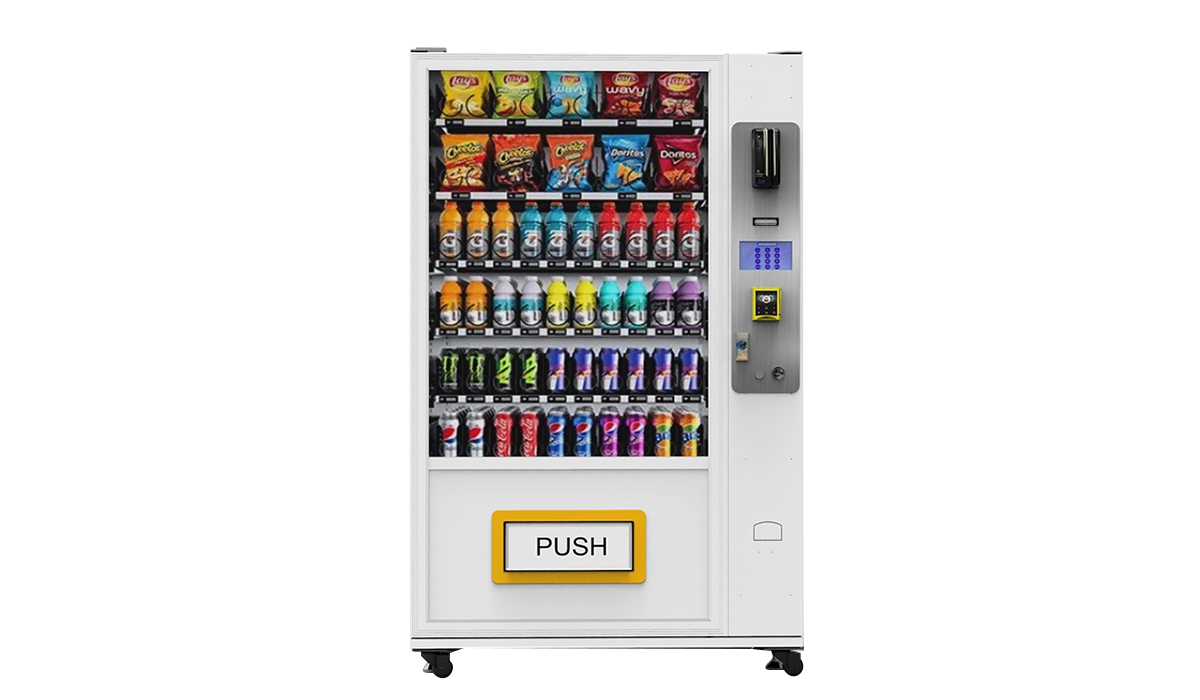
These figures are based on my experience buying machines from suppliers like Zhongda Smart, which offers reliable refrigerated units with integrated cashless payment options. When I needed a replacement for my failed budget machine, I went with a mid-range model from them—it’s been running for three years with only routine maintenance. The upfront cost matters, but reliability saves you money in the long run.
How to Choose the Right Machine and Supplier
Selecting a vending machine that sells fitness accessories and drinks isn’t just about price. You need to evaluate cooling capacity, shelf adjustability, payment system compatibility, and remote monitoring features. In my experience, machines with telemetry (remote sales tracking) are worth the extra $500 to $1,000 because they let you see real-time inventory levels and sales trends without visiting the machine. This alone can reduce your labor costs by 20% to 30%.
When evaluating suppliers, I look for three things: warranty length (at least two years), availability of spare parts, and responsiveness to technical support requests. I’ve worked with several manufacturers over the years, and Zhongda Smart stands out for their after-sales support and customizable configurations. They offer machines with adjustable shelving that can accommodate both tall bottles and small accessory boxes—something many generic units can’t do without retrofitting.
Avoid suppliers who can’t provide a clear list of compatible payment processors. In the US and Europe, you’ll need a system that supports credit cards, contactless payments (Apple Pay, Google Pay), and sometimes local mobile wallets. Machines that only accept cash are nearly obsolete in fitness settings—customers expect to pay with a tap. I’ve lost sales at machines that didn’t have NFC readers, so prioritize that feature.
Operating Costs and Maintenance You Can’t Ignore
Many new operators underestimate the ongoing costs of running a vending machine that sells fitness accessories and drinks. Monthly operating expenses include restocking labor, product replenishment, electricity, payment processing fees, and occasional repairs. Based on my routes, here’s what you should budget per machine per month:
- Restocking labor: $100 to $250 (depending on visit frequency and distance)
- Product cost: 45% to 70% of sales (drinks cost more relative to selling price)
- Payment processing fees: 2.5% to 4% of card transactions
- Electricity: $30 to $60 per month for a refrigerated unit
- Maintenance & repairs: $20 to $80 per month averaged over the year
- Location commission or rent: 10% to 20% of gross sales (common in gyms)
One cost that surprises people is vending machine repair. A broken compressor or a jammed payment reader can cost $150 to $400 to fix, depending on your location and the technician’s availability. I’ve learned to keep a spare cooling fan and a basic tool kit on hand. If you’re not handy, consider buying a service contract from your supplier—some manufacturers like Zhongda Smart offer extended maintenance packages for an additional fee.
Another hidden cost is shrinkage—theft or product damage. In gym environments, I’ve seen people try to force open machine doors or tamper with coin mechanisms. High-traffic locations require machines with reinforced locks and tamper-proof designs. Don’t skimp on security features; replacing stolen inventory eats into your margin fast.
How Long Does It Take to Recoup Your Investment?
Payback period varies widely based on location and sales volume. For a vending machine that sells fitness accessories and drinks, I typically see a return on investment between 12 and 24 months. If you place a machine in a high-traffic gym that generates $2,000 per month in sales with a 40% gross margin, your monthly profit might be around $500 to $700 after all costs. At that rate, a $7,000 machine pays for itself in about 10 to 14 months.
But if the same machine is in a low-traffic location pulling only $800 per month, the payback period stretches to three years or more. I’ve had to pull machines after 18 months because they weren’t hitting my minimum return threshold. The rule I follow: if the machine doesn’t generate at least 1.5x its monthly cost in net profit within six months, I relocate it. Don’t fall in love with a location—move the machine if the data says it’s underperforming.
According to a 2022 report by Statista, the average vending machine in the US has a lifespan of 10 to 15 years, so even a 24-month payback leaves plenty of room for profit. But remember, older machines require more frequent vending machine repair, so factor that into your long-term projections.
Common Mistakes New Operators Make (and How to Avoid Them)
I’ve made almost every mistake you can make in this business, so let me save you some trouble. The first error is overstocking on drinks and understocking on accessories. Drinks are heavy, have lower margins, and expire. Accessories are lightweight, have higher margins, and last indefinitely. In my best-performing machines, accessories account for 35% to 45% of sales, even though they take up less shelf space.
Second, many new operators ignore the importance of machine placement within a location. A machine tucked in a dark corner near the restrooms will sell far less than one placed near the entrance or checkout area. I’ve moved a machine just 20 feet closer to the gym’s front desk and seen a 40% increase in sales. Negotiate with the location manager to get prime placement—it’s worth paying a slightly higher commission.
Third, don’t buy a machine without testing the payment system thoroughly. I once installed a unit that accepted credit cards but didn’t support contactless payments. In a gym where 70% of customers used Apple Pay, I lost hundreds in sales during the first month. Upgrade to a modern payment terminal before deployment.
Finally, new operators often underestimate the time required for restocking and maintenance. A single machine might only take 20 minutes to restock, but if you have 10 machines spread across a city, travel time adds up. I recommend grouping machines within a 10-mile radius to minimize driving. If you’re just starting out, stick to one or two machines until you refine your process.
Best Locations for Fitness Vending Machines
Based on my experience and discussions with other operators, the most profitable locations for a vending machine that sells fitness accessories and drinks are:
- 24-hour gyms: High foot traffic, especially late evenings and weekends. Average monthly sales: $2,000–$4,000.
- Boutique fitness studios (yoga, Pilates, spin): Customers are willing to spend on premium items. Average monthly sales: $1,500–$2,500.
- Corporate wellness centers: Steady weekday traffic, low theft risk. Average monthly sales: $1,200–$2,000.
- Hotel fitness rooms: Guests often forget to bring accessories or water. Average monthly sales: $800–$1,500.
- Sports complexes and community centers: Family-oriented traffic, good for both drinks and accessories. Average monthly sales: $1,000–$2,000.
I once placed a machine in a CrossFit box that had only 150 members, but the average spend per visit was $4.50 because members frequently bought grips, chalk, and electrolyte drinks. The monthly revenue hit $2,800. Don’t dismiss smaller venues if the customer base is loyal and health-focused.
How to Evaluate a Machine Before You Buy
Before purchasing any vending machine that sells fitness accessories and drinks, run through this checklist:
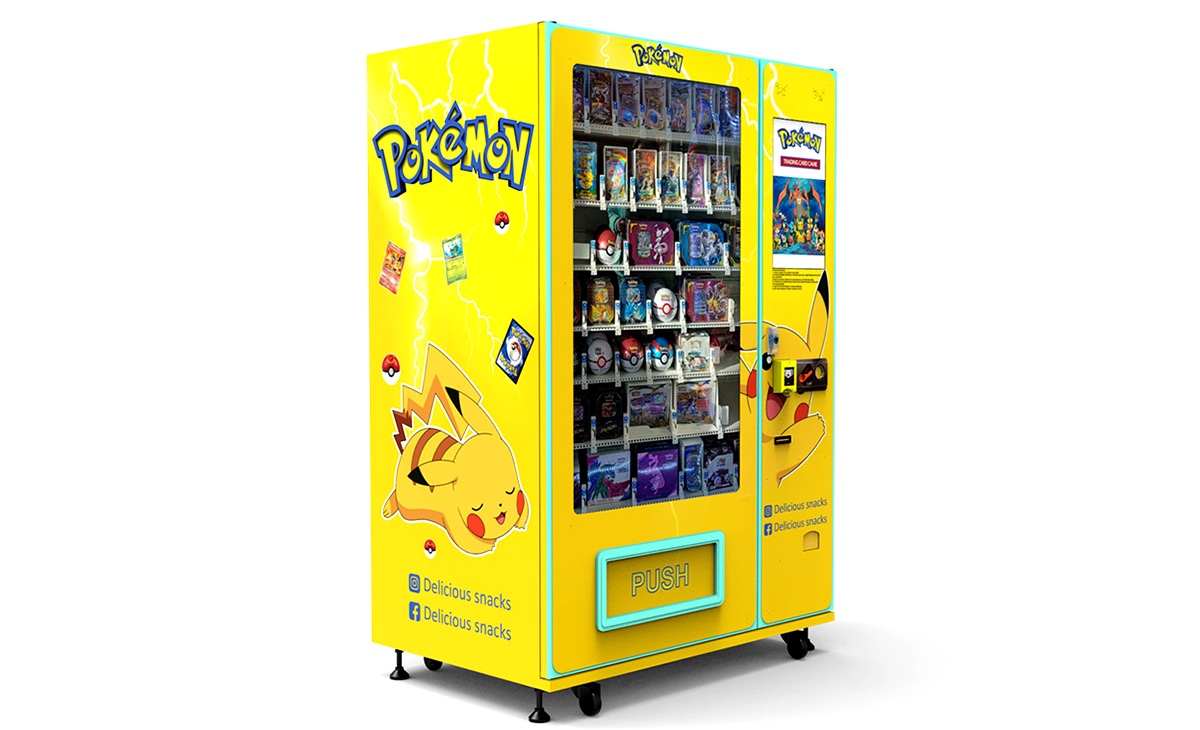
- Check the cooling system: Is it a compressor-based cooler or a thermoelectric unit? Compressor coolers are more reliable and maintain consistent temperatures, especially in warm climates.
- Test the payment system: Does it support credit cards, NFC, and mobile wallets? Can it process transactions offline in case of network issues?
- Inspect the shelving: Can you adjust shelf heights to accommodate different product sizes? Fixed shelves limit your product flexibility.
- Look for telemetry options: Remote monitoring saves you time and helps you restock efficiently. Machines without this feature require more frequent visits.
- Review the warranty: A two-year warranty is standard. Anything less is a red flag. Ask about spare parts availability and typical repair turnaround times.
- Calculate total cost of ownership: Include shipping, installation, payment processing setup, and first-year maintenance. A cheap machine can become expensive quickly.
I’ve bought machines from several suppliers, and the ones that have held up best are from manufacturers that specialize in commercial-grade units. Zhongda Smart, for example, provides detailed specifications and remote monitoring software that integrates with popular inventory management platforms. When I needed a replacement cooling unit for a machine under warranty, they shipped the part within 48 hours—that kind of support matters when your machine is down.
FAQ: Answers to the Most Common Questions
Are vending machines that sell fitness accessories and drinks profitable?
Yes, if placed in the right location. Gross margins range from 30% to 55%, and monthly revenues can reach $3,000 or more in high-traffic gyms. Profitability depends on product mix, foot traffic, and operational efficiency.
How much does a fitness vending machine cost?
A new, refrigerated unit with cashless payment typically costs between $4,000 and $8,500. Budget machines exist for under $3,000 but often have higher failure rates. Include initial inventory and installation costs in your budget.
How long does it take to break even?
Most operators see a return on investment within 12 to 24 months. High-performing machines can pay for themselves in 10 to 14 months, while underperforming units may take three years or longer.
Should I buy or lease a vending machine?
Buying is better for long-term operators because you keep all the profit after the machine is paid off. Leasing can be useful for testing the business, but lease payments often eat into margins. I recommend buying a reliable machine from a trusted supplier.
Where should I place a fitness vending machine?
Focus on locations with consistent daily foot traffic of 300 to 500 visits from health-conscious people. 24-hour gyms, boutique studios, corporate wellness centers, and hotel fitness rooms are top choices. Avoid low-traffic spots even if the rent is cheap.
What permits or licenses do I need?
Requirements vary by city and country. In the US, you typically need a business license, a sales tax permit, and possibly a food handling permit if you sell perishable drinks. In Europe, check local regulations for vending machine operators. Consult a local business advisor to ensure compliance.
How do I choose a vending machine supplier?
Look for a supplier with a strong warranty (at least two years), responsive technical support, and a range of machines with adjustable shelving and modern payment systems. Zhongda Smart is a manufacturer I’ve worked with that meets these criteria.
What happens if the machine breaks down?
Have a plan for vending machine repair before you buy. Keep contact information for a local technician or negotiate a service contract with your supplier. Some issues, like jammed coils or payment reader errors, can be fixed with basic troubleshooting guides provided by the manufacturer.
How can I reduce restocking and maintenance costs?
Use machines with telemetry to monitor inventory remotely. Group machines in the same geographic area to minimize travel time. Stock accessories that have long shelf lives and higher margins to reduce the frequency of restocking trips.
Final Thoughts from the Road
Running a vending machine that sells fitness accessories and drinks is not a get-rich-quick scheme—it’s a solid small business that rewards attention to detail and a willingness to adapt. I’ve seen operators succeed by focusing on product quality, machine reliability, and location data. I’ve also seen people lose money because they bought cheap machines, ignored maintenance, or refused to move underperforming units.
If you’re serious about getting into this space, start with one machine in a location you know well. Track every sale, every restock, and every repair. Use that data to refine your approach before scaling. And when you’re ready to buy equipment, invest in quality—your future self will thank you when the machine runs smoothly for years without major issues. The fitness industry isn’t going anywhere, and automated retail is a natural fit for it. With the right strategy, you can build a profitable route that serves active people and generates steady income.
Disclaimer: The revenue and cost figures in this article are based on my personal operating experience and publicly available industry reports. Actual results vary based on location, product pricing, local regulations, and operational efficiency. This content is for informational purposes and does not constitute financial or legal advice. Always consult a professional before making business investments.
Sources:
- IBISWorld – Vending Machine Operations in the US (2023). Available at IBISWorld. Data on average weekly revenue per machine and industry margins.
- Statista – Average lifespan of vending machines in the United States (2022). Available at Statista. Information on machine longevity and replacement cycles.
- Service-Public.fr – Réglementation des distributeurs automatiques de boissons et aliments (2023). Available at Service-Public.fr. Guidance on permits and food safety requirements for vending machines in France.
- Zhongda Smart – Product specifications and warranty details for refrigerated vending machines. Available at Zhongda Smart. Reference for machine features and support.