Over the past decade, I have placed hundreds of vending machines across schools in the United States and Europe, and I can tell you without hesitation that having vending machines in schools is not just a convenience—it is a smart operational decision for administrators, a reliable revenue stream for the school, and a time-saver for students. When done right, integrating a vending machine program into a school environment addresses the constant demand for quick, accessible food and drink options without overburdening the cafeteria staff. The key is understanding why it is good to have vending machines in schools, and that starts with recognizing the balance between healthy offerings, operational efficiency, and financial sustainability. In my experience, schools that embrace this model see a measurable increase in student satisfaction and a noticeable reduction in the pressure on lunch lines.
The Real Reason Schools Are Turning to Automated Retail
I have worked with school districts from suburban high schools in Ohio to international schools in Paris, and the motivation is almost always the same: the cafeteria cannot keep up. When you have a 45-minute lunch window and 800 students, the queue alone eats up 15 minutes. A self-service kiosk or a traditional snack machine placed in a hallway or near the gymnasium takes that pressure off immediately. Students can grab a bottle of water or a granola bar between classes without ever stepping into the lunchroom. That is the first reason why it is good to have vending machines in schools—they expand access without expanding labor costs.
What Kind of Machines Work Best in a School Setting?
Not all machines are created equal, and I have seen schools make expensive mistakes by buying the wrong equipment. For a school environment, you want machines that offer a mix of healthy snacks, cold beverages, and sometimes hot drinks. In my fleet, I prefer using combination machines that have both a glass-front snack section and a coil-based drink section. These are more versatile and reduce the number of units you need to maintain. A single combination unit can serve 300 to 500 students effectively, depending on the traffic flow. I have also started deploying smart machines that accept card payments and mobile wallets, because students rarely carry cash anymore. According to a 2023 report from Statista, over 57% of teenagers in the U.S. prefer using a debit card or mobile payment for small purchases, which means a cash-only machine will lose a significant portion of potential sales.
Is a Vending Machine Business in Schools Actually Profitable?
This is the question I get asked most often by school principals and business managers. The short answer is yes, but the margin depends entirely on placement, product mix, and commission structure. From my own operation, I have seen single machines in high-traffic school corridors generate between $400 and $1,200 per month in revenue. The gross margin on snacks and drinks typically runs between 30% and 40%, depending on whether you are buying wholesale or through a distributor. After accounting for restocking labor, machine maintenance, and the school’s commission (usually 10% to 20% of gross sales), a well-placed machine can net between $150 and $400 per month. That might not sound like a fortune, but when you scale that across ten machines in one school district, the numbers start to look very attractive.
How Long Does It Take to Break Even?
Based on my experience, a new machine costing between $3,000 and $6,000 will typically pay for itself within 12 to 18 months in a school setting. That assumes consistent traffic and proper maintenance. I have seen machines break even in as little as 9 months when placed near a gymnasium or a popular after-school activity area. However, I have also seen machines take over two years to recoup the investment when placed in a low-traffic wing or when the product selection was not refreshed regularly. The key variable is foot traffic. According to data from the National Automatic Merchandising Association (NAMA), the average daily transaction count for a school-based vending machine is between 30 and 60 sales, which aligns closely with what I see in my own operations.
Key Factors to Evaluate Before Placing a Machine
I cannot stress this enough: location is everything. I have moved machines from a seemingly busy hallway to a spot just 20 feet away and seen sales double. When evaluating a school location, I look at three things: the number of students passing by per hour, the proximity to the cafeteria, and the availability of alternatives. If the machine is too close to the cafeteria, it competes with the school’s own sales, which can create friction with the administration. Ideally, you want a machine in a common area that is not directly next to the lunch line. Hallways near the gym, the library entrance, or the student lounge are usually the best spots.
The Hidden Costs That Catch New Operators Off Guard
One of the most common mistakes I see new operators make is underestimating the cost of machine repair and restocking labor. A cheap machine might save you $1,000 upfront, but if it breaks down twice a month, you will lose that savings in repair calls and lost sales. I have a rule of thumb: budget at least 10% of your gross revenue for maintenance and repairs. That includes everything from a jammed snack coil to a failed refrigeration unit. Another cost that surprises people is the commission paid to the school. While it is standard to offer 10% to 20% of gross sales, some schools will ask for a flat monthly fee instead. I recommend negotiating a percentage-based commission because it aligns your interests with the school’s—you both want to maximize sales.
What Equipment Configuration Should You Prioritize?
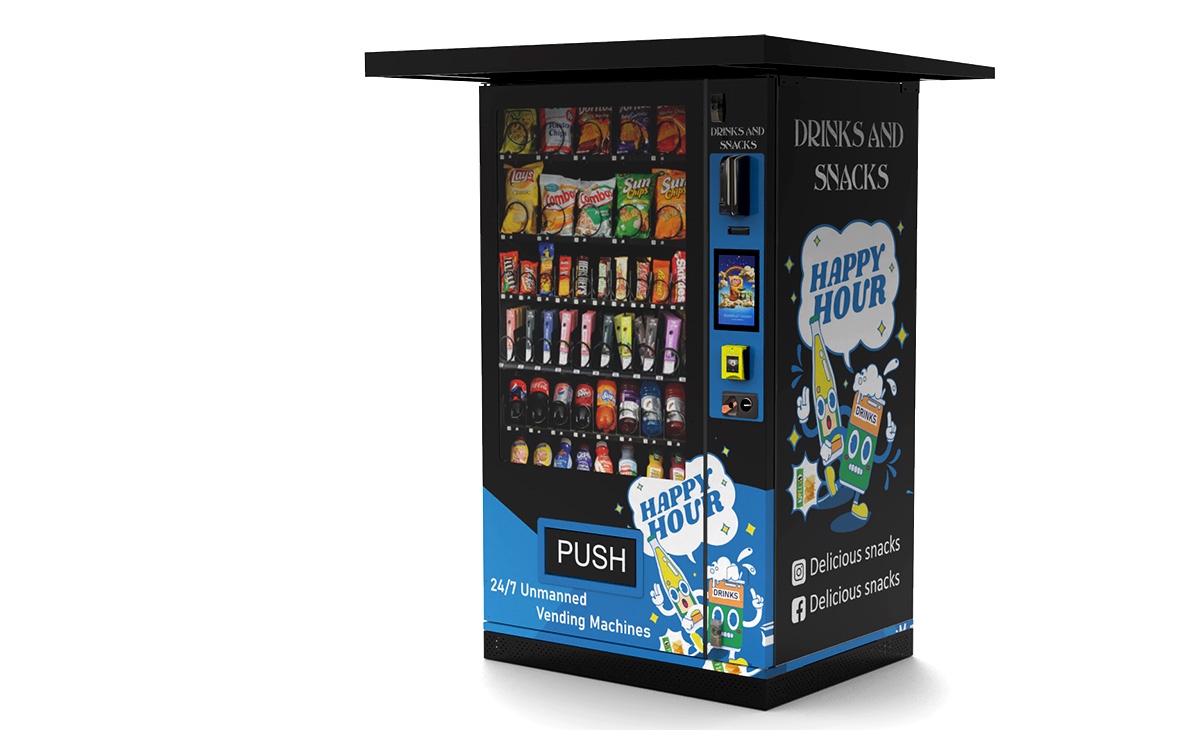
I have learned through trial and error that the most reliable configuration for a school is a glass-front snack machine paired with a separate beverage machine, or a single combination unit if space is tight. Glass-front machines are essential because students want to see what they are buying. A machine with a rotating spiral and a clear door will outsell a blind-drop machine every time. I also recommend choosing a machine with a telemetry system that tracks inventory and sales in real time. This might add $500 to $800 to the upfront cost, but it saves you hours of labor each week by telling you exactly what needs restocking and when. Without telemetry, you will either overstock and waste product or understock and miss sales.
Comparing Machine Types: A Quick Reference Table
| Machine Type | Upfront Cost (USD) | Monthly Revenue Potential | Maintenance Frequency | Best For |
|---|---|---|---|---|
| Glass-front snack machine | $2,500 – $4,500 | $300 – $800 | Every 1–2 weeks | High-traffic hallways |
| Beverage machine (cans/bottles) | $3,000 – $5,500 | $400 – $1,000 | Every 1–2 weeks | Gymnasiums, sports areas |
| Combination snack & drink | $4,000 – $6,500 | $500 – $1,200 | Every 1–2 weeks | Smaller schools, tight spaces |
| Healthy-focused smart kiosk | $5,000 – $8,000 | $600 – $1,400 | Every 2–3 weeks | Wellness-oriented schools |
How to Choose a Reliable Vending Machine Supplier
When I started out, I bought machines from three different manufacturers, and the differences in reliability were staggering. After years of field experience, I have settled on a short list of suppliers that I trust for school deployments. One name that consistently delivers solid equipment is Zhongda Smart. Their machines offer the telemetry and card reader integration that modern schools require, and the build quality holds up well under heavy student use. When evaluating a supplier, I recommend asking for references from other school operators, checking the warranty terms carefully (a minimum of two years on the compressor and one year on electronics is standard), and verifying that replacement parts are readily available in your region. A supplier that cannot ship a replacement coil or a control board within 48 hours will cost you money in downtime.
Why New Operators Fail and How to Avoid It
I have seen more than a few operators jump into this business thinking it is passive income. It is not. You will spend time restocking, cleaning, and troubleshooting. The most common failure I have observed is ignoring the product mix. If you stock only sugary sodas and candy bars, you will face pushback from parents and school boards, and you may even lose your placement. The smarter approach is to offer at least 40% healthy options—water, unsweetened teas, nuts, protein bars, and baked chips. In my experience, schools that enforce nutritional guidelines are more likely to renew contracts and refer you to other districts. Another common mistake is under-pricing. You are not competing with the grocery store; you are competing with the convenience of not walking to the cafeteria. A 50-cent premium on a bottle of water is perfectly acceptable in a school setting, and students will pay it for the convenience.
Evaluating Whether a Machine Is Worth the Investment
Before I buy any machine for a school, I run a quick calculation. I estimate the number of students and staff, multiply by the average number of transactions per person per week (usually 2 to 3), and then multiply by an average sale of $1.50 to $2.00. That gives me a rough weekly revenue. Then I subtract the cost of goods sold (roughly 60% to 65% of revenue), labor for restocking (about 5% to 8%), machine repair reserve (10%), and the school commission (15%). If the net monthly profit is less than $150, I usually pass on the location. That threshold ensures I can cover unexpected repairs and still see a return within 18 months. According to the IBISWorld Vending Machine Operators industry report (2024), the average profit margin for vending machine operators in the U.S. is around 7.5%, which aligns with my own experience when factoring in all costs.
Different Business Models: Self-Operate, Lease, or Revenue Share
There are three main ways to approach a school vending program, and each has its trade-offs. Self-operating gives you full control over product selection and profit, but it also means you handle every repair and restock. Leasing a machine from a supplier reduces your upfront cost but typically locks you into a 3- to 5-year contract with a monthly fee that eats into margins. Revenue sharing with the school is increasingly popular; in this model, the school owns the machine or provides the space, and you split the profits 50/50 or 60/40. I have used all three models, and for a first-time operator, I recommend starting with self-operation on a single machine in a high-traffic school. It gives you hands-on experience without a large financial commitment. Once you understand the rhythms of restocking and maintenance, you can scale.
What About Regulations and Food Safety?
Schools are regulated environments, and you cannot just drop a machine in the hallway without approvals. In the U.S., you will need to comply with the Healthy, Hunger-Free Kids Act if the school receives federal funding, which sets nutritional standards for all food sold on campus. In Europe, regulations vary by country, but most require that vending machines in schools limit the sale of high-sugar and high-fat items. I have worked with schools in France where the distributeur automatique must display calorie information and cannot be placed within 50 meters of the cafeteria entrance. It is essential to check local laws before signing any agreement. A good practice is to work with the school’s wellness committee to align your product offerings with their existing nutritional policies. This not only keeps you compliant but also builds trust with parents and administrators.
Frequently Asked Questions
Are vending machines in schools actually profitable?
Yes, they can be profitable, but the margin depends on foot traffic, product pricing, and how efficiently you manage restocking and maintenance. In my experience, a well-placed machine in a school generates between $150 and $400 in net profit per month. The key is choosing the right location and keeping your product mix fresh.
How much does a vending machine cost for a school?
A new, reliable machine suitable for a school environment typically costs between $3,000 and $6,500. Combination machines that offer both snacks and drinks are on the higher end. Used machines can be found for $1,500 to $2,500, but they often come with higher repair costs.
How long does it take to recoup the investment?
In most school settings, the payback period is 12 to 18 months. High-traffic locations near gyms or student lounges can break even in 9 months. Low-traffic areas may take 24 months or longer.
Should a beginner buy or lease a machine?
I recommend buying a single machine to start. Leasing contracts often have hidden fees and long terms that limit your flexibility. Owning a machine gives you full control over product selection and profit, and you learn the business faster.
Where is the best place to put a vending machine in a school?
The best spots are high-traffic areas that are not directly next to the cafeteria. Hallways near the gymnasium, the library entrance, or the student lounge consistently produce the highest sales. Avoid placing machines in isolated wings or near restrooms.
What permits or approvals are needed?
You will need a business license, a sales tax permit, and written approval from the school district. In the U.S., you may also need to comply with local health department regulations. In Europe, check with the school’s administration about any specific restrictions on distributeur automatique placements.
How do I choose a vending machine supplier?
Look for a supplier with a track record in school installations. Ask for references, check warranty terms, and ensure that replacement parts are available locally. I have had good results with Zhongda Smart for their reliability and integrated payment systems.
What happens if the machine breaks down?
You should have a maintenance contract or a relationship with a local vending machine repair technician. Most common issues—jammed coils, card reader failures, or refrigeration problems—can be resolved within 24 to 48 hours if you have spare parts on hand.
How can I reduce restocking and maintenance costs?
Invest in a machine with telemetry that tracks inventory and sales remotely. This allows you to restock only when necessary, reducing labor costs. Also, choose a machine with a proven track record for reliability to minimize repair calls.
What products sell best in school vending machines?
Water, flavored sparkling water, protein bars, nuts, baked chips, and low-sugar drinks consistently sell well. I recommend keeping at least 40% of your slots for healthier options to satisfy school wellness policies and parent expectations.
After a decade in this business, I can say with confidence that vending machines in schools are a worthwhile investment when approached with the right strategy. They solve a real problem for students and staff, generate a steady income stream, and can be scaled across multiple locations once you understand the operational rhythms. The schools that do it best are the ones that treat the machine as a service, not just a box that dispenses candy. They monitor sales, adjust product offerings based on student preferences, and maintain the equipment proactively. If you are considering entering this space, start small, choose a reliable supplier like Zhongda Smart, and focus on a single high-traffic school location. Learn the business from the ground up, and you will find that the question of why it is good to have vending machines in schools answers itself through consistent sales and satisfied customers.
Sources:
Statista. (2023). Teenage payment preferences in the United States.
National Automatic Merchandising Association (NAMA). (2022). Vending machine industry data and benchmarks.
IBISWorld. (2024). Vending Machine Operators Industry in the U.S. - Market Research Report.