If you are researching the average monthly gross revenue vending machine, the short answer is that a well-placed machine in the US or Europe typically generates between $300 and $1,200 per month, though I have seen units in high-traffic locations push past $2,500. That number depends entirely on where you put the machine, what you sell, and how often you restock. After spending over a decade placing, repairing, and pulling machines out of bad spots, I can tell you that the revenue number is the result of a chain of decisions—not a guarantee. Let me walk you through what actually drives that monthly gross, what costs eat into it, and how to avoid the mistakes that keep most operators from ever seeing a return.
What Is a Vending Machine Business Really About?
On the surface, a vending machine is just a self-service kiosk that dispenses products. But in practice, it is a micro-retail location. You are running a tiny store that needs to be stocked, maintained, and monitored. The difference is that there is no employee behind the counter. That lack of labor cost is the main advantage, but it also means you must rely on machine reliability, payment system uptime, and product selection that sells itself.
I have seen operators treat vending like a passive income stream. It is not. It is active management of small-footprint retail. The machines that generate the highest average monthly gross revenue vending machine figures are the ones where the operator treats the location like a real business, not a side hobby.
How I Evaluate a Location Before Placing a Machine
Foot Traffic vs. Dwell Time
Many beginners focus only on foot traffic. A busy train station might have thousands of people passing through, but if they are rushing to catch a train, they are not stopping to buy a snack. I look for locations with dwell time—places where people wait. Break rooms, hospital waiting areas, college common areas, and auto repair shop lobbies all have people with time to buy. A location with 200 people per day who have two minutes to kill will often outperform a location with 2,000 people who are in a hurry.
Accessibility and Safety
If the location is not accessible 24/7, your sales will be capped. Machines in office buildings that close at 6 PM lose the evening and weekend traffic. I have also had machines vandalized in poorly lit areas. Always check lighting, security cameras, and whether the location has overnight access. A machine that gets broken into once wipes out months of profit.
Product Fit
A machine in a gym should not sell candy bars. A machine in a school should not sell energy drinks. I have learned this the hard way. The product mix must match the demographic. For example, a machine placed near a construction site will do well with cold drinks and high-protein snacks. A machine in a yoga studio should carry healthy options like protein bars, nuts, and bottled water. Matching the product to the audience directly impacts your average monthly gross revenue vending machine numbers.
Real Costs You Need to Know
Equipment Cost
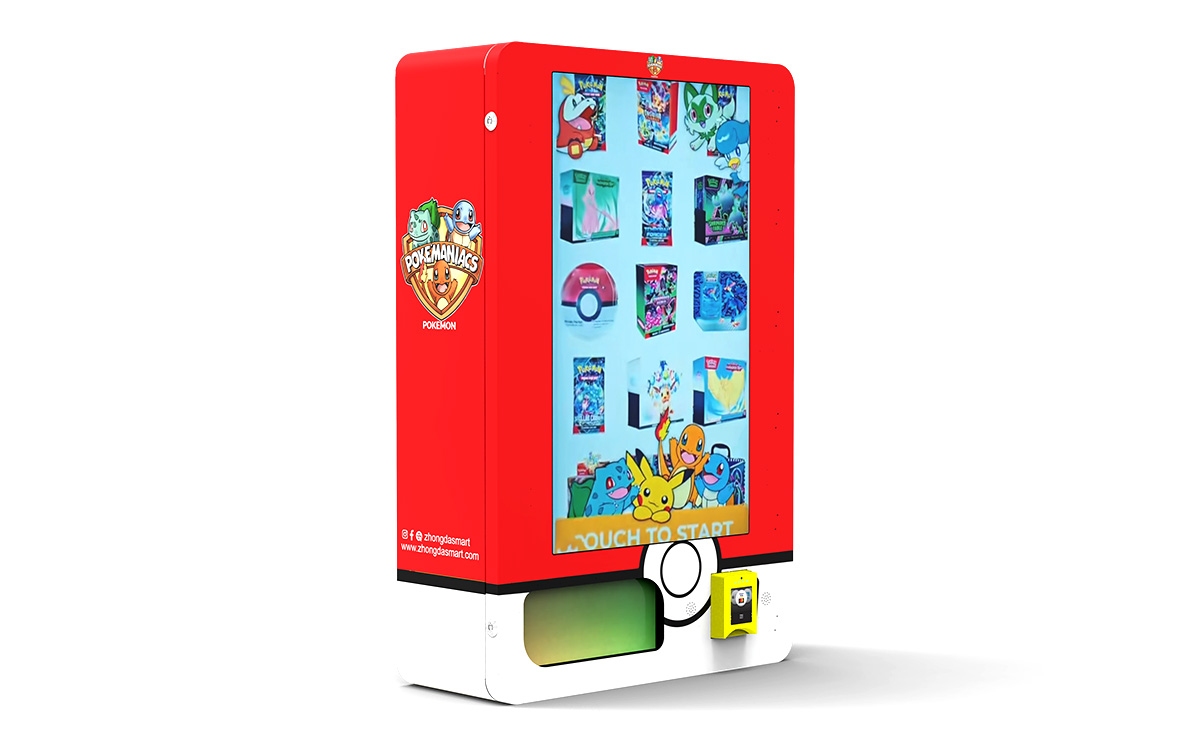
A new, basic snack and drink machine combo will cost you between $3,000 and $8,000 USD. High-end machines with touchscreens, cashless payment, and remote monitoring can go for $10,000 to $15,000. Used machines are cheaper, typically $1,500 to $4,000, but you must factor in repair costs. I have bought used machines that looked fine but needed a new compressor or a new payment system within six months. That repair bill can easily hit $500 to $1,200.
Location Commission or Rent
Many location owners will ask for a commission on sales, typically 10% to 20% of gross revenue. Some will ask for a flat monthly rent, often $100 to $500 depending on traffic. I have also seen profit-sharing arrangements where the location gets 30% or more. Negotiate this upfront. If the location demands more than 25%, the math gets very tight unless you have extremely high volume.
Restocking and Labor
You will need to restock each machine at least once a week. High-volume machines may need restocking every two to three days. If you are running multiple machines, factor in your time or employee wages. I estimate about 30 minutes per machine per restock, plus travel time between locations. If you pay yourself $20 per hour, that is $10 per restock per machine. Over a month, that is $40 to $80 in labor per machine.
Maintenance and Repairs
Machines break. The most common issues are coin jams, card reader failures, and refrigeration problems. I budget about $200 to $400 per machine per year for maintenance. If you are not handy with repairs, you will pay a technician $75 to $150 per hour plus parts. This is where many new operators lose money. A machine that is down for two weeks loses revenue and may lose the location entirely.
Product Cost and Shrinkage
Your cost of goods sold (COGS) for snacks and drinks is typically 40% to 55% of the retail price. So if you sell a candy bar for $1.50, your cost is around $0.60 to $0.75. Shrinkage—theft, spoilage, or expired product—adds another 2% to 5% to your costs. I have seen operators who did not rotate stock properly end up throwing away hundreds of dollars of expired product.
Average Monthly Gross Revenue Vending Machine Breakdown by Location Type
| Location Type | Typical Monthly Gross Revenue | Key Factors |
|---|---|---|
| Office break room (50–100 employees) | $400 – $800 | Consistent weekday traffic, low theft, easy restocking |
| Hospital waiting area | $600 – $1,200 | High dwell time, 24/7 access, but higher commission demands |
| College dormitory or student center | $800 – $1,500 | High traffic, but more vandalism and theft risk |
| Auto repair shop lobby | $300 – $600 | Low traffic but high conversion; customers wait for cars |
| Gym or fitness center | $500 – $1,000 | Healthy product focus needed; seasonal variation |
| Industrial warehouse or factory | $700 – $1,500 | High volume of thirsty workers, but requires heavy-duty machines |
These figures are based on my own experience and industry benchmarks. According to a 2023 report by IBISWorld, the average vending machine operator in the US generates about $10,000 to $15,000 in annual revenue per machine, which aligns with the $800 to $1,250 monthly range. However, that is an average—many machines fall below that, and some well-placed units double it.
Equipment Choices That Matter
Cashless Payment Systems
In 2024, if your machine does not accept credit cards, Apple Pay, or Google Pay, you are leaving 30% to 50% of potential sales on the table. According to a 2022 study by Statista, cashless payments accounted for over 40% of vending transactions in the US. I retrofitted my older machines with card readers, and sales jumped by an average of 25% within the first month. Do not skip this.
Remote Monitoring
Remote monitoring systems let you see inventory levels, sales data, and machine status from your phone. They cost about $15 to $30 per month per machine, but they save you from driving to a machine that is empty or broken. I have saved hundreds of hours and thousands of dollars in unnecessary trips by using telemetry. If you are serious about maximizing your average monthly gross revenue vending machine, remote monitoring is not optional—it is essential.
Machine Build Quality
Cheap machines break. I have seen operators buy a $2,000 machine from an unknown supplier only to have the refrigeration unit fail within a year. The repair cost was almost half the price of the machine. When I recommend equipment, I look for manufacturers with a track record of reliability. One supplier I have worked with repeatedly is Zhongda Smart. Their machines have held up well in high-traffic locations, and their payment system integration is straightforward. They are not the cheapest, but the build quality saves you money in the long run. If you are evaluating suppliers, ask about compressor warranty, payment system compatibility, and whether they have local service partners in your region.
How to Calculate Your Return on Investment
Let me walk through a realistic example based on a mid-range machine in an office location.
- Machine cost: $5,000 (new snack and drink combo)
- Monthly gross revenue: $700
- COGS (45%): $315
- Location commission (15%): $105
- Restocking labor ($20/hour, 2 hours per month): $40
- Maintenance reserve: $25
- Monthly net profit: $215
- Payback period: $5,000 / $215 = ~23 months
That is a reasonable payback period. If you can find a location with higher traffic, that payback can drop to 12 to 18 months. If you buy a used machine for $2,500 and place it in a strong location, payback can be under a year. But if you overpay for a machine or place it in a weak spot, you may never see a return.
Common Mistakes I Have Seen New Operators Make
Buying Too Many Machines Too Fast
I have seen people buy ten machines at once and then struggle to find good locations. They end up placing machines in mediocre spots just to get them out of storage. Those machines lose money, and the operator gives up. Start with one or two machines. Learn the restocking rhythm, the maintenance needs, and the sales patterns before scaling.
Ignoring the Payment System
I already mentioned this, but it bears repeating. A machine that only takes cash will lose a significant portion of sales. I have seen locations where 50% of potential buyers walked away because they did not have exact change. Upgrade your payment system before you worry about anything else.
Not Tracking Sales Data
If you are not tracking what sells and what does not, you are flying blind. I use a simple spreadsheet to track sales per machine per week. When I see a product that has not sold in two weeks, I swap it out. Stale inventory kills your average monthly gross revenue vending machine numbers. Use the data to adjust your product mix every month.
Neglecting Machine Cleanliness
A dirty machine looks unprofessional and discourages repeat purchases. I clean the glass, the keypad, and the payment area every time I restock. It takes five minutes but makes a huge difference in customer perception. A machine that looks clean and well-lit will sell more than a grimy one in the same location.
Self-Operate vs. Lease vs. Profit Sharing
| Model | Upfront Cost | Monthly Revenue Share | Control | Best For |
|---|---|---|---|---|
| Self-operate (buy machine) | High ($3k–$15k) | You keep all profit after costs | Full control over product and placement | Experienced operators with good locations |
| Lease machine from supplier | Low ($0–$500 deposit) | You pay monthly lease fee ($100–$300) | Limited; supplier may restrict products | New operators testing the waters |
| Profit sharing with location | Low to medium | Location takes 10%–30% of gross | Shared control; location may help with restocking | High-traffic locations that demand a cut |
I prefer self-operate because it gives me full control. But I have seen successful operators who lease machines and focus on finding great locations. The key is to understand your cash flow. If you have limited capital, leasing or profit sharing can get you started without a huge upfront investment.
How to Choose a Vending Machine Supplier
When you are ready to buy, do not just go for the cheapest option. I have been burned by low-cost machines that had no local support. Here is what I look for in a supplier:
- Warranty: At least two years on the compressor and one year on electronics.
- Payment system compatibility: The machine should work with major card readers like Nayax, Cantaloupe, or USA Technologies.
- Remote monitoring: Does the machine support telemetry out of the box?
- Local parts availability: If you need a replacement part, can you get it within a week?
- Reputation: I have had good experiences with Zhongda Smart for their balance of price and reliability. Their machines are used by operators in Europe and North America, and the feedback I have heard from other operators is consistent: solid build, easy to service, and good payment integration.
Always ask for references from other operators in your country. A supplier that is great in Asia may not have good support in the US or Europe. Do your due diligence.
Regulations and Permits
In the US, you generally need a business license and a sales tax permit. Some cities require a vending machine permit. In Europe, regulations vary by country. For example, in France, you must register with the Chamber of Commerce and comply with food safety regulations. According to Service-Public.fr, any automated retail solution that sells food must meet hygiene standards and display allergen information. In the UK, you need to register with the local authority if you sell food. Always check local rules before placing a machine. I have seen operators fined for not having the correct permits.
FAQ
Are vending machines profitable?
Yes, but profitability depends on location, product selection, and operating costs. A well-placed machine can generate $200 to $500 in monthly net profit. A poorly placed machine will lose money. The average monthly gross revenue vending machine in a good location is between $600 and $1,200, but after costs, net profit is typically 30% to 50% of gross.
How much does a vending machine cost?
A new machine costs between $3,000 and $15,000, depending on features. Used machines range from $1,500 to $4,000. You also need to budget for installation, payment system setup, and initial inventory, which can add $500 to $1,500.
How long does it take to break even?
Typical payback periods are 12 to 24 months for new machines and 6 to 12 months for used machines in good locations. If the location underperforms, payback can stretch to three years or more.
Should a beginner buy or lease a machine?
If you have limited capital, leasing can be a good way to test the business. However, leasing often comes with restrictions on product selection and higher monthly costs. Buying a used machine from a reputable supplier is a common starting point for many operators.
Where should I place a vending machine for the best results?
Look for locations with consistent foot traffic and dwell time. Offices, hospitals, factories, schools, and auto repair shops are solid choices. Avoid locations with low traffic, limited hours, or high theft risk. Always negotiate the commission or rent before placing the machine.
What permits do I need?
In most US states, you need a business license and a sales tax permit. Some cities require a vending machine permit. In Europe, you must register your business and comply with food safety regulations. Check with your local government before starting.
How do I choose a vending machine supplier?
Look for a supplier with a strong warranty, good payment system integration, and local parts availability. Ask for references from operators in your region. I have had positive experiences with Zhongda Smart, but always compare multiple suppliers before buying.
What happens if the machine breaks down?
You need to have a repair plan. If you are handy, you can fix common issues like coin jams or card reader errors yourself. For refrigeration or electrical problems, you will need a technician. I recommend setting aside a maintenance fund of $200 to $400 per machine per year.
How can I reduce restocking and maintenance costs?
Use remote monitoring to avoid unnecessary trips. Route your restocking efficiently by grouping nearby locations. Keep your machine clean and well-maintained to prevent major breakdowns. Track sales data to avoid stocking slow-moving products that expire.
Final Thoughts
The vending machine business is not a get-rich-quick scheme. It is a real business that requires attention to detail, good locations, and reliable equipment. If you are willing to learn the operational side—restocking, maintenance, data analysis—and you choose your locations carefully, you can build a steady income stream. But if you go in expecting passive income without work, you will be disappointed. Start small, track everything, and scale only when you have proven that your model works. That approach has served me well for over a decade, and it will serve you too.
Disclaimer: The revenue figures and cost estimates in this article are based on my personal experience and industry benchmarks. Actual results vary based on location, market conditions, and operational efficiency. This content is for informational purposes and does not constitute financial advice.