After fifteen years in the vending business, I can tell you that the question of the most profitable vending machine snacks and drinks for 2024 isn't about guessing what people might buy—it's about understanding margins, product turnover, and location psychology. I have seen operators fail because they stocked gourmet cookies in a warehouse breakroom, and I have seen others turn a single machine into a steady side income by sticking to core items like bottled water, salty chips, and energy drinks. In my experience, the real profit comes from combining high-margin packaged snacks with high-turnover beverages, and knowing exactly which brands move fastest in each specific environment. If you are researching the most profitable vending machine snacks and drinks for 2024, the short answer is this: focus on items with a gross margin above 40%, prioritize drinks that people consume daily, and never underestimate the power of a simple bag of chips.
What Makes a Vending Machine Snack or Drink Profitable in 2024?
Profitability in automated retail is not just about the sticker price. You have to consider the cost of goods sold, the space the product takes in the machine, how often it sells, and whether it spoils or gets stale. A product that sells once a week with a 60% margin is often less profitable than a product that sells ten times a day with a 35% margin. That is the first lesson I learned when I started placing machines in office parks.
Beverages generally drive higher traffic than snacks. According to data from the National Automatic Merchandising Association (NAMA), cold drinks account for roughly 40% of total vending sales volume in the United States. But the margin on a can of soda is typically lower than on a bag of premium chips. You need to balance the two. In 2024, the trend is shifting toward functional beverages—energy drinks, protein shakes, and flavored sparkling water—because consumers are willing to pay a premium for perceived health benefits.
Snacks with a long shelf life and high brand recognition remain the backbone of the industry. Think about classic items like Doritos, Cheetos, Snickers, and Oreos. These are not exciting, but they are predictable. Predictability is your friend when you are calculating restocking cycles and minimizing spoilage. I have seen too many new operators try to be creative with local artisanal snacks only to end up throwing away expired inventory.
My Top 10 Most Profitable Vending Machine Snacks and Drinks for 2024
Based on my own route data and conversations with other operators across the US and UK, here are the products that consistently deliver strong margins and solid turnover. I have included estimated gross margins based on typical wholesale costs and retail prices in mid-2024.
| Product Category | Example Item | Typical Retail Price | Estimated Gross Margin | Turnover Speed |
|---|---|---|---|---|
| Bottled Water | Nestle Pure Life / Smartwater | $2.00 - $2.50 | 70% - 80% | Very High |
| Energy Drinks | Monster / Red Bull / Celsius | $3.50 - $4.50 | 45% - 55% | High |
| Carbonated Soft Drinks | Coca-Cola / Pepsi / Sprite | $2.00 - $2.75 | 40% - 50% | High |
| Salty Snacks (Large) | Doritos / Lays / Pringles | $2.00 - $2.50 | 50% - 60% | Medium-High |
| Protein Bars | Clif Bar / Quest / RXBAR | $2.50 - $3.50 | 55% - 65% | Medium |
| Candy Bars | Snickers / Twix / KitKat | $1.75 - $2.25 | 50% - 60% | High |
| Gum & Mints | Wrigley's / Trident / Mentos | $1.50 - $2.00 | 70% - 80% | Low-Medium |
| Pastry Items | Pop-Tarts / Muffins | $2.00 - $2.50 | 45% - 55% | Medium |
| Sparkling Water | LaCroix / Bubly | $2.00 - $2.50 | 60% - 70% | Medium |
| Nut & Trail Mix | Planters / Kind Bars | $2.50 - $3.00 | 55% - 65% | Medium |
Notice that bottled water tops the list. It has the highest margin and the highest turnover in most locations, especially in warmer climates or near gyms. I have one machine at a community college in Texas where bottled water accounts for nearly 35% of total revenue during the summer months. Energy drinks are close behind, but their margin is lower because wholesale prices have crept up. Still, the volume makes up for it.
Understanding Your Location: The Real Profit Driver
You can stock the most profitable vending machine snacks and drinks in the world, but if your machine is in a dead location, you will lose money. I have seen operators place a beautiful, modern machine in a quiet office lobby with 50 employees and wonder why it only does $200 a month. Meanwhile, an older machine in a busy hospital breakroom with 500 daily visitors can do $1,500 a week.
The key metric I use is foot traffic. For a standard snack and drink machine, you want a minimum of 100 potential customers passing by each day. But more important than raw traffic is the dwell time. People in a hurry—like commuters at a train station—tend to buy drinks and small snacks. People with more time, like factory workers on a break, will buy larger items and even multiple products per visit.
I have also learned that the type of location determines your product mix. In a manufacturing plant, you will sell more salty snacks and carbonated drinks. In a yoga studio or fitness center, protein bars, water, and electrolyte drinks will outperform everything else. In a school, smaller candy bars and chips at lower price points work best. You need to adapt your selection to the demographic, not the other way around.
How to Evaluate a Location Before Placing a Machine
I never place a machine without spending at least two hours observing the location. I count how many people walk by, what they are carrying, and whether they look like they have money to spend. I also talk to the facility manager or business owner. I ask about employee turnover, shift schedules, and whether there is any other food service nearby. If there is a cafeteria serving subsidized meals, your vending machine will struggle.
Another factor I consider is accessibility. A machine that is only accessible during business hours will generate less revenue than one that is available 24/7. I prefer locations where the machine can be in a common area that is always open, like a hospital lobby or a 24-hour gym. For outdoor locations, you need a machine that is weatherproof and has a secure payment system. I have seen machines in covered parking garages do very well because people are often in a hurry and want a quick drink before driving.
Equipment Costs: What You Really Need to Invest
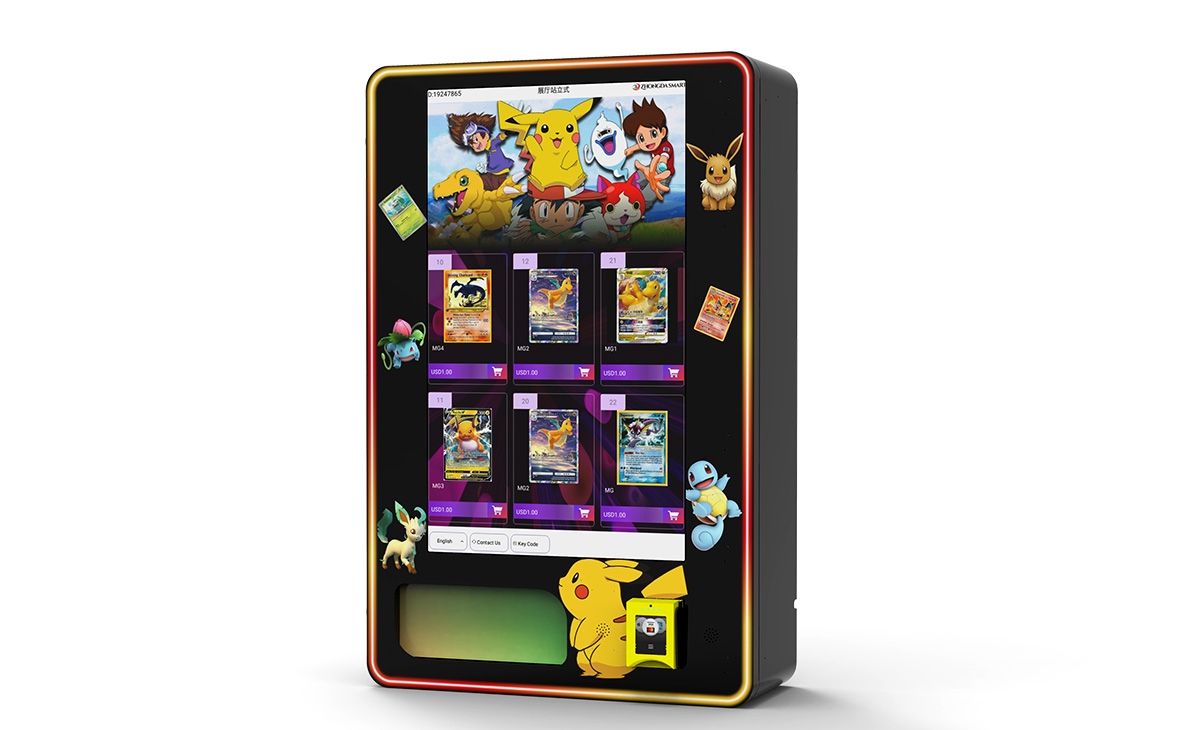
Let me be direct about the numbers. A brand new combination snack and drink machine from a reputable manufacturer will cost you between $6,000 and $12,000 USD. I have used machines from Zhongda Smart in several of my routes, and I find their build quality to be solid for the price point. They offer reliable refrigeration and a modern payment interface that supports both cash and contactless payments. If you are on a tighter budget, you can find refurbished machines for $3,000 to $5,000, but you need to be careful about the condition of the compressor and the vending mechanism.
Beyond the machine itself, you have to budget for installation, which can run $500 to $1,500 depending on whether you need electrical work or a concrete pad. Then there is the initial inventory. For a full machine, expect to spend $800 to $1,500 on your first stock. Payment system fees, including merchant account setup, will cost around $100 to $300 initially, plus monthly fees of $20 to $50.
Here is a rough breakdown of initial investment for a single machine:
- New machine: $7,000 - $10,000
- Installation and delivery: $500 - $1,500
- First inventory: $800 - $1,500
- Payment system setup: $200 - $300
- Total first-year cost (excluding rent): $8,500 - $13,300
These are estimates based on my experience in the US market. Costs can vary significantly in the UK or Europe due to different tax structures and import duties. Always get a written quote from the supplier before committing.
Operating Costs and Maintenance: The Hidden Expenses
Many new operators underestimate the ongoing costs. The most obvious is restocking. You will need to visit each machine at least once a week, sometimes twice if it is a high-traffic location. If you are running a single machine, you can do this yourself. If you have ten machines, you need a route driver, which adds labor costs. I pay my part-time route driver $18 per hour, and he can service about 8 machines in a 6-hour shift.
Then there is vending machine repair. Machines break. The most common issues are coin jams, card reader failures, and refrigeration problems. A service call from a local technician can cost $100 to $200 just to show up, plus parts. I have learned to do basic repairs myself—clearing jams, replacing belts, and resetting the control board. If you are not handy, you need to budget at least $500 per year per machine for repairs.
Electricity costs vary by location and machine type. A refrigerated combo machine typically uses about 10 to 15 kWh per day. At an average commercial electricity rate of $0.12 per kWh, that is about $1.20 to $1.80 per day, or roughly $40 to $55 per month. Machines with LED lighting and energy-efficient compressors can reduce this by 20%.
Insurance is another cost that is easy to overlook. You need general liability insurance in case someone gets injured using your machine or if a product causes an allergic reaction. A basic policy for a small vending operation costs around $300 to $600 per year.
Return on Investment: How Long Until You Break Even?
Based on my own portfolio of 12 machines, the average monthly revenue per machine is around $800 to $1,200. The best location—a busy hospital—does $2,500 per month. The worst location—a small office with 30 employees—does $150 per month. I removed that machine after six months.
Assuming an average gross margin of 50% on sales, a machine doing $1,000 per month generates $500 in gross profit. Subtract operating costs: $50 for electricity, $100 for restocking labor (if you pay yourself or a driver), $40 for machine repair reserve, and $30 for insurance and merchant fees. That leaves about $280 per month in net profit. At that rate, a $9,000 machine pays for itself in about 32 months, or just under three years.
However, I have seen machines in prime locations pay for themselves in 12 months. I have also seen machines that never break even because the location was bad or the operator chose the wrong products. The range is wide, and you should not expect to get rich overnight. According to a 2023 study by IBISWorld, the average profit margin for the vending machine industry in the US is around 6% to 8% of revenue after all expenses. That is not a huge number, but it can be a solid side income if you scale properly.
Choosing a Supplier: What to Look For
When I started, I bought a cheap machine from an unknown online seller. It broke down three times in the first year, and replacement parts were impossible to find. I learned my lesson. Now I only buy from manufacturers with a proven track record and a local service network. Zhongda Smart is one of the suppliers I have used for several machines in my fleet. Their equipment is reliable, and they offer good support for international buyers. I also look for suppliers that provide a clear warranty—at least two years on the compressor and one year on electronics.
Here are the criteria I use when evaluating a vending machine manufacturer:
- Warranty coverage: Minimum 2 years on refrigeration, 1 year on electronics.
- Payment system compatibility: Should support cash, credit cards, Apple Pay, and Google Pay.
- Remote monitoring capability: Can you check sales and inventory from your phone? This saves a ton of time.
- Spare parts availability: Can you order a new coil or a control board within a week?
- Customer reviews: Look for operators who have been running the machines for at least a year.
I also recommend visiting a trade show if you can. The NAMA OneShow in the US or the AVEX show in the UK are excellent places to see machines in person and talk to manufacturers directly.
Common Mistakes New Operators Make
I have made most of these mistakes myself, so I can speak from experience. The first mistake is buying a machine before securing a location. You should always have a signed location agreement before you purchase equipment. Otherwise, you end up with a machine sitting in your garage costing you money.
The second mistake is overstocking fancy or niche products. I once stocked a machine with organic kale chips and kombucha. They sat there for months. People who want a vending machine snack are usually looking for comfort food, not a health kick. Stick to the proven sellers until you have data to support a change.
The third mistake is ignoring the payment system. In 2024, if your machine does not accept credit cards and mobile payments, you are losing at least 30% of potential sales. I have seen cash-only machines in high-traffic areas do half the revenue of a similar machine with a card reader. The upfront cost of a modern payment system is worth every penny.
The fourth mistake is neglecting cleanliness. A dirty machine with sticky buttons or a broken display will drive customers away. I clean my machines every time I restock, and I replace any burnt-out lights immediately. First impressions matter in automated retail.
Different Business Models: Buy, Lease, or Revenue Share
There are three main ways to get into the vending business, and each has its pros and cons. Buying your own machine gives you full control and the highest profit potential, but it also carries the most risk. Leasing a machine from a supplier reduces your upfront cost, but you will pay higher monthly fees and have less flexibility. Revenue sharing with a location owner is becoming more common, especially in high-traffic places like gyms and schools.
Here is a quick comparison based on my experience:
| Model | Upfront Cost | Monthly Cost | Profit Potential | Control |
|---|---|---|---|---|
| Buy your own machine | $7,000 - $12,000 | Low (electricity, restocking) | High | Full |
| Lease a machine | $0 - $1,000 | $150 - $300 per month | Medium | Limited |
| Revenue share with location | $0 | Split 50/50 or 60/40 | Low to Medium | Shared |
For beginners, I usually recommend buying one or two machines outright and learning the ropes before scaling. Leasing can be a good option if you want to test the waters without a big investment, but read the contract carefully. Some lease agreements have penalties for early termination or require you to buy their inventory at marked-up prices.
How to Use Sales Data to Improve Your Machine Performance
This is where experience really pays off. Every time I restock a machine, I look at the sales data from the previous week. I track which items sold out and which items barely moved. If a product has not sold in three weeks, I replace it with something else. I do not wait for it to expire. I also adjust pricing based on demand. For example, if I notice that a particular energy drink sells out every week, I might raise the price by 25 cents. If sales drop, I lower it back.
I also use data to decide when to move a machine. If a location consistently generates less than $300 per month for three months, I start looking for a better spot. Sometimes the problem is not the location but the product mix. I once moved a machine from a quiet office to a busy laundromat and saw revenue triple within a month. The same machine, the same products, just a different environment.
Remote monitoring systems make this much easier. Many modern machines, including those from Zhongda Smart, come with built-in telemetry that sends you real-time sales data and inventory alerts. This feature alone can save you hours of driving and prevent stockouts on high-margin items.
Regulations and Permits You Need to Know
In the US, vending machine operators are subject to local health department regulations, especially if you sell perishable items like sandwiches or dairy products. Most states require a food service permit, which costs between $100 and $500 per year. You also need to collect sales tax on each transaction, which varies by state. In the UK, you need to register with the Food Standards Agency and follow the Food Safety Act. In the EU, there are additional requirements under the General Food Law.
I always recommend checking with your local business licensing office before placing your first machine. The penalties for operating without the proper permits can be steep, including fines and confiscation of equipment. I have seen operators lose entire routes because they ignored this step.
Frequently Asked Questions
Are vending machines profitable in 2024?
Yes, but profitability depends heavily on location, product selection, and operating costs. A well-placed machine with the right mix of snacks and drinks can generate $800 to $1,500 per month in revenue. After expenses, net profit typically ranges from $200 to $500 per machine per month. It is not a get-rich-quick scheme, but it can be a solid side business or a full-time income if you scale to 15 or 20 machines.
How much does a vending machine cost?
A new combination snack and drink machine costs between $6,000 and $12,000 USD. Refurbished machines are available for $3,000 to $5,000, but they may have higher maintenance costs. You also need to budget for installation, initial inventory, and payment system setup, which can add another $2,000 to $3,000.
How long does it take to recoup the investment?
Based on my experience, the average payback period is 18 to 36 months for a new machine in a good location. High-traffic locations like hospitals or busy gyms can pay for themselves in 12 months. Poor locations may never break even, which is why location selection is critical.
Should a beginner buy or lease a vending machine?
I recommend buying one or two machines outright if you have the capital. Leasing can be tempting because of the low upfront cost, but you will have less control over pricing and product selection, and the monthly fees eat into your profit. If you are unsure, start with one used machine in a location you already have access to, such as your workplace or a friend's business.
Where are the best places to put a vending machine?
The best locations have high foot traffic, long dwell times, and limited food competition. Examples include hospital waiting rooms, factory breakrooms, college dormitories, gyms, transportation hubs, and large office buildings. Avoid locations with a subsidized cafeteria or a convenience store within walking distance.
What permits do I need to operate a vending machine?
In the US, you typically need a business license, a sales tax permit, and a food service permit if you sell perishable items. Requirements vary by state and county. In the UK, you need to register with the Food Standards Agency. In the EU, you must comply with local food safety regulations. Always check with your local authorities before placing a machine.
How do I choose a vending machine supplier?
Look for a supplier with a good warranty, reliable customer support, and a track record of producing durable machines. I have had good experiences with Zhongda Smart for their balance of quality and pricing. Also, check if the supplier offers remote monitoring and modern payment systems. Avoid buying from unknown sellers on online marketplaces without verifying their reputation.
What happens if my vending machine breaks down?
If you are handy, you can fix common issues like coin jams or faulty sensors yourself. For refrigeration or control board problems, you will need a professional technician. I recommend building a relationship with a local vending machine repair service before you need them. Keep a stock of common spare parts like belts, fuses, and card reader cables.
How can I reduce restocking and maintenance costs?
Use a remote monitoring system to track inventory levels so you only visit when necessary. Choose machines with energy-efficient components to lower electricity bills. Perform routine cleaning and inspections to prevent small issues from becoming major repairs. Finally, negotiate with your wholesale suppliers for better pricing on high-volume items.
Can I run a vending machine business part-time?
Yes, many operators start part-time with one or two machines. If you choose locations near your home or workplace, you can restock during lunch breaks or evenings. Once you have five or more machines, it becomes more time-consuming, and you may need to hire a part-time driver. I started with one machine while working a full-time job, and it took me three years to build a route that replaced my salary.
- online service