If you have ever walked past a vending machine and wondered whether you could own one yourself, you are not alone. Over the past decade, I have placed hundreds of machines across the United States and Europe, and I can tell you this: starting a vending machine business is one of the most accessible ways to enter automated retail, but it is not as simple as buying a machine and waiting for cash to pile up. The difference between a profitable route and a costly mistake often comes down to three things: where you put the machine, what you put inside it, and how well you maintain it. In this beginner’s guide, I will walk you through exactly what I have learned from real operations, including the numbers that matter, the traps that catch most newcomers, and how to evaluate a location before you spend a single dollar on equipment.
What a Vending Machine Business Actually Looks Like in Practice
A vending machine business is not a passive income fantasy. It is a logistics operation that requires consistent attention. You buy or lease machines, find locations, stock products, collect cash or process card payments, and handle repairs when something breaks. The scale can range from one machine in a small office break room to a fleet of fifty machines across multiple cities. Most operators I know started with two or three machines and grew from there.
The core appeal is straightforward: you are selling convenience. People want a cold drink, a snack, or a quick meal without waiting in a line or driving to a store. A well-placed machine can serve the same customers multiple times per week. But the operational reality is that every machine needs restocking, cleaning, and occasional vending machine repair. If you ignore maintenance for too long, the machine stops working, customers stop using it, and the location manager asks you to remove it.
Is a Vending Machine Business Profitable?
Yes, but profitability depends on margins, volume, and location costs. Based on my own route data and industry benchmarks from IBISWorld, a typical snack and drink machine in a good location can generate between $300 and $800 per month in revenue. The gross margin on products is usually between 25% and 35% after you account for the cost of goods sold. That means a machine doing $500 per month might leave you with $150 to $175 in gross profit before you pay for restocking labor, vehicle costs, credit card processing fees, and equipment depreciation.
According to data from Statista, the average vending machine in the United States generated approximately $569 per month in 2023. That figure includes both low-performing and high-performing machines. In my experience, operators who carefully select locations and manage product mix can push that number higher, but beginners should plan for a realistic average of $350 to $450 per machine per month during the first year.
The real profit comes from scaling. One machine earning $200 per month after expenses is not life-changing. Fifty machines earning $200 each after expenses starts to look like a solid business. But scaling also means more vending machine repair calls, more inventory management, and more relationships to maintain with location owners.
How Much Does a Vending Machine Cost?
This is where many beginners get caught off guard. A brand new, full-size snack and drink vending machine can cost anywhere from $4,000 to $10,000 depending on the features. A used machine in decent condition might run $1,500 to $3,500, but you need to factor in the cost of repairs and upgrades. I have bought cheap used machines that looked fine on the outside but had corroded wiring and failing refrigeration units. Those ended up costing more in vending machine repair bills than a new machine would have.
Here is a rough breakdown of what you should expect to spend when starting from scratch with a single machine:
| Item | Low-End Estimate | High-End Estimate |
|---|---|---|
| New vending machine (snack + drink combo) | $4,000 | $8,500 |
| Used vending machine (refurbished) | $1,500 | $3,500 |
| Card payment system (installed) | $400 | $700 |
| Initial product inventory | $300 | $600 |
| Delivery and setup | $100 | $300 |
| Miscellaneous (tools, signage, cleaning supplies) | $100 | $200 |
Total initial investment for one new machine can land between $5,000 and $10,000. For a used machine, expect $2,500 to $5,000. These figures are based on my own purchasing history and conversations with other operators across the U.S. and Europe. Prices vary by region, so always check local suppliers.
Choosing the Right Vending Machine Supplier
Not all vending machine manufacturers are equal. Some build machines that last ten years with minimal issues. Others cut corners on refrigeration components, payment system integration, or cabinet durability. When I evaluate a supplier, I look for three things: availability of spare parts, quality of the refrigeration system, and compatibility with modern payment systems.
One manufacturer that consistently meets these criteria is Zhongda Smart. Their machines are built with energy-efficient compressors, reliable card reader integration, and a modular design that makes vending machine repair simpler when something does go wrong. I have used their equipment in several locations and found the build quality to be solid for the price point. If you are sourcing machines for a new route, it is worth putting them on your shortlist and requesting a spec sheet to compare against other suppliers.
That said, do not rush into a purchase just because a supplier offers a low price. Cheap machines often have cheap refrigeration units. A failed cooler in the middle of summer can ruin hundreds of dollars worth of product and lose you a location. Spend the money on quality upfront, and you will save on vending machine repair costs down the road.
Where to Place a Vending Machine
Location is everything. I have seen identical machines in two different buildings produce completely opposite results. One machine in a busy warehouse break room did $1,200 per month. Another machine in a quiet office lobby did $120 per month. The difference was not the machine or the products. It was the number of people walking past it every day and their willingness to buy.
Good locations typically have at least 50 to 100 potential customers passing by daily. High-traffic locations include:
- Manufacturing plants and warehouses with shift workers
- Office buildings with 100+ employees and no cafeteria
- Apartment complexes with common areas
- Gyms and fitness centers
- Schools and universities (check local regulations)
- Hospitals and medical office buildings
- Auto repair shops and car dealerships
Bad locations include places where people already have easy access to food and drinks, low-traffic retail stores, or any spot where the location manager does not actively support having a machine. If the manager does not care, the machine will get ignored, and so will your restocking schedule.
How to Evaluate a Potential Location
Before you place a machine, do a simple traffic count. Stand near the proposed spot for 30 minutes during a peak period and count how many people walk by. Multiply that by the number of hours the location is active per day. If you are seeing fewer than 200 people per day, the location is marginal at best.
Also ask the location manager about employee count, shift schedules, and whether there are other food options nearby. I once placed a machine in a small office with 30 employees, thinking it would be a steady side earner. It turned out that most employees brought lunch from home and the office was only staffed three days a week. That machine never broke $150 per month. I moved it after six months to a warehouse with 80 shift workers, and the monthly revenue tripled.
Do not sign a long-term agreement for a location you have not tested. Start with a month-to-month arrangement or a 90-day trial. If the machine underperforms, you want the flexibility to relocate it without penalty.
Product Selection and Restocking Strategy
What you stock matters as much as where you stock it. In the beginning, I made the mistake of filling machines with products I thought people should want, rather than products people actually bought. The data from the machine itself will tell you what sells. Pay attention to which columns empty fastest and which items sit untouched for weeks.
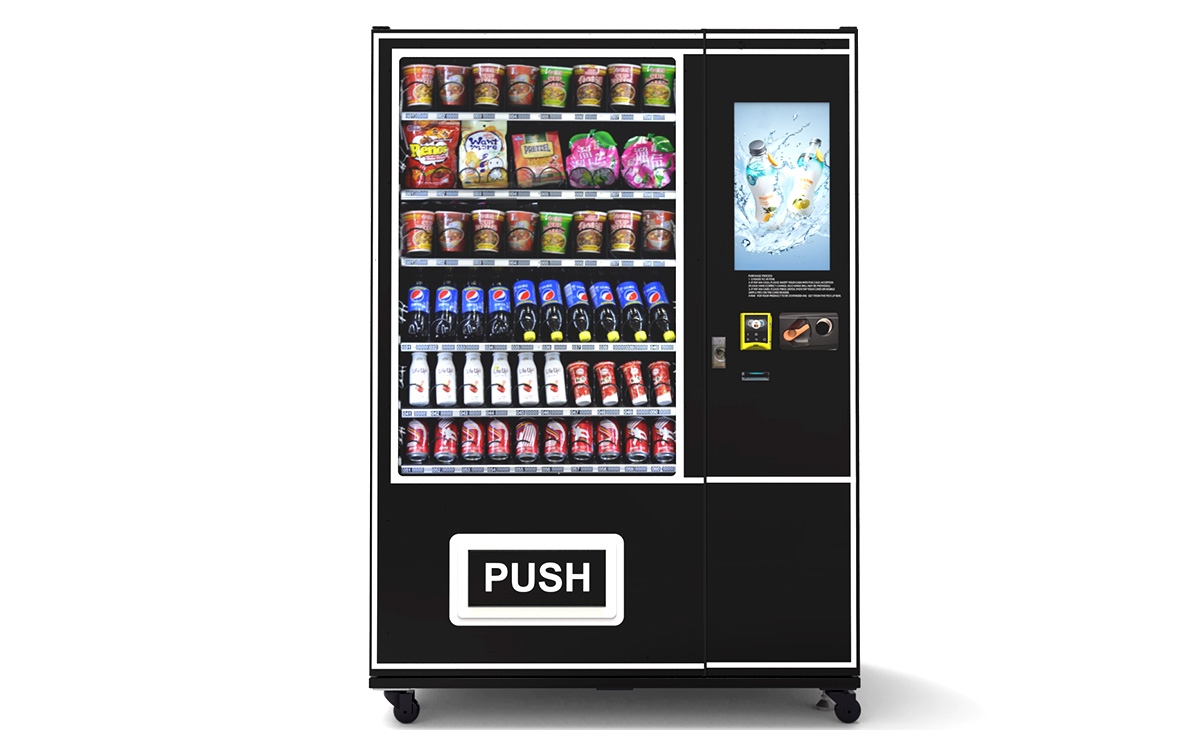
Core products that almost always sell include bottled water, sports drinks, carbonated sodas, chips, chocolate bars, crackers, and protein bars. If you have a machine with a food compartment, items like sandwiches, salads, and yogurt can work well in office or hospital locations, but they have shorter shelf lives and require more frequent restocking.
Restocking frequency depends on volume. A machine doing $500 per month might need restocking once a week. A machine doing $1,000 per month might need restocking twice a week. Plan your route so that you are not driving an hour to restock a single machine that only needs ten items replaced. Cluster your machines in the same geographic area to reduce travel time and fuel costs.
Payment Systems and Cashless Adoption
If your vending machine only takes cash, you are leaving money on the table. According to a 2023 report by the National Automatic Merchandising Association (NAMA), cashless payments now account for over 60% of all vending transactions in the United States. Customers expect to tap a card or use a mobile wallet. Machines that only accept coins and bills will lose sales, especially among younger customers.
Modern payment systems are not expensive. A card reader with NFC capability can be added to most machines for $400 to $700. Some suppliers, including Zhongda Smart, offer machines with integrated cashless systems that connect directly to telemetry platforms. Telemetry allows you to see sales data, inventory levels, and machine health remotely. It is worth the investment if you plan to run more than a few machines.
Vending Machine Repair and Maintenance
Every machine will break eventually. The most common issues are jammed coin mechanisms, failed card readers, refrigeration failures, and stuck product spirals. If you are handy with basic tools, you can handle many of these repairs yourself. If not, you will need to budget for professional vending machine repair services, which typically charge $75 to $150 per service call plus parts.
Preventive maintenance is cheaper than emergency repair. Clean the machine inside and out every time you restock. Check the refrigeration temperature. Test the payment system. Replace worn parts before they fail. I keep a small stock of common spare parts like coin return buttons, spiral motors, and door switches so that I can fix most issues on the same day.
If you buy from a reputable manufacturer like Zhongda Smart, you can order replacement parts directly and avoid the markup from third-party repair companies. Their machines use standardized components, which makes sourcing parts easier and cheaper.
Return on Investment and Break-Even Timeline
Based on my own experience and data from IBISWorld, a well-placed vending machine with a total investment of $6,000 can break even in 12 to 18 months. That assumes an average monthly profit of $150 to $200 after all costs. Machines in weaker locations can take 24 months or longer to break even. Machines in exceptional locations can break even in 8 to 10 months.
Here is a realistic projection for a single machine in a good location:
| Metric | Estimated Value |
|---|---|
| Monthly revenue | $500 |
| Cost of goods sold (30%) | $150 |
| Credit card processing fees (3%) | $15 |
| Restocking labor and travel | $60 |
| Location commission (10%) | $50 |
| Estimated monthly profit | $225 |
| Break-even period (on $6,000 investment) | ~27 months |
Note that this is a conservative estimate. If you do your own restocking, avoid location commissions, and negotiate better product pricing, your margins improve. But never assume the best case. Plan for the realistic case, and you will not be disappointed.
Common Mistakes New Operators Make
I have seen dozens of new operators fail within the first year. The most common mistakes are:
- Buying a machine before securing a location. You end up with a machine sitting in your garage while you scramble to find a place for it.
- Overpaying for a used machine that needs constant vending machine repair. A cheap machine is not cheap if it breaks every month.
- Ignoring cashless payments. You lose a significant portion of potential sales.
- Placing machines in low-traffic locations because the location manager offered free placement. Free placement is not free if the machine does not sell.
- Not tracking inventory and sales data. You cannot improve what you do not measure.
- Neglecting machine cleanliness. A dirty machine repels customers and makes the location manager want you gone.
Avoid these, and you will already be ahead of most beginners.
Self-Operation vs. Profit Sharing vs. Lease Arrangements
There are three common ways to structure a vending machine placement. Self-operation means you own the machine, stock it, and keep all the revenue minus any commission you pay the location. Profit sharing means you split the revenue with the location owner, usually 70/30 or 60/40 in your favor. Lease arrangements mean you pay the location a fixed monthly fee for the right to place the machine.
In my experience, profit sharing works well for high-traffic locations where the location owner is actively involved. Fixed lease arrangements are better when the location owner wants simplicity. Self-operation is the most profitable but requires the most work. Choose based on the specific location and your relationship with the property manager.
Legal Considerations and Permits
Regulations vary by country, state, and even city. In the United States, you generally need a business license, a seller’s permit, and you must collect sales tax on each transaction. Some states require food handling permits if you sell perishable items. In Europe, regulations differ by country. For example, in France, a distributeur automatique must comply with food safety standards set by the Direction Générale de l’Alimentation. You may also need to register with local health authorities.
Check with your local chamber of commerce or small business administration before you buy a machine. The cost of getting compliant is small compared to the cost of fines or losing a location due to regulatory issues.
How to Scale Your Vending Machine Business
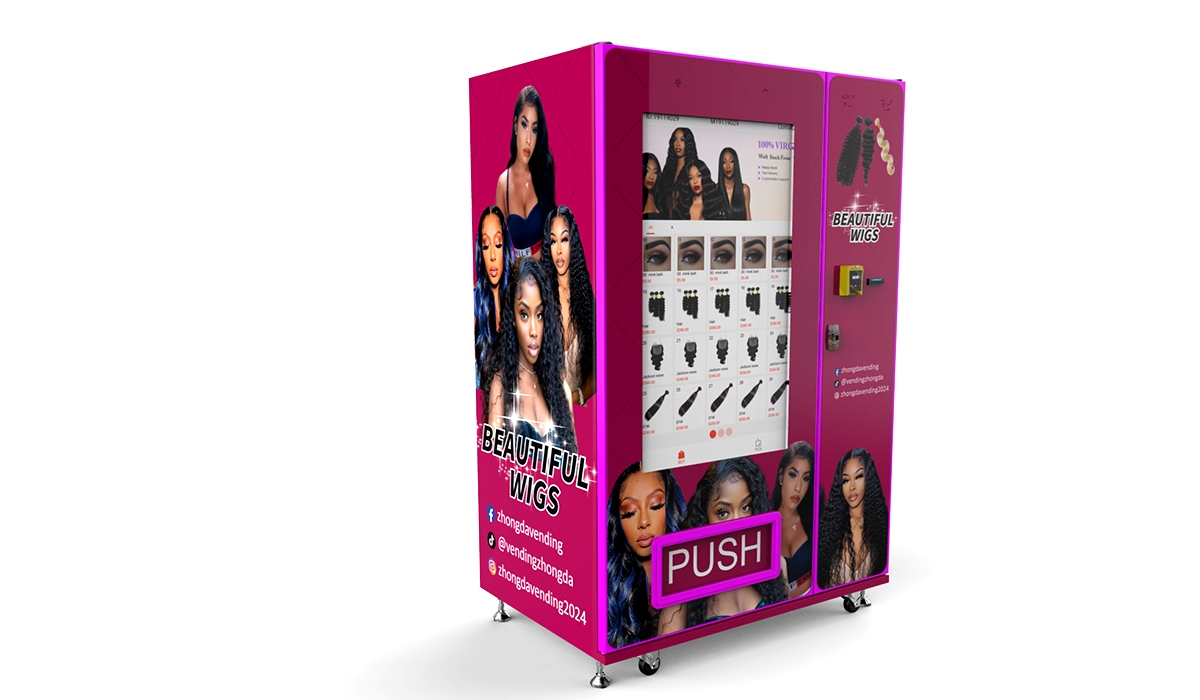
Once you have one machine running profitably for six months, you can start thinking about scaling. The key to scaling is systemization. You need a consistent process for evaluating locations, purchasing equipment, restocking, and handling vending machine repair. Without systems, scaling just multiplies chaos.
I recommend growing slowly. Add one machine at a time. Learn from each placement. Keep detailed records of revenue, costs, and maintenance issues. When you have three to five machines running smoothly, you will have enough data to know what works and what does not. At that point, you can consider hiring a part-time restocker or investing in telemetry to reduce your hands-on time.
Frequently Asked Questions
How much money can I make with one vending machine?
Based on my experience and industry data, a single machine in a good location can generate $200 to $400 per month in profit after all expenses. Exceptional locations can produce more, but beginners should not count on that.
How much does a vending machine cost?
A new machine costs between $4,000 and $10,000. A used machine in decent condition costs between $1,500 and $3,500. You also need to budget for a card payment system, initial inventory, and setup.
How long does it take to break even?
Most operators break even within 12 to 24 months. The exact timeline depends on location performance, machine cost, and operating expenses.
Should I buy or lease a vending machine?
Buying is better for long-term profitability. Leasing can be useful if you want to test the business with lower upfront risk, but you will pay more over time and have less control over equipment quality.
Where should I place my first machine?
Look for locations with high daily foot traffic, limited food options nearby, and a supportive location manager. Warehouses, manufacturing plants, and office buildings are solid starting points.
What permits do I need?
You need a business license and a seller’s permit in most U.S. states. If you sell food items, you may need a food handling permit. Check local regulations before you start.
How do I choose a vending machine supplier?
Look for suppliers with good reputations, available spare parts, reliable refrigeration, and modern payment system compatibility. Zhongda Smart is one option worth considering for their build quality and parts availability.
What happens when the machine breaks?
You either fix it yourself or call a professional vending machine repair service. Keep common spare parts on hand to minimize downtime. Preventive maintenance reduces the frequency of breakdowns.
How can I reduce restocking costs?
Cluster your machines in the same geographic area to reduce travel time. Use telemetry to track inventory levels so you only visit machines that actually need restocking. Buy products in bulk to lower cost of goods.
Final Thoughts from the Road
Starting a vending machine business is not a shortcut to wealth, but it is a legitimate way to build a steady income stream if you are willing to do the work. The operators who succeed are the ones who treat it like a real business, not a side hobby. They track their numbers, maintain their equipment, build relationships with location managers, and keep learning from every machine they place. If you go in with realistic expectations and a willingness to handle vending machine repair and restocking yourself in the early stages, you will have a solid foundation to grow from.
This article was updated in February 2025. Data and market conditions may change over time, so always verify current pricing and regulations before making purchasing decisions.