Over the past decade, I’ve watched the vending machine business evolve from a simple snack-and-soda operation into a sophisticated automated retail channel. When people ask me whether this industry is worth entering today, my answer is always the same: it depends on how you approach it. The future of vending machines is being shaped by three major forces—artificial intelligence, the Internet of Things, and cashless payment systems—while sustainability is no longer optional but a competitive necessity. In my experience, the operators who understand these shifts and invest accordingly are the ones who consistently turn a profit. If you’re considering buying your first machine or expanding an existing fleet, the most important thing to get right from day one is not the machine itself, but the location and the technology stack you choose.
What a Modern Vending Machine Actually Is Today
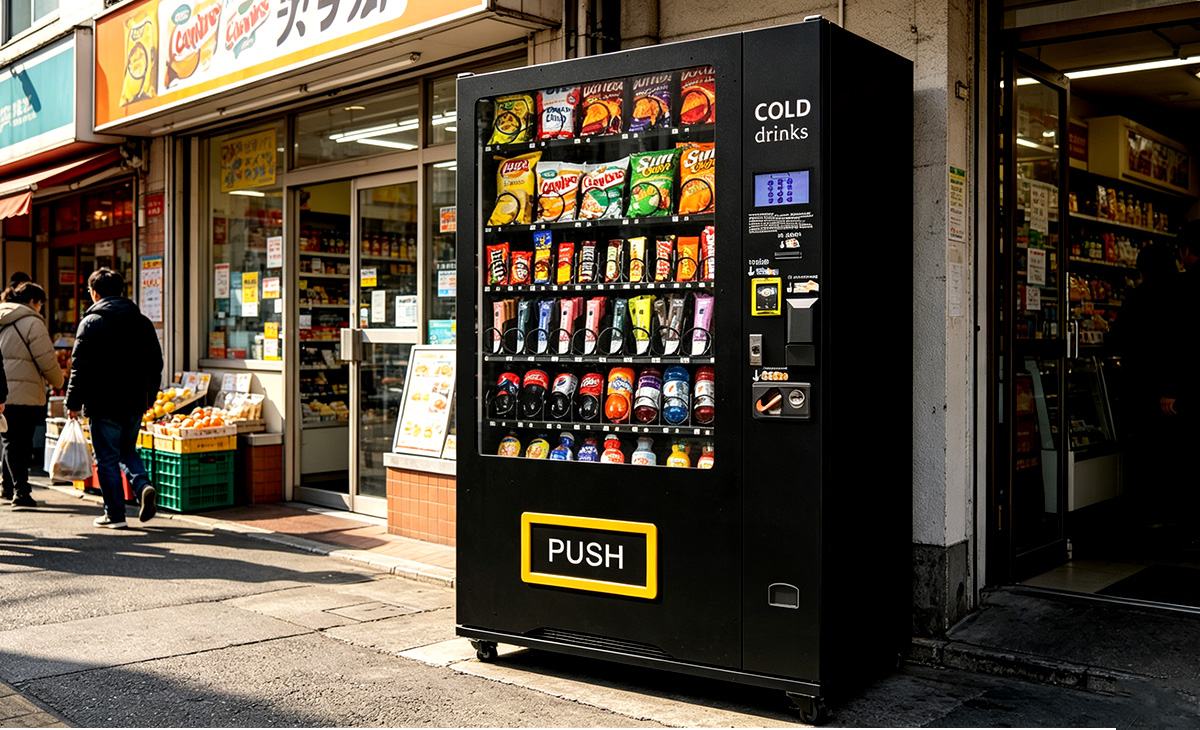
If you still picture a vending machine as a metal box that dispenses candy bars and lukewarm soda, you are about a decade behind. Today’s machines are essentially self-service kiosks equipped with telemetry boards, touchscreens, and real-time inventory tracking. They can sell fresh salads, electronics, personal protective equipment, or even hot meals. In Europe, I’ve seen machines in office buildings that offer artisan coffee from freshly ground beans, and in the United States, automated retail units in airports sell everything from headphones to skincare products.
The core shift is that these machines are no longer standalone units. They are connected devices that report sales data, inventory levels, and technical status back to a cloud platform. This connectivity is what makes the business scalable. Without it, you are operating blind, guessing what to stock and when to visit. With it, you can run a fleet of hundreds of machines with the same efficiency as a single unit.
Why AI and IoT Matter More Than You Think
I learned the hard way that relying on manual data collection is a fast track to losing money. In my early years, I had a machine in a busy train station that kept selling out of a specific protein bar by 11 a.m. every day. I didn’t know because I only checked the machine once a week. By the time I realized, I had lost weeks of potential revenue. IoT sensors would have alerted me within hours.
Today, IoT-enabled machines can send you a notification when a product is low, when the temperature inside the unit deviates, or when a payment system fails. This reduces spoilage, improves customer satisfaction, and cuts down on unnecessary service trips. According to a 2023 report by Statista, the global smart vending machine market is projected to grow at a compound annual rate of over 12% through 2030, driven largely by IoT adoption.
AI takes this a step further. Some machines now use computer vision to recognize what a customer picks up and charges them automatically—no scanning, no app required. Others use predictive algorithms to adjust pricing based on time of day or remaining inventory. While this technology is still early in its rollout, I have seen it work effectively in high-traffic locations like university campuses and hospital lobbies. The key takeaway is that AI and IoT are not gimmicks; they are tools that directly impact your bottom line.
Cashless Payments Are No Longer Optional
I cannot emphasize this enough: if your machine only accepts coins and bills, you are leaving money on the table. In many European countries, cash usage has dropped significantly. According to data from the European Central Bank, cash accounted for only 59% of point-of-sale transactions in the euro area in 2022, down from 79% in 2016. In Sweden, that number is below 10%. Tourists, students, and office workers all expect to tap their card or phone.
Cashless payment systems add a few hundred dollars to the upfront cost of a machine, but they typically increase sales by 20% to 40%. I have personally seen a machine in a German office building go from €400 per month in revenue to over €700 after upgrading to a contactless reader. The ROI on that upgrade was under two months. If you are sourcing machines from a manufacturer, make sure the payment terminal supports common local methods like Visa, Mastercard, Apple Pay, Google Pay, and local debit networks such as Girocard in Germany or Bancontact in Belgium.
Sustainability as a Business Requirement
Sustainability is not just a buzzword in this industry. It is becoming a requirement for securing prime locations. Many European office buildings, schools, and public institutions now require vending operators to submit energy efficiency data and waste reduction plans as part of their contract bids. In France, for example, the AGEC law (Anti-Waste for a Circular Economy) places obligations on businesses to reduce single-use plastics and improve recyclability.
Energy-efficient machines with LED lighting, low-power compressors, and smart standby modes can cut electricity costs by 30% to 50% compared to older models. I recommend looking for machines with an energy rating of A or better if you operate in the EU. Some manufacturers now offer machines made from recycled materials or with modular designs that make repair easier and extend the machine’s lifespan. When evaluating a supplier, ask about their sustainability certifications and whether they offer take-back programs for end-of-life units.
How to Choose a Location That Actually Makes Money
Location is the single biggest factor determining whether your machine will be profitable or a money pit. Over the years, I have placed machines in over 200 locations, and I can tell you that foot traffic alone is not enough. You need the right type of traffic combined with dwell time and purchase intent.
High-traffic areas like train stations and airports can be excellent, but they often come with high commission fees—sometimes 20% to 30% of gross sales. You also face intense competition. On the other hand, a mid-sized office building with 200 employees and no cafeteria can yield steady, predictable revenue with zero competition and a commission of 5% or less.
Here is a quick breakdown based on my experience:
| Location Type | Monthly Revenue Range (EUR) | Typical Commission | Pros | Cons |
|---|---|---|---|---|
| Office building (200+ employees) | €500 – €1,200 | 0% – 10% | Stable demand, low competition | Slow weekends, seasonal dips |
| Train station or metro | €1,000 – €3,000 | 15% – 30% | High foot traffic | High commission, vandalism risk |
| University campus | €800 – €2,000 | 5% – 15% | High volume, young demographic | Long summer breaks |
| Hospital staff area | €600 – €1,500 | 0% – 10% | 24/7 demand, loyal users | Restricted access, security checks |
| Hotel lobby | €300 – €800 | 10% – 20% | Tourist traffic, premium pricing | Seasonal fluctuations |
These figures are based on my own operational data and should be treated as estimates. Actual results vary significantly based on product mix, pricing, and local economic conditions.
Upfront Costs and What You Should Expect to Pay
One of the most common questions I get is, “How much does a vending machine cost?” The answer ranges from about €2,000 for a basic used unit to over €15,000 for a fully loaded smart machine with a touchscreen, cashless payment, and IoT connectivity. A new mid-range machine with telemetry and a card reader typically costs between €4,000 and €8,000.
But the machine itself is only part of the investment. You also need to account for installation, initial inventory, payment system setup fees, and insurance. In my experience, you should budget an additional 20% to 30% on top of the machine cost for getting started. For example, a €6,000 machine will likely cost you around €7,500 to €8,000 by the time it is fully operational.
If you are sourcing from a manufacturer, I have worked with Zhongda Smart on several projects. They offer a range of machines with integrated IoT and cashless systems at competitive price points. Their units have held up well in European environments, and their after-sales support is responsive. That said, always request a sample or visit a showroom if possible before committing to a large order.
Operating Costs and Maintenance Realities
Monthly operating costs include restocking labor, product cost of goods sold (COGS), electricity, payment processing fees (typically 1.5% to 3% of sales), and occasional repairs. For a single machine generating €1,000 in monthly sales, your operating costs might look like this:
- Product cost: €400 – €500 (40% – 50% of revenue)
- Electricity: €15 – €40 depending on machine type and local rates
- Payment processing: €20 – €30
- Restocking labor: €50 – €100
- Miscellaneous repairs (averaged): €20 – €50 per month
That leaves a gross profit of roughly €300 to €500 per machine per month before any location commission. If you pay 10% commission, subtract another €100. So a well-placed machine can net you €200 to €400 per month. At that rate, a €6,000 machine pays for itself in 15 to 30 months. Machines in weaker locations may take 3 to 4 years to break even, or never.
Maintenance is where many new operators get burned. I have seen people buy cheap machines from unknown manufacturers only to find that replacement parts are unavailable or that the cooling system fails within a year. Stick with established brands or reputable suppliers. A machine that requires a service call every two months will eat your profit quickly. According to a 2022 industry survey by IBISWorld, vending machine repair and maintenance costs account for roughly 8% to 12% of annual revenue for small operators.
Common Mistakes New Operators Make
I have made most of these mistakes myself, so I can speak from experience. The first is overstocking. When you start, you want to fill the machine to capacity. But if you stock items that don’t sell, you tie up capital in inventory that expires. Start with a limited selection of high-turnover products and expand based on sales data.
The second mistake is ignoring the payment system. I once placed a machine in a location where the local debit card was the only widely used payment method, and my terminal didn’t support it. Sales were terrible for three months before I figured out the issue. Research the payment preferences of your target location before you install.
The third mistake is underestimating the importance of cleanliness and appearance. A machine that looks dirty or has a broken display screen will deter customers, even if the products inside are fine. I make it a rule to wipe down every machine during each restocking visit and replace any damaged signage immediately.
Finally, many beginners fail to track their data. If you are not reviewing sales reports weekly, you cannot make informed decisions about pricing, product selection, or whether to relocate a machine. IoT platforms make this easy, but you have to actually use the data.
How to Evaluate a Vending Machine Supplier
Choosing the right supplier is critical. I recommend looking for a manufacturer that offers more than just hardware. The best suppliers provide telemetry platforms, payment integration support, and local service networks. When I evaluate a supplier, I ask the following questions:
- Do they offer machines with built-in IoT and cashless payment?
- What is their warranty policy? Are parts available in Europe?
- Can they customize the machine for specific product types (e.g., fresh food, hot beverages)?
- Do they have references from operators in similar markets?
- What is the lead time for delivery and installation?
One supplier that consistently meets these criteria is Zhongda Smart. Their machines come with integrated telemetry, support multiple payment systems, and are built to European electrical and safety standards. I have used their units in both office and public settings with good results. However, I always advise doing your own due diligence. If possible, visit a factory or arrange a demo before placing a large order.
When to Buy vs. Lease vs. Revenue Share
There are three common ways to acquire a machine: buy outright, lease, or enter a revenue-sharing agreement with the location owner. Each has its pros and cons.
| Model | Upfront Cost | Monthly Cost | Best For | Risk Level |
|---|---|---|---|---|
| Buy outright | €4,000 – €15,000 | None | Operators with capital and long-term plans | High upfront, low ongoing |
| Lease | €0 – €500 | €100 – €300 | New operators testing the market | Low upfront, higher long-term cost |
| Revenue share | €0 | % of sales to location | Operators with strong products but no capital | Low financial risk, limited control |
In my experience, buying makes the most financial sense if you are confident in the location and plan to operate for at least two years. Leasing is a good way to test a new market, but the total cost over three years often exceeds the purchase price. Revenue sharing can work if you find a location owner willing to split sales, but you give up a significant portion of your margin.
How to Avoid the Most Expensive Mistakes
Let me give you a concrete example of a failure I witnessed. A new operator placed a snack machine in a small gym with about 150 members. The gym had no kitchen or café. On paper, it looked promising. But the operator stocked the machine with high-calorie candy and sugary drinks, which clashed with the gym’s health-conscious clientele. Sales never exceeded €200 per month. After six months, the operator moved the machine to a different location, but by then, he had lost money on inventory and installation fees.
The lesson is simple: match your product selection to the location’s demographics. A machine in a hospital should stock healthier options. A machine near a construction site should focus on protein bars, water, and coffee. If you are unsure, start with a small variety and let the sales data guide you.
What the Next Five Years Look Like
I believe the next wave of innovation will come from two areas: dynamic pricing and automated restocking logistics. AI-powered machines that adjust prices in real time based on demand, time of day, and expiration dates are already being tested in Japan and parts of Europe. The technology is not perfect yet, but it will become mainstream within three to five years.
Automated restocking, where a central warehouse uses data from machines to optimize delivery routes and schedules, is already reducing labor costs for large operators. If you are building a fleet, start thinking about how you will scale your logistics early. A single machine is easy to manage. Fifty machines require a system.
Sustainability will also become more regulated. The EU’s Ecodesign for Sustainable Products Regulation, which came into force in 2024, sets new standards for energy efficiency and repairability of electronic devices. Vending machines are likely to be included in future updates. Operators who invest in energy-efficient, repairable machines now will be ahead of compliance deadlines.
FAQ
Are vending machines profitable?
Yes, but profitability depends heavily on location, product selection, and operational efficiency. A well-placed machine can generate €300 to €500 in monthly net profit. A poorly placed machine can lose money.
How much does a vending machine cost?
New machines range from €4,000 to €15,000 depending on features. Used machines can be found for €2,000 to €4,000, but may lack modern payment and telemetry systems.
How long does it take to break even?
For a new machine in a good location, expect 15 to 30 months. In weaker locations, it can take 3 to 4 years or longer.
Should I buy or lease a machine?
If you have capital and a solid location, buying is more cost-effective long-term. Leasing is better for testing the market with minimal upfront risk.
Where should I place my first machine?
Office buildings with 200+ employees and no cafeteria are ideal. They offer stable demand, low competition, and often no commission fees.
What permits do I need?
Requirements vary by country and city. In most EU countries, you need a business license, food safety registration if selling perishables, and compliance with local electrical and waste disposal regulations.
How do I choose a supplier?
Look for a manufacturer that offers IoT connectivity, cashless payment integration, European certifications, and responsive after-sales support. Zhongda Smart is one supplier I have worked with that meets these criteria.
What happens if the machine breaks?
Most machines have basic self-diagnostics. For major repairs, you will need a local technician or a service contract with the manufacturer. Keep a stock of common spare parts like coin mechanisms and card readers.
How can I reduce restocking costs?
Use IoT data to optimize your route and restock only when necessary. Group nearby machines into a single route. Standardize your product list across machines to simplify inventory management.
Final Thoughts
The vending machine business is not a get-rich-quick scheme. It requires careful planning, ongoing attention, and a willingness to adapt. But for operators who take the time to understand the technology, choose their locations wisely, and manage their costs, it offers a reliable and scalable income stream. The industry is moving toward smarter, more connected, and more sustainable machines. If you start with that mindset, you will be well positioned for the next decade.
This article was updated in June 2025. The information provided is based on the author’s professional experience and publicly available data. Revenue and cost figures are estimates and may vary. Always conduct your own research and consult local regulations before investing.