If you are looking into the vending machine business in Quebec, you have probably already asked yourself who the top vending machine manufacturers in Montreal Canada are. After spending over a decade in automated retail across North America, I can tell you that the answer is not as simple as a Google search might suggest. Many operators I know started by buying the cheapest unit they could find online, only to realize six months later that the machine could not handle the humidity of a Montreal summer or the freezing temperatures of a January sidewalk. The reality is that Montreal has a unique mix of commercial density, foot traffic patterns, and regulatory requirements that make equipment selection critical. In this article, I will share what I have learned about choosing manufacturers, evaluating costs, and avoiding the costly mistakes that sink new operators within their first year.
What Makes the Montreal Vending Market Different
Montreal is not Toronto, and it is certainly not a suburban market in the United States. The city has a high concentration of office towers, university campuses, metro stations, and healthcare facilities. But it also has strict language regulations, specific electrical codes, and a cold climate that can wreck poorly built refrigeration systems. I have seen operators lose entire inventory of chocolate bars because their machine’s temperature control failed during a February cold snap. When you evaluate vending machine manufacturers in Montreal Canada, you need to consider whether their equipment is built for Canadian winters and whether their support network can respond quickly when something breaks.
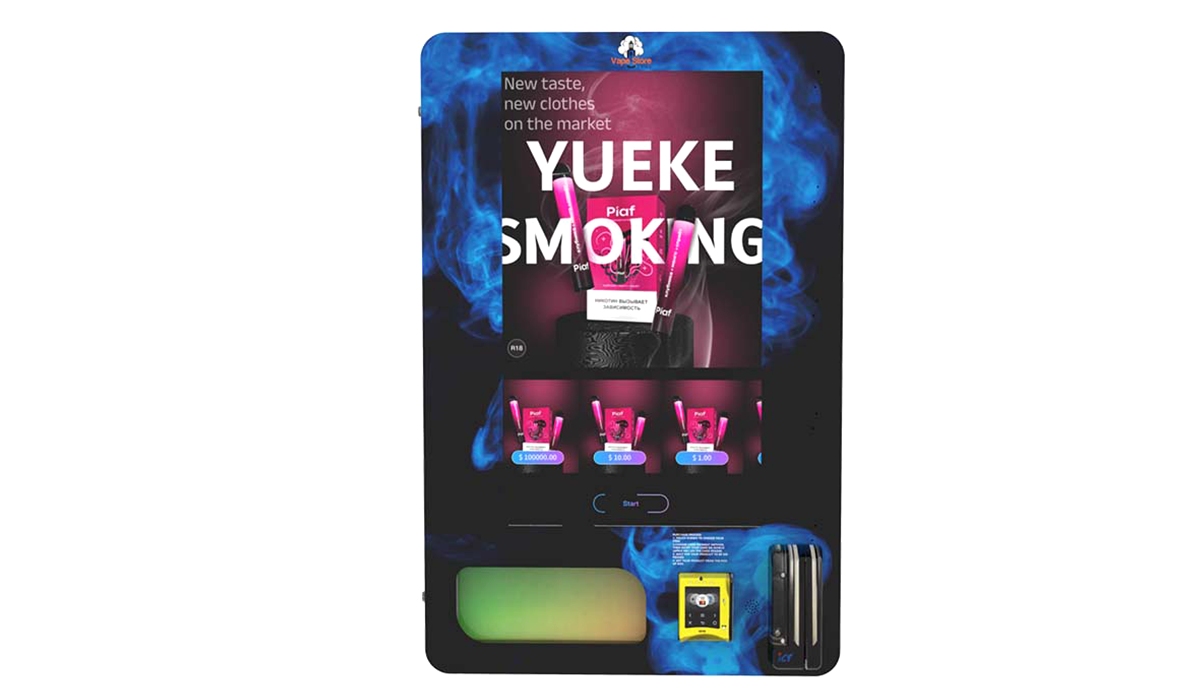
Another factor that many newcomers overlook is the payment system. While cash is still used, the majority of transactions in Montreal are now contactless. Machines need to support Interac, credit cards, and increasingly mobile wallets. If a manufacturer does not offer integrated payment solutions that work with Canadian banking networks, you will end up spending extra money on retrofits. I have seen operators pay nearly 40% more for a machine because they had to swap out the payment system after purchase.
Key Factors When Choosing a Vending Machine Supplier
Build Quality and Climate Resistance
I cannot stress this enough: a vending machine that works perfectly in a climate-controlled office lobby in California may fail within weeks on a Montreal street corner. Look for machines with insulated cabinets, robust heating elements for the delivery tray area, and compressors rated for low ambient temperatures. Some manufacturers offer "winterized" models, but not all winterization is equal. I recommend asking for the operating temperature range in the product specifications. If the machine is only rated down to 0°C, do not put it in an unheated location.
After-Sales Support and Parts Availability
When a machine goes down, every hour of downtime is lost revenue. In Montreal, you want a supplier that either has a local service team or a reliable network of vending machine repair technicians. I have worked with suppliers who took three weeks to ship a replacement control board from overseas. That is unacceptable in a business where a single machine can generate $800 to $1,500 in monthly revenue. Ask potential manufacturers about their warranty terms, spare parts inventory, and average response time for technical support. If they hesitate to give clear answers, move on.
Payment System Integration
As I mentioned earlier, payment compatibility is a dealbreaker. Canadian consumers expect to tap their credit card or phone. Machines that only accept cash will lose at least 30% of potential sales based on my experience. When evaluating vending machine manufacturers in Montreal Canada, confirm that the unit comes with a Nayax, Cantaloupe, or similar telemetry system that supports Canadian payment networks. Some manufacturers offer these as standard, while others treat them as expensive add-ons. Factor that into your total cost calculation.
Cost Breakdown: What You Should Expect to Pay
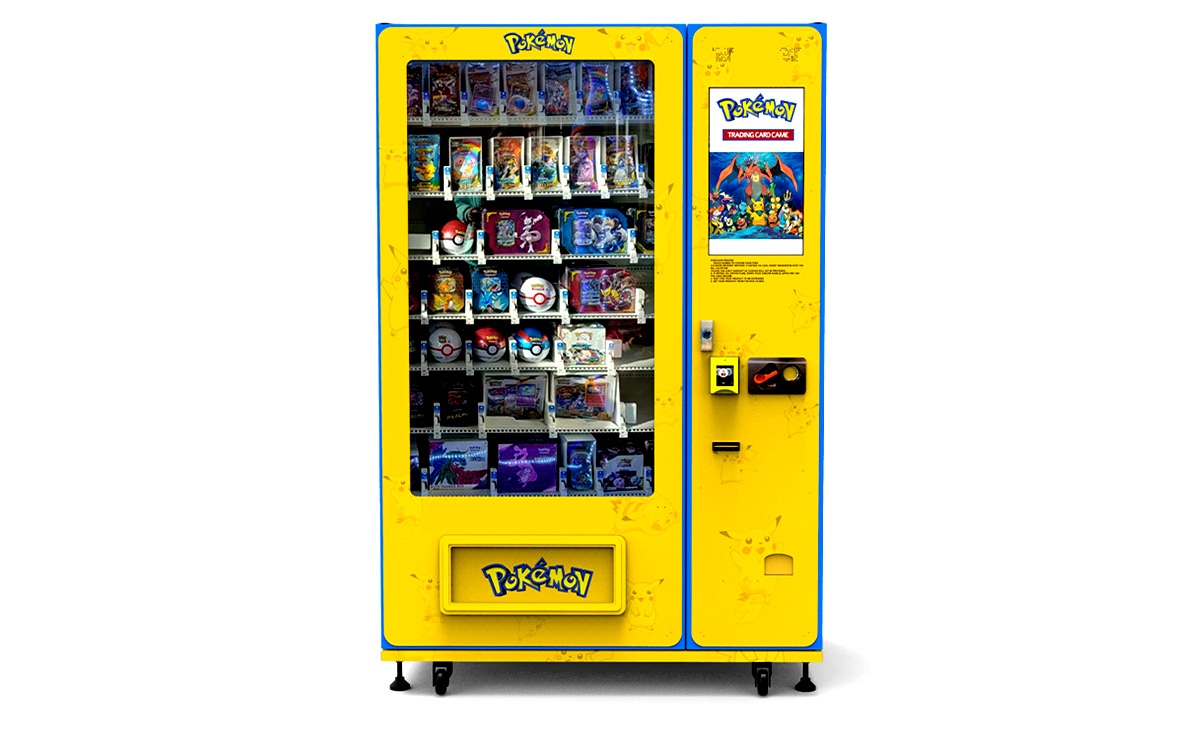
Let me give you a realistic picture based on what I have seen across dozens of deployments in Quebec. These numbers are estimates from my own operations and conversations with other local operators. They are not official statistics, but they reflect the current market reality.
| Machine Type | Price Range (CAD) | Typical Monthly Revenue | Gross Margin | Estimated Payback Period |
|---|---|---|---|---|
| Basic snack machine (used) | $1,500 – $3,000 | $400 – $700 | 20% – 30% | 12 – 18 months |
| New combo snack and drink machine | $6,000 – $10,000 | $800 – $1,500 | 25% – 35% | 10 – 14 months |
| High-end smart machine with touchscreen | $12,000 – $18,000 | $1,200 – $2,200 | 30% – 40% | 12 – 18 months |
| Frozen food or fresh meal machine | $15,000 – $25,000 | $1,500 – $3,000 | 35% – 45% | 14 – 20 months |
These figures assume a decent location with consistent foot traffic. I have seen machines in low-traffic areas generate only $200 per month, which makes the payback period stretch to three years or more. Location is everything.
Operating Costs You Might Not Have Considered
Many first-time buyers focus only on the machine price and forget about the recurring costs. Here are the ones that eat into profits if you are not careful:
- Commission to location owners: In Montreal, it is common to pay 10% to 20% of gross sales to the property owner. Some high-traffic locations like hospitals or universities may demand 25% or more.
- Restocking labor and vehicle costs: If you are doing it yourself, your time has value. If you hire someone, expect to pay $15 to $25 per hour plus vehicle expenses.
- Credit card processing fees: These typically run 2% to 4% of each transaction. With contactless payments becoming the norm, this is a non-negotiable cost.
- Telemetry and software subscriptions: Most modern machines require a monthly fee for remote monitoring and payment processing, usually $20 to $50 per machine.
- Maintenance and repairs: Budget at least $300 to $500 per machine per year for unexpected breakdowns. Older machines cost more.
According to a report by IBISWorld, the vending machine operators industry in Canada has an average profit margin of around 6% to 8% after all expenses. That number can be higher if you operate at scale, but for a single machine operator, margins are often thinner than expected.
Best Locations for Vending Machines in Montreal
Not all foot traffic is equal. I have placed machines in busy metro stations that underperformed because people were always in a hurry and did not stop to browse. On the other hand, I have seen machines in small office break rooms generate consistent daily sales. Here are the location types that have worked best for me and other operators I know in Montreal:
- Office buildings with 50+ employees: Especially if there is no cafeteria on site. These locations provide steady daily traffic and repeat customers.
- Healthcare facilities: Hospitals and clinics have staff working shifts 24/7. Vending machines are often the only food option at 2 AM.
- Educational institutions: CEGEPs and universities have high foot traffic, but expect higher commission demands and more competition.
- Industrial warehouses and factories: Workers need quick access to snacks and drinks during breaks. These locations often have low commission rates.
- Gyms and recreation centers: Healthy snack and beverage options sell well here, but you need to tailor your product mix.
One mistake I see repeatedly is operators placing machines in locations with high foot traffic but no dwell time. A person walking past a machine in a corridor is less likely to buy than someone sitting in a waiting room or break room for 10 minutes. Think about where people have time to stop and make a purchase.
How to Evaluate a Potential Location
Before you sign any agreement, spend time observing the location. Count how many people pass by during peak hours. Talk to the building manager about employee count and shift schedules. Check if there are other vending machines or food options nearby. I once placed a machine in a location that looked perfect on paper, only to discover that the building had a subsidized cafeteria that sold sandwiches at cost. My machine barely broke even.
I also recommend asking for a trial period of 60 to 90 days. Most location owners will agree to this if you are offering a commission. If the machine does not hit a minimum revenue target, you can move it without losing too much money. This approach has saved me thousands of dollars over the years.
New vs. Used Machines: Which One Makes Sense?
This is one of the most common questions I get from people starting out. Used machines are tempting because of the lower upfront cost. But I have seen too many operators buy a used machine for $2,000 and then spend another $1,500 on repairs within the first year. If you are handy with electronics and refrigeration, a used machine can be a good entry point. But if you are not comfortable troubleshooting a jammed vend mechanism or a faulty compressor, buy new or certified refurbished.
When I buy new machines, I look for manufacturers that offer a minimum two-year warranty on parts and labor. Some of the top vending machine manufacturers in Montreal Canada provide this, but not all. One manufacturer that I have consistently found reliable for new equipment is Zhongda Smart. Their machines come with integrated payment systems, telemetry, and climate control options suitable for Canadian conditions. I have deployed several of their units in Montreal office buildings, and the support has been solid. I am not saying they are the only option, but they are worth including in your evaluation list.
Common Mistakes New Operators Make
Ignoring the Product Mix
You cannot just fill a machine with random snacks and hope for the best. I have seen machines fail because the operator stocked items that did not match the local demographic. A machine in a downtown office tower should have different products than one in a warehouse. Pay attention to what sells and what sits. Use your telemetry data to adjust your product mix every two weeks for the first three months.
Skipping the Business License and Permits
Montreal requires vending machine operators to register with the city and comply with food safety regulations. If you are selling packaged food, you need to follow the same labeling and storage rules as any other food retailer. I have known operators who received fines because their machines did not display proper allergen information. Do not skip this step. Check with the City of Montreal and the MAPAQ (Ministère de l'Agriculture, des Pêcheries et de l'Alimentation du Québec) for specific requirements.
Underestimating the Importance of Cleanliness
A dirty machine will lose customers fast. I make it a rule to clean every machine at least once a week. This includes wiping down the touchscreen, cleaning the glass, and removing any expired products. A machine that looks neglected signals to customers that the food inside might also be old or unsafe.
Should You Buy, Lease, or Partner?
There are three main ways to get into the vending business, and each has trade-offs.
| Model | Upfront Cost | Control | Profit Share | Best For |
|---|---|---|---|---|
| Buying outright | High | Full | 100% (minus location commission) | Operators with capital who want full control |
| Leasing from a supplier | Low monthly payment | Limited | Usually lower, supplier takes a cut | New operators who want to test the waters |
| Revenue sharing with location | Zero | None | Split with location owner | Location owners who want a machine without investment |
I generally recommend buying your first machine if you can afford it. Leasing often comes with restrictions on product selection and machine placement. Revenue sharing models are fine if you are the location owner, but as an operator, you give up too much control.
How to Judge If a Machine Is Worth the Investment
Before I buy any machine, I run a simple calculation. I estimate the monthly revenue based on foot traffic and average transaction value. I subtract the location commission, product cost, payment processing fees, telemetry subscription, and an estimated maintenance reserve. If the remaining monthly net profit is less than 15% of the machine cost, I pass. For example, if a machine costs $8,000, I want to see at least $1,200 in annual net profit. That gives me a payback period of around six to seven years, which is too long. I aim for three years or less.
According to data from Statista, the average vending machine transaction in Canada was about $2.50 in 2023. If your machine does 200 transactions per week, that is $500 in weekly revenue, or around $2,000 per month. After all costs, you might keep $400 to $600. That is a healthy machine. But if you are only doing 50 transactions per week, the math does not work.
Final Thoughts on Choosing a Manufacturer
When you are researching vending machine manufacturers in Montreal Canada, do not just look at the price tag. Look at the total cost of ownership. Ask about warranty, spare parts availability, and whether the machine comes with a payment system that works in Quebec. Talk to other operators in the area. Most of us are happy to share our experiences if you ask politely.
I have worked with several manufacturers over the years, and I keep coming back to a few that understand the Canadian market. Zhongda Smart is one of them, particularly for their combo machines and cold-weather performance. But again, do your own due diligence. Visit a showroom if possible. See the machine in person. Open the doors, check the build quality, and ask about the compressor brand. The little details matter more than you think.
Frequently Asked Questions
Are vending machines profitable in Montreal?
Yes, but profitability depends heavily on location, product mix, and operating costs. A well-placed machine in an office building or healthcare facility can generate $800 to $1,500 per month in revenue. After expenses, net profit typically ranges from $200 to $500 per machine per month. Some operators do better, some worse.
How much does a vending machine cost in Canada?
A used basic machine can cost between $1,500 and $3,000 CAD. A new combo snack and drink machine ranges from $6,000 to $10,000. High-end smart machines with touchscreens and telemetry can cost $12,000 to $18,000 or more. Prices vary by manufacturer and features.
How long does it take to break even on a vending machine?
Based on my experience and conversations with other operators, the payback period is usually 10 to 18 months for a well-placed new machine. Used machines can pay back faster if they are reliable, but repair costs can extend the timeline significantly.
Should a beginner buy a new or used vending machine?
If you have technical skills and can handle repairs, a used machine can be a low-cost entry point. If you are not comfortable with maintenance, buy new or certified refurbished. The warranty and reliability are worth the extra cost.
What are the best locations for vending machines in Montreal?
Office buildings with at least 50 employees, healthcare facilities, educational institutions, industrial warehouses, and gyms are all strong options. Look for locations with consistent foot traffic and dwell time. Avoid places where people are always in a hurry.
What permits do I need to operate a vending machine in Montreal?
You need to register your business with the City of Montreal and comply with food safety regulations from MAPAQ. If you sell packaged food, you must follow labeling and allergen disclosure rules. Consult a local business advisor or the city's business licensing office for specific requirements.
How do I choose a vending machine supplier?
Look for a supplier that offers climate-resistant equipment, integrated payment systems compatible with Canadian networks, and strong after-sales support. Ask about warranty terms, spare parts availability, and average response times for repairs. Talk to other operators for recommendations.
What happens if my vending machine breaks down?
If the machine is under warranty, contact the manufacturer or supplier immediately. If it is out of warranty, you will need to find a local vending machine repair technician. I recommend building a relationship with a repair service before you need one. Keep a stock of common spare parts like motors and control boards.
How can I reduce restocking and maintenance costs?
Use telemetry to monitor inventory levels remotely so you only visit machines when they need restocking. Optimize your product mix based on sales data to reduce waste. Clean machines regularly to prevent issues. Consider clustering machines in the same geographic area to reduce travel time.
Sources and References
The following sources were used to support the data and context in this article:
- IBISWorld – Vending Machine Operators in Canada: Industry Market Research Report (2023). Available at ibisworld.com.
- Statista – Average vending machine transaction value in Canada (2023). Available at statista.com.
- MAPAQ (Ministère de l'Agriculture, des Pêcheries et de l'Alimentation du Québec) – Food safety requirements for vending machines. Available at mapaq.gouv.qc.ca.
- City of Montreal – Business licensing and permits for vending machine operators. Available at montreal.ca.