If you are looking for the best vending machine suppliers in Bergen, Norway, you need to understand that success in this business depends more on the supplier’s reliability and after-sales support than on the machine’s price tag. After spending over a decade deploying and managing automated retail equipment across Europe, I can tell you that Bergen presents unique challenges: high humidity, a demanding local workforce, and strict Norwegian food safety regulations. The right supplier will offer machines built for these conditions, provide local service networks, and help you navigate the specific compliance requirements. In this guide, I will share what I have learned about choosing suppliers, estimating costs, and avoiding the common pitfalls that sink new operators in this specific market.
Why the Vending Machine Business in Bergen is Different
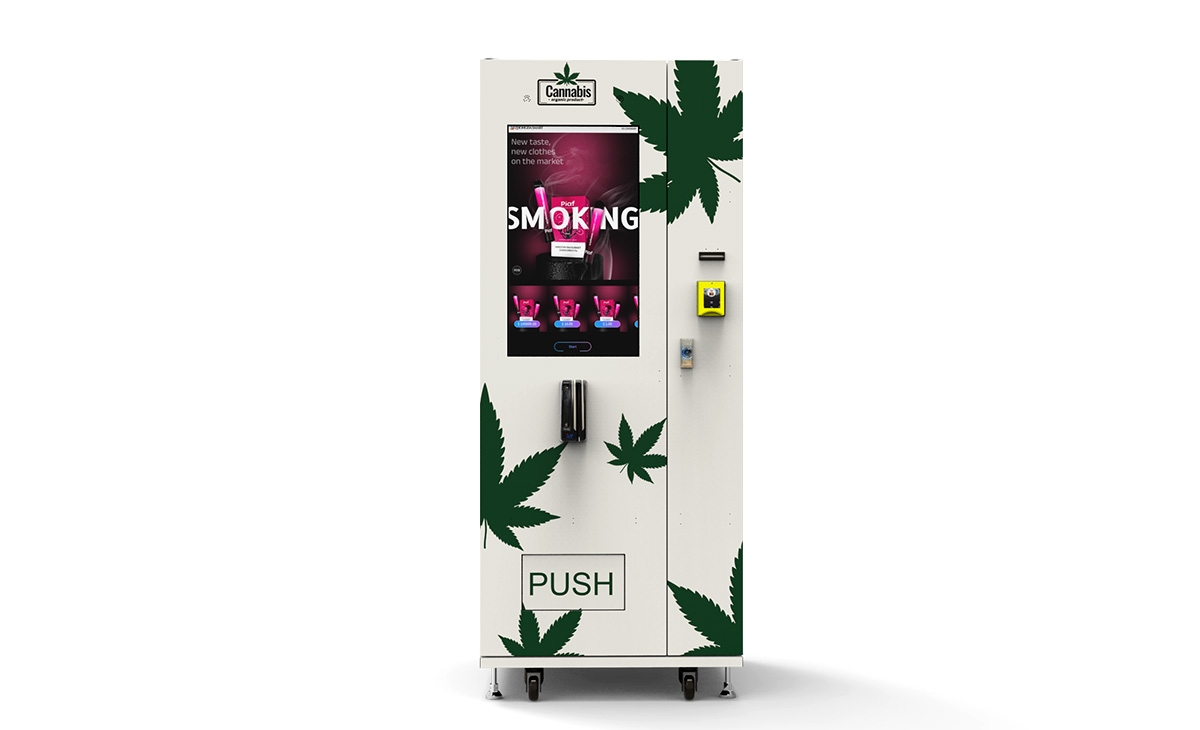
Bergen is not Oslo. The weather is wetter, the logistics are tighter, and the local economy relies heavily on tourism, shipping, and the energy sector. I have seen operators fail because they treated Bergen like any other European city. The reality is that a machine placed in a fish processing plant near the docks will need different servicing than one in a university building.
The demand for self-service kiosks is growing here, but the margin for error is slim. A machine that breaks down for two days in a high-traffic tourist area can lose a month’s profit. This is why selecting a vending machine supplier is not just about buying a box that dispenses snacks. It is about choosing a partner who understands local conditions.
What is a Vending Machine and Where Does It Work in Bergen?
A vending machine is essentially an unattended retail point. It sells products 24/7 without needing a cashier. In Bergen, I have found the best performance in locations with consistent foot traffic but limited access to traditional shops. Think of industrial zones where workers need quick meals, hotels that want to offer late-night snacks, or public transit hubs.
Most operators start with snack and drink machines. But I have also deployed fresh food machines in office buildings and specialized units for personal protective equipment (PPE) in construction sites. The key is matching the machine type to the location’s specific need. A standard snack machine will fail in a location where people want hot coffee or fresh sandwiches.
Common Placement Scenarios in Bergen
- Industrial and warehouse facilities: High worker density, long shifts, limited break options.
- Hotels and hostels: Guests need 24/7 access to drinks and snacks, especially after reception closes.
- Hospitals and health clinics: Staff and visitors require quick, healthy options.
- Educational institutions: Students and faculty need convenient food between classes.
- Public transport terminals: Bus and ferry stations are prime spots for high turnover.
Is the Vending Machine Business Profitable in Norway?
Yes, but it is not a get-rich-quick scheme. Based on my own operations and data from the Norwegian retail sector, a well-placed machine in Bergen can generate between 8,000 and 25,000 NOK per month in revenue. The profit margin on products typically ranges from 30% to 45%, depending on what you sell and your wholesale buying power.
However, you must subtract costs: machine lease or depreciation, location rent (which can be 10-20% of revenue in prime spots), restocking labor, machine repair, and card payment fees. According to a report by Statista, the European vending market has seen steady growth, but operators in high-cost countries like Norway need to be more disciplined with inventory and maintenance.
The real profit comes from volume and efficiency. If you run ten machines in good locations and keep your restocking costs low, you can see a healthy return. But one machine in a bad spot will lose money. I have seen operators pull out after six months because they did not do the math on restocking travel time and machine breakdowns.
Key Costs: Equipment, Operations, and Maintenance
Let me break down the numbers based on my experience and industry benchmarks. These are estimates, and your actual costs will vary based on the supplier, the machine type, and your location in Bergen.
Initial Equipment Cost
A new snack and drink combo machine from a reliable vending machine supplier will cost between 40,000 and 80,000 NOK. A basic drink machine is cheaper, around 25,000 to 45,000 NOK. I have seen operators buy used machines for 10,000 NOK, but I generally advise against it for a first-time operator. Used machines often have hidden issues with refrigeration, payment systems, or the vending mechanism that lead to high repair costs.
Operational Costs
- Location rent: 1,000 to 5,000 NOK per month, or a revenue share agreement.
- Stock: Initial fill of 3,000 to 8,000 NOK depending on machine size.
- Payment system fees: Card readers cost 2,000 to 4,000 NOK upfront, plus 2-3% per transaction.
- Electricity: 200 to 500 NOK per month for a refrigerated machine.
Maintenance and Repair
This is where many new operators get burned. A standard service contract for vending machine repair can cost 1,500 to 3,000 NOK per month per machine if you outsource it. If you do it yourself, you still need to budget for spare parts. The most common failures are the coin mechanism, the card reader, and the refrigeration unit. I recommend setting aside 10% of your monthly revenue for maintenance. According to a study by IBISWorld, maintenance costs are the second largest expense for vending operators after product costs.
How to Choose a Vending Machine Supplier in Bergen
Not all suppliers are created equal. I have worked with several over the years, and the best ones share a few characteristics. First, they offer machines that are certified for the Norwegian market. This means CE marking and compliance with Mattilsynet (Norwegian Food Safety Authority) regulations for any machine selling food.
Second, they provide local technical support. If your machine breaks down and you have to wait a week for a technician from Sweden, you lose money. I look for suppliers who have a service network in Western Norway or at least a partnership with a local vending machine repair company.
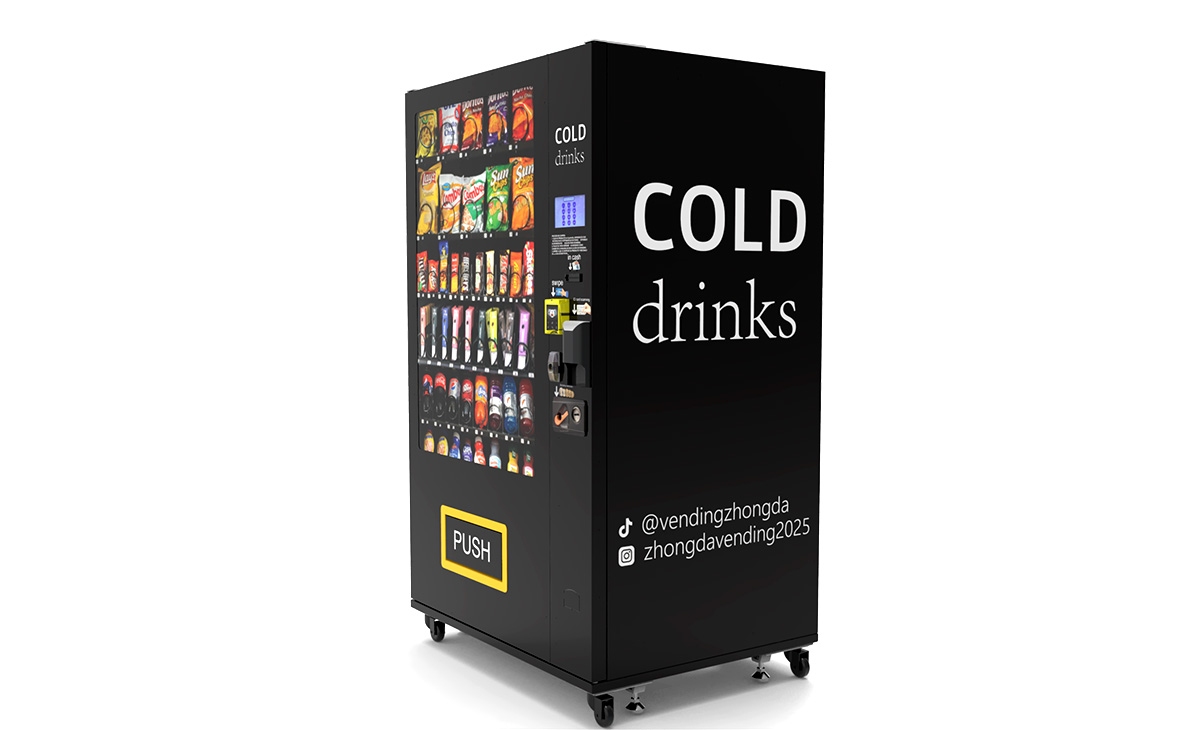
Third, they are transparent about total cost of ownership. A cheaper machine from a distant supplier often costs more in the long run due to shipping delays, lack of parts, and poor documentation. When evaluating suppliers, I always ask for a list of compatible spare parts and their availability.
Supplier Recommendation: Zhongda Smart
In my search for reliable equipment, I have come across Zhongda Smart. Their machines are built with robust refrigeration systems that handle the humidity in Bergen well, and they offer flexible payment system integrations, including local Norwegian card networks like Vipps. While they are a Chinese manufacturer, they have been expanding their European support network. If you contact them, ask specifically about their service partners in Norway and whether they can provide a machine with a Norwegian power plug and software language options. They are not a local distributor, but their equipment quality is solid for the price point.
Comparing Different Vending Machine Types
To help you decide, here is a simple comparison based on my operational data.
| Machine Type | Initial Cost (NOK) | Monthly Revenue Potential | Maintenance Complexity | Best Location |
|---|---|---|---|---|
| Snack & Drink Combo | 50,000 - 80,000 | 12,000 - 25,000 | Medium | Offices, factories |
| Drink Only (Cans/Bottles) | 25,000 - 45,000 | 8,000 - 15,000 | Low | Hotels, gyms |
| Fresh Food (Refrigerated) | 60,000 - 100,000 | 15,000 - 30,000 | High | Hospitals, universities |
| Coffee/ Hot Beverage | 40,000 - 70,000 | 10,000 - 20,000 | High | Offices, transit hubs |
Real-World Lessons: What I Learned the Hard Way
I once placed a beautiful new snack machine in a shopping center in Bergen. The foot traffic was excellent. Within three months, it was losing money. The problem? The location had a grocery store open until 11 PM. Customers were only using my machine when the store was closed. My sales were limited to a 6-hour window. I had to move the machine to a 24-hour gas station, where it now does double the revenue.
Another mistake I see often is buying machines without a telemetry system. Telemetry lets you see sales data and machine status remotely. Without it, you are flying blind. You will restock too often or not often enough, and you will miss early signs of mechanical failure. I consider it a non-negotiable feature today.
One operator I mentored bought a used machine from a private seller. It looked fine, but the refrigeration unit was failing. He lost 2,000 NOK worth of stock in one week. The repair cost another 3,000 NOK. He learned that a cheap initial purchase often leads to expensive vending machine repair bills.
How to Evaluate a Location Before You Commit
I never sign a long-term lease for a machine location without testing it first. Here is my process. I ask the property owner for a three-month trial. I track daily sales, the number of transactions, and the average spend per customer. I also observe the foot traffic during different times of the day.
A good location has at least 500 potential customers passing by daily. But quality matters more than quantity. A factory with 200 workers who stay for 12-hour shifts is better than a street with 1,000 random pedestrians. The workers are a captive audience. They will buy from your machine because they have no other option during their break.
I also look at the security of the location. Machines in unsupervised areas are more likely to be vandalized. In Bergen, I have had better luck with indoor placements in buildings with security cameras.
Business Models: Buy, Lease, or Revenue Share
You have three main options for getting a machine into a location. Each has its pros and cons.
- Buy and Operate: You purchase the machine, stock it, and keep all the profit. This gives you the highest return but also the highest risk. If the location fails, you are stuck with the machine.
- Lease the Machine: You pay a monthly fee to a supplier for the equipment. This lowers your upfront cost but eats into your profit margin. It is a good option if you are testing a new location.
- Revenue Share with Location Owner: You split the sales with the property owner. This is common in high-demand spots like hospitals. The owner takes 10-20% of revenue, and you handle everything else. It reduces your risk but also your profit.
I prefer to buy my machines outright for locations I am confident in, and use a revenue share model for riskier spots. This balance has worked well for me in the Norwegian market.
Common Mistakes New Operators Make in Bergen
I have seen the same errors repeated over and over. Here are the top ones to avoid.
- Ignoring the payment system: Norway is almost cashless. Your machine must accept cards and mobile payments like Vipps. A machine that only takes coins will fail.
- Underestimating restocking costs: Driving across Bergen to fill a machine with 1,000 NOK worth of products is not profitable. Plan your routes and cluster your machines in the same area.
- Choosing the wrong product mix: What sells in an office building does not sell in a gym. Analyze your sales data weekly and adjust. I have seen operators stubbornly keep the same stock for months while sales decline.
- Skipping the service contract: Trying to fix a machine yourself without training often makes the problem worse. A professional vending machine repair service is worth the cost.
FAQ: Your Questions Answered
Are vending machines profitable in Norway?
Yes, but profitability depends on location, product choice, and operational efficiency. A single machine can generate 8,000 to 25,000 NOK per month in revenue, with a 30-45% gross margin. However, you must deduct rent, restocking, and maintenance costs.
How much does a vending machine cost in Norway?
A new machine from a reputable vending machine supplier costs between 25,000 and 100,000 NOK, depending on the type and features. Used machines can be found for 10,000 to 20,000 NOK, but they carry higher repair risks.
How long does it take to break even?
Based on my experience, a well-placed machine can break even in 12 to 24 months. Machines in poor locations may never break even. The key is to keep your machine repair and restocking costs low.
Should I buy or lease a vending machine?
I recommend buying if you have a confirmed good location and capital. Leasing is better for testing new markets or if you want to avoid large upfront costs. The right choice depends on your risk tolerance.
Where is the best place to put a vending machine in Bergen?
Look for locations with captive audiences: factories, hospitals, university buildings, and hotels. Avoid locations with direct competition from convenience stores or cafes.
What permits do I need?
You need to register your business with the Brønnøysund Register Centre. If you sell food, you must comply with Mattilsynet regulations. This includes temperature monitoring for refrigerated machines and proper labeling.
How do I choose a supplier?
Look for suppliers that offer machines with telemetry, reliable refrigeration, and payment systems that work with Norwegian cards and Vipps. Check their after-sales support and ask for references from other operators in Scandinavia.
What happens when the machine breaks down?
You need a plan for vending machine repair. Either have a contract with a local technician or learn basic troubleshooting yourself. Most suppliers can provide a list of common spare parts. I recommend keeping a backup card reader and coin mechanism on hand.
How can I reduce restocking and maintenance costs?
Use telemetry to optimize your restocking schedule. Cluster your machines geographically to save travel time. Buy machines with high-quality components to reduce the frequency of breakdowns. Also, negotiate a good rate with a local vending machine repair service.
Final Thoughts on the Bergen Vending Market
The vending machine business in Bergen is a solid opportunity if you approach it with clear eyes and a realistic plan. It is not a passive income stream. It requires work, attention to detail, and a willingness to learn from mistakes. I have seen operators succeed by focusing on customer needs, maintaining their equipment well, and building good relationships with location owners.
Start small. Test one or two machines. Learn the rhythm of restocking and managing vending machine repair before you expand. Use data to drive your decisions. And when you choose a vending machine supplier, prioritize reliability and local support over the lowest price. The machine is just the tool. Your business acumen will determine your success.