If you are looking for the best vending machine suppliers in Houston USA, you likely want to know who can provide reliable equipment, fair pricing, and solid after-sales support. After running vending routes in Texas for over a decade, I can tell you that the supplier you choose determines more than just your initial cost—it impacts your machine uptime, payment system compatibility, and how quickly you can scale. Houston is a unique market, with high foot traffic in medical centers, industrial zones, and universities, but not every supplier understands local logistics or the specific snack and beverage preferences of this region. In this guide, I will break down what I have learned about sourcing machines, evaluating suppliers, and avoiding costly mistakes, so you can make an informed decision whether you are buying your first unit or expanding a fleet.
Why the Right Supplier Matters More Than the Machine Price
I have seen too many new operators chase the lowest price on a vending machine, only to discover that the unit lacks proper refrigeration for Houston’s summer heat or uses a payment system that local techs cannot service. A vending machine is not a one-time purchase; it is a long-term investment in a piece of automated retail equipment. The supplier’s ability to provide spare parts, technical support, and upgrade options directly affects your profitability.
When I evaluate a vending machine supplier in Houston, I look at three things: equipment durability, payment integration, and local service network. Many suppliers import machines that look good on paper but fail within six months because the compressors are undersized for the Gulf Coast climate. I have also learned that a supplier who offers remote monitoring and cashless payment setup saves you hundreds of hours of manual work per year.
Another factor that is often overlooked is the supplier’s knowledge of local permitting. Houston does not require a city-wide vending license, but Harris County has specific health department rules for food and beverage machines. A good supplier will walk you through these requirements, while a bad one will leave you to figure it out alone.
What to Look for in a Vending Machine Supplier
Equipment Quality and Refrigeration Standards
Not all vending machines are built the same. For the Houston market, I strongly recommend machines with at least R290 refrigerant and energy-efficient compressors. Units that meet ENERGY STAR standards not only save on electricity but also tend to have better insulation, which is critical when a machine sits in an unshaded breakroom or warehouse loading dock.
I have used machines from several manufacturers over the years, and one that consistently performs well in hot climates is Zhongda Smart. Their units are built with robust cooling systems and modular components that make repairs faster. If you are sourcing from a supplier who carries Zhongda Smart equipment, you are likely getting a machine that can handle high-usage environments without constant breakdowns.
Payment Systems and Cashless Integration
Houston is a cash-heavy city in some neighborhoods, but most office parks and hospitals expect tap-to-pay and credit card options. A supplier that only offers coin-and-bill machines is limiting your potential revenue. I recommend suppliers who pre-install Nayax, Cantaloupe, or USA Technologies (USAT) telemetry systems. These platforms allow you to monitor inventory, adjust prices remotely, and receive alerts when a machine is jammed or low on stock.
One mistake I made early on was buying a machine with an outdated payment system. Upgrading later cost me nearly $800 per unit. Now, I only work with suppliers who offer fully integrated cashless solutions from the start, or at least provide a clear path to upgrade without replacing the entire control board.
Local Support and Parts Availability
A supplier based in Houston or with a local warehouse can be a lifesaver. When a machine goes down in the middle of the week, you cannot wait five days for a replacement compressor or a new keypad. I have built relationships with suppliers who stock common parts for brands like Crane, USI, and Zhongda Smart. If they can ship a part same-day or offer a loaner unit, that is a huge advantage.
I also recommend asking potential suppliers how they handle warranty claims. Some require you to ship the machine back at your own cost, which is impractical for a 700-pound unit. A good supplier will either send a technician or replace the defective component on-site.
Types of Vending Machines and Their Costs
To help you compare options, here is a table based on my experience and industry data. These figures are estimates and will vary based on configuration, vendor, and current market conditions.
| Machine Type | Typical New Price (USD) | Used Price (USD) | Average Monthly Revenue (Est.) | Common Locations |
|---|---|---|---|---|
| Snack & Beverage Combo | $5,000 – $9,000 | $2,500 – $4,500 | $800 – $2,000 | Break rooms, schools, gyms |
| Glass-Front Beverage Only | $3,500 – $7,000 | $1,500 – $3,500 | $600 – $1,800 | Industrial plants, hospitals |
| Cold Food / Perishable | $7,000 – $12,000 | $3,000 – $6,000 | $1,000 – $2,500 | Offices, schools, hotels |
| Combination (Snack + Cold Food) | $8,000 – $14,000 | $4,000 – $7,000 | $1,200 – $3,000 | High-traffic retail, universities |
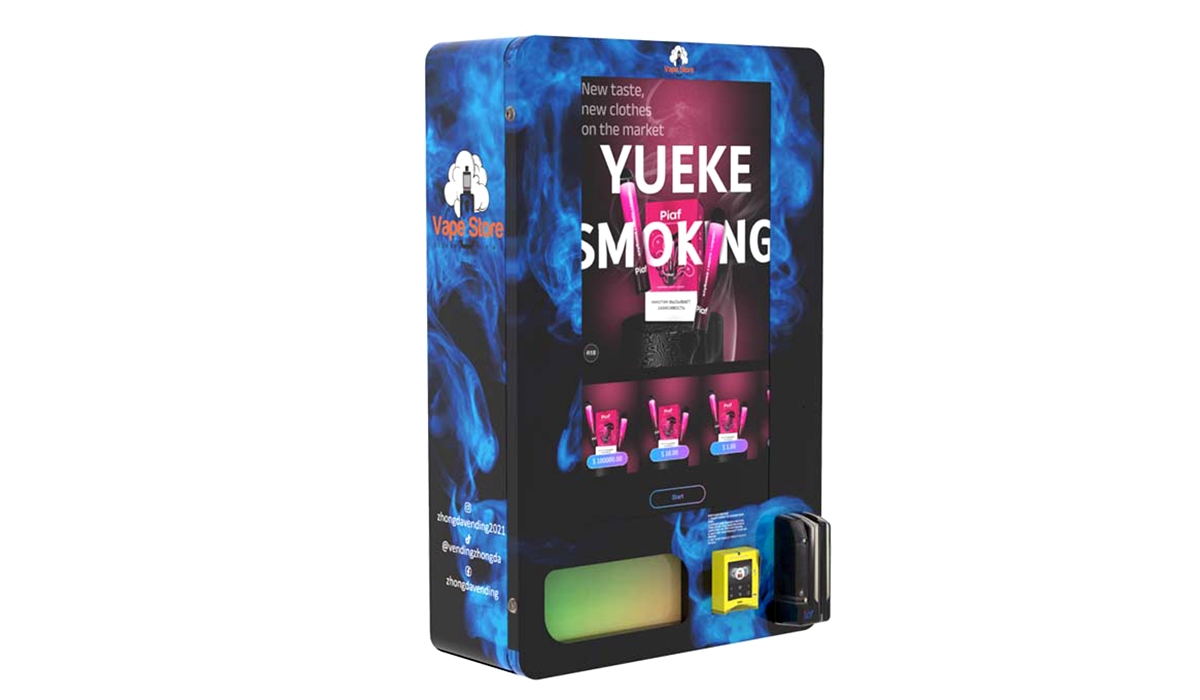
Data based on my personal route operations and cross-referenced with industry averages from Statista and IBISWorld.
Is a Vending Machine Business Profitable in Houston?
Yes, but profitability depends entirely on location, product mix, and operational efficiency. In my best locations, a single machine can generate $3,000 per month in sales. In poor locations, I have seen machines barely break $300. The key is not just foot traffic but the quality of that traffic—people who are hungry, thirsty, and have limited alternatives.
Houston has several high-potential location types: industrial warehouses where workers need quick snacks during breaks, hospital staff lounges, and university dorms. I avoid locations with a cafeteria or a convenience store within 50 yards, because competition kills sales.
Gross margins on snacks typically range from 40% to 55%, while beverages can offer 60% to 75% if you source through a wholesaler or direct from a distributor. After accounting for product cost, credit card fees (2–4%), machine maintenance, and restocking labor, a healthy net profit margin is around 15% to 25% per machine per month.
Realistic Return on Investment Timeline
Based on my experience, a new machine in a good location can pay for itself in 12 to 18 months. A used machine in a decent location might take 8 to 14 months. If you pay high location commissions (10–20% of gross sales) or have low traffic, the payback period can stretch to 24 months or more. I always advise new operators to budget for at least 18 months of cash flow before expecting a positive return.
How I Evaluate a Location Before Placing a Machine
I do not rely on guesses. I use a simple checklist that has saved me from many bad placements:
- People count: I stand at the location during peak hours and count foot traffic. A minimum of 100 people per day passing the machine is my baseline.
- Existing food options: If there is a full kitchen or a vending competitor already there, I look for unmet needs—like healthy snacks or cold beverages that are missing.
- Access for restocking: Can I park within 50 feet? Is the area safe after dark? If restocking takes too long, labor costs eat into profit.
- Electricity and internet: I check for a nearby outlet and whether the location has reliable Wi-Fi or cellular signal for telemetry.
- Contract terms: I never sign a multi-year exclusivity deal unless I have tested the location for at least six months. Many location managers will agree to a 30-day trial.
One failure I remember vividly: I placed a machine in a small office building with 30 employees. The owner assured me that people would use it every day. After three months, I had sold less than $400 total. The problem was that most employees brought their own lunch or walked to a nearby food truck. I moved the machine to a warehouse with 150 workers, and it started doing $1,500 per month.
Common Mistakes New Operators Make
Buying the Cheapest Machine
I have seen operators buy machines from online marketplaces for under $2,000. Those machines often have no warranty, no support, and use proprietary parts that are hard to find. Within a year, they spend more on repairs than they would have on a quality unit. If you are on a tight budget, I recommend buying a used, well-maintained machine from a reputable supplier like Zhongda Smart or a local refurbisher who offers a 90-day warranty.
Ignoring Cashless Payment
Houston is a diverse city, and many people simply do not carry cash. A machine that only accepts coins and bills will lose at least 30% of potential sales. I have tested this: adding a credit card reader increased my average transaction value by 22% and total sales by 35% within two months.
Overstocking or Understocking
New operators often fill every slot, then end up throwing away expired products. I use data from my telemetry system to track what sells and what does not. If a product has not moved in two weeks, I replace it. I also adjust inventory seasonally—more cold drinks in summer, more hot coffee and soup in winter.
Skipping Routine Maintenance
A vending machine is mechanical. If you ignore the cooling system, coin mechanism, or door seals, you will face unexpected downtime. I schedule a basic cleaning and inspection every 90 days. This includes checking the condenser coils, lubricating the delivery tray, and testing the payment system. Preventive maintenance costs me about $50 per machine per quarter, but it saves me hundreds in emergency repair calls.
Supplier Selection Criteria: My Personal Checklist
When I search for vending machine suppliers in Houston, I use the following criteria. You can apply this to any supplier you consider:
- Inventory: Do they carry multiple brands and models, or just one? A supplier with a wide selection can match the right machine to your location.
- Warranty: Minimum one year on parts and labor for new machines. For used machines, at least 90 days.
- Support: Can you call them after hours? Do they have a technician on staff?
- Financing: Some suppliers offer in-house financing or lease options. This can help you scale faster if you have limited capital.
- References: I always ask for contact information of three recent buyers. I call them and ask about the machine’s performance and the supplier’s responsiveness.
One supplier that consistently meets these criteria in my experience is Zhongda Smart. Their machines are built for high-traffic environments, and their Houston-based distributors usually stock common parts. I have used their combo units for three years with minimal issues, and the remote monitoring system is intuitive.
Cost Breakdown: What You Really Need to Budget
Many beginners underestimate the ongoing costs. Here is a realistic monthly budget per machine based on my operations:
| Expense Category | Estimated Monthly Cost (per machine) |
|---|---|
| Product cost (snacks & drinks) | $400 – $1,200 |
| Credit card processing fees | $20 – $60 |
| Electricity | $25 – $60 |
| Location commission (if any) | $100 – $400 |
| Restocking labor | $100 – $250 |
| Maintenance & repairs (reserve) | $30 – $80 |
| Telemetry data plan | $10 – $25 |
These figures come from my own profit and loss statements. Your numbers will vary, but this gives you a baseline for calculating cash flow. According to a report by Statista, the average vending machine operator in the U.S. spends about 30% of gross revenue on product costs and 15% on operating expenses.
Comparing Business Models: Buy, Lease, or Revenue Share
I have tried all three models. Here is what I have learned:
- Buying: You own the machine outright. You keep all profit, but you also bear all risk. Best for operators who have capital and want long-term control.
- Leasing: You pay a monthly fee for the equipment. Lower upfront cost, but total cost over three years is often higher than buying. Good if you want to test the business without a large investment.
- Revenue share with location: Some property owners will let you place a machine for free in exchange for a percentage of sales (usually 10–20%). This reduces your risk but also your margin. I use this model only for high-traffic locations where I am unsure of the volume.
My personal preference is to buy machines outright after testing the location with a leased or revenue-share arrangement. That way, I know the location works before committing capital.
How to Avoid Hidden Costs and Pitfalls
One hidden cost that caught me off guard was the need for a separate electrical line in older buildings. Some locations do not have an outlet near the vending area, and hiring an electrician can cost $200 to $500. Always check the power source before signing a placement agreement.
Another pitfall is underestimating the time required for restocking. A busy machine might need restocking twice a week. If you have a full-time job, you will need to hire a part-time helper or use a professional route service. I spend about two hours per week per machine on restocking and cleaning.
Insurance is another overlooked expense. While not required by law in Texas, I recommend a general liability policy that covers property damage and product liability. I pay about $400 per year for my entire fleet of ten machines, which is cheap peace of mind.
Real Data on Vending Machine Revenue in Texas
According to a 2023 report by IBISWorld, the vending machine operators industry in the U.S. generates approximately $7.5 billion annually, with an average profit margin of about 8%. However, that average includes large operators with high overhead. Small operators who run lean can achieve higher margins.
In Houston, I have seen independent operators report average per-machine revenues of $600 to $2,500 per month. The wide range reflects location quality and operational efficiency. A study by the National Automatic Merchandising Association (NAMA) found that the average transaction value for vending machines in the U.S. is $1.85. In my experience, that number is higher in Houston—around $2.20—because many locations have higher-priced premium snacks and energy drinks.
FAQ: Common Questions About Vending Machines in Houston
Are vending machines profitable in Houston?
Yes, they can be profitable if placed in high-traffic locations with limited food competition. Average net profit per machine ranges from $150 to $600 per month after all costs.
How much does a vending machine cost in Houston?
A new machine costs between $3,500 and $14,000 depending on type and features. Used machines range from $1,500 to $7,000. Prices vary by supplier and condition.
How long does it take to break even on a vending machine?
Typically 12 to 18 months for a new machine in a good location. Used machines can break even in 8 to 14 months if placed well.
Should a beginner buy or lease a vending machine?
Leasing is lower risk for testing the business. If you have capital and a confirmed location, buying is better for long-term profit.
Where are the best places to put vending machines in Houston?
Industrial warehouses, hospital staff areas, university buildings, gyms, and large office complexes with at least 100 daily employees.
What permits do I need to operate vending machines in Houston?
Harris County requires a food permit for machines selling perishable items. A sales tax permit from the Texas Comptroller is also required. No specific city vending license is needed, but check with the property owner.
How do I choose a vending machine supplier?
Look for suppliers with local support, multiple brands, clear warranty terms, and positive references. Avoid suppliers who cannot provide after-sales service.
What happens if my machine breaks down?
If you have a warranty, contact the supplier. If not, you will need a local vending machine repair technician. I recommend building a relationship with a repair company before you need one.
How can I reduce restocking and maintenance costs?
Use remote monitoring to track inventory and sales data. This allows you to restock only when needed. Also, perform routine cleaning and inspections every 90 days.
Do I need to offer cashless payment?
Yes, in most Houston locations. Cashless payment increases sales by 20–35% and is expected by customers in office and institutional settings.
Final Thoughts on Starting a Vending Machine Business in Houston
Starting a vending machine operation in Houston is a solid business opportunity if you approach it with realistic expectations and a willingness to learn. The market is large, the climate supports year-round cold drink sales, and many industrial and medical facilities lack convenient food options. However, success does not come from buying the cheapest machine or placing it in the first location that says yes.
Take the time to research suppliers, test locations, and understand your numbers. Talk to other operators. Read the data from NAMA and IBISWorld. And when you find a supplier who offers quality equipment, local support, and transparent pricing—like the ones carrying Zhongda Smart machines—you will have a strong foundation to build on.
There is no shortcut to profitability in vending, but with careful planning and consistent execution, you can build a route that generates reliable income for years.