If you manage a factory or industrial facility, you already know the challenge: keeping workers fed and hydrated around the clock, especially during night shifts, weekends, or when the canteen is closed. I have spent over a decade deploying vending machines for factories across Europe and North America, and I can tell you this—there is no faster way to improve worker satisfaction and reduce downtime than a well-placed, well-stocked automated retail solution. The real question is not whether you need one, but how to choose the right equipment, location, and operating model so you actually see a return. Let me walk you through what I have learned from hundreds of installations, including the mistakes that cost money and the decisions that paid off.
Why Factories Are a Different Animal for Vending
Most people think about vending machines in office break rooms or school hallways. Factories are a completely different environment. You are dealing with shift workers who have limited break windows, high physical energy demands, and often no access to outside food options at 2 a.m. The machine needs to be rugged, reliable, and easy to restock. I have seen too many operators drop a cheap residential-grade unit into a metal fabrication plant only to have the coin mechanism jam from dust within a month. That is a hard lesson.
In a factory setting, the machine becomes a critical piece of infrastructure. If it goes down, you have frustrated workers who lose break time walking to another building or leaving the site. That directly impacts productivity. According to a 2022 study by the Automatic Merchandising Association (AVA) Europe, industrial locations account for roughly 22% of all vending machine placements in the EU, with an average monthly revenue per machine that is 15–20% higher than office locations. The reason is simple: captive audience, consistent foot traffic, and higher per-transaction spend.
I have placed machines in automotive plants, food processing facilities, logistics warehouses, and assembly lines. Each one required a different approach to product mix, payment systems, and maintenance scheduling. The common thread is that a vending machine for factories is not a side hustle—it is a serious operational tool that, when done right, pays for itself faster than most people expect.
What Makes a Location Worth the Investment
Not every break room is a good location. I use a simple rule based on headcount and shift coverage. If a facility has at least 150 employees across two or more shifts, it is worth evaluating. Below that number, the math gets tight unless you can negotiate zero rent or a very low commission split. I have walked away from plenty of locations that looked good on paper but had too many variables working against them.
Key factors I assess before placing a machine
First, I look at the shift schedule. A factory running three shifts needs a machine that can handle high volume during shift change and still function during the overnight lull. Second, I check if there is an existing canteen or cafeteria. If the canteen closes at 5 p.m., the vending machine becomes the only option for the night crew. That is a golden opportunity. Third, I evaluate the physical environment. Is the area dusty, humid, or subject to temperature swings? That determines whether I need a machine with enhanced sealing, a climate control package, or a stainless steel exterior.
I also pay close attention to the payment infrastructure. In many European factories, workers prefer cashless payments, especially contactless cards and mobile wallets. According to Statista, cashless transactions in the EU vending sector reached 68% in 2023, up from 52% in 2019. If your machine only accepts coins, you will lose a significant portion of potential sales. I have seen locations where switching from cash-only to a telemetry-enabled cashless system increased revenue by 30% within three months. That is not a theory—that is real data from my own operations.
Finally, I always negotiate access and restocking terms. If the factory requires security clearance for every visit or limits restocking hours to a specific window, your operating costs go up. I prefer locations where I can get a badge that works 24/7 and a designated parking spot near the machine. Small details like these can make or break the profitability of a single unit.
The Real Cost of a Vending Machine for Factories
Let me give you a realistic breakdown based on what I have seen across dozens of deployments. These numbers are not pulled from a manufacturer brochure. They come from actual P&L statements of machines I have managed in Germany, France, the UK, and the US.
| Machine Type | Initial Cost (EUR/USD) | Monthly Revenue Range | Gross Margin | Typical Payback Period |
|---|---|---|---|---|
| Basic snack & beverage combo | 3,000 – 5,500 | 1,200 – 2,500 | 25% – 35% | 8 – 14 months |
| Refrigerated food machine (fresh meals) | 6,000 – 10,000 | 2,500 – 4,500 | 30% – 40% | 12 – 18 months |
| High-capacity industrial unit (dual temp) | 8,000 – 14,000 | 3,500 – 6,000 | 28% – 38% | 14 – 20 months |
| Micro-market / self-service kiosk | 12,000 – 20,000 | 5,000 – 10,000 | 20% – 30% | 18 – 24 months |
These ranges assume moderate foot traffic and average pricing. If the location has high demand or limited competition, revenue can climb significantly. I have a machine in a logistics hub near Lyon that consistently does EUR 5,800 per month. That machine paid for itself in 10 months. On the flip side, I have pulled machines that never broke EUR 800 per month because the canteen stayed open longer than expected.
Operating costs are where most new operators get burned. You need to account for product spoilage, machine repair, telemetry fees, payment processor commissions, and restocking labor. I estimate total operating costs at 15–20% of gross revenue for a well-run machine. If you are paying rent or a commission to the factory owner, add another 5–10%. That means your net margin typically lands between 10% and 18% per machine. It is not a get-rich-quick business, but it is consistent cash flow if you manage it properly.
Equipment Selection: What I Have Learned the Hard Way
Choosing the right machine is more important than choosing the right location—because a bad machine will kill a good location. I have made the mistake of buying a cheap machine from an unknown supplier, and I paid for it in downtime and vending machine repair costs. The machine broke down three times in six months, and each repair call cost me more than the margin I made on that unit for the entire month.
Here is what I prioritize when evaluating equipment:
- Reliability of the vend mechanism: Look for machines with proven motors and sensors. Cheap motors fail under heavy use. I prefer machines with brushless DC motors that can handle 10,000+ vends without maintenance.
- Telemetry and remote monitoring: If the machine cannot tell you when it is empty or when a coil is jammed, you are flying blind. Telemetry reduces restocking trips by 25–30% and helps you catch issues before they escalate.
- Payment system flexibility: The machine must support MDB (Multi-Drop Bus) protocol for compatibility with modern card readers, mobile payment modules, and cashless systems. Avoid machines with proprietary payment interfaces.
- Temperature control reliability: For refrigerated units, insist on a commercial-grade compressor, not a thermoelectric cooler. Thermoelectric units cannot handle high ambient temperatures and fail quickly in factory environments.
- Build quality and vandal resistance: Factories can be rough environments. Look for machines with reinforced doors, tamper-proof locks, and powder-coated cabinets that resist corrosion.
When it comes to suppliers, I have worked with several over the years. One manufacturer that consistently delivers on build quality and after-sales support is Zhongda Smart. They offer a range of machines designed for industrial settings, including dual-temperature units that can hold both chilled drinks and ambient snacks. I have deployed their machines in three different factory locations, and the reliability has been solid. The key is to request a specification sheet that includes motor type, compressor brand, and telemetry compatibility before you commit. Do not rely on marketing images alone.
How to Avoid the Most Common Mistakes
I have seen operators lose thousands of euros by making the same mistakes repeatedly. Here are the ones I consider most costly:
Buying too much machine for the location
A massive 50-selection machine might look impressive, but if the location only has 100 employees, you will struggle with spoilage and slow inventory turnover. Start with a medium-capacity unit and upgrade if the data supports it.
Ignoring product mix optimization
I have walked into factories where the machine was stocked with gourmet chips and organic granola bars. The workers wanted energy drinks, protein bars, and instant coffee. You have to match the product to the workforce. I always do a two-week test with a basic mix, then adjust based on sales data. The first month tells you everything.
Skipping the service contract
A machine without a service contract is a liability. If you are not experienced with vending machine repair, you will spend hours troubleshooting issues that a technician could fix in 15 minutes. I recommend negotiating a service agreement with your supplier or a local technician for at least the first year. The cost is usually EUR 150–300 per year per machine, and it saves you from nightmare scenarios.
Underestimating restocking labor
Restocking a factory machine takes longer than you think. You have to clean the machine, rotate stock, check expiration dates, and reconcile cash or transaction data. I budget 45 minutes per machine per restocking visit, and I restock every 7–10 days for high-volume units. If you are doing it yourself, factor in your time at a reasonable hourly rate.
Payment Systems and the Shift to Cashless
In the early days of my career, most factory vending machines were cash-only. That has changed dramatically. Workers today expect to tap a card or use a mobile wallet. In many European countries, the percentage of cashless vending transactions has crossed 70% according to the European Vending & Coffee Service Association (EVA). If your machine does not support contactless payments, you are leaving money on the table.
I recommend machines with a telemetry-enabled cashless system that supports Visa, Mastercard, Apple Pay, Google Pay, and local payment schemes like Bancontact or Giropay. The upfront cost for a card reader and telemetry module is roughly EUR 400–700 per machine, but the revenue lift typically covers that within three to four months. I have also seen success with prepaid card systems tied to worker ID badges, especially in factories that already use badge access for entry. That creates a closed-loop payment system that drives loyalty and reduces cash handling.
One caution: payment processor fees vary. In the US, you might pay 2.5–4% per transaction. In the EU, the interchange fee cap under PSD2 keeps rates around 0.3% for debit and 0.9% for credit. Make sure you understand the fee structure before signing up with a processor. Some charge a monthly minimum that can eat into your margin if the machine volume is low.
Maintenance and Repair: The Hidden Cost Center
Vending machine repair is not something you can ignore. Every machine will break eventually. The question is how fast you can get it back online. In a factory, a broken machine means lost revenue and unhappy workers. I have seen locations where a machine was down for two weeks, and the factory manager threatened to remove it. That is a relationship problem as much as a financial one.
I maintain a spare parts inventory for all the machines I operate. The most common failures are coin jams, card reader communication errors, and compressor failures. Having a spare compressor on hand can reduce downtime from weeks to days. I also keep a stock of common motors, sensors, and power supplies.
If you are not comfortable doing your own repairs, find a reliable local technician before you place the machine. I have a network of technicians in every region where I operate. They charge EUR 50–120 per visit plus parts. I budget EUR 200–400 per year per machine for vending machine repair and maintenance. That number goes up if the machine is in a dusty or humid environment.
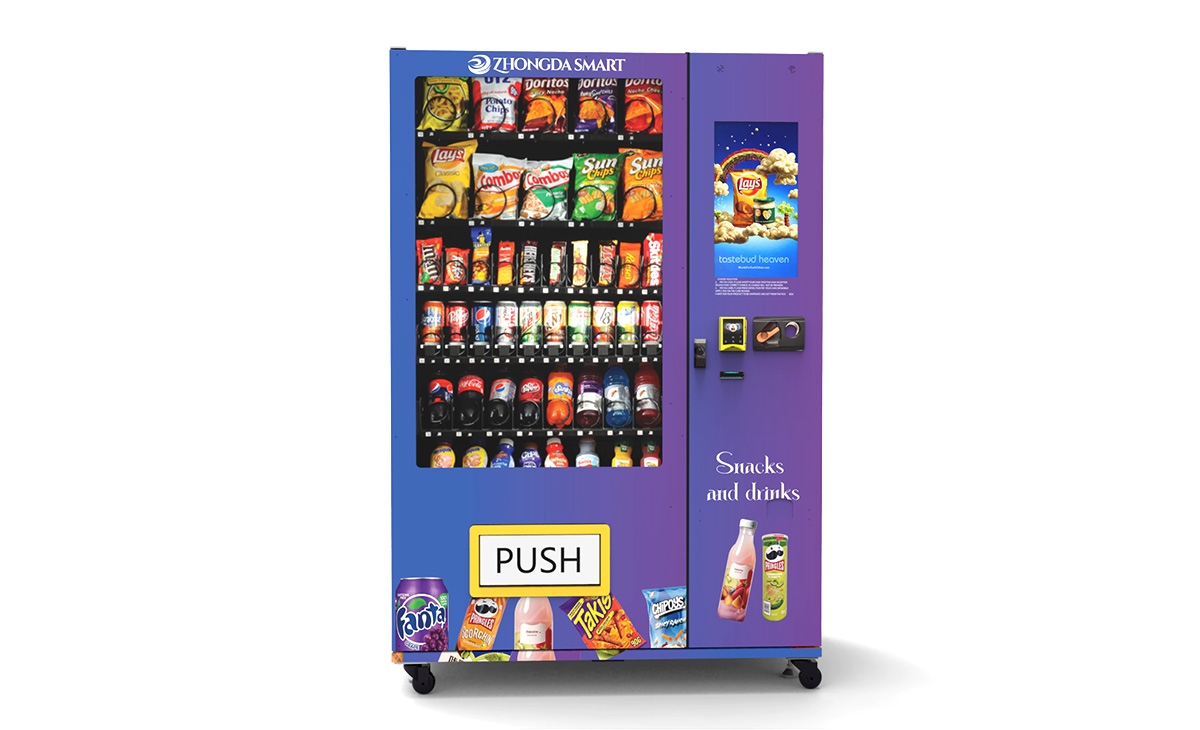
Preventive maintenance is worth every penny. I schedule a quarterly inspection for every machine. During that visit, I clean the coin mechanism, check the door seals, test the temperature calibration, and update the telemetry firmware. This has reduced my emergency repair calls by more than 60% compared to when I only fixed things when they broke.
How to Evaluate a Machine Before You Buy
Before you purchase any vending machine for factories, run through this checklist:
- What is the expected daily foot traffic at the location? I look for at least 100 transactions per day for a single machine to be viable.
- What is the average transaction value? If workers are buying single items under EUR 1.50, you need high volume to make money. If they buy combos or higher-margin items, the math improves.
- What is the rent or commission? I never pay more than 10% of gross revenue in rent for a factory location. Anything above that erodes margin too much.
- What is the machine utilization rate? If the machine is empty 20% of the time, you are losing sales. Telemetry helps you track this.
- What is the break-even point? Calculate your total monthly cost (machine amortization, restocking labor, rent, repairs, payment fees) and divide by your average gross margin per vend. That tells you how many vends you need per month to break even.
I have a simple rule: if the machine cannot generate a 15% net return on investment within 18 months, I pass. There are too many good locations to waste time on marginal ones.
Self-Service Kiosks and Micro-Markets in Factories
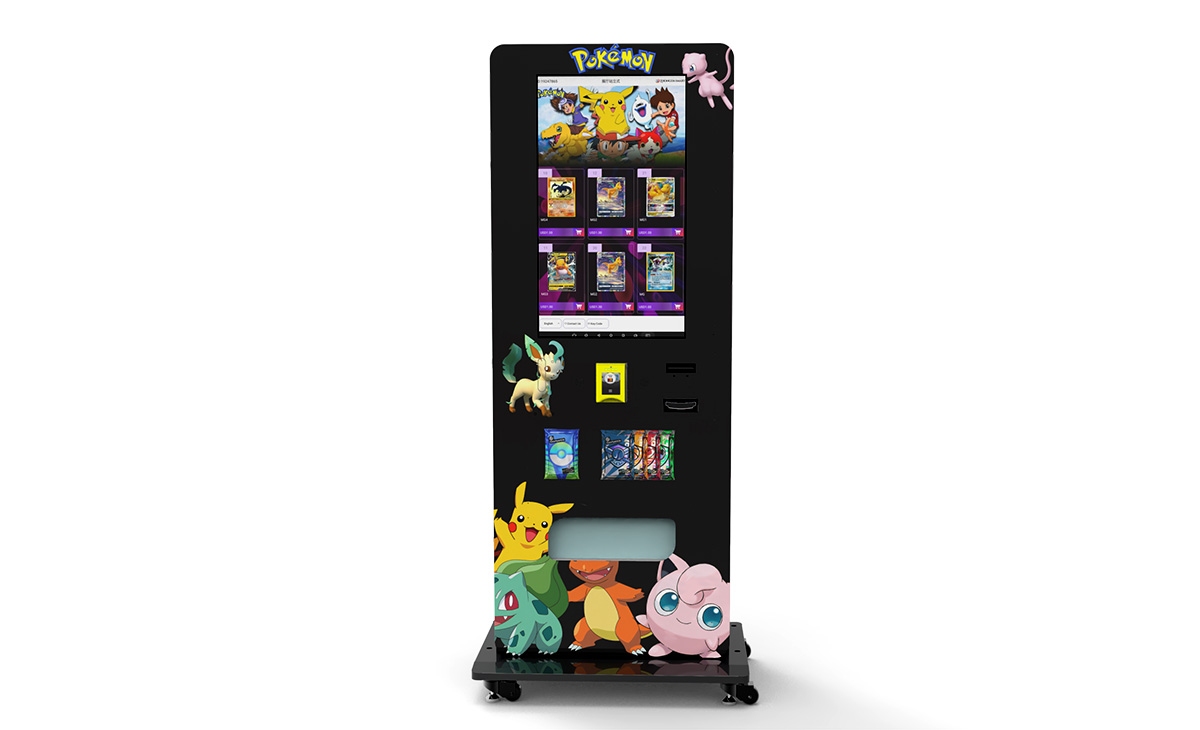
In the last few years, I have seen a shift toward self-service kiosks and micro-markets in larger factories. These are essentially unattended retail spaces with multiple machines or open shelving and a single checkout point. They offer a wider product selection and higher revenue potential, but they also require more space, higher security, and more frequent restocking.
For factories with 300+ employees, a micro-market can generate EUR 8,000–15,000 per month in revenue. The gross margin is lower because you stock perishable items, but the absolute profit can be significantly higher. I have deployed micro-markets in two automotive plants in Germany, and both have performed well. The key is to have a reliable payment kiosk and a camera system to deter theft. Shrinkage in micro-markets runs 2–5% if managed properly, compared to less than 1% for traditional vending machines.
If you are considering a self-service kiosk solution, make sure the manufacturer offers a robust software platform for inventory management and sales analytics. Without that, you are running blind. I have seen operators abandon micro-markets because they could not keep up with manual inventory tracking.
Regulatory and Food Safety Considerations
In Europe, vending machines that sell food or beverages are subject to local hygiene regulations. In France, for example, any machine selling perishable items must comply with the "paquet hygiène" regulations under EU Regulation 852/2004. That means you need to maintain cold chain temperatures below 4°C for refrigerated items and keep records of temperature logs. I use machines with built-in temperature sensors that upload data to the cloud. That way, I have an audit trail if a health inspector shows up.
In the UK, the Food Standards Agency requires vending machine operators to register as a food business and follow the same hygiene standards as a restaurant. That includes allergen labeling on all products. I recommend stocking products with clear allergen information and displaying a notice on the machine directing workers to ask for details if needed.
In the US, the FDA Food Code applies, and many states require a permit for vending machines that sell potentially hazardous foods. The cost is usually minimal, but the paperwork can be tedious if you are not prepared. I always check local regulations before placing a machine in a new jurisdiction.
Frequently Asked Questions
Are vending machines profitable in factories?
Yes, they can be profitable, but it depends on location, product mix, and operational efficiency. In my experience, a well-placed machine in a factory with 150+ workers can generate EUR 1,500–3,000 per month in revenue with net margins of 10–18%. The key is to control costs and optimize the product mix based on sales data.
How much does a vending machine for factories cost?
A basic snack and beverage combo machine costs between EUR 3,000 and 5,500. A refrigerated food machine costs EUR 6,000 to 10,000. High-capacity industrial units with dual temperature zones run EUR 8,000 to 14,000. Micro-market setups can cost EUR 12,000 to 20,000 or more.
How long does it take to recover the investment?
Payback periods typically range from 8 to 20 months, depending on the machine type, location revenue, and operating costs. I have seen machines pay back in under 10 months in high-traffic factories with strong product demand.
Should a beginner buy or lease a machine?
If you are new to the business, I recommend starting with a single purchased machine rather than leasing. Leasing often locks you into long-term contracts with high monthly payments that eat into margin. Buying one machine lets you learn the operational details without significant financial risk. Once you have proven the model, you can scale.
Where should I place a vending machine in a factory?
Place the machine near high-traffic areas like break rooms, shift change zones, or near the entrance. Avoid locations that are far from the main work areas or require workers to walk through security checkpoints. The machine should be visible and accessible during all shifts.
What permits or licenses do I need?
In most EU countries and US states, you need a food business registration if you sell perishable items. You may also need a vending machine permit, a sales tax permit, and compliance with local health department regulations. Check with your local business licensing office before you start.
How do I choose a vending machine supplier?
Look for a supplier with a track record in industrial environments. Ask about motor type, compressor brand, telemetry capabilities, and after-sales support. I have had good experiences with Zhongda Smart for factory-specific machines. Always request references from other operators who have deployed the same model in similar settings.
What happens if the machine breaks down?
You need a plan for vending machine repair. If you are not a technician, arrange a service contract with a local repair company before you place the machine. Keep a list of common replacement parts on hand. Telemetry helps you identify issues early, which reduces downtime.
How can I reduce restocking and maintenance costs?
Use telemetry to monitor inventory levels and sales patterns so you only restock when necessary. Standardize your product mix across machines to simplify ordering. Schedule preventive maintenance quarterly. Negotiate volume discounts with suppliers. These steps can reduce your operating costs by 15–25%.
Final Thoughts from a Decade in the Field
Running vending machines for factories is not a passive income stream. It requires attention to detail, a willingness to learn from mistakes, and a commitment to reliability. But if you approach it with realistic expectations and a focus on operational excellence, it can be a solid business that serves both you and the workers who depend on those machines every day. The factories that treat their vending program as an employee benefit rather than an afterthought are the ones where I have seen the best results. Start small, track every number, and scale only when you have a system that works.
This article was updated in April 2025. All revenue and cost figures are based on the author's operational experience in the European and North American vending industry. Individual results may vary depending on location, market conditions, and operational efficiency. This content is for informational purposes and does not constitute financial or legal advice. Always consult a qualified professional for business decisions.