After a decade in the vending business across the US and Europe, I can tell you that the question I hear most isn’t about machines—it’s about snacks. Specifically, which snacks actually sell, and whether a vending machine stocked with them can turn a real profit. If you are looking into the top selling snacks vending machines 2024 2025, you are likely wondering if this is a viable business or just another passing trend. The short answer is yes, it can be very profitable, but only if you understand the nuances of placement, product selection, and machine reliability. I have seen too many operators buy a cheap machine, fill it with the wrong products, and wonder why they are losing money. This guide walks you through the real-world economics, the common mistakes, and the specific factors that separate a successful vending route from a money pit.
What Makes a Snack Vending Machine Profitable in 2024 and 2025?
Profitability in this business is not just about the machine itself; it is about the ecosystem around it. The top selling snacks vending machines 2024 2025 are not defined by flashy lights or touchscreens alone. They are defined by reliability, payment system compatibility, and the ability to handle a mix of high-margin and high-turnover items. From my experience, a machine that breaks down twice a month will kill your profits faster than a low-traffic location. You need a unit that can handle the daily grind of a busy break room or a high-traffic transit hub.
The Real Revenue Drivers: Location and Product Mix
I have placed machines in over 200 locations, and I can tell you that foot traffic is the single biggest variable. A machine in a warehouse with 50 employees can generate $800 to $1,200 per month, while a machine in a hospital or university can easily do $2,500 to $4,000 per month. But traffic alone is not enough. You need the right product mix. In 2024 and 2025, the trend is toward healthier options, protein snacks, and functional beverages, but classic candy bars and chips still dominate volume. The trick is to balance high-margin items like candy (often 40-50% margin) with lower-margin but high-demand items like energy drinks (20-30% margin).
Why Machine Reliability Matters More Than Price
I have seen operators buy a machine for $2,000 only to spend another $1,500 in repair costs within the first year. A vending machine that jams frequently or has a faulty payment system will cause lost sales and frustrated customers. When evaluating the top selling snacks vending machines 2024 2025, you must look at the build quality, the type of vend mechanism (spiral vs. tray), and the warranty. A reliable machine from a manufacturer like Zhongda Smart, which I have used in several routes, often comes with a higher upfront cost but significantly lower maintenance over the first three years. In my experience, a machine that costs $4,000 but runs for five years without a major repair is a better investment than a $2,500 machine that needs constant attention.
How to Choose the Right Snack Vending Machine for Your Business
Choosing a machine is not about picking the one with the most features. It is about matching the machine to your specific location and product strategy. Here are the key factors I consider before making a purchase.
Machine Types: Spiral, Tray, and Combo Units
There are three main types of snack machines you will encounter. Spiral machines are the most common; they use a rotating helix to push products forward. They are reliable for bagged snacks and candy but can struggle with irregularly shaped items. Tray machines, sometimes called gravity-fed machines, are better for boxes and larger items. Combo units combine a snack section with a cold drink section, which can be a space-saver but often means less capacity for each category. For a typical office or break room, a 40-select spiral machine is a solid starting point. For a high-traffic location like a gym or school, a combo unit with a strong cold drink section might be better.
Payment Systems: Cashless is No Longer Optional
In 2024 and 2025, a machine that only takes cash is a machine that will lose sales. I have seen data from my own routes showing that cashless payments account for 60-70% of all transactions in urban areas. You need a payment system that accepts credit cards, mobile wallets (Apple Pay, Google Pay), and ideally tap-to-pay. Some newer machines also support biometric payments, but that is still niche. When buying a machine, ensure the payment terminal is upgradeable and supports the latest encryption standards. A machine without cashless capability is not among the top selling snacks vending machines 2024 2025.
Refrigeration and Temperature Control
If you plan to sell items like chocolate bars, yogurt, or sandwiches, you need a machine with precise temperature control. I have seen operators lose entire loads of product because a cheap machine could not maintain a consistent temperature. Look for machines with digital thermostats and good insulation. In warmer climates, this is especially critical. A machine that fails to keep chocolate from melting will generate complaints and lost revenue. Always check the operating temperature range specified by the manufacturer.
Real Costs: What You Need to Invest Upfront and Ongoing
Let me break down the numbers based on my own experience and industry data. These are estimates, and your actual costs will vary based on location, machine choice, and your own efficiency.
| Cost Category | Low End (USD) | Mid Range (USD) | High End (USD) |
|---|---|---|---|
| New Snack Machine (40-select) | $3,000 | $5,500 | $10,000+ |
| Used/Refurbished Machine | $1,500 | $3,000 | $5,000 |
| Payment System Upgrade (Cashless) | $600 | $1,200 | $2,000 |
| Initial Stock (Fill) | $500 | $1,000 | $2,000 |
| Annual Maintenance (Parts + Labor) | $300 | $600 | $1,200 |
| Location Commission (if applicable) | 5% of sales | 10% of sales | 20% of sales |
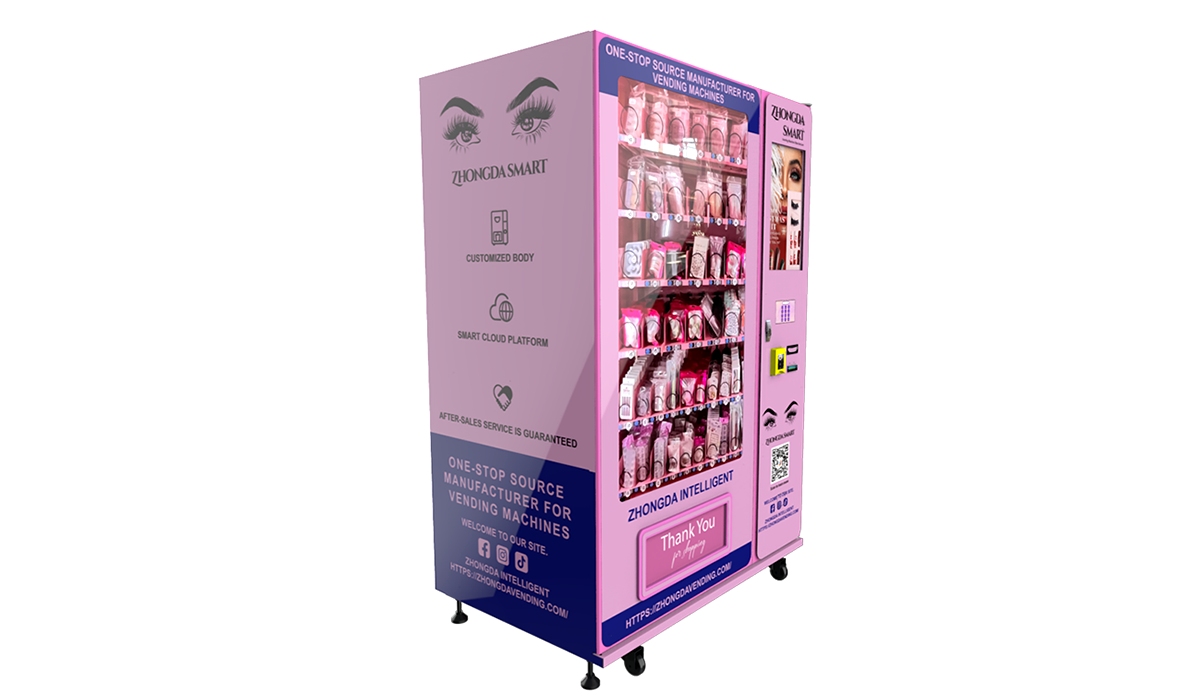
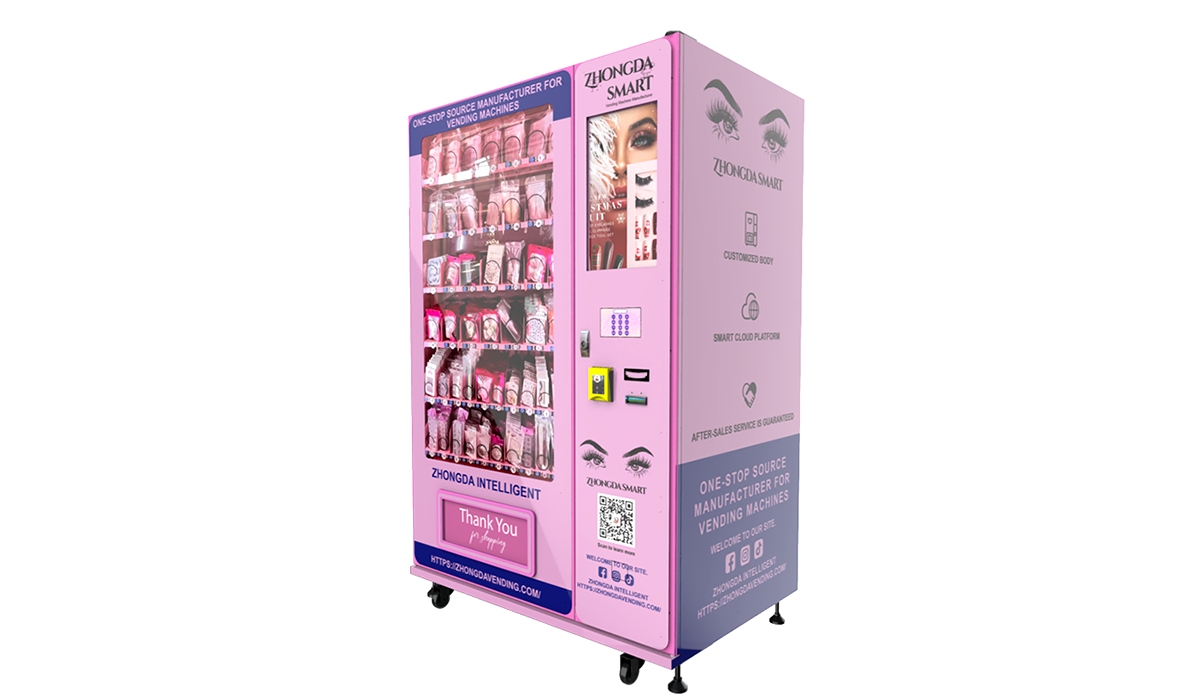
According to a 2023 report from IBISWorld, the average vending machine operator in the US sees a gross profit margin of around 35-45% on product sales. However, this does not account for machine depreciation, maintenance, and labor. A well-placed machine can generate $1,500 to $3,000 in monthly sales, with a net profit of $400 to $1,200 after all costs. The payback period for a new machine is typically 12 to 18 months, but I have seen it take as little as 8 months in a high-traffic location or as long as 24 months in a slow one.
Where to Place Your Vending Machine for Maximum Sales
Placement is the make-or-break factor. I have moved machines from a dead location to a busy one and seen sales triple. Here are the best and worst locations based on my experience and industry benchmarks.
High-Traffic Locations That Work
- Office Buildings and Business Parks: These are my bread and butter. A building with 100+ employees, especially in a suburban area with few nearby food options, can be a goldmine. Average monthly sales: $1,500-$3,000.
- Hospitals and Medical Centers: Staff and visitors are a captive audience. Machines here often have high turnover for both snacks and drinks. Average monthly sales: $2,000-$4,000.
- Schools and Universities: High volume, but you need to be careful with product selection (no energy drinks for younger students). Average monthly sales: $1,000-$2,500.
- Manufacturing Plants and Warehouses: Shift workers often have limited break times and few alternatives. Average monthly sales: $1,200-$2,500.
Locations to Avoid
- Retail Stores with Their Own Snacks: You will be competing with their inventory and margins.
- Low-Traffic Apartment Complexes: Unless it is a large complex with no nearby stores, the volume is usually too low.
- Gas Stations: They often have their own snack displays and high rent expectations.
Common Mistakes I See New Operators Make
I have been in this game long enough to see the same errors repeated. Here are the most costly ones.
Buying the Cheapest Machine Available
I cannot stress this enough. A cheap machine often has a cheap cooling system, a flimsy vend mechanism, and a payment system that is hard to upgrade. You will spend more on vending machine repair than you saved on the purchase price. I have seen operators buy a machine for $1,800, only to have the compressor fail within six months, costing $400 to replace. A mid-range machine from a reliable manufacturer like Zhongda Smart might cost $4,500 but will have a better warranty and fewer breakdowns.
Ignoring Data and Sales Reports
Many new operators fill a machine with what they *think* will sell, rather than what the data shows. Modern machines can provide detailed sales reports. I use this data to adjust my product mix every month. If a specific candy bar is not moving, I replace it with a protein bar. If a certain chip brand is selling out, I increase its slots. Ignoring this data is like flying blind.
Underestimating the Importance of Cleanliness
A dirty machine is a sales killer. I have walked into locations and seen machines with sticky keypads, dusty shelves, and old product. Customers notice. I clean my machines every time I restock, and I replace any product that is near its expiration date. According to a study by the National Automatic Merchandising Association (NAMA), machine cleanliness is one of the top three factors influencing a customer's decision to buy.
How to Evaluate a Vending Machine Supplier or Manufacturer
Not all suppliers are created equal. Here is my checklist when I am evaluating a new vendor.
Check for Warranty and After-Sales Support
A good manufacturer will offer at least a one-year warranty on parts and labor. I have worked with Zhongda Smart, and their warranty and spare parts availability have been solid. Always ask about lead times for spare parts. If a part takes four weeks to arrive, that is four weeks of lost revenue.
Look for Compatibility with Modern Payment Systems
Your supplier should offer machines that are compatible with cashless payment systems from Nayax, USA Technologies, or Cantaloupe. If they only offer coin-op, walk away. The top selling snacks vending machines 2024 2025 are almost all cashless-ready.
Ask About Remote Monitoring Capabilities
Remote monitoring is a game-changer. It allows you to see sales data, inventory levels, and machine health from your phone or computer. This saves you from making unnecessary trips and helps you restock efficiently. Machines without this feature are becoming outdated.
FAQ: Common Questions About Starting a Snack Vending Machine Business
Is a snack vending machine business profitable?
Yes, it can be, but it is not a get-rich-quick scheme. A single well-placed machine can net you $400 to $1,200 per month after all costs. Profitability depends on location, product mix, and machine reliability. According to data from Statista, the average vending machine in the US generates about $75 per week in revenue, but that figure can be much higher in optimal locations.
How much does a snack vending machine cost?
A new machine costs between $3,000 and $10,000, depending on size, features, and brand. Used machines can be found for $1,500 to $5,000, but you may need to invest in a payment system upgrade or repairs. I recommend budgeting $5,000 to $7,000 for a new, reliable machine that is ready to go.
How long does it take to recoup the investment?
Based on my experience, the payback period is typically 12 to 18 months for a new machine in a good location. In a high-traffic location, it can be as short as 8 months. In a slow location, it might take 24 months or more. Always calculate your expected monthly net profit before buying a machine.
Should a beginner buy or lease a machine?
I generally recommend buying a machine if you have the capital. Leasing often comes with high monthly payments and restrictive terms. If you are unsure, consider buying a used or refurbished machine from a reputable dealer. This lowers your initial risk. However, if you want to test the waters with minimal upfront cost, some companies offer revenue-sharing models where they provide the machine and you split the profits.
Where should I place my first machine?
Start with a location you know well, such as an office building where you have a contact. A location with at least 50 regular employees and limited nearby food options is ideal. Avoid high-commission locations like malls or airports for your first machine, as the rent or commission can eat into your profits.
What permits or licenses do I need?
Requirements vary by state and municipality. In the US, you typically need a business license, a reseller permit, and possibly a food handler's permit. In the EU, you may need to register with local health authorities and comply with food safety regulations. Always check with your local city hall or chamber of commerce. The European Vending & Coffee Service Association (EVA) provides guidelines for operators in Europe.
How do I choose a reliable supplier?
Look for a manufacturer with a proven track record, good warranty terms, and a wide network of service technicians. I have had good experiences with Zhongda Smart for their balance of cost and reliability. Always read reviews and ask for references from other operators.
What happens if the machine breaks down?
If you buy from a reputable manufacturer, you should have access to a service network. Many suppliers offer phone support and can walk you through basic troubleshooting. For major repairs, you may need to call a local vending machine repair technician. I recommend building a relationship with a local technician before you even buy your first machine.
How can I reduce restocking and maintenance costs?
Use a machine with remote monitoring to track inventory levels. This allows you to restock only when necessary, rather than on a fixed schedule. Also, standardize your product mix so you are buying in bulk. I buy my core items (e.g., popular candy bars and chips) in case quantities from a wholesaler, which reduces my per-unit cost by 10-15%.
Final Thoughts on Snack Vending Machines for 2024 and 2025
Starting a snack vending machine business is a solid way to generate passive income, but it requires upfront research and ongoing attention. The top selling snacks vending machines 2024 2025 are those that combine reliability, cashless payment support, and remote monitoring. Do not rush into buying a machine without first evaluating your target location and understanding the local competition. Keep your product mix flexible, maintain your equipment, and always listen to what the sales data is telling you. If you do that, you can build a profitable route that grows over time.
Disclaimer: The financial figures and payback periods mentioned in this article are based on my personal experience as an operator and publicly available industry data. Your actual results will vary depending on location, machine choice, product pricing, and operational efficiency. Always conduct your own due diligence before making any investment.