After spending over a decade placing, servicing, and pulling machines across the US and Europe, I can tell you that the most common question I get isn't about which model looks best. It is always about the money: can a snack & drink combo vending machine actually turn a profit? The short answer is yes, but only if you match the right machine to the right location and understand the real costs before you buy. In this deep dive, I will walk through everything I have learned about selecting, placing, and running a profitable snack & drink combo vending machine operation, based on actual P&L statements from my own routes, not just manufacturer specs.
What Is a Snack & Drink Combo Vending Machine and Where Does It Fit?
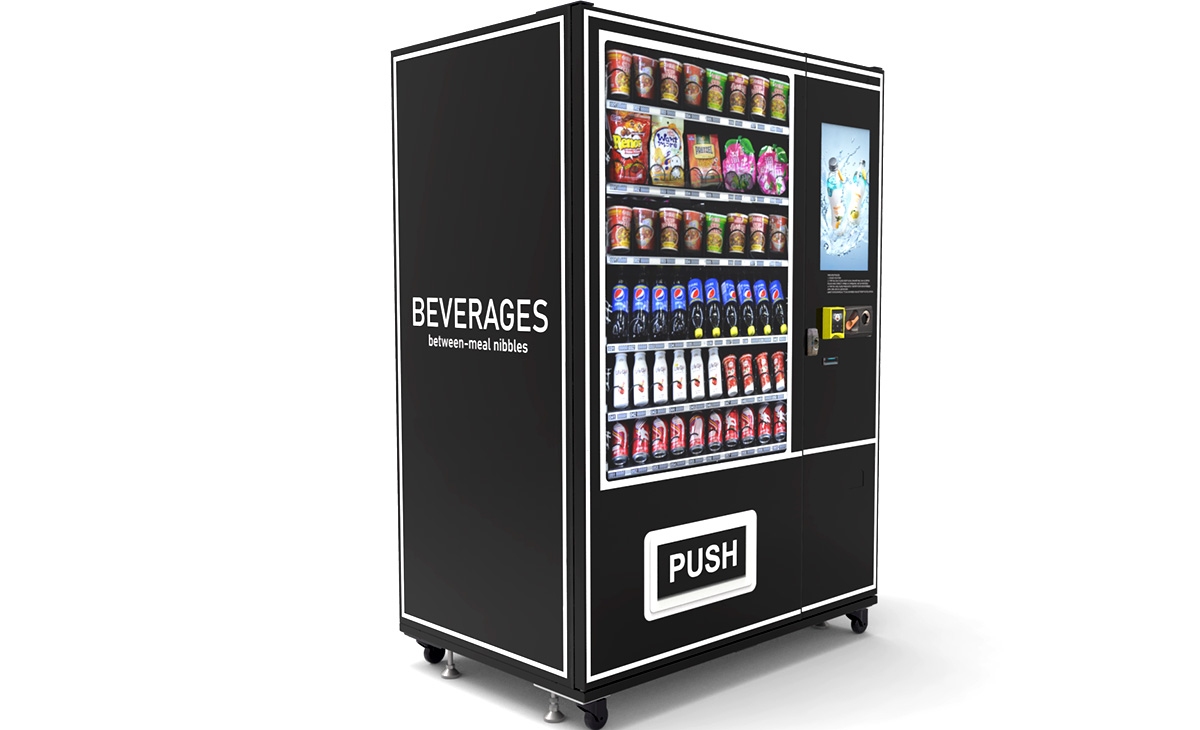
A snack & drink combo vending machine is exactly what it sounds like: one cabinet that holds both packaged snacks and canned or bottled beverages. Unlike traditional setups where you need two separate units, a combo machine saves floor space and reduces the upfront investment. I have placed these in break rooms, small retail stores, auto repair shops, and even hotel lobbies where a full bank of machines would never fit. The key advantage is versatility. If you have a location with 50 to 200 potential customers walking through daily, a combo unit often makes more sense than a dedicated snack-only or drink-only machine.
These machines are not new, but the modern versions have come a long way. You can now find models with touchscreens, cashless payment systems, and telemetry that tells you when stock is low. From my experience, the biggest mistake new operators make is assuming a cheap machine will work just as well as a mid-range one. The truth is, a low-quality snack & drink combo vending machine will cost you more in repairs and lost sales within the first year than you saved on the purchase price.
Common Locations That Work Well
I have seen combo machines thrive in locations with consistent foot traffic but limited space. Small offices with 30–60 employees are a perfect fit. So are warehouses, manufacturing floors, and medical clinics. I have also placed machines in laundromats and car washes, where customers have a few minutes to kill and are likely to buy a drink and a snack together. The worst locations I have tested were places with very low traffic, like a small hair salon with only three chairs. That machine barely covered the cost of restocking and card processing fees.
One thing I always tell new operators: never sign a long-term location agreement until you have run the machine for at least three months. I once locked myself into a two-year contract at a gym that looked great on paper but had a membership that just did not buy from vending machines. That was an expensive lesson.
Is a Snack & Drink Combo Vending Machine Business Profitable?
Profitability depends on three variables: location, product mix, and operational efficiency. Based on my own route data, a well-placed combo machine in a medium-traffic location can generate between $300 and $800 in monthly revenue. After subtracting product cost (typically 45–55% of sales), credit card processing fees (2.5–4%), and restocking labor, the net profit per machine usually lands between $100 and $300 per month. That might not sound like a lot, but when you scale to ten or twenty machines, it adds up.
According to a 2023 report by IBISWorld, the vending machine industry in the US alone generates over $7 billion annually, with snack and beverage machines accounting for the largest share. The industry has also seen a shift toward healthier options and cashless payments, which I have confirmed on my own routes. Machines that offer a mix of traditional chips and candy alongside protein bars and sparkling water consistently outperform those that only stock junk food.
Another key data point comes from the National Automatic Merchandising Association (NAMA), which reported in 2022 that the average vending machine in the US generates about $75 per week in sales. In my experience, a well-run snack & drink combo vending machine can easily double that if placed in the right spot. But I have also had machines that barely did $40 a week, and I pulled them within six months.
Real Costs You Need to Budget For
Upfront cost for a new combo machine ranges from $3,500 to $8,000 depending on features. A refurbished unit can be found for $1,500 to $3,000, but I have learned the hard way that refurbished machines often come with hidden issues like outdated refrigeration systems or finicky coin mechanisms. My recommendation is to buy new from a reputable supplier. I have worked with Zhongda Smart on several orders, and their machines have held up well in tough environments like warehouses and outdoor covered areas. Their pricing is competitive, and the build quality is consistent.
Ongoing costs include restocking (labor and product), payment processing fees, machine repair, and location commission if you agree to one. I typically budget $50–$100 per month per machine for maintenance and repairs. Some months you spend nothing, and then suddenly a refrigeration unit fails and you are out $300. That is why I always keep a reserve fund of at least $500 per machine.
How to Choose the Right Snack & Drink Combo Vending Machine
There are dozens of manufacturers out there, but not all machines are built the same. I have tested units from Chinese OEMs, American brands, and European manufacturers. The most important factors are refrigeration reliability, payment system compatibility, and ease of restocking. A machine that takes ten minutes to restock instead of twenty saves you hours across a route.
Another factor that often gets overlooked is the machine's ability to handle different package sizes. Some combo machines have fixed spirals that only fit standard cans and small bags. That limits your ability to sell larger bottles or premium snacks. I always look for machines with adjustable shelving or interchangeable spirals. This flexibility lets me test new products without having to buy new parts.
New vs. Refurbished: What I Have Learned
I started my first route with three refurbished machines. Two of them worked fine for about a year. The third had a compressor issue that took three service calls to fix, and by the time I added up the repair costs, I had spent more than a new machine would have cost. If you are on a tight budget, a refurbished machine from a dealer that offers a warranty might work, but I would not recommend it for someone just starting out. A new snack & drink combo vending machine from a manufacturer like Zhongda Smart gives you a clean slate and a warranty that covers the first year.
Key Features to Look for in a Modern Combo Machine
- Cashless payment system: A machine without a card reader will lose at least 30% of potential sales. I have seen this firsthand. Customers simply walk away if they cannot tap their phone or swipe a card.
- Telemetry and remote monitoring: This feature tells you what is selling and when you need to restock. It saves time and prevents lost sales due to empty slots.
- Energy-efficient compressor: A machine that runs 24/7 can add $20–$40 to your monthly electricity bill. Newer models with LED lighting and better insulation cut that in half.
- Security features: Locking mechanisms and tamper-proof designs are essential, especially in outdoor or semi-public locations.
Comparing Different Types of Vending Machines: A Practical Table
| Machine Type | Upfront Cost (New) | Typical Monthly Revenue | Maintenance Cost (Annual) | Best Location Type |
|---|---|---|---|---|
| Snack only | $2,000–$4,000 | $200–$500 | $200–$400 | Small offices, break rooms |
| Drink only | $2,500–$5,000 | $300–$700 | $300–$500 | Gyms, schools, outdoor areas |
| Snack & drink combo | $3,500–$8,000 | $400–$900 | $400–$700 | Small retail, warehouses, clinics |
| Self-service kiosk (food) | $8,000–$15,000 | $800–$2,000 | $600–$1,200 | High-traffic food courts, hospitals |
This table is based on my own operational data and industry averages from NAMA reports. Keep in mind that revenue and costs vary significantly by location and product pricing.
How to Evaluate a Location Before Placing a Machine
I use a simple formula: number of potential customers per day multiplied by average transaction value. If a location has 100 people walking through daily and an average sale of $1.50, that is $150 per day in potential revenue. But you will never capture all of that. A realistic capture rate is 10–20%, so you are looking at $15–$30 per day, or $450–$900 per month. That is a solid range for a combo machine.
I also consider the competition. If there is already a vending machine in the same building, I ask about its performance. If it is old and poorly stocked, that is actually a good sign. You can replace it with a better machine. If there is a convenience store within walking distance, that is a red flag. Customers will often choose fresh food over packaged snacks.
Common Location Mistakes I Have Made
I once placed a machine in a small factory that had 40 employees. The owner promised they would use it. After three months, the machine was barely breaking even. The problem was that the factory had a break room with a refrigerator, and employees brought their own food. I should have asked about that before signing. Another mistake was placing a machine in a location with no reliable internet connection for the payment system. The machine worked fine for cash sales, but card transactions kept failing, and customers got frustrated.
Operating and Restocking Best Practices
Restocking frequency depends on sales volume. For a medium-traffic combo machine, I usually restock every two weeks. High-traffic locations might need weekly visits. I always bring extra inventory for the top-selling items. In my experience, the 80/20 rule applies: 80% of sales come from 20% of the products. If you do not track which items sell fastest, you will waste money on slow movers.
I also recommend rotating stock based on expiration dates. Stale snacks lead to complaints and lost trust. And never underestimate the importance of cleanliness. A machine with a dirty glass front or sticky buttons will repel customers. I clean every machine during every restock visit.
Using Sales Data to Improve Performance
Modern telemetry systems give you real-time data on what is selling and what is not. I use this data to adjust product mix every quarter. If a certain brand of chips is not moving, I replace it with a different flavor or a healthier alternative. I have also used sales data to decide when to move a machine to a new location. If a machine consistently underperforms for six months despite product changes, it is time to pull it.
How to Avoid Common Newbie Mistakes
The biggest mistake I see is buying a machine before securing a location. I have seen people buy three machines and then spend months looking for places to put them. That is a recipe for storage costs and frustration. Always line up at least one or two locations before you buy.
Another mistake is ignoring the payment system. In 2024, a snack & drink combo vending machine without a card reader is almost useless. I have seen operators lose 40% of potential sales because they only accepted cash. The cost of adding a card reader is around $200–$400, and it pays for itself in a few months.
Finally, do not underestimate the value of a good location agreement. I always get everything in writing: commission percentage (if any), who pays for electricity, and how much notice is required to remove the machine. Verbal agreements lead to disputes.
Supplier Selection: What to Look For
When choosing a manufacturer or supplier, I look for three things: build quality, warranty, and after-sales support. A machine that breaks down frequently will eat into your profits fast. I have had good experiences with Zhongda Smart because they offer a solid warranty and their technical support team is responsive. They also provide machines that are compatible with major payment systems like Nayax and USA Technologies.
I also recommend asking for references from other operators. Any reputable supplier should be able to connect you with existing customers. If they cannot, that is a red flag. And always read the warranty terms carefully. Some warranties cover parts but not labor, which can still cost you hundreds per service call.
Real Data Sources You Can Trust
I rely on a few key data sources to validate my own experience. The National Automatic Merchandising Association (NAMA) publishes annual reports on industry revenue and trends. IBISWorld provides detailed market analysis on the vending machine industry in the US. For European operators, European Vending Association (EVA) offers region-specific data and best practices. These sources are reputable and widely used by industry professionals.
FAQ About Snack & Drink Combo Vending Machines
Can you make money with a snack & drink combo vending machine?
Yes, but it depends on location and operational efficiency. A well-placed machine can net $100–$300 per month after all costs. Scaling to multiple machines increases overall profit.
How much does a snack & drink combo vending machine cost?
A new machine typically costs between $3,500 and $8,000. Refurbished units can be found for $1,500–$3,000, but may come with higher maintenance risks.
How long does it take to break even?
Based on my experience, most operators break even within 12 to 24 months. A high-traffic location can shorten that to under a year.
Should I buy or lease a machine?
Buying is better for long-term profitability. Leasing often comes with high monthly fees and restrictions. I always recommend buying if you have the upfront capital.
Where is the best place to put a combo machine?
Small to medium offices, warehouses, medical clinics, laundromats, and auto repair shops are solid options. Avoid locations with very low foot traffic or nearby convenience stores.
What permits do I need?
Requirements vary by city and state. In the US, you generally need a business license and a sales tax permit. Some locations require health department approval if you sell perishable items. Check with your local government.
How do I choose a supplier?
Look for a manufacturer with a good warranty, responsive support, and positive operator reviews. I have had good results with Zhongda Smart for their build quality and after-sales service.
What happens if the machine breaks down?
Most manufacturers offer a one-year warranty. After that, you need a local repair technician or a service contract. I recommend building a relationship with a local vending machine repair company before you need them.
How can I reduce restocking and maintenance costs?
Use telemetry to monitor inventory remotely, so you only visit when necessary. Also, keep a small inventory of common replacement parts like belts and coin mechanisms.
Final Thoughts From a Route Operator
Running a snack & drink combo vending machine business is not a get-rich-quick scheme. It requires consistent effort, good location scouting, and a willingness to learn from mistakes. But if you do it right, it can provide a steady passive income stream that grows over time. Start small, test locations thoroughly, and reinvest your profits into better machines and more locations. The industry is solid, and with the right approach, you can build a profitable operation that lasts.