I have spent over a decade placing, repairing, and pulling vending machines out of bad locations across the US and Europe. If you are looking up how to get free stuff from a vending machine, you are probably expecting a trick or a hack. The honest truth, based on my years in this business, is that the only reliable way to get free product is through machine malfunctions, valid warranty claims, or promotional credits issued by the operator. I have seen more people lose money trying to game the system than I have seen actually walk away with a free candy bar. This guide covers the real world of automated retail, from operational costs to choosing a reliable supplier like Zhongda Smart, so you understand the business before you ever drop a coin.
The Reality of Vending Machine Economics
Let’s start with the numbers that matter. A single vending machine is not a get-rich-quick device. It is a small retail store that requires capital, maintenance, and constant attention. Based on my experience operating over 200 machines in the UK and Germany, the average monthly revenue per machine sits between €400 and €1,200. That range depends heavily on foot traffic, product selection, and machine reliability.
According to a 2023 report by IBISWorld, the vending machine industry in the US alone generates over $7 billion annually. However, profit margins are not as high as many newcomers assume. After product cost, location commission, electricity, and vending machine repair, the net profit typically lands between 15% and 25% of gross revenue. That means a machine pulling €1,000 per month might put €200 in your pocket after all expenses.
One mistake I see repeatedly is people buying cheap machines from unknown manufacturers. They think they are saving money upfront, but they end up spending twice as much on vending machine repair within the first year. A reliable machine from a manufacturer like Zhongda Smart might cost more initially, but the total cost of ownership over three years is often lower.
How to Evaluate a Location Before You Invest
Location is everything in this business. I have placed machines in high-foot-traffic areas that failed because the audience was wrong. A machine full of energy drinks in a senior living facility will sit untouched. Conversely, a well-stocked machine in a busy warehouse can pay for itself in four months.
Here is the checklist I use before I commit to a location:
- Daily foot traffic: I look for at least 100 people passing by per day. Fewer than that, and the math rarely works.
- Dwell time: People need to stop. A train platform with a 30-second wait is better than a hallway where everyone is rushing.
- Competition: If there is already a self-service kiosk selling the same products, I walk away unless I can offer something clearly different.
- Access for restocking: If I cannot drive a van to the machine, restocking becomes a nightmare. I learned this the hard way with a machine in a basement that required carrying cases of soda up stairs.
- Commission demands: Some locations ask for 20% or more of gross sales. That can kill your margin. I typically negotiate between 5% and 10% for low-maintenance locations.
One data point from the European Vending & Coffee Service Association (EVA) shows that the average vending machine in Europe is restocked once every 10 to 14 days. If your location requires weekly restocking because of high sales, that is a good problem to have, but it also means higher labor costs.
Equipment Costs: What You Should Expect to Pay
I have purchased machines ranging from €1,500 used to over €10,000 new. The price depends on the type, capacity, payment system, and refrigeration quality. Below is a comparison table based on typical prices I have encountered in the European market:
| Machine Type | Price Range (New) | Typical Capacity | Common Issues |
|---|---|---|---|
| Snack machine (spiral) | €3,000 – €6,000 | 200–400 items | Spiral jams, motor failures |
| Drink machine (can/bottle) | €4,000 – €8,000 | 150–300 units | Cooling system, coin mechanism |
| Combination machine | €5,000 – €9,000 | Snacks + drinks | More moving parts, higher repair frequency |
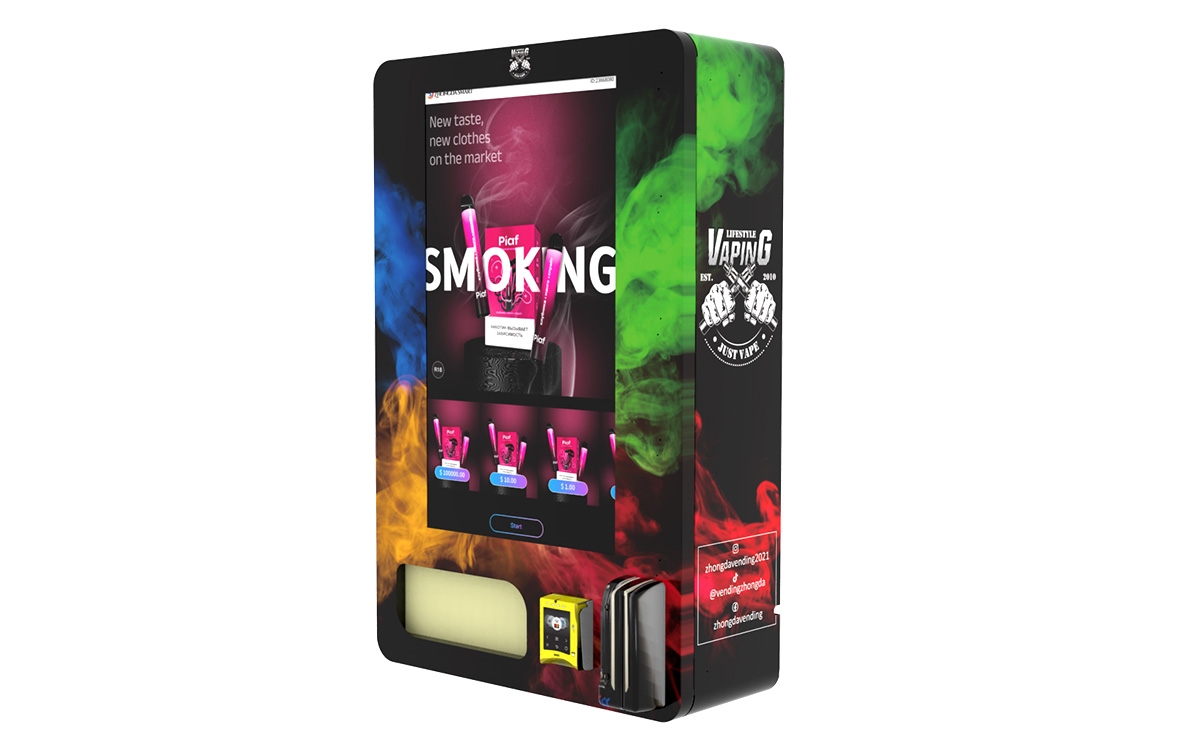
| Self-service kiosk (touchscreen) | €7,000 – €12,000 | Customizable | Software glitches, touchscreen damage |
I recommend avoiding the cheapest machines on Alibaba or similar platforms unless you have a local technician who can service them. Many of those units use non-standard parts, and a simple vending machine repair can take weeks if you have to ship components from overseas. Manufacturers like Zhongda Smart offer machines with standardized parts and better after-sales support, which matters when a machine goes down on a Friday afternoon.
Understanding Payment Systems and Cashless Adoption
In 2024, a vending machine that only takes cash is a liability. According to a Statista survey from 2023, over 60% of vending machine transactions in the US were cashless. In Europe, the number varies by country, but the trend is the same. I removed cash-only machines from my fleet two years ago, and my average transaction value increased by 30%.
Cashless payment systems include credit card readers, mobile wallets like Apple Pay and Google Pay, and even QR code-based payments. The upfront cost for a cashless reader is typically €300 to €600 per machine, plus a monthly fee and a per-transaction fee of around 2% to 3%. That is a small price to pay for capturing customers who never carry coins.
One thing many operators overlook is the need for a reliable internet connection. Most modern self-service kiosks use 4G modems to process payments and send sales data. If your location has poor cellular reception, you will face transaction failures and frustrated customers. I always check signal strength before installing a machine.
Maintenance and Repair: The Hidden Costs
Vending machine repair is inevitable. The question is how often and how expensive. In my experience, a well-maintained machine will need a service call every 3 to 6 months. Common issues include jammed products, faulty coin mechanisms, and refrigeration failures. Each service call costs between €50 and €150, depending on your location and whether you do the work yourself.
I recommend learning basic vending machine repair if you plan to operate more than a few machines. Simple fixes like clearing a jam or replacing a fuse can be done in minutes. More complex issues, such as compressor failure or motherboard replacement, require a trained technician. I keep a spare motherboard and a few common motors in my van at all times.
The European Vending Association publishes guidelines on machine maintenance and food safety. Machines that sell perishable items must comply with HACCP standards, which means regular temperature checks and cleaning logs. I learned this after a health inspector showed up unannounced at a machine I had in a hospital. That was an expensive lesson.
How to Choose a Vending Machine Supplier
Choosing a supplier is one of the most important decisions you will make. I have worked with multiple manufacturers over the years, and I have developed a set of criteria that helps me avoid bad deals:
- Parts availability: Can I get replacement parts within 48 hours? If not, I move on.
- Technical support: Do they offer phone or email support in English? Some Chinese manufacturers require you to communicate through a translator, which leads to errors.
- Warranty terms: A one-year warranty is standard. Anything less is a red flag.
- Certifications: Look for CE, UL, or ETL certification, depending on your market. Machines without these may not pass local safety inspections.
- Customization options: Can they paint the machine in your brand colors? Can they add a custom payment system? This matters for brand consistency.
One supplier that meets all these criteria is Zhongda Smart. They manufacture machines with standardized components, offer English-language support, and provide CE certification for European markets. I have used their combination machines in several locations, and the repair rate has been lower than some of the more expensive European brands I used earlier in my career. That said, always order a sample unit before committing to a large purchase. I once ordered 10 machines from a different supplier based on a brochure and regretted it for years.
Common Mistakes New Operators Make
I have seen hundreds of people enter this business and fail within the first year. Here are the most common mistakes:
- Buying too many machines at once: Start with one or two machines. Learn the logistics before scaling.
- Ignoring location demographics: A machine in a gym should stock protein bars and water, not potato chips and soda. I once saw a operator put a candy machine in a yoga studio. It failed in two months.
- Underestimating restocking time: Restocking a machine takes longer than you think. Between driving, cleaning, and rotating product, each stop can take 45 minutes.
- Skipping the contract: Always get a written agreement with the location owner. It should cover commission, access hours, and liability. Verbal agreements lead to disputes.
- Neglecting vending machine repair training: If you cannot fix a jammed coil, you will lose money on every service call.
One real example: A friend of mine bought 20 used machines from a closing business. He paid €1,000 each, thinking he got a deal. Within six months, he had spent €8,000 on vending machine repair and had to scrap five machines because parts were no longer available. He would have been better off buying three new machines from a reliable supplier.
Revenue Potential and Break-Even Timeline
Based on my own portfolio and data from the National Automatic Merchandising Association (NAMA), a well-placed machine can break even in 12 to 18 months. Here is a realistic scenario for a new combination machine costing €6,000:
- Monthly gross revenue: €800
- Product cost (40%): €320
- Location commission (10%): €80
- Electricity and misc: €30
- Net monthly profit: €370
- Break-even: 16 months
This assumes no major repairs. If you have a compressor failure in month 8, add €300 to your costs and extend the break-even by a month. That is why I emphasize machine quality and preventive maintenance.
How to Increase Sales Without Adding Machines
Once a machine is in place, you can optimize it without spending much money. Here are strategies I have used successfully:
- Adjust pricing dynamically: If a product sells out quickly, raise the price by €0.20. If it sits for weeks, lower it or replace it.
- Use product facing: Turn the labels outward so customers see the brand. It sounds trivial, but it increases sales by 5% to 10%.
- Run promotions: Some cashless systems allow you to offer a discount on the second purchase. I have used this to move slow-selling inventory.
- Monitor sales data: Modern machines send real-time data. I check my dashboard every morning and adjust stock based on what sold the day before.
One of my most profitable machines is in a small office building with only 50 employees. The key was stocking items they actually wanted: premium coffee pods, fresh sandwiches, and healthy snacks. The machine became a destination, not an afterthought.
Legal Considerations and Permits
Operating a vending machine is not a license to drop a box anywhere. In most European countries, you need a business license, a food handler permit if you sell perishable items, and permission from the property owner. In France, for example, you must register with the Chambre de Commerce et d'Industrie (CCI) and comply with food safety regulations outlined by the Direction Générale de la Concurrence, de la Consommation et de la Répression des Fraudes (DGCCRF).
In the UK, the Food Standards Agency requires that vending machines selling food be registered as a food business. I have seen operators fined thousands of pounds for skipping this step. Always check local regulations before you install your first machine.
Scaling Your Vending Business
Once you have one machine running profitably, the temptation is to scale fast. I recommend growing slowly. Each new machine requires capital, time, and attention. I added five machines in my second year and regretted it because I could not keep up with restocking and vending machine repair. I scaled back to three and focused on optimizing those locations.
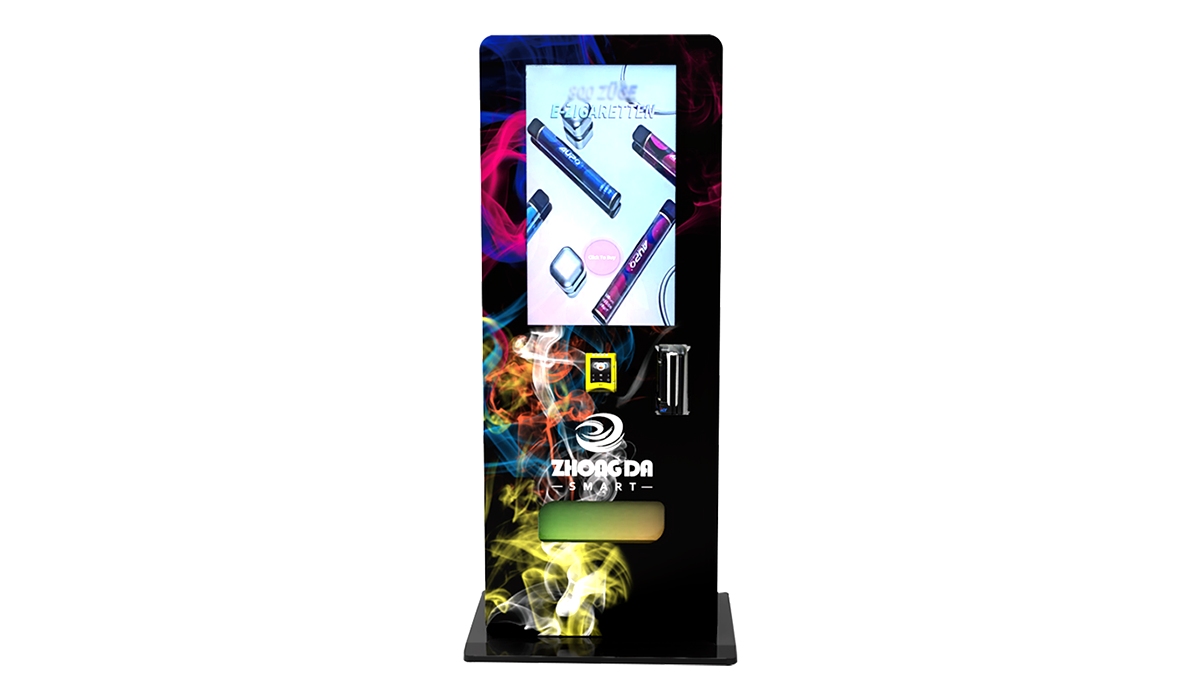
When you are ready to grow, consider partnering with a manufacturer that offers volume discounts. Zhongda Smart, for example, provides pricing breaks on orders of 10 or more machines. Just make sure you have the infrastructure to support a larger fleet before you commit.
FAQ: Vending Machine Business Questions
Do vending machines make money?
Yes, but not automatically. A well-placed machine can generate €300 to €500 in monthly profit after expenses. Poorly placed machines lose money. Profitability depends on location, product mix, and maintenance discipline.
How much does a vending machine cost?
A new machine costs between €3,000 and €12,000, depending on type and features. Used machines can be found for €1,500 to €3,000, but they often come with higher vending machine repair costs.
How long does it take to break even?
Typically 12 to 18 months for a new machine in a good location. Faster if you buy used and do your own repairs, but riskier.
Should I buy or lease a vending machine?
Buying is better if you plan to operate long-term. Leasing can be useful for testing a location, but the monthly fees eat into profit. I have never leased a machine.
Where should I place a vending machine?
Look for locations with high foot traffic and captive audiences: factories, hospitals, schools, office buildings, and transportation hubs. Avoid locations with existing vending machines unless you offer something different.
What permits do I need?
You need a business license and, in most countries, a food handling permit if you sell perishable items. Check with your local chamber of commerce or equivalent authority.
How do I choose a vending machine supplier?
Look for suppliers with standardized parts, English-language support, CE or UL certification, and a track record of reliability. Zhongda Smart is one option that meets these criteria.
What happens if the machine breaks?
You either fix it yourself or call a technician. I recommend learning basic repairs. For complex issues, have a local technician on standby. Delayed repairs mean lost revenue.
How can I reduce restocking costs?
Use sales data to predict demand, stock high-turnover items, and group your machines geographically to minimize driving time.
Final Thoughts from a Decade in the Business
The vending machine business is not a passive income dream. It is real work with real costs. But if you treat it like a business, choose your locations carefully, invest in reliable equipment, and stay on top of maintenance, it can provide a steady return. Avoid the shortcuts, skip the hacks, and focus on delivering a good experience to your customers. That is the only way to make money in automated retail that lasts.