If you are serious about starting a vending machine business, the honest answer is that you can get into it for as little as $3,000 for a single used machine, but a professional, sustainable operation typically requires $8,000 to $15,000 per location once you factor in equipment, inventory, payment systems, and permits. I have been operating vending routes across the US and parts of Europe for over a decade, and I have seen too many newcomers burn cash on cheap machines placed in dead locations. The real question is not just how much it costs to start a vending machine business, but whether you can afford to run it properly until it becomes profitable. Let me walk you through the numbers I have actually seen work, and the mistakes I have made so you do not have to.
What a Vending Machine Business Actually Looks Like
Most people imagine a snack machine in a office break room. That is one model, but the industry has shifted dramatically. Today, a vending machine business can mean anything from a traditional candy and soda setup to a healthy food kiosk in a gym, a coffee machine in a hotel lobby, or even a self-service kiosk that dispenses electronics in an airport. The cost structure changes depending on what you sell and where you place it.
In my experience, the most profitable setups are not the ones with the fanciest machines. They are the ones where the operator understands the location’s traffic patterns and adjusts the product mix accordingly. A machine that sells protein bars and cold brew in a CrossFit gym can gross $1,200 per month, while the same machine filled with potato chips in a quiet office might barely do $300.
Breaking Down the Initial Investment
Let me give you a realistic breakdown based on what I have spent and seen others spend over the years. These numbers are based on US market prices as of early 2025, but the ranges are similar in most European markets when you adjust for currency and VAT.
Equipment Costs
New machines from reputable manufacturers run between $4,000 and $10,000 for a standard snack and drink combo unit. A dedicated coffee vending machine with a bean grinder and milk system can cost $6,000 to $12,000. Used machines are cheaper, typically $1,500 to $4,000, but you need to factor in the cost of repairs and upgrades. I have bought used machines that looked fine but needed a new compressor or card reader within six months, which ate into my margins fast.
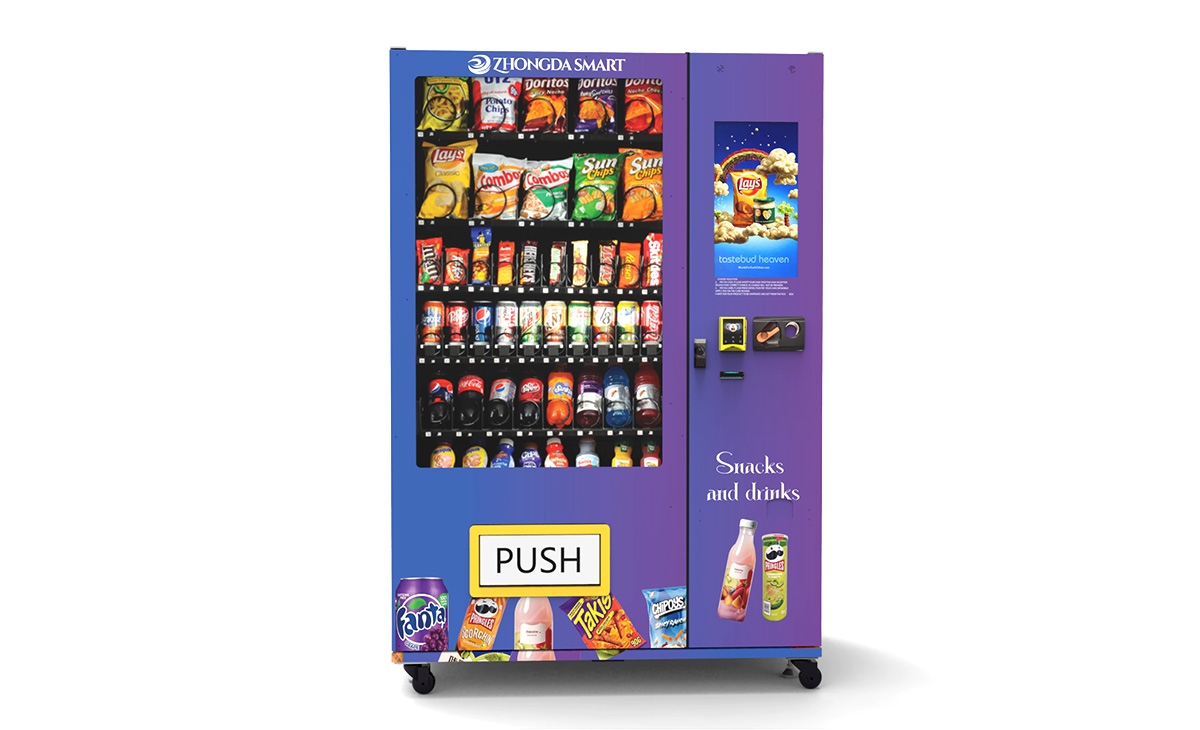
If you are looking for a balance between cost and reliability, I recommend considering a mid-range machine from a supplier like Zhongda Smart. They offer modern units with telemetry and cashless payment support starting around $5,500 for a combo model. I have tested several of their machines in my own routes, and the build quality holds up well in high-traffic locations. That said, always inspect the warranty terms and local service support before buying.
Payment Systems
Cashless payment is no longer optional. In the US, over 80% of vending transactions are now cashless according to a 2024 report by Statista. You need a card reader that supports credit cards, Apple Pay, and Google Pay. A good cashless system costs $400 to $700 per machine, plus a monthly service fee of around $15 to $30. Do not skip this. Machines that only take cash lose at least 30% of potential sales.
Inventory and Initial Stocking
Your first fill will cost between $300 and $600 per machine, depending on the product category. Snacks and drinks have a higher turnover but lower margins. Healthy or specialty items have better margins but slower movement. I usually recommend starting with a mix of 60% high-margin items and 40% high-traffic items to balance cash flow.
Permits, Licenses, and Insurance
This is where many beginners get tripped up. You need a business license, a seller’s permit, and in many cities, a specific vending machine permit. In the European Union, you also need to comply with food safety regulations under Regulation (EC) No 852/2004. Insurance for a small route costs about $300 to $600 per year. Do not operate without liability insurance. I have seen a machine tip over and damage a floor, and the operator was on the hook for $4,000 in repairs.
Ongoing Operational Costs
The cost to start a vending machine business is only half the story. Monthly operating costs can eat your profit if you are not careful.
Restocking Labor and Product Cost
You will need to visit each machine every one to two weeks. If you are doing it yourself, your time is not free. If you hire someone, budget $15 to $25 per hour. Product cost typically runs 40% to 55% of your retail price. For example, if a snack sells for $1.50, your cost is around $0.70 to $0.80.
Commission and Location Fees
Many locations charge a commission of 10% to 20% of gross sales. Some demand a flat monthly fee instead. I have seen locations ask for 25% in high-traffic areas like hospitals and universities. Always negotiate. A location with 500 daily visitors is worth a higher commission than a quiet office with 50 people.
Maintenance and Repairs
Budget $200 to $500 per machine per year for repairs. This includes things like jammed coils, faulty refrigeration, and screen issues. The older the machine, the higher the maintenance cost. I have a rule: if a machine costs more than 30% of its replacement value in repairs over two years, I replace it.
Telemetry and Software
Modern vending machines come with telemetry that tracks inventory and sales remotely. This costs $20 to $40 per month per machine. It saves you time and prevents stockouts, which directly increases revenue. In my experience, machines with telemetry generate 15% to 20% more sales because they are never empty for long.
How Much Can You Actually Earn?
Let me give you realistic numbers based on my own routes and data from industry peers. According to the National Automatic Merchandising Association (NAMA), the average vending machine in the US generates about $75 to $100 per week in revenue. That translates to $3,900 to $5,200 per year per machine. But that average includes poorly performing machines. A well-placed machine in a high-traffic location can do $200 to $400 per week.
Your gross profit margin is typically 40% to 50% after product cost. So a machine doing $300 per week gives you $120 to $150 in gross profit per week. After commission, telemetry, and restocking labor, your net profit is closer to $60 to $90 per week per machine. That means a single machine can pay for itself in 12 to 18 months if placed well.
Comparing Different Machine Types and Costs
Here is a table that compares the most common machine types based on my experience and industry benchmarks.
| Machine Type | New Cost (USD) | Monthly Revenue Range | Gross Margin | Typical Payback Period |
|---|---|---|---|---|
| Snack and drink combo | $5,000 – $10,000 | $400 – $1,200 | 40% – 50% | 12 – 18 months |
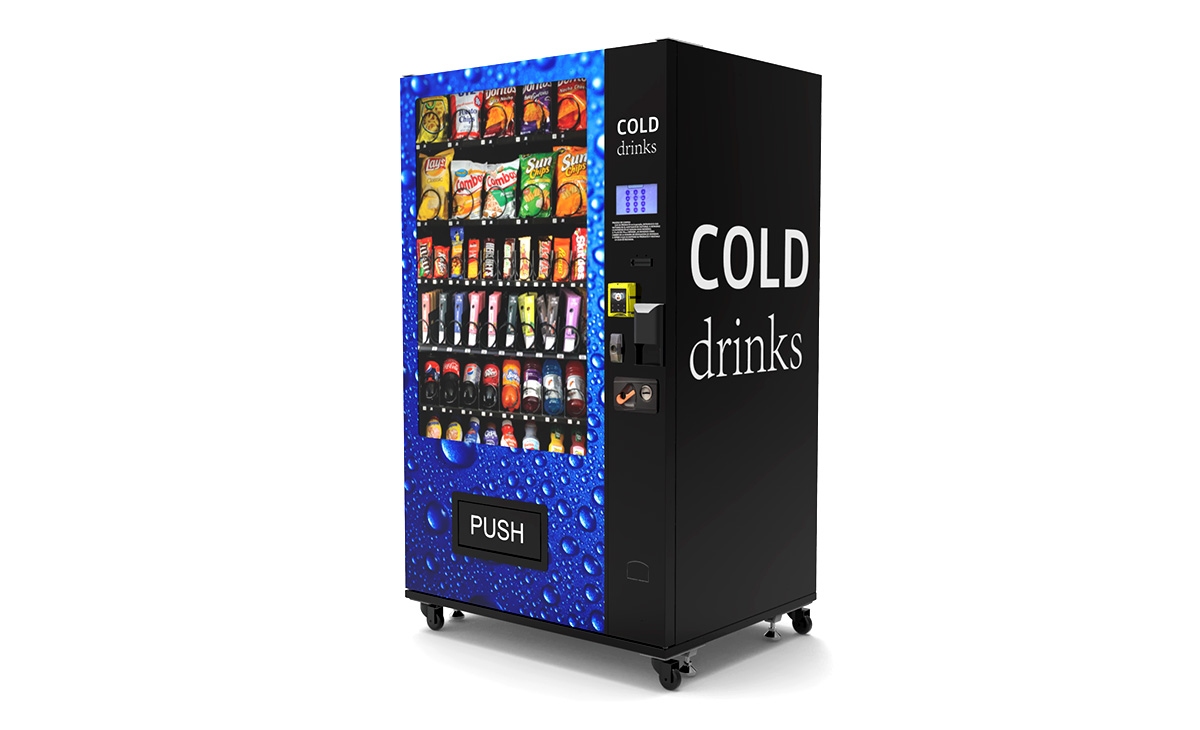
| Cold drink only | $3,500 – $7,000 | $300 – $800 | 35% – 45% | 14 – 20 months |
| Fresh food / healthy vending | $6,000 – $12,000 | $500 – $1,500 | 45% – 55% | 10 – 16 months |
| Specialty coffee machine | $6,000 – $12,000 | $600 – $2,000 | 50% – 65% | 8 – 14 months |
These numbers assume good location selection and proper maintenance. If you place a machine in a low-traffic area, the payback period can stretch to three years or more.
Location: The Make or Break Factor
I cannot stress this enough. The best machine in the world will fail in a bad location. Over the years, I have learned to evaluate locations using three criteria: foot traffic, dwell time, and product fit.
Foot traffic means at least 100 to 200 people passing by per day. Dwell time means people have a reason to stop, like waiting for a bus, standing in a lobby, or taking a break. Product fit means what you sell matches what people in that location actually want. A healthy vending machine in a fast food court will underperform. A coffee machine in a dentist office will do well because people wait.
I once placed a snack machine in a warehouse with 80 employees. It did $150 per week. I moved the same machine to a small college dorm with 200 students, and it did $600 per week. Same machine, different location.
Common Mistakes New Operators Make
I have made most of these mistakes myself, and I have watched others repeat them.
Buying the Cheapest Machine
A $2,000 used machine might seem like a bargain, but if it breaks down twice a month, you lose sales and credibility. I bought a cheap Chinese import machine early in my career. It looked modern but had a poorly designed refrigeration system. It failed in the first summer. I spent $800 on repairs and eventually scrapped it.
Ignoring Cashless Payments
I mentioned this earlier, but it is worth repeating. If your machine only takes coins and bills, you are leaving money on the table. Many young consumers simply do not carry cash. A 2023 study by the European Central Bank found that 59% of point-of-sale transactions in the euro area were still cash, but that number drops significantly for vending purchases under €5.
Overstocking at the Start
New operators often fill the machine with too much variety. You do not need 30 different snack options. Start with 15 to 20 bestsellers and rotate based on sales data. Use telemetry to see what is selling and what is sitting.
Not Negotiating Location Terms
Some location managers will ask for a high commission because they think you are desperate. You are not. Offer a fair split based on projected sales. If they ask for 25%, show them your numbers and explain that you need to cover machine costs. Most will settle at 15% to 20%.
How to Evaluate a Machine Before Buying
Whether you buy from Zhongda Smart or another supplier, use this checklist:
- Does it support cashless payments out of the box?
- Does it have telemetry or can it be upgraded?
- What is the warranty period and what does it cover?
- Are spare parts available locally?
- What is the energy consumption? A machine running 24/7 can add $30 to $60 to your electricity bill per month.
- Can it handle the climate in your area? If you are in a hot region, make sure the cooling system is rated for high ambient temperatures.
Should You Buy, Lease, or Partner?
Most operators buy their machines because leasing often comes with high interest and restrictive terms. However, if you are testing the market, leasing one machine for $150 to $250 per month can be a way to validate a location without a large upfront cost. Partnership models where the location provides space and you provide the machine and maintenance are common in larger facilities like hospitals and universities. In those cases, you split the revenue 50/50 or 60/40 in your favor.
FAQ: Answers to the Questions I Get Most Often
Is a vending machine business profitable?
Yes, but it is not passive income. Profitable operators treat it like a business, not a side hobby. With good locations and proper management, you can expect a net profit of $200 to $600 per machine per month. According to IBISWorld, the vending machine industry in the US has an average profit margin of around 12% to 15% after all expenses.
How much does a vending machine cost?
A new, reliable machine costs between $4,000 and $12,000 depending on type and features. Used machines can be found for $1,500 to $4,000, but factor in repair costs. A complete setup including payment system and first inventory typically costs $5,000 to $15,000 per location.
How long does it take to break even?
In my experience, a well-placed machine pays for itself in 12 to 18 months. Machines in premium locations like hospitals or transportation hubs can break even in 8 to 12 months. Machines in low-traffic areas may take 24 months or more.
Should I buy a new or used machine?
If you are new, buy a new or refurbished machine from a reputable brand. Used machines from unknown sellers often have hidden problems. If you have experience and can do basic repairs, used machines can be a good way to scale.
Where is the best place to put a vending machine?
High-traffic locations with captive audiences: office buildings, hospitals, schools, gyms, factories, apartment complexes, and transportation hubs. Avoid low-traffic retail stores or areas with existing vending competition.
What permits do I need?
You need a business license, a seller’s permit, and in many cities, a vending machine permit. In the EU, you must register as a food business operator if you sell food or drinks. Check local regulations. The European Commission’s food hygiene page is a good starting point.
How do I choose a vending machine supplier?
Look for suppliers with a track record, good warranty, and local support. I have worked with Zhongda Smart on several projects because they offer solid machines at a fair price and their after-sales support is responsive. Always ask for references and check online reviews from other operators.
What happens if the machine breaks?
Most issues are minor and can be fixed with basic tools. For major repairs, you need a technician. Join a local vending machine association to find reliable repair services. Keep a stock of common spare parts like coin mechanisms, card readers, and refrigeration components.
How can I reduce restocking costs?
Use telemetry to know exactly what needs restocking. Plan efficient routes. Group machines that are geographically close. Consider using a route management app to optimize your schedule.
Final Thoughts from the Road
Starting a vending machine business is not a get-rich-quick scheme. It is a real business that requires planning, capital, and consistent effort. But if you choose your locations carefully, buy reliable equipment, and treat your machines like retail stores rather than coin collectors, you can build a steady income stream. I have seen operators grow from a single machine to a fleet of 50 over five years. It is possible, but it starts with understanding the real costs and having a clear plan.
This article is based on my personal experience and publicly available industry data. Results vary by location, product, and management. Always verify local regulations and consult a business advisor before making investment decisions.
本文更新于2025年4月