After a decade in the vending machine business across the US and Europe, I can tell you that the question I get asked most often is straightforward: what are the actual top selling items vending machines 2024 2025 will need to stock to stay profitable? The short answer is that the landscape has shifted dramatically. It is no longer just about candy bars and soda. The most profitable machines today are those that adapt to local demand, whether that means offering healthy protein snacks in a gym or fresh salads in an office lobby. I have seen operators fail because they bought a generic machine and filled it with generic products. Success comes from understanding your specific location and matching your inventory to the people who walk past that machine every day. In this guide, I will share what I have learned from my own wins and losses, so you can avoid the common pitfalls and make a solid investment.
Why the Vending Machine Business Still Works in 2024 and 2025
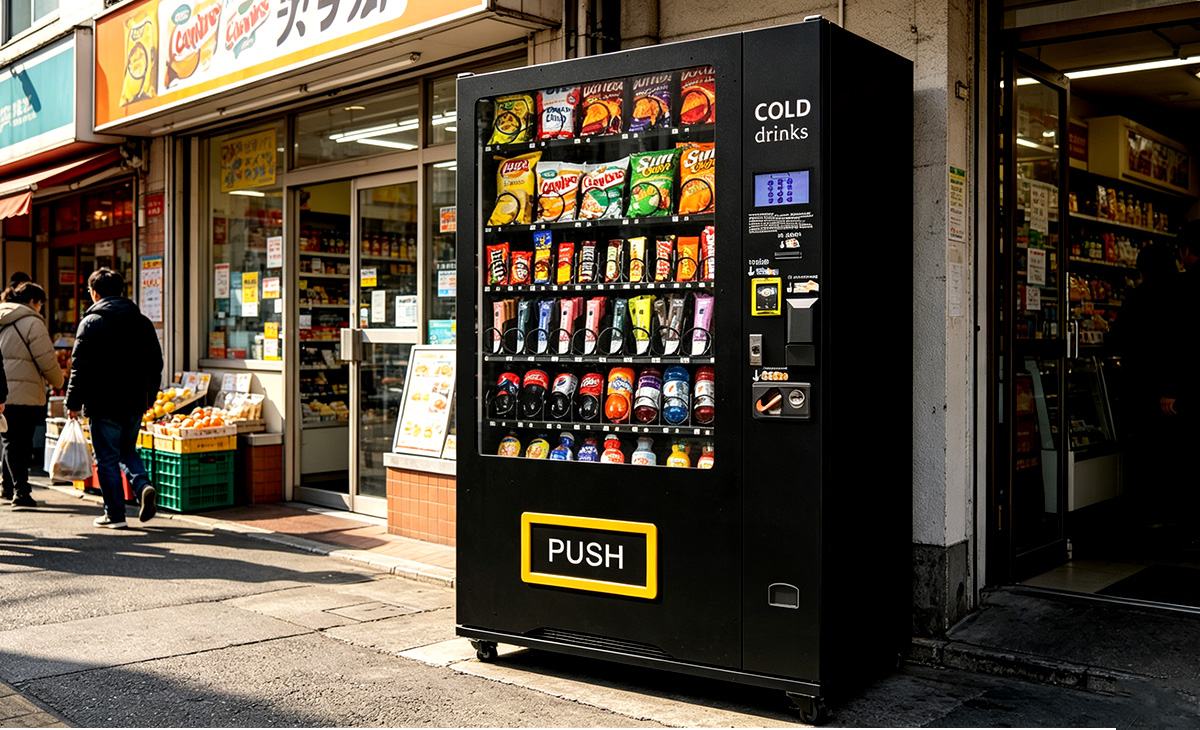
I have been in this industry long enough to see trends come and go. Some people think vending is dying because of mobile apps and delivery services. That is not what I see on the ground. In fact, the opposite is true. The demand for quick, contactless, and convenient purchases is higher than ever. A well-placed machine can generate consistent daily revenue without the overhead of a physical store. The key is knowing where to put it and what to put inside.
According to a 2023 report from IBISWorld, the vending machine industry in the United States alone generates over $8 billion annually. That number is expected to grow as more locations adopt self-service kiosk technology. The shift toward automated retail is real, and it is not slowing down. I have seen offices, schools, and even hospitals actively looking for operators to place machines because they want to offer food and drinks to their staff and visitors without hiring additional personnel.
One thing I always tell new operators is that the machine itself is just a tool. The real business is about logistics and location. If you understand the flow of people in a given spot and you can keep the machine stocked with items they actually want, you will make money. It is that simple, but it is not easy. It takes discipline and a willingness to learn from data.
Understanding the Top Selling Items for 2024 and 2025
When I started, the top sellers were predictable: sodas, chips, and chocolate bars. That has changed. Today, the most successful operators are diversifying their product mix. I have seen a significant rise in demand for healthier options, functional beverages, and even non-food items like phone chargers and personal care products.
Healthy Snacks and Protein Products
Gyms and fitness centers are prime locations for vending machines, but only if you stock them correctly. I have placed machines in gyms where the owner insisted on selling candy. They failed. Then I switched to protein bars, beef jerky, nuts, and sugar-free drinks. Revenue tripled within a month. The audience in a gym is not looking for a sugar rush. They want fuel for their workout or recovery afterward. Items like Quest bars, Epic jerky, and plant-based protein shakes consistently rank among the top selling items vending machines 2024 2025 need to carry in these environments.
Functional and Premium Beverages
Standard sodas are still a staple, but I have noticed a steady decline in their share of sales. People are drinking more sparkling water, kombucha, cold brew coffee, and electrolyte drinks. In office buildings, I have had great success with machines that offer a mix of still water, flavored seltzer, and zero-sugar energy drinks. The margins on premium beverages are often higher than on soda, and customers are willing to pay a premium for something they perceive as healthier or more sophisticated.
Fresh Food and Perishables
This is a growing segment, but it requires more work. If you are willing to manage the logistics of fresh food, the rewards can be significant. I have seen machines in hospitals and universities that sell salads, wraps, and sandwiches. The key is to partner with a local supplier who can deliver fresh stock daily or every other day. The risk of spoilage is real, but the profit margins can be double what you make on packaged snacks. According to a study by the National Automatic Merchandising Association (NAMA), fresh food vending has grown by over 15% in the last three years, driven by consumer demand for healthier on-the-go options.
Non-Food Essentials
One of the most surprising trends I have seen is the rise of non-food items in vending machines. Phone charging cables, power banks, earbuds, and even pain relievers sell very well in locations like airports, hotels, and college dorms. I placed a machine in a hotel lobby that sold only travel-sized toiletries and phone accessories. It did better than the snack machine next to it. These items have high margins and low spoilage risk. They are a smart addition to any mixed-product machine.
How to Evaluate a Location for a Vending Machine
Location is everything. I cannot stress this enough. I have seen operators buy expensive machines and place them in dead spots, only to lose money month after month. Before you commit to a location, you need to do some basic foot traffic analysis. I usually stand near the proposed spot for an hour at different times of the day and count how many people walk by. A good location should have at least 100 to 200 potential customers passing by per day, depending on the product.
I also look at the existing competition. If there is already a vending machine in the same building, I check what it sells and how full it looks. If it is always well-stocked, that is a good sign that the location has demand. If it is empty or neglected, that could be an opportunity to offer better products or better service. I have taken over locations from competitors simply by offering a cleaner machine and a better product selection.
Rent or commission is another factor. Some locations ask for a flat monthly fee, while others want a percentage of sales. I prefer a commission model because it aligns incentives. If the location is good, we both win. If it is bad, I am not stuck paying rent on a machine that does not sell. Typical commissions range from 10% to 20% of gross sales, but this varies widely depending on the location and the operator.
Costs: What You Really Need to Budget For
One of the biggest mistakes new operators make is underestimating the total cost of running a vending machine. The machine itself is only part of the equation. You also need to account for installation, payment systems, inventory, maintenance, and transportation. Let me break down the typical costs based on my experience.
| Cost Category | Estimated Range (USD) | Notes |
|---|---|---|
| New machine (basic) | $3,000 – $6,000 | Typically a 10-20 selection snack or drink machine |
| New machine (advanced with touchscreen) | $7,000 – $12,000 | Includes cashless payment, remote monitoring, and sometimes a refrigerated section |
| Used or refurbished machine | $1,500 – $3,500 | Can be a good deal, but inspect carefully for wear and repair history |
| Payment system upgrade (card reader) | $300 – $800 | Essential for modern operations; most customers pay by card or phone |
| Initial inventory | $500 – $1,500 | Depends on machine capacity and product type |
| Installation and delivery | $200 – $500 | Can be higher if the location is difficult to access |
| Monthly maintenance reserve | $50 – $150 | Set aside for repairs, cleaning, and unexpected issues |
These numbers are based on my own purchases and those of operators I have mentored. Prices can vary significantly by region and supplier. I have found that investing in a reliable machine upfront saves money in the long run. Cheap machines often break down more frequently, and the cost of vending machine repair can eat into your profits quickly.
Revenue and Profit Margins: What You Can Expect
I always tell new operators not to believe anyone who promises a fixed monthly income from a vending machine. Revenue depends on too many variables. That said, I can give you realistic ranges based on what I have seen. A well-placed machine in a high-traffic location can generate between $300 and $1,500 per month in gross sales. The average is probably closer to $500 to $800 per month for a single machine in a decent office or school location.
Profit margins vary by product. Packaged snacks typically have a margin of 30% to 40%. Beverages can range from 25% for sodas to 50% or more for premium drinks. Fresh food margins are higher, but so is the risk of spoilage. After accounting for product cost, location commission, and maintenance, a healthy machine should net you between $150 and $400 per month. That might not sound like a lot, but if you have ten or twenty machines, the numbers add up quickly.
According to data from Statista, the average vending machine in the US generates about $75 per week in sales. That aligns with my experience for mid-range locations. High-performing machines in airports or busy hospitals can do several times that amount, but those spots are harder to get and often come with higher commissions or rental fees.
Choosing the Right Machine and Supplier
There are dozens of manufacturers out there, and not all of them are equal. I have bought machines from big names like Crane and Dixie Narco, and I have also tried smaller brands. What I have learned is that reliability and after-sales support matter more than the brand name. A machine that breaks down twice a month will kill your profit, even if it was cheap to buy.
When I look for a supplier, I consider several factors. First, do they offer a warranty and do they have a service network in my area? Second, is the machine easy to service? I prefer machines with modular components that I can replace myself without calling a technician. Third, does the machine support modern payment systems out of the box? Cash-only machines are becoming obsolete. Customers expect to pay with a credit card, Apple Pay, or Google Wallet.
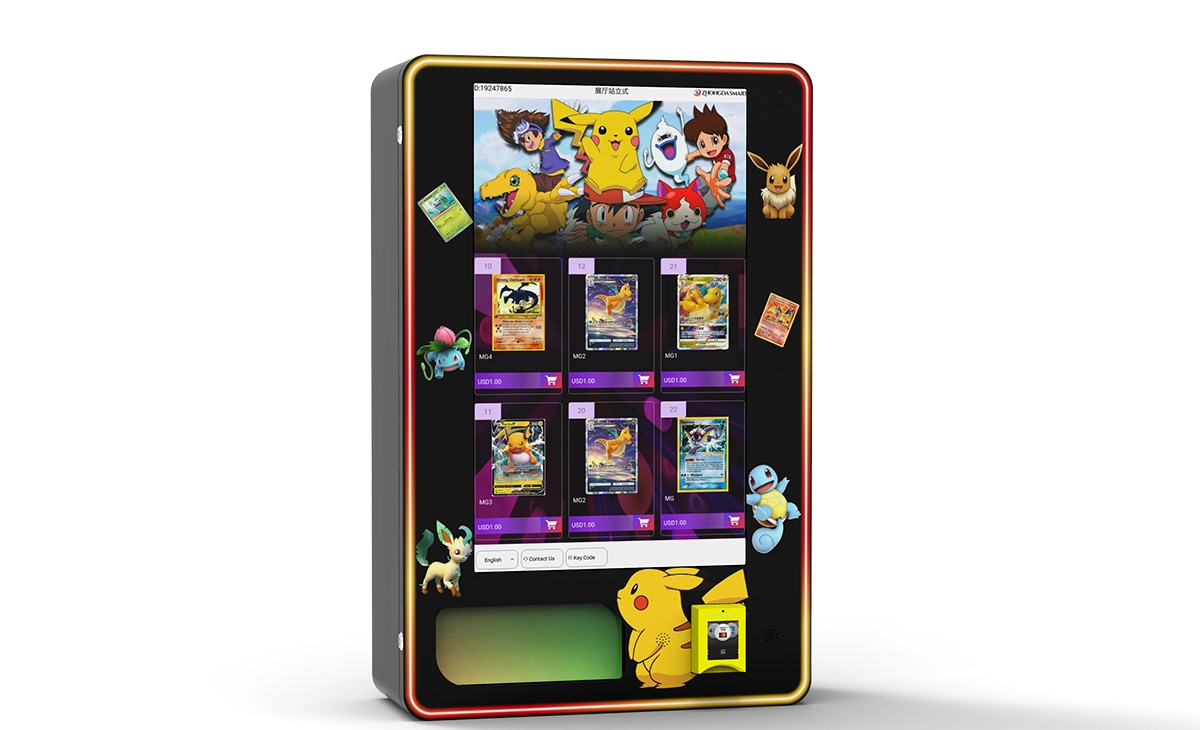
One supplier I have worked with recently is Zhongda Smart. They offer a range of machines that are well-suited for the European and US markets. Their machines come with built-in cashless payment systems and remote monitoring, which is a feature I consider essential for any modern operation. Remote monitoring lets you see sales data and inventory levels from your phone, so you know exactly when to restock. That alone can save hours of wasted trips to empty machines. I am not saying you should only buy from them, but they are a solid option to consider when comparing suppliers.
Common Mistakes I Have Seen New Operators Make
I have made many mistakes myself, and I have watched others make the same ones. Here are the most common pitfalls to avoid.
Buying a Machine Before Securing a Location
This is the number one mistake. People buy a machine and then start looking for a place to put it. That is backwards. You should have a location secured, or at least a strong lead, before you spend any money on equipment. Otherwise, you end up with a machine sitting in your garage while you pay storage fees.
Ignoring Payment Technology
I still see operators trying to run cash-only machines in 2024. It is a losing strategy. According to a 2023 survey by PYMNTS, over 60% of consumers prefer to pay with a card or mobile wallet for small purchases. If your machine does not accept those payments, you are leaving money on the table. Upgrading to a cashless system is one of the best investments you can make.
Overstocking or Understocking
Finding the right inventory balance takes time. I have seen operators fill a machine with too much of one item, only to have it expire or go stale. On the other hand, running out of popular items is just as bad because you lose sales. Remote monitoring helps with this, but even without it, you should track what sells and adjust your orders accordingly.
Neglecting Maintenance and Cleanliness
A dirty machine is a turnoff. I have lost locations because the previous operator left the machine filthy. I make it a rule to clean every machine every time I restock. It takes an extra ten minutes, but it keeps the machine looking professional and reduces the chance of mechanical issues. Regular cleaning also helps with food safety, which is especially important if you sell perishable items.
Scenarios Where Vending Machines Perform Best
Not every location is a good fit. Over the years, I have identified a few types of locations that consistently perform well.
- Office buildings – Employees need quick snacks and drinks during the workday. Break rooms are ideal.
- Schools and universities – Students have limited time between classes and appreciate convenient options.
- Gyms and fitness centers – Health-conscious consumers are willing to pay for protein bars and bottled water.
- Hospitals and medical centers – Staff and visitors need food and drinks at all hours.
- Hotels and motels – Guests often want a late-night snack without leaving the building.
- Manufacturing facilities and warehouses – Shift workers need access to food and drinks during breaks.
I have also seen success in less obvious places like laundromats, car washes, and self-storage facilities. The common thread is that people are there for a reason and often have a few minutes of downtime. If you can offer them something they want during that time, you will make sales.
How to Assess Whether a Machine Is Worth the Investment
Before I buy a machine for a new location, I run a simple calculation. I estimate the potential weekly sales based on foot traffic and comparable machines in similar locations. Then I subtract the cost of goods sold, location commission, and estimated maintenance. If the projected net profit per month is at least 20% of the machine cost, I consider it a good investment. For example, if the machine costs $5,000, I want to see at least $1,000 in net profit per year, which means a payback period of about five years. In reality, many machines pay for themselves in two to three years if the location is good.
I also factor in the lifespan of the machine. A well-maintained machine can last ten years or more. So even if the payback period is three years, you have seven years of potential profit after that. That is a solid return on investment, especially compared to many other small business opportunities.
FAQ: Common Questions from New Vending Machine Operators
Are vending machines profitable?
Yes, but it depends on location, product selection, and operational efficiency. A single machine in a good location can net $150 to $400 per month. With multiple machines, the income can become significant. Profitability is not guaranteed, but it is achievable with the right strategy.
How much does a vending machine cost?
A new basic machine costs between $3,000 and $6,000. Advanced machines with touchscreens and cashless payment systems can cost $7,000 to $12,000. Used machines are cheaper, typically $1,500 to $3,500, but may require more maintenance.
How long does it take to recoup the investment?
Based on my experience, a well-placed machine can pay for itself in two to three years. Some operators see payback in 18 months if the location is exceptional. Slower locations may take four to five years.
Should a beginner buy or lease a machine?
I recommend buying if you have the capital. Leasing often comes with higher long-term costs and less flexibility. Buying gives you full control over the machine and the profits. If you are unsure, consider starting with a used machine to reduce upfront risk.
Where should I place my first machine?
Start with a location you have easy access to, like an office building where you know the manager. Schools, gyms, and hospitals are also good options. Avoid low-traffic areas like remote hallways or locations with no foot traffic.
What permits or licenses do I need?
Requirements vary by city and state. In the US, you typically need a business license and a sales tax permit. Some locations require a food handler's permit if you sell perishable items. Check with your local government before placing a machine. In the EU, regulations may differ by country. For example, in France, you need to register with the Chamber of Commerce and comply with food safety standards as outlined by Service-Public.fr.
How do I choose a vending machine supplier?
Look for a supplier with a good reputation, a solid warranty, and local service support. Ask about the availability of spare parts and the ease of self-repair. I have had good experiences with Zhongda Smart for their reliable machines and remote monitoring features, but always compare multiple options before deciding.
What happens if the machine breaks down?
Most common issues, like a jammed coin mechanism or a stuck product, can be fixed with basic tools. For more complex problems, you may need a technician. I recommend setting aside a maintenance fund and learning basic troubleshooting to minimize downtime.
How can I reduce restocking and maintenance costs?
Invest in a machine with remote monitoring. It tells you exactly what is selling and when you need to restock. This reduces wasted trips. Also, choose a machine with durable components to minimize breakdowns. Regular cleaning and preventive maintenance also help.
Final Thoughts From an Industry Veteran
The vending machine business is not a get-rich-quick scheme. It is a solid, steady business if you approach it with the right mindset. I have seen people succeed by starting small, learning from their mistakes, and scaling gradually. The most important thing is to focus on the customer experience. Keep your machines clean, stocked with items people actually want, and equipped with modern payment options. If you do that, you will build a loyal customer base and a profitable operation.
I hope this guide gives you a realistic picture of what it takes to succeed. The market for automated retail is growing, and there is room for new operators who are willing to put in the work. Do your research, start small, and always be ready to adapt. That is the real secret to making money with vending machines.
Disclaimer: The financial figures and projections in this article are based on my personal experience as a vending machine operator and publicly available industry data. Results vary based on location, product selection, operational efficiency, and market conditions. This article does not constitute financial or legal advice. Always consult with a professional before making significant business investments.