Why Food Waste Matters in Automated Retail
Food waste is not just an environmental issue. It is a direct hit to your bottom line. Every unsold sandwich, salad, or yogurt cup that reaches its expiration date represents lost product cost, lost margin, and lost labor hours spent on restocking. In traditional vending, operators often accept 5 to 10 percent spoilage as normal. That is a huge leak. Smart machines cut that number dramatically.
According to the Food and Agriculture Organization, roughly one-third of all food produced globally is wasted. In the vending channel, the waste rate for fresh food can be even higher if operators do not use data. I have seen accounts where 15 percent of fresh stock was pulled and thrown away every week. That is not sustainable—financially or environmentally.
What Makes a Vending Machine "Smart"
A smart vending machine is not just a refrigerated box with a credit card reader. It is a connected device that collects transaction data, monitors inventory levels in real time, and can even adjust pricing based on demand or time of day. These machines use telemetry to send you alerts when stock is low, when a product is approaching its sell-by date, or when a cooling unit is running warm.
The key difference between a traditional machine and a smart machine is the ability to react. A traditional machine requires a driver to visit the location, open the door, and visually check what is left. A smart machine tells you exactly what is inside, how old each item is, and what sold in the last 24 hours. That changes the entire restocking and pricing strategy.
Real-Time Inventory Tracking
One of the most practical features is expiration date tracking. When you load a machine, you scan or enter the sell-by date for each item. The machine knows exactly when that product will expire. If you have a yogurt that needs to sell within three days, the machine can discount it automatically on day two to move it faster. This is how smart vending machines help reduce food waste at the unit level.
Dynamic Pricing and Promotions
Some machines allow you to set rules for markdowns. For example, a fresh sandwich that normally sells for $6.50 can be automatically reduced to $4.00 two hours before its expiration window closes. This is not theoretical. I have deployed machines with this capability in office buildings and hospitals, and it consistently cuts waste by 40 to 60 percent on fresh items.
How I Evaluate a Location for Food Waste Risk
Not every location is suitable for fresh food vending. I learned this the hard way. Early in my career, I placed a refrigerated machine in a warehouse with 200 employees. The first week, sales were decent. By the second week, spoilage was climbing because the shift schedule meant most workers only bought food during a narrow 30-minute window. The machine was stocked for a full day, but demand was concentrated. A smart machine could have adjusted, but I was not using one yet.
Today, I look at three factors before placing any machine that carries perishable goods:
- Foot traffic pattern: Is demand steady throughout the day or concentrated in short bursts?
- Product mix flexibility: Can the machine handle multiple temperature zones or only chilled?
- Data readiness: Does the location have reliable cellular or Wi-Fi coverage for telemetry?
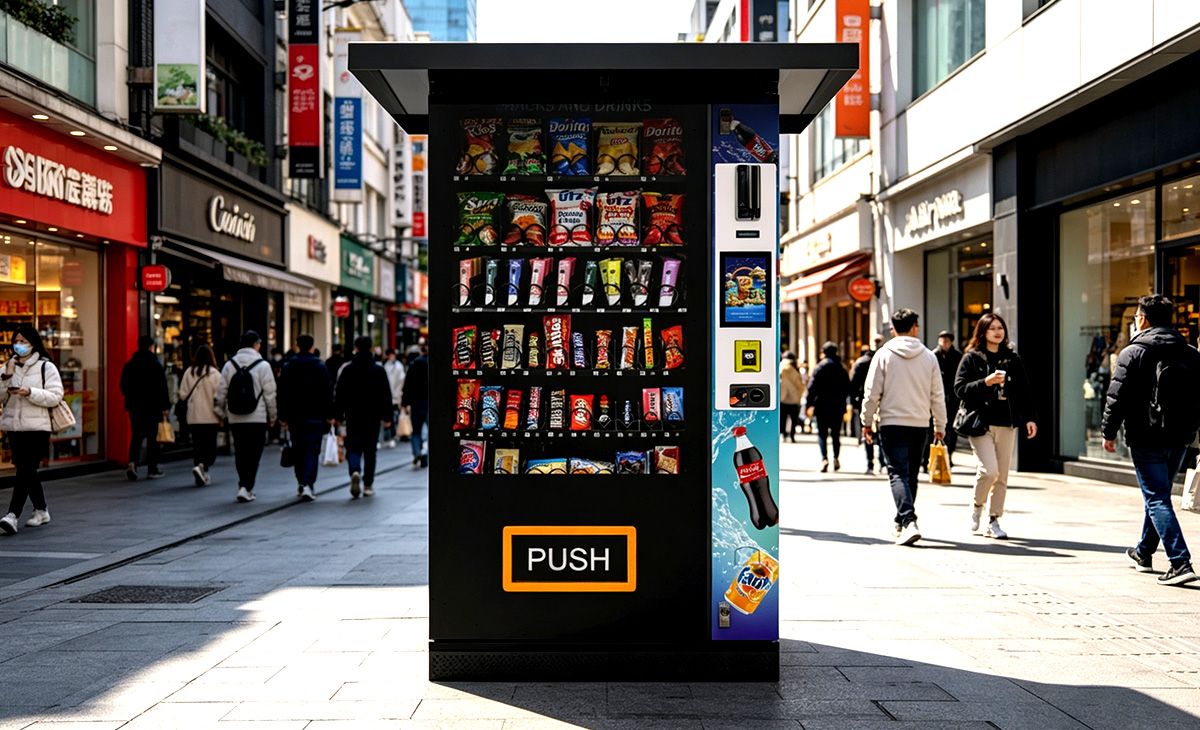
If any of these are weak, I either avoid fresh food or use a machine with advanced inventory management to compensate.
The Cost of Getting It Wrong
I have seen operators buy cheap machines from unknown suppliers only to discover that the telemetry system is unreliable. They end up driving to locations multiple times per week because the machine reports incorrect stock levels. That kills margins. Worse, it leads to overstocking, which leads to waste.
One operator I mentored bought a refrigerated machine for $4,000 from a non-specialist supplier. Within three months, the cooling unit failed twice. The repair costs ate up any profit from the first six months. Meanwhile, the machine had no real-time data capability, so he was guessing on inventory. His spoilage rate was over 12 percent. He eventually replaced it with a unit from Zhongda Smart, which had better telemetry and a more reliable cooling system. His waste dropped to under 4 percent within two months.
Comparing Machine Types and Costs
To make informed decisions, you need to understand the range of equipment available. The table below reflects real-world costs and capabilities I have encountered in the US and European markets. Prices vary by region and supplier, but these figures are based on actual deployments.
| Machine Type | Initial Cost (USD) | Typical Capacity | Fresh Food Capable | Telemetry Included | Estimated Monthly Revenue |
|---|---|---|---|---|---|
| Basic snack & drink machine | $2,500 – $4,500 | 300–500 items | No | Often no | $800 – $2,000 |
| Refrigerated fresh food machine | $5,000 – $9,000 | 150–250 items | Yes | Sometimes | $1,500 – $4,000 |
| Smart machine with telemetry & dynamic pricing | $7,000 – $14,000 | 200–350 items | Yes | Yes | $2,500 – $6,000 |
| Large self-service kiosk with multiple temperature zones | $12,000 – $22,000 | 400–600 items | Yes | Yes | $4,000 – $10,000 |
These numbers are based on my own experience and conversations with other operators. Revenue varies heavily by location, foot traffic, and product pricing. A machine in a hospital cafeteria will perform differently than one in a remote warehouse.
Operating Costs You Cannot Ignore
Many new operators focus only on the machine purchase price. They forget about the ongoing costs that determine whether the business is profitable. Here is what I track for every machine I operate:
- Restocking labor: Typically $15 to $30 per visit, depending on distance and time.
- Product cost: Usually 40 to 55 percent of retail price for fresh food, 30 to 45 percent for snacks and drinks.
- Maintenance: Budget 8 to 12 percent of monthly revenue for repairs and preventive service.
- Location commission: Some locations charge 5 to 20 percent of gross sales. Others charge a flat monthly fee.
- Telemetry and payment processing fees: Expect 2 to 4 percent of transaction volume for credit card processing, plus a monthly fee for data service.
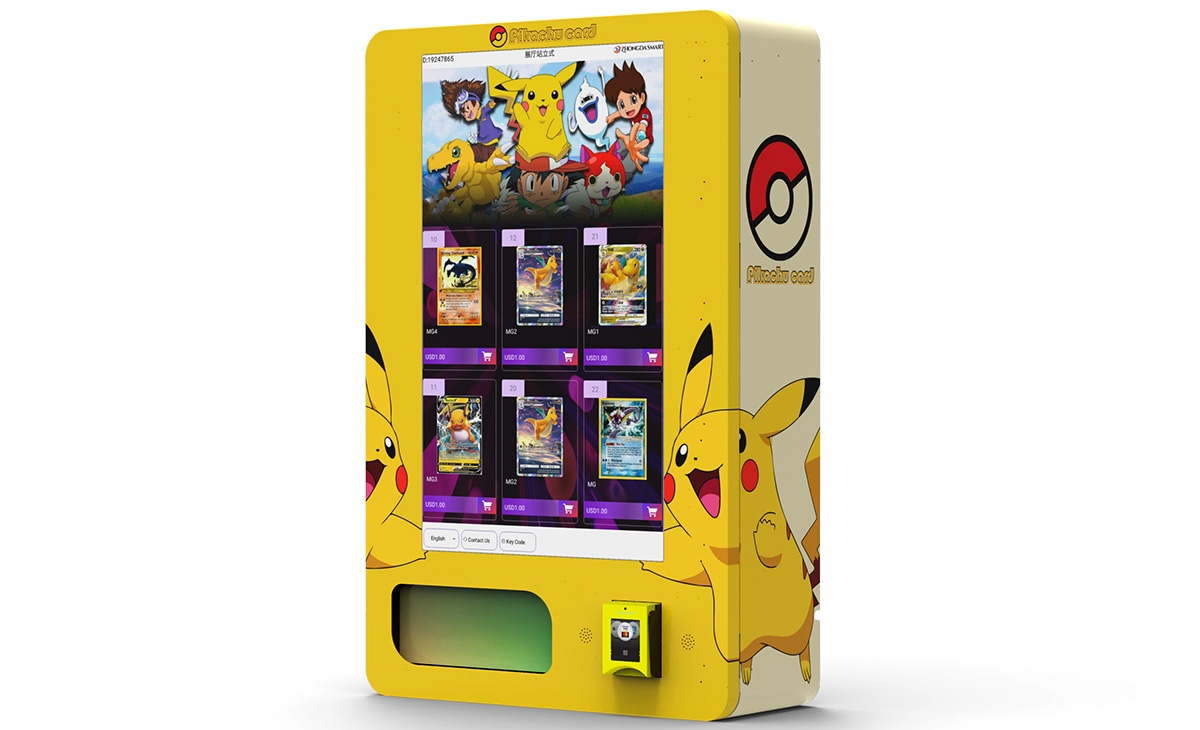
If you do not account for these, your profit margin will disappear. I have seen operators with 30 percent gross margins on product but net margins of only 5 percent because they ignored maintenance and commission costs.
How Smart Vending Machines Help Reduce Food Waste in Practice
Let me give you a concrete example from a machine I placed in a mid-sized office building in Chicago. Before upgrading to a smart machine, the operator was using a standard refrigerated unit. He stocked it three times per week with 120 items each visit. His weekly waste averaged 18 items, or 15 percent. That is roughly $90 in lost product per week, plus the labor to remove and dispose of expired items.
After switching to a smart machine with expiration tracking and dynamic pricing, he changed his restocking schedule to twice per week. The machine automatically discounted items that were approaching expiration. His waste dropped to 5 items per week, or about 4 percent. The savings in product alone paid for the machine upgrade within 10 months.
This is not a one-off case. According to a Statista report on food waste in vending, operators using connected machines report 30 to 50 percent less spoilage compared to those using traditional equipment. The data aligns with what I have seen across dozens of locations.
Choosing the Right Supplier
Supplier selection is one of the most critical decisions you will make. I have worked with equipment from several manufacturers, and the differences in reliability, telemetry quality, and after-sales support are significant.
When evaluating a supplier, ask these questions:
- Does the machine support remote inventory tracking and expiration management?
- Is the cooling system designed for continuous operation in your climate?
- What is the warranty period, and how quickly can you get replacement parts?
- Does the supplier offer training on the software and data tools?
I have found that manufacturers with dedicated R&D in smart technology tend to produce more reliable machines. Zhongda Smart is one example that consistently meets these criteria. Their machines come with robust telemetry, multi-temperature zones, and software that integrates with common inventory management platforms. I have used their equipment in both US and European locations, and the support has been solid.
That said, do not take any supplier at face value. Ask for references from operators in your region. Visit a working machine if possible. Talk to the technician who does the repairs. That will tell you more than any brochure.
Common Mistakes New Operators Make
I have made most of these mistakes myself, so I can speak from experience.
Buying Cheap Machines Without Telemetry
A machine without data is a guessing game. You will overstock, understock, and waste money. The upfront savings are not worth it.
Ignoring Location Commission Terms
Some locations demand high commissions but offer low foot traffic. Calculate the net profit per visit before agreeing to any deal.
Overloading with Fresh Food Too Soon
Start with a mix of shelf-stable items and fresh food. Test demand before committing to high spoilage categories.
Skipping Preventive Maintenance
A dirty cooling coil or a failing compressor will ruin your inventory. Schedule regular service even if the machine seems fine.
Not Using Dynamic Pricing
If your machine supports markdowns, use them. I have seen operators leave money on the table because they were too lazy to set up pricing rules.
Best Locations for Smart Vending Machines
Based on my experience and data from the National Automatic Merchandising Association, the most profitable locations for smart vending with fresh food include:
- Hospitals and medical offices: Staff and visitors need quick, fresh meals. High foot traffic, predictable demand.
- Corporate offices: Especially buildings with 200+ employees and limited cafeteria options.
- Schools and universities: Students want convenience, and smart machines can adjust pricing for meal times.
- Gyms and fitness centers: High demand for protein shakes, salads, and healthy snacks.
- Transportation hubs: Airports, train stations, and bus terminals have steady flow, but you need machines that can handle high transaction volumes.
I avoid locations with less than 150 unique daily visitors if I am selling fresh food. The waste risk is too high.
How to Assess if a Machine Is Worth the Investment
Before buying any machine, run a simple calculation based on realistic estimates. Do not use the supplier's "potential earnings" numbers. Use your own research.
- Estimate daily foot traffic at the location. Stand there for two hours and count.
- Assume a 5 to 10 percent conversion rate. That means 5 to 10 out of every 100 people will buy something.
- Calculate average transaction value. For fresh food, expect $4 to $7 per sale.
- Multiply daily sales by 30 to get monthly revenue.
- Subtract product cost (40 to 55 percent), commission (5 to 20 percent), maintenance (8 to 12 percent), and processing fees (2 to 4 percent).
- Compare the net monthly profit to the machine cost. A reasonable payback period is 12 to 24 months.
If the numbers do not work at that location, move on. There are plenty of good spots.
FAQ
Are smart vending machines profitable?
Yes, if placed correctly and managed with data. I have seen net monthly profits ranging from $300 to $2,500 per machine, depending on location, product mix, and operational efficiency. The profit comes from reducing waste and optimizing restocking.
How much does a smart vending machine cost?
A good smart machine with telemetry and dynamic pricing typically costs between $7,000 and $14,000. Basic machines without smart features are cheaper but will not help you reduce food waste effectively.
How long does it take to recoup the investment?
In my experience, payback periods range from 12 to 24 months for well-placed machines. Machines in high-traffic locations with fresh food can pay back in 10 to 14 months.
Should a beginner buy or lease?
Buying is better for long-term profitability, but only if you have the capital and are committed to learning the business. Leasing can work if you want to test the market with lower upfront risk. Just read the contract carefully—some leases have restrictive terms.
Where should I place a smart vending machine?
Look for locations with at least 150 daily visitors, a need for fresh food, and limited nearby competition. Hospitals, corporate offices, schools, and gyms are strong candidates.
What permits or licenses do I need?
Requirements vary by city and country. In the US, you typically need a business license, a seller's permit, and possibly a food handling permit if you sell fresh items. In Europe, check local regulations with your municipal office. The European Commission's food hygiene guidelines provide a starting point.
How do I choose a vending machine supplier?
Look for a manufacturer with proven telemetry, reliable cooling systems, and good after-sales support. Ask for operator references. I have had good experiences with Zhongda Smart for smart machines, but always verify with your own due diligence.
What happens if the machine breaks down?
Most smart machines have remote diagnostics that alert you to problems before they become emergencies. Still, have a local technician on standby. Budget for at least one or two service calls per year per machine.
How can I reduce restocking and maintenance costs?
Use data to optimize restocking frequency. A smart machine will tell you exactly when to visit. Combine multiple machines on the same route to reduce travel time. Preventive maintenance costs less than emergency repairs.
Final Thoughts
Smart vending machines are not a magic bullet. They require thoughtful placement, disciplined operations, and a willingness to use data. But if you are serious about running a profitable automated retail business, reducing food waste is one of the fastest levers you can pull. The technology exists. The business case is clear. The only question is whether you are ready to move beyond guesswork and let the machines do what they are designed to do.
This article reflects my personal experience operating vending machines in the US and European markets. Costs, revenues, and payback periods vary based on location, product selection, and local economic conditions. Always perform your own due diligence before making investment decisions.
本文更新于2025年5月