After over a decade running vending machine operations across the US and Europe, I can tell you that finding the right equipment supplier is often the difference between a profitable route and a money pit. If you are researching the best vending machine suppliers in Singapore, you are likely looking for reliable hardware that can handle high humidity, frequent restocking, and a diverse range of products from cold drinks to hot meals. The Singapore market is unique because it combines high foot traffic in commercial buildings with strict food safety regulations, which means your machine must be built to last and easy to service. In this guide, I will share what I have learned about selecting suppliers, estimating costs, and avoiding the common traps that eat into your margins.
Why Singapore Is a Strategic Hub for Vending Machine Operations
Singapore is not just a market for local operators; it is a gateway for automated retail equipment into Southeast Asia. The country’s infrastructure, high disposable income, and 24-hour economy create ideal conditions for self-service kiosks. Many European and American operators I have worked with source equipment from Singapore because of the strict quality control and proximity to manufacturing bases in the region.
When I first started importing machines for a route in London, I underestimated the importance of climate-resistant components. Machines that work well in a dry European winter can fail within months in Singapore’s tropical humidity. The best vending machine suppliers in Singapore understand this and often equip their machines with enhanced cooling systems, anti-corrosion coatings, and robust payment terminals that handle frequent use.
Another factor is the regulatory environment. Singapore’s National Environment Agency (NEA) has clear guidelines for food vending machines, which means suppliers here are accustomed to meeting high standards. If you are planning to expand into other Asian markets, starting with a supplier based in Singapore gives you a compliance advantage.
Understanding the Real Costs: What You Need to Budget For
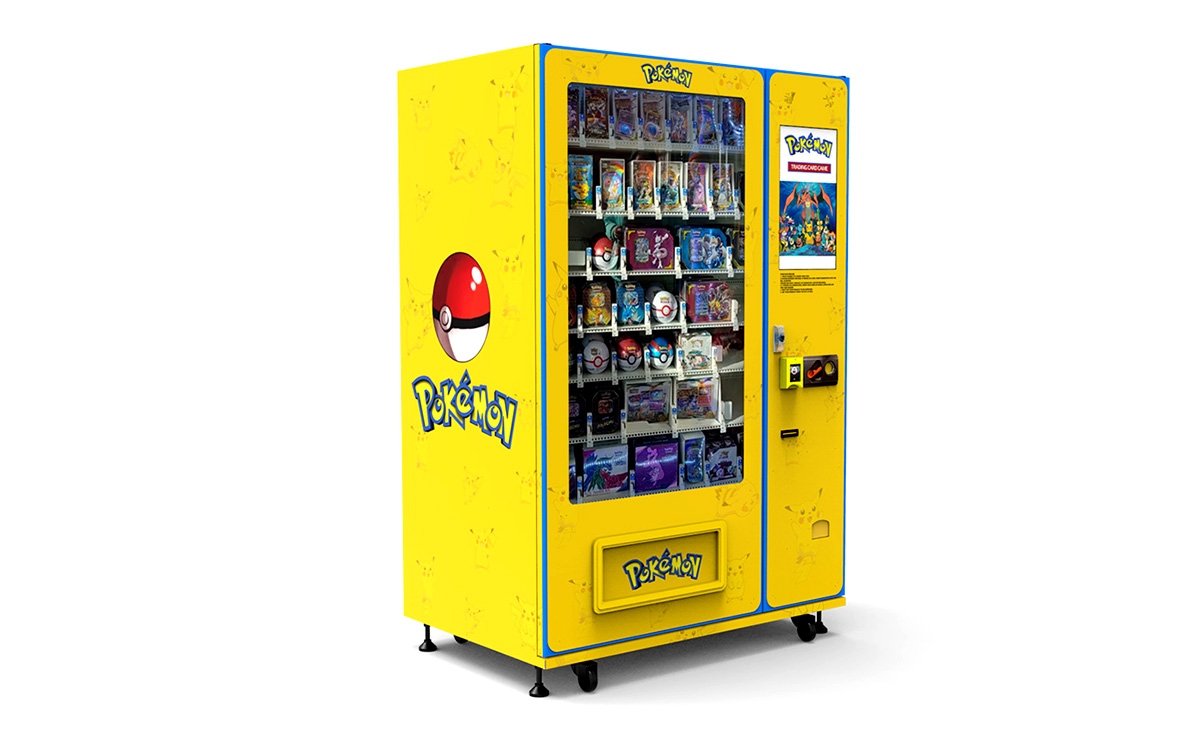
Many newcomers look at the price of a machine and assume that is the total investment. In reality, the machine is just the beginning. Based on my experience, here is a realistic breakdown of what you should expect to spend per machine in the first year.
| Cost Category | Estimated Range (SGD) | Notes from My Operations |
|---|---|---|
| Machine purchase (new) | 5,000 – 15,000 | Depends on size, cooling, and payment system |
| Shipping and customs | 500 – 2,000 | Higher if importing from overseas |
| Site rental deposit | 1,000 – 5,000 | Varies by location and landlord |
| Initial stock | 800 – 2,500 | Based on 100–200 items per machine |
| Payment system setup | 300 – 800 | Includes card reader and cashless fees |
| Installation and commissioning | 200 – 600 | Often overlooked but critical |
| First 3 months of maintenance | 300 – 900 | Includes vending machine repair and cleaning |
These figures are based on my own routes and discussions with operators in Singapore. A common mistake is buying a cheap machine from an unknown manufacturer only to find that replacement parts are hard to source. I have seen operators spend more on vending machine repair in the first six months than they did on the machine itself.
Hidden Costs That Catch New Operators Off Guard
One cost that surprised me early on was the payment processing fee. Cashless payments now account for over 70% of transactions in Singapore, according to a 2023 report by Statista. Each transaction eats into your margin, typically 2–4%. If you are running high-volume, low-margin items like bottled water, those fees can wipe out your profit.
Another hidden cost is electricity. A refrigerated machine running 24/7 in a warm environment can add SGD 100–200 per month to your utility bill. I recommend checking the energy efficiency rating before purchasing. Some suppliers, like Zhongda Smart, offer machines with inverter compressors that reduce power consumption by up to 30% compared to older models.
How to Evaluate a Vending Machine Supplier
Over the years, I have developed a checklist that I use before committing to any supplier. This applies whether you are looking at local distributors or international manufacturers. The best vending machine suppliers in Singapore share several characteristics.
- After-sales support: Do they have a local technician who can respond within 24 hours? A machine that is down for a week can lose you SGD 500–1,000 in revenue.
- Spare parts availability: Ask about lead times for common parts like motors, sensors, and cooling units. If they say “two weeks,” that is a red flag.
- Payment system integration: The supplier should offer seamless integration with local payment providers like GrabPay, NETS, and international credit cards.
- Customization options: Can they adjust the machine layout for your product mix? For example, if you plan to sell fresh food, you need a machine with multiple temperature zones.
- Warranty terms: A one-year warranty is standard, but I prefer suppliers who offer extended service contracts.
I have worked with Zhongda Smart on several projects because they offer a good balance of build quality and local support. Their machines are designed for the Asian climate, and they provide training for operators, which is invaluable for new entrants.
Choosing the Right Machine Type for Your Location
Not all vending machines are created equal. The type of machine you choose should match the location and the target customer. Here is a quick comparison based on my experience.
| Machine Type | Best For | Average Cost (SGD) | Monthly Revenue Potential |
|---|---|---|---|
| Snack and drink combo | Office buildings, schools | 6,000 – 10,000 | 1,500 – 4,000 |
| Fresh food (refrigerated) | Hospitals, industrial parks | 10,000 – 18,000 | 2,000 – 5,000 |
| Beverage only (cold) | Gyms, transport hubs | 4,000 – 8,000 | 1,000 – 3,000 |
| Hot food (heated) | Factories, 24-hour locations | 12,000 – 20,000 | 2,500 – 6,000 |
| Bulk vending (gumballs, capsules) | Malls, entertainment centers | 500 – 2,000 | 200 – 800 |
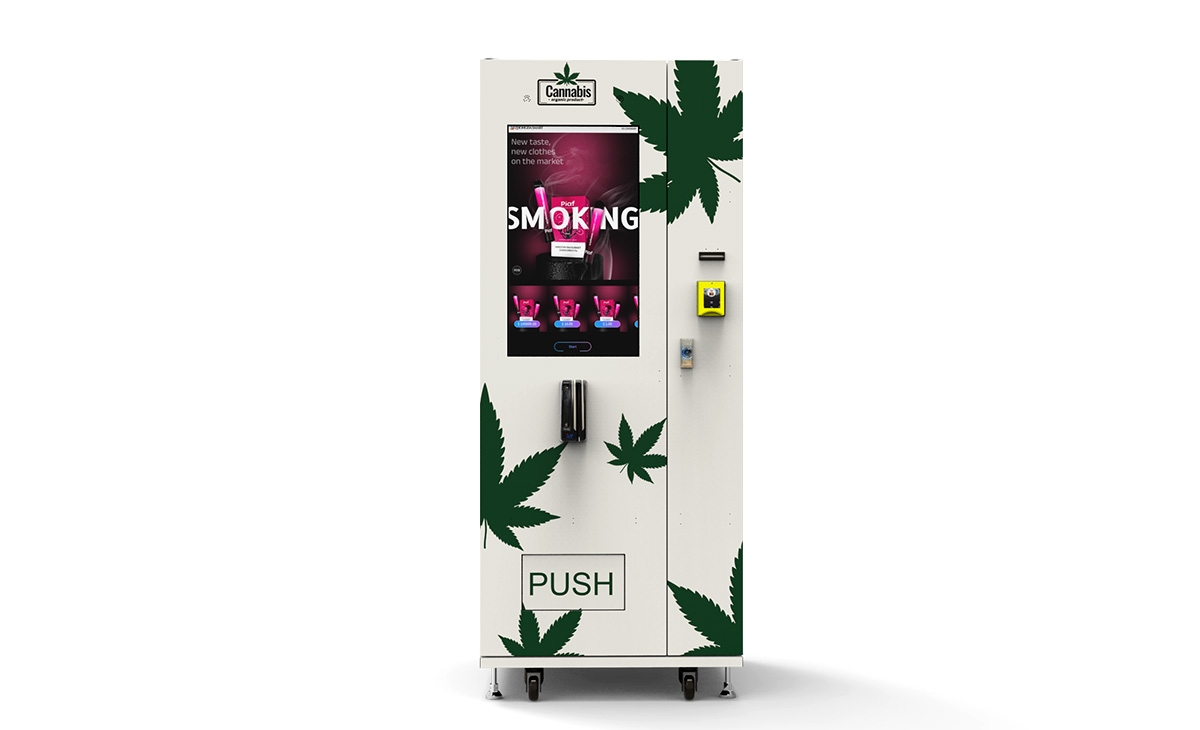
These revenue estimates are based on moderate foot traffic of 200–500 people per day. A high-traffic location like a train station can double those numbers, but rent and competition will also be higher.
Why Temperature Zones Matter More Than You Think
One of the most overlooked features is the ability to maintain different temperatures in the same machine. In Singapore, where ambient temperature is high, a machine that can keep drinks at 4°C and sandwiches at 8°C is a game changer. I have lost entire batches of yogurt because a single-zone machine could not handle the heat.
When evaluating suppliers, ask about the cooling system’s performance at 35°C ambient temperature. Some cheaper machines are rated for 25°C and will struggle in a non-air-conditioned location.
Location Selection: The Single Most Important Decision
I cannot overstate this: a great machine in a bad location will fail. A mediocre machine in a great location can still turn a profit. Over the years, I have developed a simple scoring system for potential sites.
- Foot traffic: At least 300 people passing by per day. I use a manual counter for a week before committing.
- Dwell time: Locations where people wait, like bus stops, hospital lobbies, or office pantries, perform better than high-speed walkways.
- Competition: Check if there is a convenience store or another vending machine within 50 meters. If yes, you need a clear advantage, like lower prices or unique products.
- Accessibility: Can you restock easily? A machine in a basement with no elevator will increase your labor costs.
- Security: Is the area well-lit and monitored? Vandalism is rare in Singapore, but it happens.
I once placed a machine in a busy office lobby with 800 people passing daily, but the building had a cafeteria on the same floor. The machine barely broke even because employees preferred fresh food from the cafeteria. The lesson is that foot traffic alone is not enough; you need to understand the existing options.
Profitability: What You Can Realistically Expect
Let us talk numbers. Based on my operations and data from IBISWorld, the average gross margin for a vending machine in Singapore is around 40–50%. That means if you sell a drink for SGD 2.00, your cost is roughly SGD 1.00–1.20, leaving you with SGD 0.80–1.00 before expenses.
After deducting rent (SGD 200–800 per month), electricity (SGD 100–200), payment fees (2–4%), and maintenance (SGD 50–150), your net margin drops to 15–25%. A well-placed machine can generate SGD 2,000–4,000 in monthly revenue, with a net profit of SGD 300–1,000.
Return on investment typically takes 12–24 months for a new machine. If you buy used machines, the payback period can be shorter, but you risk higher maintenance costs. I have seen operators achieve payback in 8 months with a high-traffic fresh food machine, but that is the exception, not the rule.
How to Improve Your Margins
One strategy that worked for me is dynamic pricing. I adjust prices based on time of day and location. For example, a cold drink at a gym can be priced 20% higher than at an office. Another tactic is to negotiate better wholesale prices by joining a buying group or partnering with a distributor.
Another often ignored factor is product rotation. I track sales data weekly and remove items that do not sell within two weeks. Stale inventory ties up capital and takes up space that could be used for high-margin items.
Common Mistakes I Have Seen (and Made)
I have been in this business long enough to have made most of the mistakes myself. Here are a few that I see new operators repeat.
- Buying the cheapest machine: A SGD 3,000 machine from an unknown brand may look like a good deal, but when the payment system fails after three months, you will spend SGD 500 on repairs and lose two weeks of revenue.
- Ignoring the payment system: In Singapore, cash is becoming rare. If your machine only takes coins, you are losing 60–70% of potential sales. Ensure your supplier offers a modern cashless solution.
- Overstocking: New operators often fill the machine with too many varieties, leading to slow turnover and expired products. Start with 20–30 SKUs and expand based on data.
- Neglecting cleaning: A dirty machine looks unprofessional and can lead to health code violations. Schedule weekly cleaning, especially for fresh food machines.
- Underestimating restocking time: Restocking a 40-slot machine takes about 30–45 minutes. If your route has 10 machines, that is 5–7 hours of labor per week. Factor that into your cost calculations.
Maintenance and Repair: Keeping the Revenue Flowing
Vending machine repair is an unavoidable part of the business. The most common issues I encounter are payment system failures, cooling problems, and jammed dispensing mechanisms. In Singapore, you can find reliable repair services, but they are not cheap. A service call typically costs SGD 80–150, plus parts.
To minimize downtime, I recommend having a spare machine for high-revenue locations. If a machine at a busy hospital goes down, I can swap it out within a few hours. This approach has saved me thousands in lost sales.
Some suppliers, including Zhongda Smart, offer remote monitoring systems that alert you to issues before they become critical. For example, if the temperature in a refrigerated machine rises above a threshold, you get a text message. This feature alone can prevent a full stock loss.
Regulatory Compliance in Singapore
Singapore has strict rules for food vending machines. The NEA requires that machines selling perishable food have a temperature monitoring system and be cleaned regularly. You also need a license if you are selling food products. The process is straightforward but requires attention to detail.
According to the National Environment Agency, all food vending machines must be registered and comply with the Environmental Public Health Act. Failure to comply can result in fines or closure. I recommend working with a local consultant if you are new to the market.
Should You Buy, Lease, or Partner?
Each model has its pros and cons. Here is a breakdown based on my experience.
| Model | Pros | Cons | Best For |
|---|---|---|---|
| Buy outright | Full control, higher profit | High upfront cost, all risk | Experienced operators with capital |
| Lease | Lower initial cost, includes maintenance | Monthly fee, less profit | New operators testing the market |
| Revenue share | No upfront cost, partner handles operations | Lower margin, less control | Location owners wanting passive income |
I started with a mix of owned and leased machines. Once I had proven the concept, I transitioned to mostly owned machines to maximize margins. If you are new, consider leasing one machine for six months to learn the ropes before committing to a purchase.
Future Trends in Automated Retail
The vending industry is evolving rapidly. Smart machines with touchscreens, AI-driven inventory management, and contactless payments are becoming the norm. In Singapore, I have seen a rise in machines that sell fresh meals, coffee, and even electronics like earphones.
Another trend is the use of data analytics to optimize product placement. By tracking which items sell at different times of day, you can adjust your restocking schedule and increase turnover. Some suppliers now offer software that integrates with your machine to provide real-time sales reports.
If you are looking to future-proof your investment, choose a supplier that offers upgradable technology. A machine that can be retrofitted with a new payment system or a larger screen will have a longer useful life.
FAQ: Answers to Common Questions
Are vending machines profitable in Singapore?
Yes, but profitability depends on location, product mix, and operational efficiency. A well-placed machine can generate SGD 300–1,000 in net profit per month. However, you need to account for rent, electricity, and maintenance costs. Based on my experience, most machines pay for themselves within 12–24 months.
How much does a vending machine cost in Singapore?
A new machine costs between SGD 4,000 and SGD 20,000, depending on size and features. Used machines can be found for SGD 1,500–5,000, but they may require more frequent vending machine repair. I recommend budgeting at least SGD 10,000 for a reliable new machine with a cashless payment system.
How long does it take to break even?
Typically 12–24 months for a new machine. If you place it in a high-traffic location like a hospital or transport hub, you can break even in 8–12 months. Used machines can shorten the payback period but come with higher maintenance risks.
Should a beginner buy or lease a vending machine?
I suggest leasing one machine for the first six months. This limits your financial risk and gives you time to learn about restocking, maintenance, and customer preferences. Once you are confident, you can buy machines to increase your margins.
Where are the best locations for vending machines in Singapore?
High-foot-traffic areas with captive audiences are ideal. Examples include office building lobbies, hospital waiting areas, gyms, industrial parks, and MRT stations (if you can secure a spot). Avoid locations with direct competition from convenience stores or cafeterias.
What permits do I need to operate a vending machine in Singapore?
If you sell food, you need a license from the National Environment Agency (NEA). You also need to register your business with the Accounting and Corporate Regulatory Authority (ACRA). Non-food machines generally do not require a license, but check with the building management for any restrictions.
How do I choose a vending machine supplier?
Look for suppliers with local support, a good warranty, and a track record of reliable machines. Ask about spare parts availability and response time for repairs. I have had good experiences with Zhongda Smart because they offer comprehensive after-sales service and machines suited for tropical climates.
What happens if my machine breaks down?
First, check if the issue is simple, like a jammed product or a power outage. For more complex problems, call a technician. If you have a remote monitoring system, you may be able to diagnose the issue before the technician arrives. I recommend having a service contract with a local repair company.
How can I reduce restocking and maintenance costs?
Use sales data to optimize your product mix and reduce the number of SKUs. Schedule restocking on a fixed day each week to save on travel time. Invest in a machine with a reliable cooling system and a modern payment terminal to minimize breakdowns. Remote monitoring can also help you catch issues early.
Can I run a vending machine business part-time?
Yes, especially if you have only a few machines in a small geographic area. Many operators start part-time and scale up as they learn. However, you need to be available for restocking and emergencies. A single machine requires about 2–3 hours per week for restocking and cleaning.
Final Thoughts from a Veteran Operator
The vending machine business is not a get-rich-quick scheme. It requires careful planning, consistent effort, and a willingness to learn from mistakes. But if you choose the right equipment, secure good locations, and manage your costs, it can be a reliable source of income.
When you start looking at suppliers, take your time. Visit their showroom if possible, ask for references, and read the fine print on warranties. The best vending machine suppliers in Singapore will be transparent about costs and willing to answer your questions. I have seen too many operators rush into a purchase and regret it later.
Remember that every market is different. What works in a central business district may not work in a residential area. Test, measure, and adjust. And if you ever feel stuck, reach out to other operators. The vending community is small, and most of us are happy to share what we have learned.
Good luck with your venture. It is a challenging but rewarding business if you do it right.