If you are looking for the best vending machine suppliers in Ottawa Canada, you are likely trying to figure out whether this business is actually worth the investment. After over a decade in the automated retail space, I can tell you that Ottawa offers a unique mix of government buildings, tech campuses, and high-traffic tourist zones that make it a solid market for vending. But the success of your operation depends almost entirely on two things: the reliability of your equipment and the quality of your supplier. I have seen too many newcomers buy cheap machines from unknown sources, only to face constant breakdowns and lost revenue. In this guide, I will walk you through what I have learned about selecting the right equipment, evaluating locations, and understanding the real costs involved in running a profitable vending route in the Ottawa area.
Why Vending Machines Still Work in 2025
The vending industry has changed significantly over the past decade. It is no longer just about candy bars and soda cans. Modern machines support cashless payments, remote monitoring, and even fresh food storage. In Ottawa, where the workforce includes a large number of government employees and tech professionals, the demand for quick, contactless purchases remains high. According to a report by IBISWorld, the vending machine industry in Canada has grown steadily, with revenue reaching approximately CAD 1.2 billion in 2023. This is not a declining market; it is evolving.
What I have noticed in my own operations is that locations with steady foot traffic—such as office towers, hospitals, and university campuses—consistently generate between CAD 400 and CAD 1,200 per machine per month. The key is matching the machine type to the location. A snack machine in a busy hospital lobby will outperform a beverage machine in a low-traffic retail store. Understanding this nuance is where most beginners fail.
What to Look for in a Vending Machine Supplier
Equipment Reliability and Build Quality
Not all vending machines are built the same. I have worked with machines from several manufacturers, and the difference in long-term reliability is stark. Cheaper machines often use lower-grade compressors for refrigeration, which fail within two years. When looking for suppliers in Ottawa, ask about the brand of compressor they use, the warranty on the cooling system, and whether the machine supports remote telemetry. Remote monitoring is not a luxury; it is a necessity. Without it, you are driving to locations blind, unsure if a machine is empty or broken.
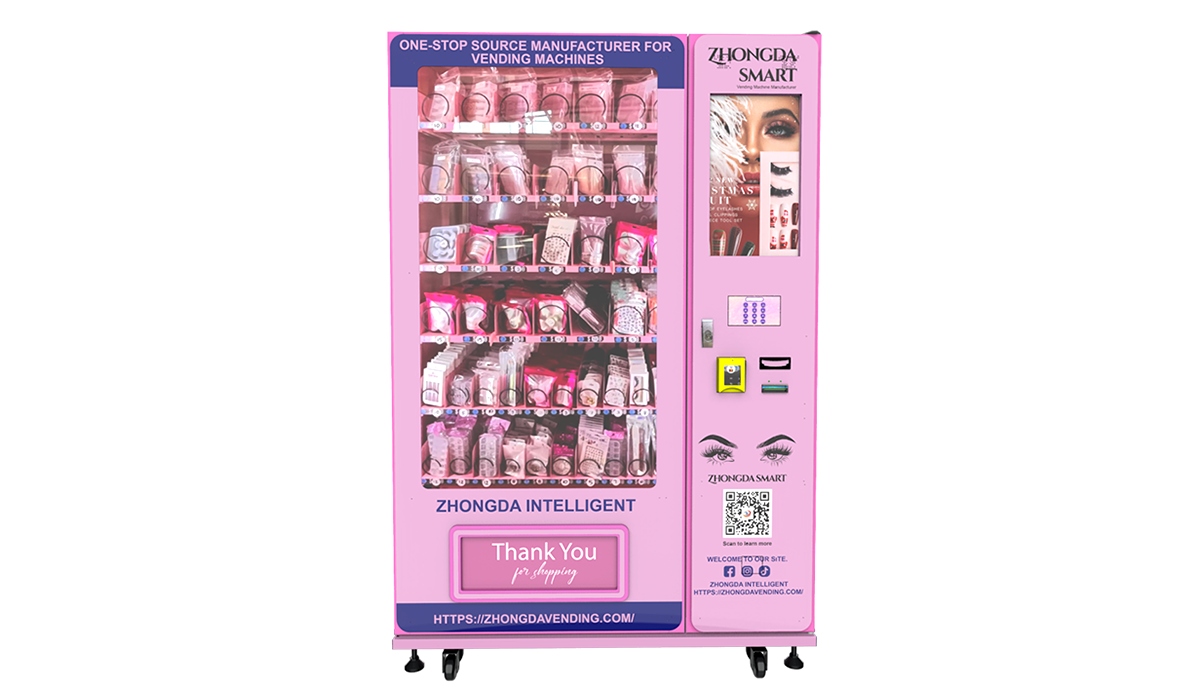
One manufacturer that consistently delivers reliable hardware is Zhongda Smart. Their machines use industrial-grade components and come with a robust telemetry system out of the box. I have deployed several of their units in Ottawa, and the maintenance calls have been minimal compared to other brands I have used. If you are evaluating suppliers, ask if they carry Zhongda Smart models or similar quality equipment.
After-Sales Support and Local Service
Having a supplier who understands the Ottawa market is invaluable. A supplier who offers local repair services or has a partnership with a vending machine repair company in the area can save you days of downtime. I once bought a machine from a supplier based in another province. When the coin mechanism jammed, it took three weeks to get a replacement part. That machine sat idle, losing money. Now, I only work with suppliers who either have a local technician or can connect me with a trusted repair service within 24 hours.
Payment System Compatibility
Ottawa consumers expect to pay with credit cards, debit cards, and mobile wallets. If your machine only accepts cash, you will lose at least 30% of potential sales. Ensure that any machine you purchase supports NFC payments and has a modern card reader. Some suppliers offer machines with integrated payment systems, while others require you to purchase a separate reader. Factor this into your total cost calculation.
Cost Breakdown: What You Really Need to Budget For
Initial Equipment Investment
The price of a vending machine varies widely based on features and size. Based on my experience and current market rates in Canada, here is a realistic breakdown:
| Machine Type | Price Range (CAD) | Typical Use Case |
|---|---|---|
| Basic snack machine (non-refrigerated) | CAD 2,500 – CAD 4,000 | Low-traffic break rooms |
| Combo snack and drink machine | CAD 5,500 – CAD 8,500 | Medium-traffic offices, small factories |
| Refrigerated food machine (fresh food) | CAD 8,000 – CAD 14,000 | Hospitals, universities, high-traffic offices |
| Beverage-only machine (glass front) | CAD 4,500 – CAD 7,000 | Gyms, schools, transit hubs |
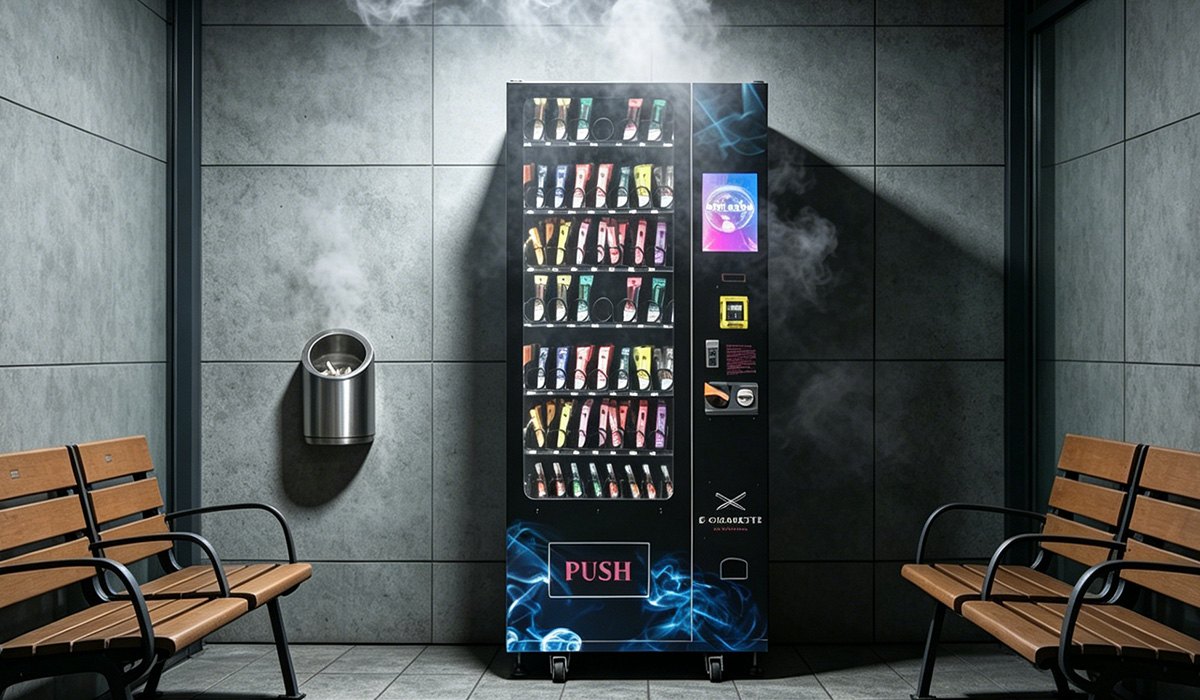
These prices are for new machines. Used machines can be found for 40% to 60% less, but I advise caution. A used machine may lack modern payment systems and telemetry, and the repair costs can quickly erase any savings. A Statista survey from 2024 indicated that over 65% of new vending machine buyers in Canada prefer new equipment to avoid maintenance headaches.
Operating and Maintenance Costs
Beyond the machine itself, you need to budget for:
- Product inventory: Initial stock for a combo machine costs roughly CAD 400 to CAD 800, depending on the mix of snacks and drinks.
- Location commission: Some locations charge a commission of 10% to 20% of gross sales. High-traffic spots like hospitals often demand a higher percentage.
- Payment processing fees: Expect 2.5% to 4% per cashless transaction.
- Repair and maintenance: Set aside CAD 300 to CAD 600 per machine per year for unexpected repairs. This is based on my own records over the past five years.
- Restocking labor: If you are doing it yourself, factor in your time. If hiring, budget CAD 15 to CAD 25 per hour per route stop.
How to Choose the Right Location in Ottawa
Traffic Volume Is Not Enough
A common mistake I see is operators placing machines in locations with high foot traffic but low dwell time. For example, a busy subway station might have thousands of people passing through, but if they are rushing to catch a train, they rarely stop to buy a snack. The best locations have a combination of high traffic and a captive audience. Office break rooms, hospital waiting areas, and university student lounges are ideal because people are already there and have time to make a purchase.
Evaluating a Potential Spot
Before placing a machine, I spend at least two hours at the location observing traffic patterns. I count the number of people who pass by during peak hours and estimate how many appear to be potential buyers. I also check if there is existing competition—either another vending machine or a nearby cafeteria. If a cafeteria is already selling similar products at competitive prices, your machine will likely underperform. A good rule of thumb is to aim for locations with at least 200 potential customers per day. In Ottawa, government buildings and tech offices often exceed this number easily.
Revenue Expectations and Payback Period
Based on my actual routes, a well-placed combo machine in Ottawa generates between CAD 500 and CAD 900 per month in gross sales. After deducting product cost (approximately 50% of sales), location commission (if any), and payment fees, the net monthly profit per machine is typically CAD 150 to CAD 350. This means a CAD 7,000 machine could take 20 to 47 months to pay back, depending on the location and your operating efficiency. I have seen machines in top-tier locations pay back in 14 months, while poorly placed machines never paid back at all.
It is important to note that these figures are based on my own experience and should not be taken as guaranteed returns. Every location is different, and your results will vary based on product selection, pricing, and maintenance discipline.
Common Mistakes New Operators Make
Buying the Cheapest Machine
I have seen operators buy machines for CAD 1,500 from online marketplaces, only to discover that the refrigeration unit fails within six months. The cost of repairing a cheap compressor often exceeds the price of the machine itself. Invest in quality equipment from a reputable supplier like Zhongda Smart, and you will save money in the long run.
Ignoring Product Mix
Placing the same products in every machine is a recipe for mediocrity. A machine in a fitness center should stock protein bars and bottled water, not candy and soda. A machine in a government office should offer healthier snack options. Use the sales data from your telemetry system to adjust your product mix every four to six weeks. I have increased revenue by over 25% in some locations simply by swapping out slow-moving items.
Neglecting Regular Cleaning and Maintenance
A dirty machine discourages sales. I make it a rule to clean the glass and touchscreen every time I restock. I also check the temperature of refrigerated machines weekly. A machine that is 2 degrees too warm can spoil products and lead to customer complaints. According to a study by the Canadian Automatic Merchandising Association (CAMA), cleanliness is the second most important factor for consumers when choosing to buy from a vending machine, after price.
When to Consider a Self-Service Kiosk Instead
In some locations, a traditional vending machine may not be the best fit. For example, if you want to sell hot food or made-to-order beverages, a self-service kiosk offers more flexibility. These machines are more expensive—typically CAD 15,000 to CAD 30,000—but they can generate higher revenue per square foot. I have placed self-service kiosks in two Ottawa office towers, and they consistently outperform traditional snack machines by about 40% in gross sales. However, they also require more frequent restocking and maintenance. If you are new to the industry, I recommend starting with traditional machines and scaling up to kiosks once you have a reliable operational process in place.
How to Evaluate a Supplier’s Credibility
When you are searching for suppliers, do not just look at the price list. Ask for references from other operators in the Ottawa area. A reputable supplier will have a list of satisfied customers. Also, check if the supplier offers training on how to use the machine’s telemetry system. I once worked with a supplier who sold me a machine but never showed me how to access the sales reports. It took me two months to figure it out, during which I was essentially operating blind.
Another red flag is a supplier who promises unrealistic returns. If someone tells you that you will make CAD 2,000 per month per machine, walk away. The industry average is much lower, and anyone claiming otherwise is either lying or inexperienced.
FAQ: Common Questions About Vending Machines in Ottawa
Are vending machines profitable in Ottawa?
Yes, but profitability depends heavily on location and machine reliability. A well-placed machine can generate CAD 150 to CAD 350 in net profit per month. Poor locations can lose money. I have seen both outcomes in my own routes.
How much does a vending machine cost in Canada?
A new machine costs between CAD 2,500 and CAD 14,000, depending on the type and features. Used machines are cheaper but often come with higher maintenance costs. I recommend budgeting at least CAD 7,000 for a reliable combo machine.
How long does it take to break even?
In my experience, the payback period ranges from 14 to 47 months. The average is around 24 months for a well-placed machine. Factors like location commission, product margins, and repair frequency all affect this timeline.
Should a beginner buy or lease a vending machine?
I generally advise buying a new machine if you have the capital. Leasing can be tempting because of lower upfront costs, but the long-term expense is higher, and you often have less control over maintenance. If you are unsure, consider starting with one purchased machine to learn the ropes before expanding.
Where are the best locations in Ottawa?
Government office buildings, hospital staff areas, university campuses, and tech company break rooms are consistently good. Avoid locations with existing cafeterias or multiple competing machines. Always visit the location at different times of day before committing.
What permits do I need in Ottawa?
You will need a business license from the City of Ottawa. If your machine sells food items, you may also need approval from Ottawa Public Health. Check with the city’s licensing department for specific requirements. I recommend consulting a local business advisor or the Ottawa Small Business Centre for guidance.
How do I choose a vending machine supplier?
Look for suppliers who offer reliable equipment, local service support, and modern payment systems. Ask for references and check if they carry reputable brands like Zhongda Smart. Avoid suppliers who cannot provide clear warranty terms or who pressure you into a quick purchase.
What happens if my machine breaks down?
If you have a local repair service or a supplier who offers maintenance, you can usually get a technician out within one to two business days. I recommend having a backup plan, such as a spare machine or a relationship with a vending machine repair company in Ottawa. Downtime directly costs you money.
How can I reduce restocking and maintenance costs?
Use a machine with remote telemetry so you only visit when necessary. Plan your restocking routes efficiently to minimize travel time. Buy products in bulk from wholesale distributors to lower your cost of goods. Regular cleaning and preventive maintenance also reduce the likelihood of expensive repairs.
Final Thoughts from the Field
Running a vending machine business in Ottawa is not a get-rich-quick scheme, but it can be a steady source of income if you approach it with the right mindset. Focus on building relationships with reliable suppliers, choose your locations carefully, and never stop analyzing your sales data. The market here is competitive, but there is still room for operators who prioritize quality over shortcuts. If you are just starting out, visit a few existing machines in the city, talk to the owners if possible, and learn from their experiences. The best vending machine suppliers in Ottawa Canada are the ones who treat you as a long-term partner, not just a one-time sale. Choose wisely, and the rest will follow.